

Your first tree will probably struggle
There’s a real excitement that comes with bringing your first bonsai home. The image of a miniature tree, carefully shaped over decades, is incredibly appealing. But for many beginners, that initial excitement quickly gives way to frustration when leaves start to drop, branches wither, or the tree just doesn’t seem to thrive. It's a common experience, and honestly, it's part of the learning curve.
The good news is that most early setbacks aren’t fatal. Bonsai are resilient, and mistakes are inevitable. These trees demand a level of understanding and care that takes time to develop. We’ve seen a surge in interest in bonsai recently, and with that comes a lot of new learners. This guide is designed to help you navigate those early challenges and minimize the common pitfalls, setting you on the path to becoming a confident bonsai enthusiast.
Don’t be discouraged if your first attempt isn’t perfect. View each challenge as an opportunity to learn and refine your skills. The journey of bonsai is a long one, filled with both triumphs and lessons. It's about the process as much as the aesthetic result, and even experienced bonsai artists encounter difficulties.
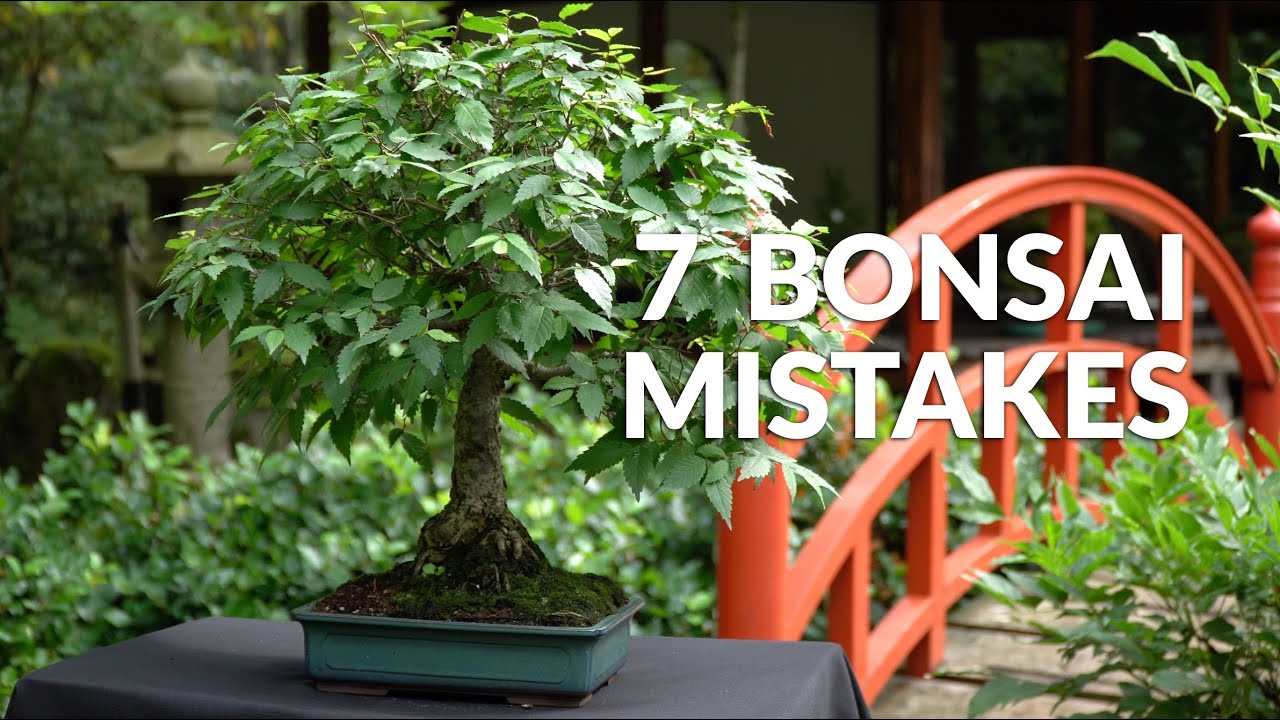
The danger of too much water
The single most common mistake beginners make is overwatering. It’s often born from good intentions – a desire to nurture and provide – but it can quickly lead to root rot and the decline of your bonsai. It’s important to understand that frequent watering isn’t the same as consistent moisture. Bonsai don’t want to sit in soggy soil.
Root rot occurs when the roots are deprived of oxygen due to being constantly saturated with water. This creates an environment where harmful fungi thrive, attacking and decaying the roots. You'll often see signs like yellowing leaves, stunted growth, and a generally unhealthy appearance. The roots themselves will become dark, mushy, and smell foul. Prevention is key here.
Proper soil drainage is paramount. A well-draining bonsai soil mix typically includes components like akadama, pumice, and lava rock. These materials allow water to flow through quickly, preventing saturation. Equally important is the pot itself; ensure it has adequate drainage holes. Different species also have different needs. A Juniper, for example, prefers to dry out more between waterings than a Ficus.
To determine if your bonsai needs water, don’t rely on a schedule. Instead, check the soil moisture by sticking your finger about an inch into the soil. If it feels moist, hold off on watering. Only water when the soil feels slightly dry to the touch. Remember, it’s better to underwater slightly than to overwater.
Getting the light right
Sunlight is the engine that drives photosynthesis, and without sufficient light, your bonsai will struggle. But understanding the correct amount of sunlight is often a challenge for beginners. The needs vary dramatically depending on the species. A common misconception is that all bonsai thrive in bright, indirect light, but that simply isn’t true.
Outdoor bonsai, like Junipers and Pines, generally require at least 6 hours of direct sunlight per day. Indoor bonsai, like Ficus, can tolerate less direct light, but still need a bright location. Determining the specific light requirements for your tree is crucial. Research your species thoroughly.
Signs of insufficient light include leggy growth (long, stretched stems with sparse leaves), pale green leaves, and a lack of vigor. Conversely, excessive light can cause scorched leaves, especially on delicate species. If you notice brown, crispy patches on the leaves, your tree might be getting too much sun.
Consider the direction your windows face. South-facing windows provide the most light, followed by east and west. North-facing windows offer the least. You might need to supplement natural light with grow lights, especially during winter months or if you live in a region with limited sunlight.
- Junipers need at least six hours of direct sun to stay healthy.
- Ficus: Bright indirect light
- Chinese Elm: Partial sun (4-6 hours direct sunlight)
- Japanese Maple: Morning sun, afternoon shade
Common Bonsai Species and Light Requirements
| Species | Light Requirement | Potential Issue with Insufficient Light |
|---|---|---|
| Juniper | Full Sun | Foliage may become sparse and lose its vibrant color. Growth will be stunted. |
| Ficus (most varieties) | Indirect Light | Leaf drop and slowed growth are common signs of insufficient light. |
| Japanese Maple | Partial Shade | Leaves may scorch in direct sunlight, but insufficient light results in poor coloration and weak growth. |
| Chinese Elm | Full Sun to Partial Shade | Can tolerate a range, but prolonged lack of sufficient light will lead to leggy growth and smaller leaves. |
| Dwarf Jade | Full Sun | Stems can become elongated and weak, losing their compact shape. |
| Serissa foetida (Snowrose) | Bright Indirect Light | May exhibit leaf drop and reduced flowering if light levels are too low. |
| Pine (most varieties) | Full Sun | Needles may become pale and growth will be significantly reduced. |
Illustrative comparison based on the article research brief. Verify current pricing, limits, and product details in the official docs before relying on it.
Why you shouldn't fear the shears
Pruning is arguably the most defining aspect of bonsai, and it’s essential for both the aesthetic development and the overall health of the tree. It's not just about shaping the tree; it’s about controlling its growth, encouraging ramification (branching), and maintaining its size. Many beginners are hesitant to prune, fearing they’ll "ruin" the tree, but this fear is often unfounded.
There are two main types of pruning: maintenance pruning and structural pruning. Maintenance pruning involves removing new growth to maintain the tree’s shape and size. Structural pruning is more significant, involving removing larger branches to refine the overall design. The best time to prune varies depending on the species. Deciduous trees are typically pruned during dormancy (late winter or early spring), while evergreens are pruned in late spring or early summer.
You will make bad cuts. I once took a major branch off a maple only to realize it ruined the silhouette. It grew back. Start with small snips using sharp shears. If you want to remove a branch entirely, use concave cutters so the wound heals flat against the trunk rather than leaving a nasty bump.
The key is to understand your tree’s growth habit and to prune with a clear vision in mind. Observe the branches carefully before making any cuts. Think about how each cut will affect the overall shape and balance of the tree. Resources like Bonsai Empire (bonsaiempire.com) offer detailed guides on pruning techniques.
Feeding your tree
Like all plants, bonsai need nutrients to thrive. However, fertilizing bonsai requires a delicate balance. Both over-fertilizing and under-fertilizing can be detrimental. Over-fertilizing can burn the roots and lead to salt buildup in the soil, while under-fertilizing can result in weak growth and nutrient deficiencies.
There are several types of bonsai fertilizer available, including liquid fertilizers and slow-release granular fertilizers. Liquid fertilizers provide a quick boost of nutrients, while slow-release fertilizers provide a more sustained release over time. The NPK ratio (Nitrogen, Phosphorus, Potassium) indicates the percentage of each nutrient in the fertilizer. A balanced fertilizer (e.g., 10-10-10) is generally a good starting point.
Adjust your fertilization schedule based on the season and the species. During the growing season (spring and summer), you can fertilize more frequently. Reduce or stop fertilizing during dormancy (fall and winter). Signs of nutrient deficiencies include yellowing leaves, stunted growth, and a lack of vigor.
Always follow the instructions on the fertilizer label carefully. It's better to err on the side of under-fertilizing than over-fertilizing. Consider using organic fertilizers, which release nutrients more slowly and are less likely to burn the roots.
- Nitrogen helps the leaves stay green and grow fast.
- Phosphorus (P): Supports root development and flowering
- Potassium (K): Enhances overall health and disease resistance
Repotting Regrets
Repotting is a necessary task for maintaining the health of your bonsai. Over time, the roots can become rootbound (circling the inside of the pot), and the soil can become depleted of nutrients. Repotting provides fresh soil and allows you to prune the roots, encouraging new growth. Many beginners avoid repotting, fearing they'll damage the tree, but it’s a critical part of bonsai care.
The best time to repot depends on the species. Deciduous trees are typically repotted in early spring, just before bud break. Evergreens are typically repotted in late spring or early summer. Use a well-draining bonsai soil mix specifically formulated for bonsai trees. Avoid using regular potting soil, as it doesn’t drain well enough.
Carefully remove the tree from its pot, gently teasing the roots apart. Use a root hook or chopsticks to loosen the soil around the roots. Prune the roots, removing any circling or congested roots. Aim to remove about one-third of the root mass. Place the tree in the new pot and fill it with fresh soil, ensuring the roots are well covered.
The frequency of repotting depends on the age and species of the tree. Young, fast-growing trees may need to be repotted every year or two, while older, more established trees may only need to be repotted every 3-5 years. Don't be afraid to ask for advice at a local bonsai nursery.
Choosing the Wrong Tree to Start
It's tempting to start with a spectacular, highly styled bonsai, but this is a common mistake for beginners. Some species are much more forgiving than others, and starting with a challenging tree can lead to frustration and failure. It’s best to build your skills on a species that’s known for its resilience.
Beginner-friendly bonsai trees include Ficus, Juniper, and Chinese Elm. Ficus are tolerant of a wide range of conditions and are relatively easy to propagate. Junipers are hardy and can withstand some neglect. Chinese Elms are fast-growing and respond well to pruning. These trees provide a good foundation for learning the basics of bonsai care.
Before purchasing any bonsai, research the species thoroughly. Understand its light requirements, watering needs, and pruning preferences. Don’t be afraid to ask questions at the nursery. Bonsai Outlet has a dedicated section for beginner bonsai trees, making it easier to find a suitable starting point.
Starting with a more forgiving species will allow you to focus on learning the fundamental techniques of bonsai care without being overwhelmed by the specific needs of a more demanding tree. As your skills develop, you can then branch out and experiment with more challenging species.

No comments yet. Be the first to share your thoughts!