

Bonsai and the environment
There's a growing awareness within the bonsai community—and the wider gardening world—about our environmental impact. Traditional gardening practices often rely heavily on chemical pesticides, consume significant amounts of water, and contribute to plastic waste with disposable pots and packaging. This is especially concerning as we see more frequent and severe climate events. But bonsai, when approached thoughtfully, can be a surprisingly sustainable art form.
The very nature of bonsai—cultivating a miniature tree in a contained space—encourages mindful resource use. We’re already focused on conservation, simply by the limitations of the medium. However, we can, and must, do more. The goal isn’t just to create beautiful trees, but to do so in a way that minimizes harm and even contributes to a healthier planet. This is a shift from simply growing bonsai to practicing sustainable bonsai.
I've seen more growers moving away from plastic and heavy chemicals. The Matthaei Botanical Gardens at the University of Michigan provides specific data on responsible horticulture that applies directly to how we manage small-scale trees. It is a necessary shift if we want the hobby to survive changing climates.
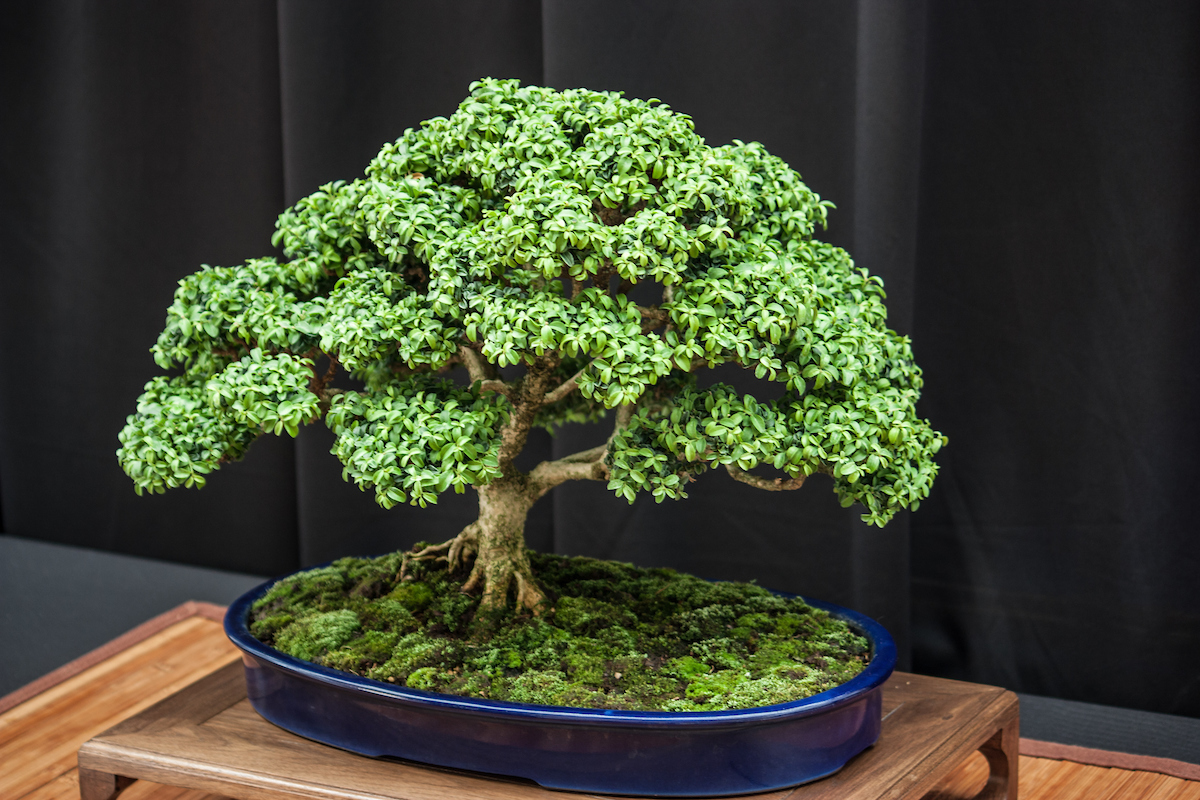
Sustainable soil choices
Soil is the foundation of any bonsai, and traditional mixes often contain ingredients with significant environmental drawbacks. Peat moss, a common component, is particularly problematic. Its harvesting destroys valuable wetland ecosystems, releasing stored carbon into the atmosphere. While it holds water well, the environmental cost is too high. We need to actively seek alternatives.
Fortunately, several excellent peat-free options are available. Akadama, a baked clay aggregate, is a classic choice, but its production can be energy-intensive and sourcing can be difficult. Look for locally produced akadama substitutes made from baked clay – these reduce transport emissions. Pumice and lava rock are also fantastic choices; they provide excellent drainage and aeration while being naturally sourced and reusable. These can be a bit more expensive upfront, but their longevity makes them cost-effective in the long run.
Organic compost, derived from recycled plant matter, is another valuable addition to a sustainable soil mix. However, ensure it’s sourced responsibly, avoiding composts containing synthetic fertilizers or pesticides. Creating your own soil mix allows for complete control over ingredients. For Japanese maples, for example, a mix of 2 parts pumice, 1 part lava rock, and 1 part composted bark works well. For pines, a heavier mix with more lava rock is preferable. Experimentation is key, but always prioritize sustainability.
Consider the specific needs of your tree when formulating your mix. Different species require different drainage and nutrient levels. A general rule is to lean towards mixes with excellent drainage, as overwatering is a common problem with bonsai. Remember, a well-draining soil also reduces the risk of root rot, which minimizes the need for potentially harmful treatments later on.
- Pumice provides drainage and aeration without the environmental cost of peat.
- Lava Rock: Provides good drainage and adds weight to the mix.
- Composted Bark: Adds organic matter and improves water retention (use responsibly sourced compost).
- Akadama Substitutes: Baked clay alternatives to traditional akadama, reduce transport emissions when sourced locally.
Bonsai Soil Component Comparison: Sustainability & Performance
| Soil Component | Water Retention | Drainage | Aeration | Environmental Impact | Cost |
|---|---|---|---|---|---|
| Akadama | Medium | Good | Medium | Moderate - Sourced from clay deposits, processing energy use. | Medium to High |
| Pumice | Low | Excellent | High | Low - Volcanic rock, minimal processing. | Medium |
| Lava Rock | Very Low | Excellent | Excellent | Low - Volcanic rock, minimal processing. | Low to Medium |
| Compost | High | Moderate | Moderate | Better for - If sustainably sourced; potential for nutrient runoff if not managed well. | Low to Medium |
| Peat Moss | High | Poor | Poor | Higher - Harvesting damages bog ecosystems, slow to regenerate. | Medium |
| Kanuma (for Azaleas) | High | Good | Medium | Moderate - Sourced from volcanic soil, processing energy use. | High |
| Calcined Clay (e.g., Turface) | Medium | Good | Medium | Moderate - Manufacturing process requires energy. | Medium |
Qualitative comparison based on the article research brief. Confirm current product details in the official docs before making implementation choices.
Water conservation techniques
Bonsai require consistent moisture, but that doesn’t equate to wasteful water use. One of the simplest and most effective techniques is to check soil moisture before watering. The "chopstick test’ – inserting a wooden chopstick into the soil and checking for dampness – is a reliable method. If the chopstick comes out clean, it’s time to water. If it"s damp, hold off.
Collecting rainwater in barrels or tanks is another excellent way to conserve water. Rainwater is naturally soft and free of chemicals, making it ideal for bonsai. Grouping your trees together creates a microclimate, reducing evaporation rates. This is especially helpful during hot, dry periods. Proper pot drainage is also paramount – ensure your pots have adequate drainage holes to prevent waterlogging and root rot.
Overwatering is the fastest way to kill a tree and waste a resource. Root rot happens when soil stays soggy, cutting off oxygen. While I haven't found a perfect digital moisture meter for tiny pots, a simple visual check for yellowing leaves or wilting tells you most of what you need to know.
Organic Pest & Disease Control
Chemical pesticides and fungicides pose a significant threat to the environment and can harm beneficial insects, pollinators, and even the trees themselves. The best defense against pests and diseases is a healthy tree. Proper watering, fertilization, and sunlight exposure create a strong immune system, making the tree more resistant to attack. Preventative care is always the first line of defense.
When pests or diseases do occur, opt for organic solutions. Neem oil is a broad-spectrum insecticide, fungicide, and miticide that’s effective against a wide range of problems. Insecticidal soap is another gentle but effective option, particularly for soft-bodied insects like aphids and spider mites. Companion planting—introducing plants that attract beneficial insects—can also help control pests naturally. For example, marigolds repel nematodes and whiteflies.
Check your trees every morning. If you spot webbing or spots early, you can usually fix it with a spray bottle and some patience. Harsh chemicals are a lazy fix that usually kills the beneficial bugs you actually want in your garden. I stick to gentler methods because they don't ruin the local ecosystem.
Common bonsai pests include aphids, spider mites, scale, and mealybugs. Diseases like root rot and fungal infections can also be problematic. Research the specific pests and diseases that are common in your area and learn how to identify them. A good magnifying glass is an invaluable tool for inspecting your trees.
- Neem oil works as a natural insecticide and fungicide for most common issues.
- Insecticidal Soap: Effective against soft-bodied insects.
- Companion Planting: Attracts beneficial insects to control pests.
- Regular Inspection: Early detection is key to successful organic pest control.
Preventative Pest & Disease Care
- Regular Inspection - Examine your bonsai weekly for any signs of pests or disease, focusing on the undersides of leaves and branch junctions.
- Proper Watering - Avoid overwatering, which can lead to root rot. Use the 'chopstick method' to gauge soil moisture – insert a wooden chopstick and if it comes out damp, do not water.
- Air Circulation - Ensure good air circulation around your bonsai to discourage fungal growth. Space trees adequately and avoid overly humid environments.
- Sanitized Tools - Always disinfect pruning shears and other tools with rubbing alcohol (isopropyl alcohol) before and after use to prevent the spread of disease.
- Leaf Debris Removal - Regularly remove fallen leaves and other organic debris from the soil surface. This eliminates breeding grounds for pests and reduces the risk of fungal diseases.
- Appropriate Fertilization - Use a balanced bonsai fertilizer, following package instructions carefully. Avoid over-fertilizing, which can weaken the tree and make it more susceptible to problems. Consider organic options like fish emulsion.
- Quarantine New Trees - Isolate newly acquired bonsai trees for several weeks to monitor for pests or diseases before introducing them to your existing collection.
Repotting Responsibly
Repotting is an essential part of bonsai care, but it can be a disruptive process for the tree. Minimizing root disturbance is crucial. Gently tease the roots apart, rather than hacking at them aggressively. Prune only the necessary amount of root mass to fit the tree into a slightly smaller pot. A general guideline is to remove about one-third of the root ball, but adjust based on the tree’s species and vigor.
The choice of pot material is also important. Unglazed ceramic pots are a sustainable option, as they are durable and allow the roots to breathe. Recycled plastic alternatives are becoming increasingly available, but be sure to check their composition and ensure they are truly recyclable. Avoid using plastic mesh to secure the soil, as it eventually breaks down into microplastics.
Composting the old soil is a great way to close the loop and reduce waste. The old soil still contains valuable organic matter that can be used to enrich your compost pile. Repotting frequency depends on the tree species and age. Younger, faster-growing trees typically need to be repotted every 1-2 years, while older, more established trees may only need repotting every 3-5 years.
Ethical Sourcing of Trees & Materials
The origins of your bonsai matter. Unfortunately, the demand for bonsai has led to the illegal collection of trees from the wild, damaging natural ecosystems. Support nurseries that propagate their own stock, rather than those that rely on wild-collected trees. Ask your nursery about their sourcing practices—a reputable nursery will be transparent about where their trees come from.
This extends to tools and materials as well. Choose suppliers who prioritize ethical and sustainable practices. Look for tools made from recycled materials or those that are built to last, reducing the need for frequent replacements. Consider the environmental impact of shipping and opt for local suppliers whenever possible. Knowing the origin of your tree and materials allows you to make informed choices.
Supporting responsible nurseries encourages sustainable practices within the bonsai community and helps protect wild tree populations. It’s a small step that can make a big difference. Don’t be afraid to ask questions and demand transparency from your suppliers.
Where do you typically source your bonsai trees and growing materials?
Understanding where our community sources their materials helps us promote more sustainable and eco-friendly procurement practices for 2026. Please select the option that best describes your primary method.
Reducing Plastic Use in Bonsai
Bonsai cultivation can generate a surprising amount of plastic waste: pots, labels, mesh for securing soil, and packaging materials all contribute to the problem. Terracotta pots are a classic and sustainable alternative to plastic pots. They are breathable, durable, and aesthetically pleasing. Biodegradable pots made from coconut coir or rice hulls are another option, but their durability may be limited.
Reusable labels are a simple switch that can significantly reduce plastic waste. Write directly on the pot with a permanent marker or use metal plant markers. Avoid using plastic mesh to secure the soil; instead, use a layer of larger gravel or rocks to anchor the tree. This is often more effective and environmentally friendly.
Finding truly sustainable plastic alternatives is a challenge, as many biodegradable plastics still contain some petroleum-based materials. Focus on reducing your overall plastic consumption by reusing materials whenever possible and opting for plastic-free alternatives when available. This requires a conscious effort, but it’s a worthwhile one.

No comments yet. Be the first to share your thoughts!