
First Bonsai: Where to Start?
The idea of cultivating a bonsai tree is incredibly appealing. It’s a blend of art, horticulture, and a fascinating exercise in patience. Many people are drawn to the tranquility and beauty these miniature trees represent. But that initial excitement can quickly give way to overwhelm when you start thinking about how to begin. Where do you even get your first bonsai tree?
This is a common question for beginners, and there are two main paths: bonsai subscription boxes and local nurseries. Both have their advantages and disadvantages, and the "best’ choice really depends on your individual circumstances and learning style. I"ve seen many newcomers make mistakes simply by rushing into a purchase without considering their options.
It’s vital to set realistic expectations from the start. Bonsai isn’t a quick hobby; it requires consistent care and attention. A healthy tree doesn’t appear overnight. Understanding this commitment is the first step, and then choosing the right source for your tree becomes a little easier. Don't be afraid to start small and learn as you go, and remember that even experienced bonsai artists face challenges.
We’ll explore both subscription boxes and nurseries in detail, weighing the pros and cons of each to help you make an informed decision. This isn’t about declaring a winner, but about empowering you with the information you need to succeed in this rewarding hobby. Ultimately, the goal is to find a tree that thrives under your care and brings you years of enjoyment.
Bonsai Boxes: Convenience and Curated Choices
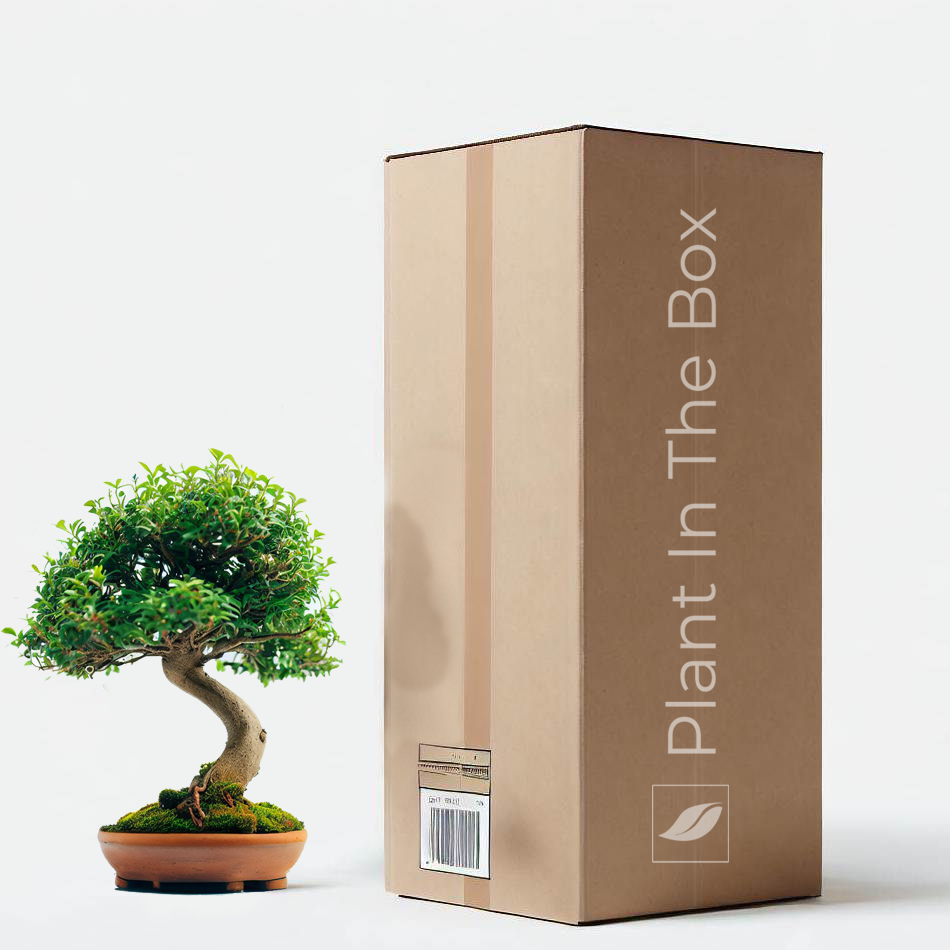
Bonsai subscription boxes have grown in popularity. They offer convenience, typically including a young bonsai tree, a pot, specialized soil, and sometimes basic tools and fertilizer. Everything you need to get started is delivered to your door.
This is attractive for those without access to a well-stocked local nursery, removing a significant barrier to entry. The curated aspect is also appealing. Boxes often focus on a specific theme or skill level, making it easier for beginners to choose an appropriate tree. You trust the experts to select a healthy, beginner-friendly specimen.
However, quality varies significantly between services. Some boxes prioritize profit over plant health, leading to stressed or poorly suited trees. Selection is also limited to pre-determined options, rather than a wide variety of species and styles.
The biggest drawback is the lack of personalized advice. Basic care instructions can't replace guidance from an experienced bonsai artist. It’s easy to make mistakes without someone to answer questions and provide tailored recommendations. Many beginners feel lost after receiving a box without sufficient support.
Not all bonsai boxes are equal. Research is key. Look for boxes that emphasize tree health, offer detailed care instructions, and provide customer support. Read reviews carefully and be wary of unrealistic promises. Consider Bonsai Resource and Bloomscape, but review current offerings thoroughly.
- Bonsai Resource: Offers a variety of subscription options, including beginner-friendly trees.
- Bloomscape: While not exclusively bonsai, Bloomscape offers a selection of bonsai trees and provides detailed care guides.
- The Bonsai Supply: Focuses on providing high-quality bonsai trees and supplies.
Featured Products

This curated bonsai subscription box offers a convenient and educational way for beginners to start their bonsai journey, providing everything needed to grow and care for their first tree.
This curated bonsai subscription box offers a convenient and educational way for beginners to start their bonsai journey, providing everything needed to grow and care for their first tree.
This curated bonsai subscription box offers a convenient and educational way for beginners to start their bonsai journey, providing everything needed to grow and care for their first tree.

This curated bonsai subscription box offers a convenient and educational way for beginners to start their bonsai journey, providing everything needed to grow and care for their first tree.

This curated bonsai subscription box offers a convenient and educational way for beginners to start their bonsai journey, providing everything needed to grow and care for their first tree.
As an Amazon Associate I earn from qualifying purchases. Prices may vary.
Local Nurseries: Expertise and Hands-On Help
Buying from a local nursery offers a different experience. The biggest advantage is seeing trees in person before you buy. You can assess their health, examine their form, and gauge their overall quality—something you can’t do with a subscription box.
More importantly, you have access to nursery staff expertise. A good bonsai nursery has knowledgeable employees who can answer questions, offer advice, and help you choose a tree suited to your skill level and environment. Building a relationship with a local bonsai expert is invaluable when starting out.
I remember visiting a small nursery in Portland, Oregon, several years ago. The owner’s passion and knowledge amazed me. He spent over an hour explaining species nuances and demonstrating basic pruning techniques. That experience was more valuable than any online tutorial.
However, finding a good bonsai nursery can be challenging. They aren’t as common as traditional garden centers, and quality varies. Prices might be higher at a specialized nursery, reflecting expertise and care. Selection may also be limited by location and specialization.
Research to find a reputable nursery in your area. Check online reviews, ask local bonsai clubs for recommendations, and visit in person to assess tree quality and staff knowledge. Don’t be afraid to ask questions and take your time.
Tree Species: Beginner-Friendly Options
Regardless of where you buy your bonsai, selecting the right species is crucial for success. Some trees are more forgiving than others, making them ideal for beginners. Juniper procumbens "Nana" is a classic choice due to its hardiness and tolerance for pruning. Chinese Elms are also relatively easy to care for and respond well to training.
Ficus trees, particularly Ficus retusa, are another excellent option, especially for indoor bonsai. They tolerate a wide range of conditions and adapt well to container life. These species are generally resilient and can withstand beginner mistakes. They're also readily available at most nurseries and through many subscription boxes.
Conversely, some species are best avoided initially. Japanese Maples, for example, are beautiful but demanding in watering, fertilization, and pest control. They require a more experienced hand to thrive. Black Pines can also be challenging due to specific pruning requirements.
For further guidance, Bonsai Empire has a comprehensive guide to the best bonsai trees for beginners – you can find it on their website (bonsaiempire.com). This resource provides detailed information on each species, including its care requirements and suitability for different climates. I highly recommend checking it out before making a purchase.
Remember, starting with an easy-to-care-for species will increase your chances of success and build your confidence as a bonsai artist. Don’t be afraid to start simple and gradually work your way up to more challenging species as you gain experience.
Beginner Bonsai Species Comparison - 2026
| Species | Light Requirements | Watering Frequency | Pruning Difficulty | Cold Hardiness | Beginner Friendliness |
|---|---|---|---|---|---|
| Juniper | High | Medium | Medium | Medium | Medium |
| Chinese Elm | Medium | Medium | Low | Low | High |
| Ficus (Retusa/Benjamina) | Medium | Medium | Low | Low | High |
| Schefflera | Low | Medium | Low | Low | High |
| Portulacaria afra (Dwarf Jade) | High | Low | Low | Low | High |
Illustrative comparison based on the article research brief. Verify current pricing, limits, and product details in the official docs before relying on it.
Cost Breakdown: Long-Term Investment
Let’s be realistic about the costs involved. A bonsai from a subscription box typically ranges from $30 to $80, depending on the species and the contents of the box. A similar tree from a local nursery might cost anywhere from $50 to $150, or even more for a well-established specimen. However, the initial price tag is only part of the equation.
Bonsai is a long-term investment, and the ongoing costs can add up. You’ll need to purchase pots, bonsai soil, fertilizer, pruning shears, and wire. Repotting, which is necessary every few years, can also be expensive, especially if you choose a high-quality pot. These costs can easily exceed the initial price of the tree.
A basic set of bonsai tools can cost around $50 to $100. Bonsai soil, which is a specialized mix of different components, typically costs $20 to $40 per bag. Fertilizer can range from $10 to $30 per bottle. And a good quality pot can cost anywhere from $30 to $100 or more.
I’ve found that budgeting around $100 to $200 per year for ongoing care is a reasonable estimate. This will cover the cost of soil, fertilizer, tools, and occasional repotting. It’s important to factor these costs into your decision-making process. Don't just focus on the initial price of the tree.
Ultimately, the cost of bonsai ownership depends on your level of commitment and the quality of the materials you choose. Investing in high-quality tools and soil will pay off in the long run by ensuring the health and longevity of your tree.
Beyond the Tree: Essential Supplies
Having the right tools and supplies is essential for successful bonsai care. You’ll need a pair of sharp pruning shears for trimming branches and removing dead leaves. Concave cutters are useful for creating clean cuts that heal quickly. Bonsai wire, typically made of aluminum or copper, is used to shape branches.
Bonsai soil is different from regular potting soil. It’s a well-draining mix of components like akadama, pumice, and lava rock. These materials provide aeration and prevent root rot. You’ll also need a balanced bonsai fertilizer to provide the nutrients your tree needs to thrive.
A watering can with a fine rose is essential for gentle and even watering. Avoid using tap water, which can contain chlorine and other chemicals that can harm your tree. Rainwater or distilled water is a better option. A humidity tray can also be helpful, especially for indoor bonsai.
You can find these supplies at most local nurseries and online retailers. Amazon offers a wide selection of bonsai tools and supplies, but it’s important to read reviews carefully to ensure you’re getting quality products. Specialist bonsai stores often offer the best selection and expert advice.
Don’t skimp on quality when it comes to tools and supplies. Investing in good tools will make your life easier and help you create a beautiful and healthy bonsai tree. Remember, proper care requires more than just the tree itself; it requires the right tools and knowledge.
- Pruning Shears: For trimming branches.
- Concave Cutters: For clean cuts that heal quickly.
- Bonsai Wire: To shape branches.
- Bonsai Soil: Well-draining mix of akadama, pumice, and lava rock.
- Bonsai Fertilizer: Balanced nutrients for growth.
- Watering Can: With a fine rose for gentle watering.
Essential Beginner Tools
- Concave Cutters - Used to remove branches flush with the trunk, promoting healing and a natural look. These create a hollow cut that allows bark to grow over the wound.
- Wire Cutters - Specifically designed for cutting bonsai wire without damaging the tree or the wire itself. Regular wire cutters can be too blunt.
- Bonsai Shears - Versatile for general pruning and shaping. Different sizes are available for various tasks, from delicate leaf trimming to branch reduction.
- Root Rake - Helps to gently loosen and untangle roots during repotting, encouraging healthy root growth. Avoids damaging delicate root structures.
- Chopsticks - Surprisingly useful for working the soil around roots during repotting and for removing air pockets.
- Bonsai Wire - Anodized aluminum or copper wire used to shape branches. Different gauges (thicknesses) are needed for different branch sizes.
- Soil Sieve - Used to separate different grades of bonsai soil components, ensuring proper drainage and aeration. Commonly used with Akadama, pumice and lava rock.
Learning Resources: Where to Find Guidance
Bonsai is a complex art form, and continuous learning is essential. Fortunately, there are plenty of resources available to help beginners. Bonsai Empire (bonsaiempire.com) is an excellent website with a wealth of information on all aspects of bonsai cultivation.
YouTube is also a great source of learning materials. The Bonsai Heirloom channel (youtube.com/watch?v=some_video_id) offers a beginner’s guide to choosing your first bonsai tree, covering purpose, size, and style. Their videos are informative and visually appealing.
There are also numerous books available on bonsai. "Bonsai: The Complete Step-by-Step Guide" by Craig Coussons is a comprehensive resource that covers everything from basic techniques to advanced styling. Joining a local bonsai club is another great way to learn from experienced artists.
Online forums and communities, such as Reddit’s r/bonsai, provide a platform for beginners to connect with others, ask questions, and share their experiences. These communities can be incredibly supportive and helpful.
Don’t be afraid to seek advice from experienced bonsai artists. The more you learn, the better equipped you’ll be to care for your tree and create a beautiful and thriving bonsai.
2026 Trends: What's Changing?
Looking ahead to 2026, the bonsai market is likely to continue evolving. Subscription boxes are becoming more sophisticated, offering higher-quality trees and more personalized advice. We’re also seeing a growing trend towards sustainable bonsai practices, with a focus on using organic soil and reducing pesticide use.
Local nurseries are adapting to the changing needs of beginners by offering workshops and online resources. The rise of e-commerce is also making it easier for nurseries to reach a wider audience. I suspect that we will see more nurseries offering online consultations and virtual bonsai classes.
Technology is also playing an increasingly important role in bonsai care. Smart sensors can monitor soil moisture and temperature, providing valuable data to help you optimize your watering schedule. There’s even research being done on using AI to diagnose bonsai diseases.
The growing interest in mindfulness and wellness is also likely to drive demand for bonsai. The act of caring for a bonsai tree can be incredibly therapeutic and rewarding. It’s a way to connect with nature and cultivate a sense of peace and tranquility.
Overall, the future of bonsai looks bright. The hobby is becoming more accessible and appealing to a wider audience, and the industry is innovating to meet the changing needs of beginners and experienced artists alike.
No comments yet. Be the first to share your thoughts!