
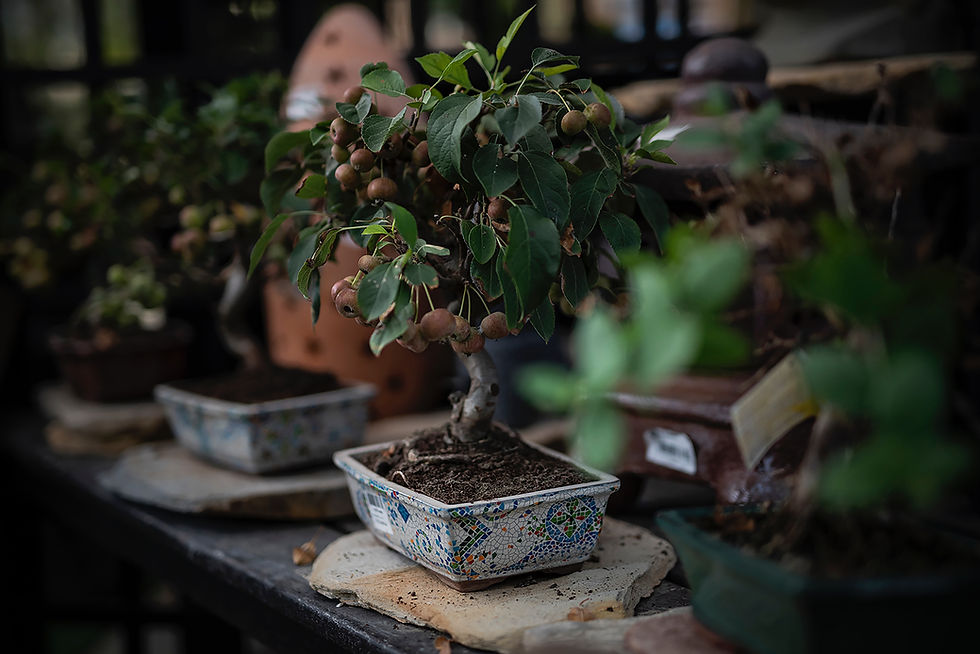

What actually matters in bonsai care
Smart bonsai care in 2026 isn’t about buying the most expensive sensor or chasing the latest app feature. It’s about consistency. A $20 moisture probe used daily beats a $200 system left charging in a drawer.
The core challenge is simple: bonsai trees live in tiny pots with limited soil. They dry out fast and rot faster. Your goal is to keep the roots in that "just right" zone—moist but never soggy. If you can nail watering, the rest follows.
The three non-negotiables
- Water depth, not just wetness. Surface moisture tricks you. Stick your finger two inches down. If it’s dry, water until it runs out the bottom.
- Light tracking. Bonsai are sun-hungry. Most apps let you log sun hours. Aim for 4-6 hours of direct light daily for most species.
- Seasonal shifts. Spring means growth (more water/fertilizer). Winter means dormancy (less water, no fertilizer). Apps that auto-adjust reminders for your zone save guesswork.
As one grower noted in planning their 2026 goals, "It’s about planning ahead for a busy bonsai spring." That means checking soil before the heat hits, not after the leaves curl.
Why IoT helps (and when it doesn’t)
Sensors are great for catching trends, not for replacing your eyes. A soil probe might say "dry," but if it’s raining, you don’t water. Use tech to remind you, not to decide for you.
The best setup? One reliable moisture sensor, one app that logs your watering times, and a notebook for seasonal notes. That’s it. No need for complex dashboards or social media clout.
"Explore the beauty of bonsai trees this spring with stunning images and insights on nurturing your garden for the growing season." — International Bonsai Arboretum
Start small. Track one tree for a month. See what works. Then scale up.
Details to compare
Smart bonsai care relies on matching sensor capabilities to your specific tree’s needs. Not all IoT devices offer the same precision, and choosing the wrong tool can lead to overwatering or dry roots. When evaluating options, focus on four core metrics: measurement accuracy, connectivity range, app usability, and power source.
| Feature | Basic Soil Probe | Smart WiFi Sensor | Cellular Tracker |
|---|---|---|---|
| Accuracy | ±5% moisture | ±2% moisture | ±1% moisture |
| Range | Local (Bluetooth) | Home WiFi (30ft) | Global (4G/LTE) |
| Battery Life | 6-12 months | 3-6 months | 1-2 years |
| Cost | $15 - $30 | $40 - $80 | $100+ |
Basic probes are sufficient for a single indoor tree, but they lack remote alerts. Smart WiFi sensors provide real-time data to your phone, which is essential for beginners who tend to overwater. Cellular trackers are expensive and overkill for most home growers, unless you travel frequently or keep trees in unheated garages where WiFi signals fail.
App integration is often the deciding factor. A sensor that records data but lacks a user-friendly interface will sit in a drawer. Look for apps that send push notifications when moisture drops below a set threshold. Some apps also track watering history, helping you identify patterns in your tree’s response to seasonal changes.
Power source matters more than you might think. WiFi sensors drain batteries faster because they constantly ping the router. If you have many trees, consider models with replaceable AA batteries rather than those requiring frequent USB charging. Cellular options last longer but incur monthly data fees, which adds up over time.
Finally, consider the long-term cost. Cheap sensors may need replacing every year due to soil corrosion. Higher-end models often use stainless steel probes that resist degradation. For beginners, investing in a mid-range WiFi sensor with a good app usually offers the best balance of cost and functionality.
How to decide which smart bonsai tools actually help
Buying a sensor or app for your bonsai feels like upgrading to a smart home, but most devices talk about humidity and light without understanding the specific needs of a miniature tree. A ficus ginseng and a juniper have wildly different water requirements, and a generic "moist" reading might not tell you if the root ball is actually dry or just the top layer of soil.
To avoid buying gadgets that sit in a drawer, start by identifying the single biggest stressor in your current setup. Is it inconsistent watering? Are you forgetting to check soil moisture because you keep your bonsai in a low-light corner? Your decision framework should prioritize tools that solve that specific blind spot, rather than chasing features like Bluetooth connectivity or cloud data storage if you rarely use your phone.
1. Match the sensor to your tree’s species
Not all bonsai trees need the same monitoring. Tropical varieties like Ficus or Jade require consistent warmth and moderate moisture, while temperate species like Junipers or Maples need distinct seasonal changes and colder winters.
- Tropicals: Look for sensors that track temperature alongside moisture. If your home gets cold in winter, a smart thermostat integration might be more valuable than a soil probe.
- Temperates: Focus on soil moisture and light duration. These trees are often more sensitive to overwatering than underwatering, so a sensor with customizable dry/wet thresholds is essential.
2. Prioritize local alerts over cloud dashboards
Many smart plant apps promise detailed graphs, but by the time you open the app and interpret a trend line, the plant may already be stressed. The most useful smart tools send immediate, actionable alerts to your phone: "Water now" or "Move to brighter light."
Check if the app allows you to set custom thresholds. A generic "dry" alert might trigger too late for a bonsai in a shallow pot. You want the ability to say, "Alert me when moisture drops below 30%," which mimics the traditional finger-test method but removes the guesswork.
3. Test the hardware in your actual growing space
Don’t rely on manufacturer specs. Place the sensor in the exact spot where your bonsai lives. Bonsai pots are small, and a sensor that is too large for the pot can disrupt the root ball or make watering impossible.
- Probe length: Ensure the probe is long enough to reach the bottom of your specific pot depth.
- Connectivity: If your bonsai sits in a corner with weak Wi-Fi, choose a device with Bluetooth or a dedicated hub rather than one that relies on direct cloud connection.
4. Start with one tool, then expand
The biggest mistake beginners make is buying a full suite of smart devices immediately. Start with one reliable soil moisture sensor for your most valuable or finicky tree. Use it for a full month to see if the data changes your care routine. If the alerts help you keep the tree healthier, then consider adding a light sensor or a smart watering system for other plants.
"This is me planning ahead for a busy bonsai spring." — @bonsaigoals
Planning your care routine with the right tools is more effective than buying every gadget on the market. Focus on consistency, not complexity.
What to Avoid
Smart bonsai care promises precision, but the market is crowded with gadgets that overcomplicate simple plant biology. The biggest trap is treating your tree like a server rack that needs constant monitoring. Bonsai are resilient; they do not require real-time data streams to survive. In fact, over-reliance on automated watering systems can drown roots that need to dry out between sessions. A sensor that triggers a pump every time soil moisture drops below an arbitrary threshold often ignores the plant’s natural dormancy cycles.
Many beginners also fall for the "set it and forget it" myth. While IoT apps are convenient, they are not a substitute for visual inspection. A sensor might report adequate moisture, but it cannot tell you if your tree is suffering from spider mites or root rot. If you trust the app more than your eyes, you will likely miss early signs of distress. Use the technology as a secondary check, not the primary authority.
Be wary of proprietary ecosystems that lock you into expensive, single-brand hardware. The best setups often mix affordable soil probes with open-source controllers or general-purpose smart plugs. Avoid subscriptions for basic data logging; most useful metrics can be viewed locally or exported without monthly fees. The goal is to support your practice, not to subscribe to a service that charges you for data you could gather with a simple moisture meter and a calendar.
Common questions
Can IoT sensors actually replace my intuition?
No. Sensors provide data, not judgment. A soil moisture probe might tell you the medium is dry, but it cannot tell you if the roots are rotting or if the tree is simply dormant. Use these tools to catch trends—like a sudden drop in humidity in winter—rather than as a rigid watering schedule. Your eyes and hands remain the primary diagnostic tools.
Do I need expensive smart pots to get started?
Not necessarily. You can begin with a simple Bluetooth soil sensor that connects to your phone. Many beginner-friendly apps allow you to log manual readings alongside automated sensor data. The goal is consistency, not hardware cost. A $20 sensor used daily is more valuable than a $100 system ignored after a week.
How do I avoid “alert fatigue” from my bonsai apps?
Treat notifications as reminders, not commands. Set your app to send a daily summary rather than instant alerts for every minor fluctuation. Bonsai care is about rhythm, not reaction. If your tree is in a stable indoor environment with consistent humidity, you likely don’t need to be notified every time the soil dries out by 5%.
What if the Wi-Fi goes down?
Most smart sensors store data locally on the device or in the app’s cache until connectivity is restored. However, always have a manual backup plan. Keep a simple wooden moisture stick or your finger handy. Technology should support your practice, not replace the fundamental habit of checking your trees regularly.
No comments yet. Be the first to share your thoughts!