
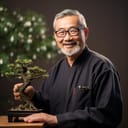
Bonsai and Wellbeing: A Growing Connection
The art of bonsai is quietly revolutionizing wellbeing. Cultivating these miniature trees offers profound therapeutic benefits, shifting focus from quick fixes to practices that nurture patience, focus, and a deeper connection with nature.
Bonsai's roots stretch back centuries to Japan, where it was a spiritual practice, not just horticultural. Historically, it was associated with mindfulness, discipline, and reverence for nature. The meticulous care required cultivated these qualities in practitioners.
Interest in bonsai's benefits is surging, backed by emerging research. While traditional gardening is good for you, bonsai offers something unique. It's not about a large harvest or beautiful bloom, but about shaping and nurturing a living sculpture over time. This difference is key to its therapeutic effect.
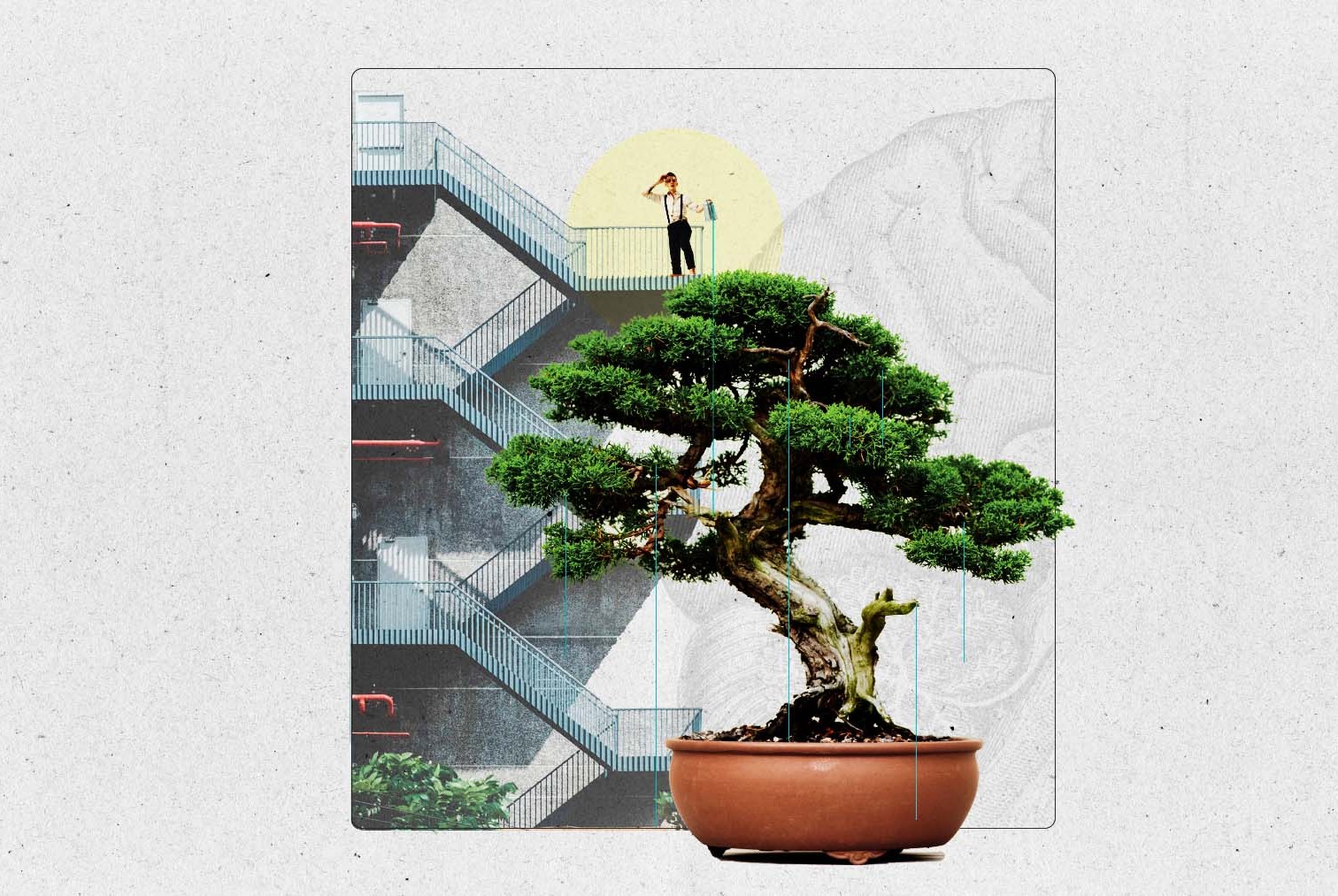
The Science of Slow: Bonsai & Stress Reduction
Bonsai's benefits aren't just anecdotal; evidence shows a physiological impact. The repetitive, focused tasks in bonsai care—pruning, wiring, watering—demonstrably affect our nervous systems, lowering cortisol levels, the hormone associated with stress.
These tasks activate the parasympathetic nervous system, the "rest and digest" response. This system counteracts the fight-or-flight response, promoting relaxation and calm. It's similar to meditation or deep breathing exercises, but achieved through a tangible, creative activity.
Psychologists discuss 'flow state'—the feeling of complete absorption in an activity where time seems to disappear. Bonsai naturally encourages this. The concentration required, combined with immediate feedback from the tree, creates an environment where flow easily occurs. It's a profoundly satisfying experience.
This isn’t simply about "feeling good" after bonsai care. It involves measurable physiological changes contributing to long-term wellbeing. Studies show brief interactions with nature reduce blood pressure and improve mood, and bonsai offers a concentrated dose of that benefit.
Cultivating Patience: Bonsai as a Mindfulness Practice
Bonsai is a practice in patience. Unlike modern life's norm of instant gratification, bonsai demands a deliberate, slow pace. Trees grow incrementally, and shaping techniques take years to master. This inherent slowness counters the constant stimulation of the modern world.
This patience extends beyond technical skills. It requires accepting imperfection, a tenet of the Japanese philosophy of wabi-sabi—finding beauty in impermanence and imperfection. A bonsai is never "perfect," and appreciating its unique character is crucial to the process. This acceptance translates to other areas of life.
Bonsai isn’t always easy. Setbacks, challenges, and frustration will occur. But these difficulties are part of the lesson. Learning to cope, adapt, and persevere builds resilience and a deeper understanding of the natural world—and yourself.
How Stressed Are You? & Could Bonsai Help?
In 2026, the demands of modern life continue to increase, leading to higher stress levels for many. This quick quiz will help you assess your current stress levels and explore whether incorporating mindful practices, like the art of bonsai, could be a beneficial addition to your wellbeing routine. Answer honestly to get a personalized insight!
Bonsai for Beginners: Accessibility and Getting Started
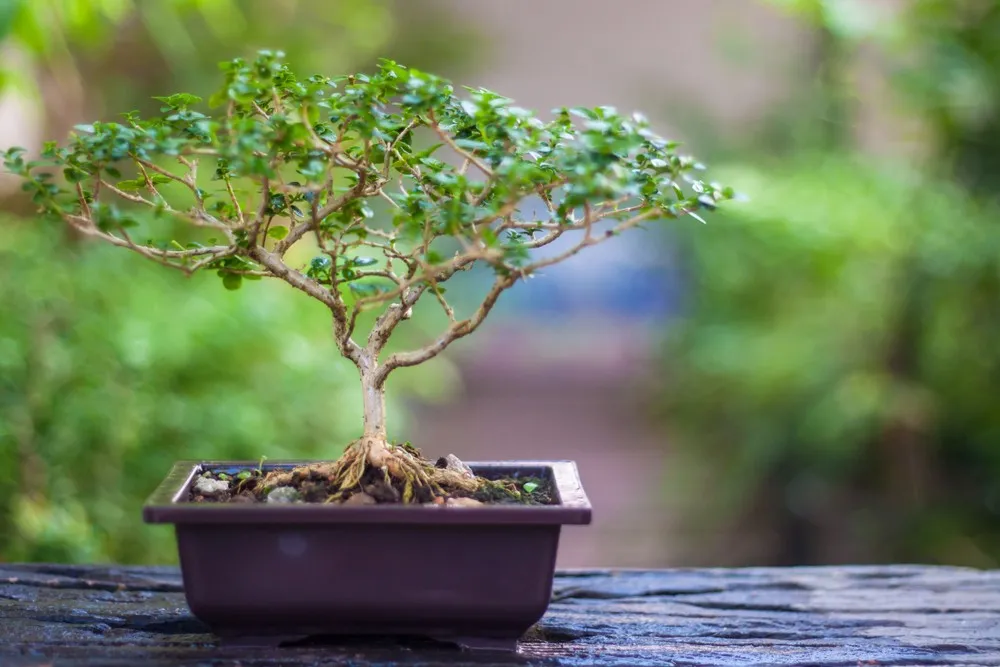
A common misconception is that bonsai is difficult or expensive. While it requires dedication, it’s surprisingly accessible to beginners. Many species are forgiving and well-suited for those starting out. Ficus, junipers, and Chinese elms are popular choices.
Learning resources are plentiful. Bonsai Empire (bonsaiempire.com) offers extensive information for beginners, covering basic care to advanced styling. Local bonsai clubs are also fantastic resources, providing mentorship and community. Hands-on learning is valuable.
Caring for a bonsai requires consistent time commitment. Watering, fertilizing, and pruning need regular attention, especially during the growing season. It doesn’t have to be overwhelming; 15-30 minutes a day can make a significant difference.
- Ficus: A very beginner-friendly species, tolerant of indoor conditions.
- Juniper: Popular for its resilience and classic bonsai appearance.
- Chinese Elm: Adaptable and responds well to pruning.
Beyond the Tree: Social Connection and Community
Bonsai's benefits extend beyond the individual. Many find community through a shared passion for these miniature trees. Bonsai clubs and online forums offer opportunities to connect, share knowledge, and learn from experienced practitioners.
The bonsai community is supportive. People of all ages and backgrounds come together to celebrate their love of nature and artistry. Sharing work, receiving feedback, and offering encouragement are integral to the experience.
Online forums like Reddit’s r/bonsai are thriving hubs for discussion, advice, and inspiration. Local bonsai clubs often host workshops, demonstrations, and exhibitions, providing valuable learning opportunities and a chance to connect with fellow enthusiasts. This social aspect powerfully contributes to overall wellbeing.
Bonsai Therapy in Practice: Formal Programs & Applications
Bonsai's therapeutic potential is increasingly recognized in clinical settings. Programs are emerging that incorporate bonsai into mental health treatment for anxiety, depression, and PTSD. The idea is to leverage bonsai care's mindful, creative aspects to promote emotional wellbeing.
These programs often involve guided bonsai sessions led by trained therapists. Participants learn bonsai basics while exploring emotions and developing coping mechanisms. The focus is not on creating a perfect bonsai, but on the process of nurturing and growth.
The extent of these formal programs is unclear. While interest is growing, research on their effectiveness is limited. Some studies suggest horticultural therapy, in general, reduces symptoms of depression and anxiety,
The Veterans Affairs (VA) healthcare system has shown interest in horticultural therapy programs, including those incorporating bonsai, as a complementary treatment for PTSD. This is a promising area of development, but it's still early days.
Troubleshooting & Emotional Resilience
It’s important to acknowledge that bonsai trees aren’t indestructible. They will encounter problems – pests, diseases, environmental stress, and even death. Learning to cope with these setbacks is an essential part of the bonsai journey, and it builds emotional resilience.
A tree that isn’t thriving can be frustrating, but it’s also an opportunity for learning. Diagnosing the problem, researching solutions, and implementing corrective measures develops problem-solving skills and a sense of agency. It’s a process of trial and error, and accepting failure is part of it.
Losing a tree can be deeply painful, but it’s also a valuable lesson in impermanence. Just as in life, things don’t always go as planned. Learning to accept loss, to grieve, and to move forward is a crucial skill. In many ways, bonsai is a metaphor for life itself – a constant cycle of growth, decay, and renewal.
No comments yet. Be the first to share your thoughts!