
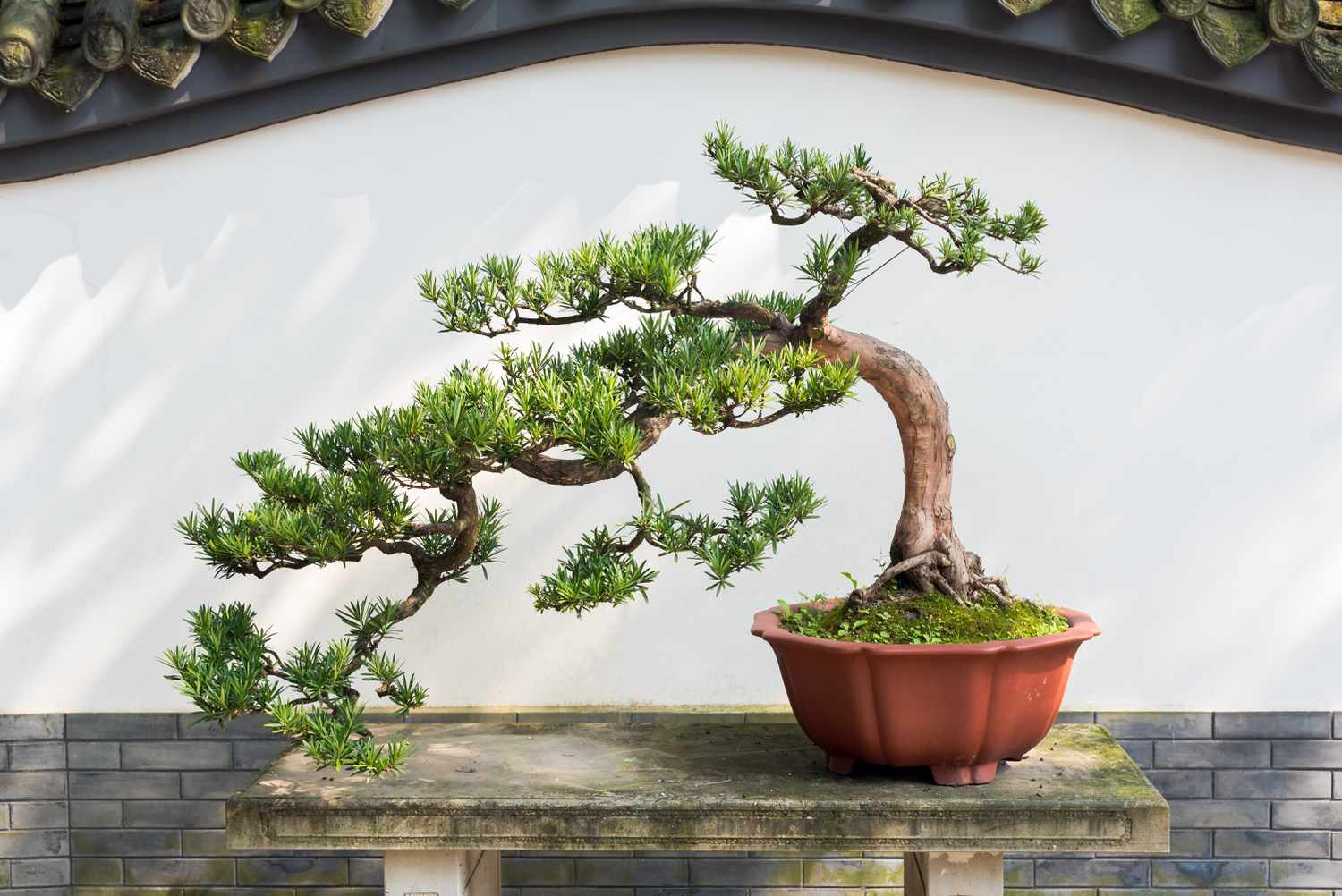
Start with these forgiving bonsai trees
Bonsai is a living practice that rewards patience, but it shouldn’t punish curiosity. For beginners, the goal isn’t perfection; it’s survival and steady growth. Choosing the right species makes all the difference. Some trees are sensitive to minor changes in light or water, while others, often called "beginner bonsai," tolerate mistakes and bounce back quickly.
The easiest bonsai for beginners are typically tropical plants that can be grown indoors as houseplants. Ficus species, particularly Ficus retusa and Ficus microcarpa, are the most forgiving. They handle lower light and irregular watering better than most, making them ideal for learning the basics of pruning and wiring without the stress of keeping a delicate specimen alive.
Dwarf Jade (Portulacaria afra) is another top recommendation. These trees are predictable, easy to train, and very resilient. Unlike temperate trees that require distinct seasons, Jade and Ficus thrive in typical home environments, allowing you to focus on shaping rather than just keeping the tree alive.
Once you’ve mastered the basics with these resilient species, you’ll have the confidence to tackle more demanding varieties. The following products are curated to help you start with healthy, well-suited trees.
Top picks for your first bonsai
Choosing a bonsai for beginners is less about finding the perfect specimen and more about finding a tree that survives your learning curve. These five species are widely considered the most forgiving, allowing you to make mistakes without killing the plant while you learn the basics of pruning, wiring, and watering.
The Ficus is often the go-to recommendation for indoor bonsai enthusiasts. It tolerates lower light levels and irregular watering better than most outdoor species, making it an ideal classroom for understanding how a living tree responds to care. Chinese Elm is another sturdy option, particularly for those with outdoor space, as it handles temperature fluctuations and is quite resilient against common pests.
Jade and Serissa trees offer a different aesthetic with their thick, succulent-like leaves or delicate foliage, respectively. Both are compact and slow-growing, which means you won't need to repot or prune them as frequently as faster-growing maples or pines. This slower pace is perfect for beginners who want to observe the tree's natural development without feeling overwhelmed by constant maintenance.
Caring for a bonsai is a process of observation and adjustment. As one expert note suggests, the most important thing to remember is that you are dealing with a living tree that changes and grows, requiring consistent interaction. These five picks provide a stable foundation for that interaction, helping you build confidence before tackling more demanding varieties.
| Tree Type | Light Needs | Watering | Difficulty |
|---|---|---|---|
| Ficus | Bright Indoor | Moderate | Easy |
| Chinese Elm | Full Sun to Part Shade | Regular | Easy |
| Jade | Bright Indoor | Low | Easy |
| Serissa | Bright Indoor | Consistent | Moderate |
| Juniper | Full Sun | Regular | Moderate |
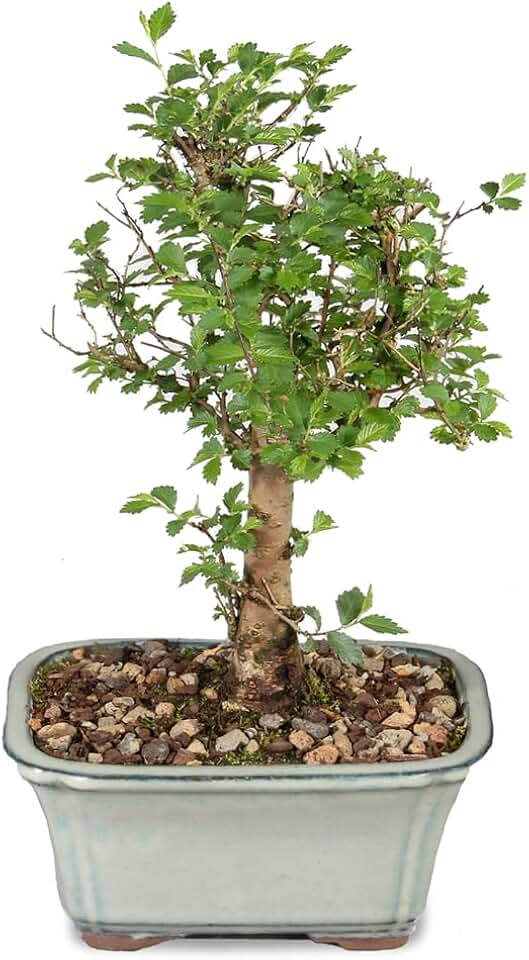

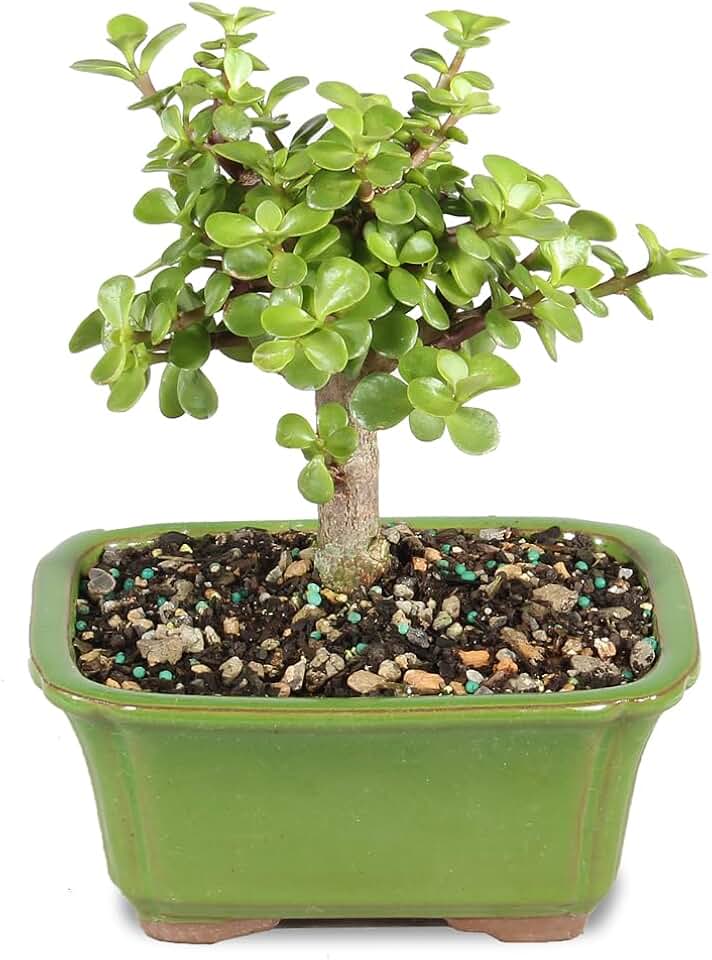
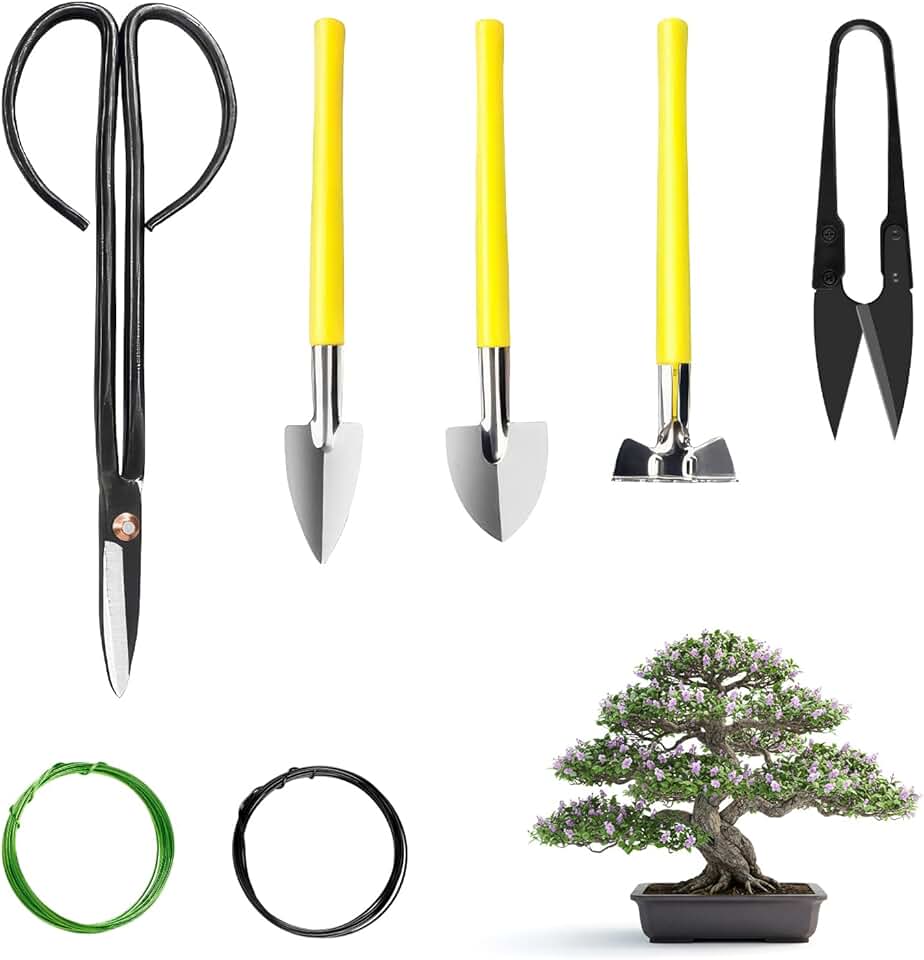

As an Amazon Associate, we may earn from qualifying purchases.
Essential care basics for new growers
Growing bonsai for beginners often feels like balancing a living sculpture, but the foundation is surprisingly straightforward. Most beginners fail not because they lack skill, but because they misunderstand the basic needs of a miniature tree. The three pillars of bonsai care—light, water, and soil—form the framework for every decision you make. If you get these right, the styling and pruning become enjoyable exercises rather than desperate attempts to save a dying plant.
Think of your bonsai not as a houseplant that sits quietly in a corner, but as a small forest tree confined to a pot. It has the same biological needs as a full-sized tree, just with a much smaller reservoir of resources. This distinction is critical. A regular houseplant can survive on neglect for weeks; a bonsai in a shallow pot can dry out in hours on a hot day. Understanding this difference is the first step toward keeping your tree alive.
Light and Placement
Light is the engine of your bonsai’s health. Without sufficient sunlight, the tree cannot photosynthesize effectively, leading to weak growth, leaf drop, and eventual decline. Most beginner-friendly bonsai trees, such as the Ficus or Chinese Elm, thrive in bright, indirect light or direct morning sun.
Place your bonsai near a south-facing window if possible, ensuring it receives at least four to six hours of light daily. If your home is dim, consider a simple LED grow light. Remember that bonsai trees are living organisms that need to feel the seasons. If you live in a climate with mild winters, moving your tree outdoors in the summer can provide the natural humidity and air circulation it craves.
Watering Correctly
Watering is the most common point of failure for new growers. The goal is not to water on a schedule, but to water when the tree needs it. A bonsai in a small pot has very little soil volume to hold moisture, meaning it can dry out quickly.
Check the soil daily by inserting your finger about an inch deep. If it feels dry, water thoroughly until water runs freely from the drainage holes. This ensures the entire root ball is hydrated. Avoid letting the tree sit in a saucer of standing water, as this can lead to root rot. The best way to learn is to feel the pot; a dry pot is significantly lighter than a wet one.
Soil and Potting
The soil in a bonsai pot is not like garden soil. It must be well-draining and aerated to prevent waterlogging while retaining enough moisture for the roots. Standard potting mix is too dense and holds too much water for a bonsai’s shallow container.
Use a specialized bonsai soil mix, typically composed of akadama, pumice, and lava rock. This blend allows water to flow through quickly while providing structure for the roots. Repotting is necessary every two to three years to refresh the soil and prune the roots, but for beginners, focus on keeping the current soil healthy before attempting this more advanced task.
Common beginner mistakes to avoid
Starting your first bonsai is a rewarding journey, but it is easy to trip up in the early stages. Most beginner failures stem from a mismatch between the tree’s needs and the owner’s environment or habits. By understanding these common pitfalls, you can ensure your chosen bonsai for beginners thrives rather than struggles.
Overwatering or underwatering
Water is the most critical element in bonsai care, yet it is also the most frequently mismanaged. Beginners often water on a fixed schedule rather than checking the soil moisture. Bonsai trees in small pots dry out quickly, but they also suffer if they sit in soggy soil, which leads to root rot. The best approach is to check the top layer of soil; if it feels dry to the touch, it is time to water thoroughly until water runs out of the drainage holes. Conversely, if the soil is damp, wait a day or two before checking again.
Placing the tree in the wrong light
Light requirements vary significantly by species. A common mistake is placing a sun-loving outdoor tree, like a Juniper, in a dim indoor corner, or keeping a tropical indoor tree, like a Ficus, in direct, scorching sun. Most beginner-friendly bonsai trees have specific light needs that must be met for them to survive. Research the light requirements of your specific tree before placing it in your home or garden. Generally, most bonsai need bright, indirect light or several hours of direct morning sun.
Neglecting seasonal changes
Bonsai trees are living organisms that respond to the seasons. A common error is treating them like static houseplants year-round. Outdoor bonsai need to experience natural temperature fluctuations, including a winter dormancy period, to stay healthy. Indoor tropical species may need adjustments in humidity and watering frequency as indoor heating or cooling systems change the air quality. Pay attention to the changing seasons and adjust your care routine accordingly to keep your bonsai balanced and healthy.
Frequently asked questions about bonsai
Bonsai for beginners often feels intimidating, but it is simply a practice of patience and observation. The trees in this guide are selected for their resilience, making the learning curve much gentler than traditional methods.
No comments yet. Be the first to share your thoughts!