

Bonsai's social media surge
2026 saw an unexpected explosion in bonsai’s popularity. It wasn't a gradual increase, but a genuine boom driven largely by short-form video platforms like TikTok and Instagram. For decades, bonsai was seen as a patient, almost meditative art – one that didn’t exactly lend itself to viral trends. Yet, here we are.
The shift seems to be about aesthetics. The carefully cultivated miniature trees, often presented in visually pleasing settings, resonated with a younger audience. There was a significant overlap with the "cottagecore" aesthetic – a romanticized vision of rural life – and bonsai fit perfectly into that world. People wanted a touch of nature, a sense of calm, and something beautiful to share online.
What's interesting is that many new enthusiasts are skipping traditional training methods and diving straight in. This has led to a demand for species that are more forgiving and visually striking. We’ll cover five bonsai tree types that benefitted from this surge in interest, and are particularly well-suited for beginners looking to get started with this rewarding hobby.
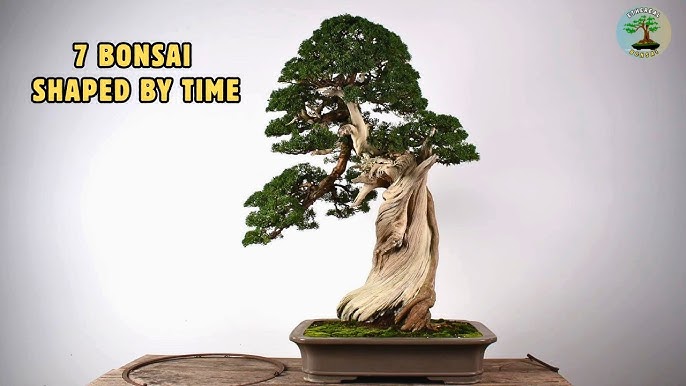
Ficus Retusa: The TikTok favorite
The Ficus Retusa, also known as the Ginseng Ficus, absolutely dominated TikTok in 2026. Its popularity stemmed from its remarkable resilience and the visually dramatic styles people were able to achieve. Unlike some bonsai, it doesn’t demand constant, meticulous care. This made it perfect for a generation accustomed to instant gratification.
One style in particular – the root-over-rock – went viral. The thick, exposed roots of the Ficus Retusa, wrapped around a stone, create a striking and almost otherworldly appearance. It’s a relatively easy style to create, even for beginners, and it photographs beautifully. People were sharing time-lapses of root growth and styling tutorials, fueling the trend.
However, even a forgiving tree like the Ficus Retusa has its pitfalls. Overwatering is the most common mistake. Soggy soil leads to root rot, which can quickly kill the tree. Ensure the soil is well-draining and only water when the top inch feels dry. Another good practice is to use a pot with drainage holes.
Propagation from cuttings is also surprisingly easy with the Ficus Retusa. Simply take a stem cutting, allow it to callous over for a few days, and then plant it in moist potting mix. Within a few weeks, you should see new roots developing. It's a great way to expand your collection or share with friends.
- Light: Bright, indirect light.
- Watering: Allow the top inch of soil to dry out.
- Soil: Well-draining bonsai mix.
- Propagation: Easily from stem cuttings.
Are you ready to find your zen? Join us as we explore the ancient Japanese art of cultivating and shaping miniature trees at our "Indoor Bonsai for Beginners" class. Learn more at https://t.co/YzoNPToQO0. pic.twitter.com/cpk3ldkeV5
— Currituck Extension (@CurrituckCES) April 26, 2026
Japanese Maple: Autumn's Instagram star
While the Ficus Retusa ruled TikTok, the Japanese Maple reigned supreme on Instagram. The stunning fall foliage, with its vibrant reds, oranges, and yellows, proved irresistible to photographers. Each autumn, feeds were flooded with images of these miniature trees ablaze with color.
There's a surprising amount of variety within Japanese Maples. Cultivars like "Bloodgood’ are known for their consistently deep red leaves, while ‘Crimson Queen" offers a more delicate, weeping form with finely dissected leaves. Choosing the right cultivar depends on your aesthetic preferences and climate.
Japanese Maples are a bit more demanding than Ficus Retusa. They need protection from harsh afternoon sun, which can scorch the leaves, and from strong winter winds. Proper placement is essential. Leaf pruning, done in late spring, can help to encourage denser growth and improve the overall shape of the tree.
Many beginners struggle with maintaining consistent moisture. They require regular watering, especially during dry spells, but also don’t like to be waterlogged. Monitoring the soil moisture and adjusting your watering schedule accordingly is key to keeping your Japanese Maple healthy and vibrant.
Chinese Elm: The Resilient Beginner
For those truly new to bonsai, the Chinese Elm is an excellent starting point. It's incredibly forgiving, able to withstand a surprising amount of pruning, and grows relatively quickly. This allows beginners to experiment with different styles and techniques without fear of permanently damaging the tree.
Chinese Elms are also highly adaptable to different climates, making them a good choice for growers in various regions. They can tolerate both full sun and partial shade, though they generally prefer at least a few hours of direct sunlight each day. This flexibility is a major advantage for beginners.
A classic style for Chinese Elms is the windswept look, achieved by carefully wiring the branches to create a sense of movement and resilience. This style mimics trees growing in exposed, windy environments. Regular repotting is also important for maintaining the health of the tree, ideally every two to three years.
One common issue with Chinese Elms is spider mites. These tiny pests can cause the leaves to become mottled and discolored. Organic control methods, such as spraying with neem oil or insecticidal soap, are usually effective in controlling infestations.
Juniper Procumbens Nana: Groundcover Bonsai
The Juniper Procumbens Nana offers a different aesthetic than the upright forms we've discussed. It’s a low, spreading juniper that’s often styled as a "landscape" bonsai – a miniature representation of a natural scene. This style is particularly appealing to those who enjoy creating miniature gardens.
What makes this juniper unique is its naturally cascading growth habit. This lends itself well to creating the illusion of a windswept hillside or a rocky outcrop. Wiring the branches can help to refine the shape and create a more dramatic effect.
Full sun and well-draining soil are absolutely essential for the Juniper Procumbens Nana. It’s highly susceptible to root rot if the soil stays too wet. A mixture of akadama, pumice, and lava rock is a good choice for bonsai soil. It needs consistent watering, but allowing the soil to dry slightly between waterings is crucial.
Unlike some other species, Junipers don't readily back-bud from old wood. This means that aggressive pruning can be risky. It's better to focus on shaping the tree through careful wiring and selective pruning of new growth.
Dwarf Jade: Succulent Simplicity
The Dwarf Jade (Portulacaria afra) was a surprising but popular addition to the bonsai world in 2026. Its drought tolerance and ease of care made it appealing to beginners who were hesitant to commit to more demanding species. It's a succulent, so its needs are quite different from traditional bonsai.
Unlike most bonsai, Dwarf Jade requires very little water. Overwatering is a surefire way to kill it. Allow the soil to dry out completely between waterings. It also prefers a well-draining soil mix, similar to what’s used for cacti and succulents. It doesn’t need the same rich, organic soil as many other bonsai.
The thick trunk and small, fleshy leaves of the Dwarf Jade give it a unique and appealing aesthetic. It can be easily propagated from leaves – simply place a leaf on top of moist soil, and it will eventually develop roots. This makes it a great option for expanding your collection quickly.
While it shares the 'bonsai' form, it's important to remember its succulent nature. It requires a lot of light, and it doesn’t tolerate frost. It's a great indoor bonsai, but it can also be grown outdoors in warmer climates.
Troubleshooting: Common 2026 Problems
Social media in 2026 was full of questions from new bonsai owners. Leaf drop was a particularly common complaint, especially with Japanese Maples. This was often caused by inconsistent watering or sudden changes in temperature. Ensuring stable conditions and proper hydration is key.
Pest infestations, particularly spider mites on Chinese Elms, were also frequently discussed. Regular inspection of the leaves and prompt treatment with organic pesticides are essential. Many growers found success with neem oil sprays.
Another recurring issue was difficulty with watering. Beginners often struggled to find the right balance – either overwatering and causing root rot, or underwatering and allowing the tree to dry out. Learning to read the signs of a thirsty or waterlogged tree is crucial.
Diagnosing problems based on leaf appearance became a common topic in online forums. Yellowing leaves often indicate overwatering or nutrient deficiencies, while brown, crispy leaves suggest underwatering or sunburn. A quick online search for 'bonsai leaf diagnosis' can be incredibly helpful.
Where to Find These Trees (and Advice)
Finding these trending bonsai species is easier than ever. Reputable online nurseries like Brussel’s Bonsai (www.brusselsbonsai.com) and Eastern Leaf (www.easternleaf.com) offer a wide selection and ship nationwide. Local bonsai shops can provide personalized advice and hands-on instruction.
Online communities and forums, such as the Bonsai Nut forums (www.bonsainut.com) and various Reddit communities (r/bonsai), are invaluable resources for beginners. You can ask questions, share your experiences, and learn from experienced growers.
The cost of these trees varies depending on size, age, and species. Ficus Retusa and Chinese Elms are generally the most affordable, starting around $30-$50. Japanese Maples and Juniper Procumbens Nana can range from $60-$150 or more. Dwarf Jade is typically in the $40-$80 range.

No comments yet. Be the first to share your thoughts!