

Small Spaces, Big Impact
The appeal of bonsai extends far beyond just a miniature tree. It’s about bringing a sense of tranquility and nature indoors, and it’s surprisingly accessible, even if you live in a small apartment. For years, the art of bonsai felt reserved for those with expansive gardens and decades of experience, but that’s simply not the case anymore. In 2026, we’re seeing a surge in indoor bonsai enthusiasm, fueled by readily available resources and modern techniques.
Bonsai, originating in ancient China and refined in Japan, is the art of cultivating trees in containers, mimicking the shape and scale of full-sized trees. It’s a practice rooted in patience, observation, and a deep connection with nature. But don't let the history intimidate you! What’s fantastic is how achievable it is for beginners. You don’t need a sprawling outdoor space; many species thrive indoors with the right care.
This guide will walk you through everything you need to know to get started with indoor bonsai, even if you've never kept a houseplant before. We’ll cover choosing the right tree, understanding its needs, and mastering the essential care techniques. The goal is to empower you to create your own little piece of living art, regardless of your experience level. It's a rewarding hobby that can bring years of enjoyment.
Top 7 Beginner Bonsai Choices
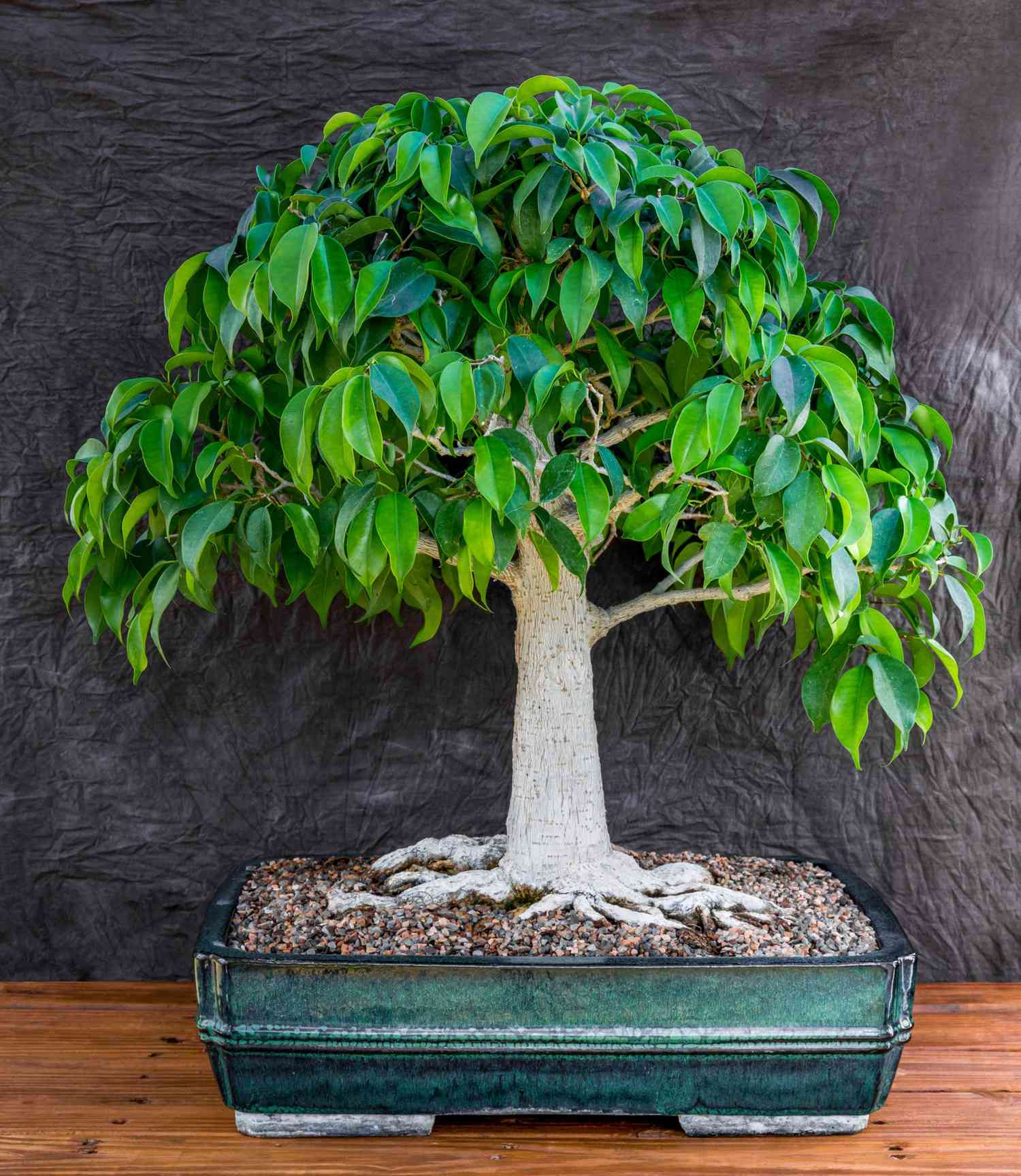
Choosing the right bonsai tree is the first, and perhaps most important, step. Some species are far more forgiving than others, making them ideal for beginners. We’ve compiled a list of seven indoor bonsai trees that are known for their resilience and adaptability. These are all readily available from nurseries and online retailers like Bonsai Outlet, which often has weekly specials.
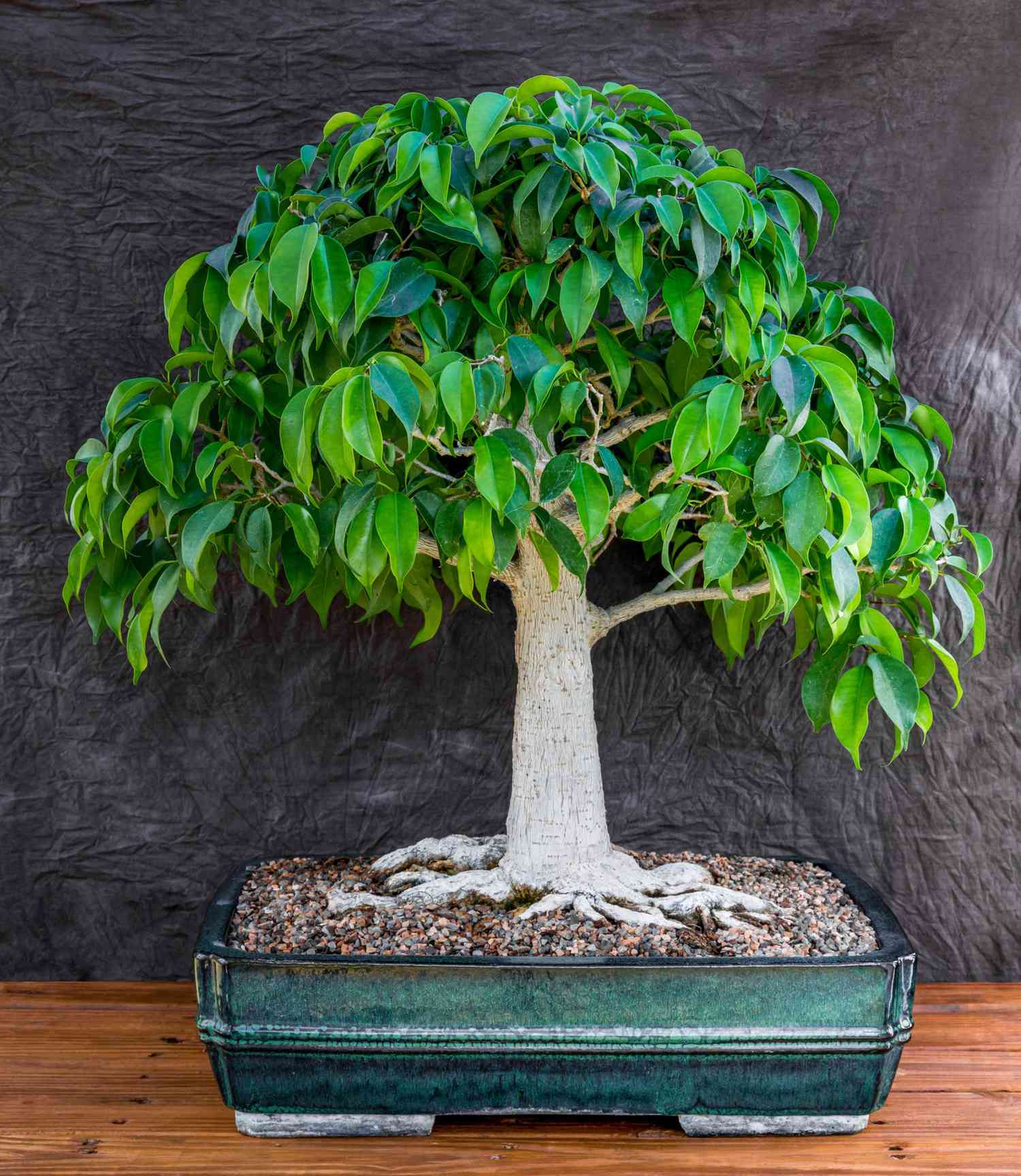
Ficus (Ficus retusa): This is arguably the most recommended bonsai for beginners. Ficus are incredibly tolerant of a wide range of conditions and can withstand some neglect. They prefer bright, indirect light and consistent moisture, but won’t suffer too much if you occasionally forget to water. Difficulty: 1/5.
Chinese Elm (Ulmus parvifolia): Known for its beautiful, textured bark and delicate leaves, the Chinese Elm is another excellent choice. They are relatively fast-growing and respond well to pruning, allowing you to shape them easily. They need bright light and moist soil. Difficulty: 2/5.
Jade (Crassula ovata): Technically a succulent, Jade plants make surprisingly good bonsai. They’re extremely drought-tolerant and require very little care. Bright light is essential for healthy growth. Be careful not to overwater! Difficulty: 1/5.
Hawaiian Umbrella (Schefflera arboricola): This tree is known for its distinctive umbrella-shaped canopy. It’s very adaptable and can tolerate low light conditions, making it a good option for beginners with less-than-ideal lighting. Difficulty: 2/5.
Dwarf Schefflera (Schefflera arboricola "Compacta"): A smaller version of the Hawaiian Umbrella, the Dwarf Schefflera is perfect for smaller spaces. It shares the same easy-care requirements. Difficulty: 2/5.
Serissa foetida (Snowrose): This tree offers beautiful, delicate flowers and attractive foliage. It requires a bit more attention than some of the other options, but it’s still relatively easy to care for. It enjoys bright, indirect light and consistent moisture. Difficulty: 3/5.
Portulacaria afra (Dwarf Jade): Similar in care to the Jade plant, the Portulacaria afra is a succulent that can be shaped into a beautiful bonsai. It thrives in bright light and well-draining soil. Difficulty: 1/5. Jelle from Growing Bonsai on YouTube highlights the importance of choosing a healthy starting plant, and these species consistently rank well for beginner success.
Essential Tools for Your First Indoor Bonsai Tree
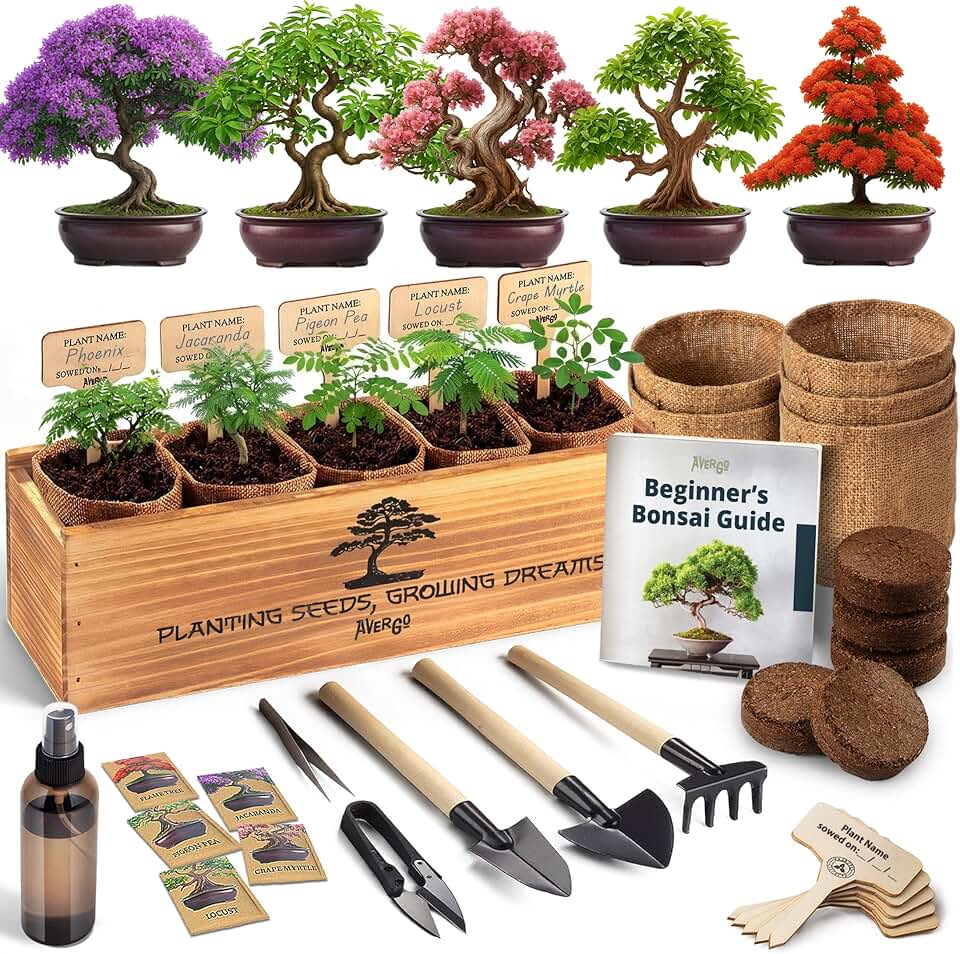
Includes 5 unique Japanese bonsai tree seeds · Complete starter kit for indoor growing · Suitable for DIY gardening and gifting
This kit offers a complete and engaging starting point for beginners interested in cultivating multiple bonsai trees from seed.

Long probe for deep soil penetration · Accurate moisture level indication · Suitable for indoor and outdoor plants
Essential for beginners to accurately gauge soil moisture, preventing critical watering mistakes that can harm young bonsai.

8-inch professional titanium bypass blades · Provides clean cuts for healthy plant growth · Ergonomic design for comfortable use
High-quality pruning shears are crucial for precise trimming and shaping, allowing beginners to maintain their bonsai's aesthetic.
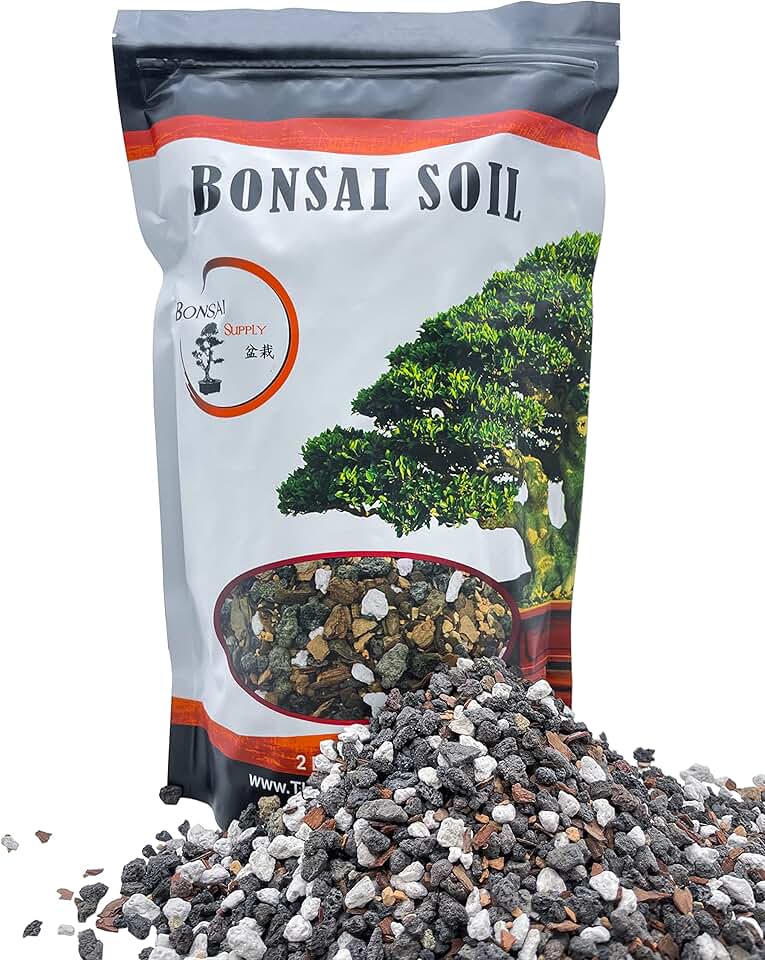
Fast-draining, all-purpose bonsai soil mix · Contains pumice, lava, calcined clay, and pine bark · 2-quart bag provides ample soil for multiple projects
A proper, fast-draining soil mix is fundamental for bonsai health, and this pre-blend simplifies the process for beginners.

10oz (300ml) capacity · Adjustable nozzle for mist or stream settings · BPA-free plastic with ergonomic grip
Ideal for providing the necessary humidity and gentle watering that bonsai require, especially in dry indoor environments.
As an Amazon Associate I earn from qualifying purchases. Prices may vary.
Decoding Bonsai Terminology
Bonsai, like any art form, has its own unique vocabulary. Understanding these terms will help you navigate more advanced resources and communicate effectively with other bonsai enthusiasts. Don't feel pressured to memorize everything at once, but familiarizing yourself with these concepts will be beneficial.
Potting mix: This isn’t your typical garden soil. Bonsai require a well-draining mix that allows air to reach the roots. Common components include akadama (a baked clay), pumice, and lava rock. These materials provide drainage, aeration, and some nutrient retention.
Root pruning: Regularly trimming the roots helps to control the size of the tree and encourages healthy growth. It’s typically done during repotting. This is a critical step in maintaining the bonsai’s miniature size.
Wiring: Using aluminum or copper wire to gently shape the branches. This allows you to train the tree into a desired style. It’s important to apply the wire carefully to avoid damaging the bark.
Decandling: Removing new growth (candles) on pine bonsai to control growth and promote back budding. This technique is specific to pine species.
Jin/Shari: These are techniques used to create the appearance of age and weathering on a bonsai. Jin refers to deadwood on branches, while shari refers to deadwood on the trunk. These are advanced techniques, but knowing the terms is a good start.
Watering & Humidity: The Balancing Act
Watering and humidity are arguably the most challenging aspects of bonsai care for beginners. Indoor environments are often dry, and improper watering is a common cause of bonsai failure. The key is to find a balance that keeps the soil consistently moist but not soggy.
A helpful method is the "chopstick test’. Insert a wooden chopstick into the soil; if it comes out clean, it’s time to water. If it"s damp, wait a day or two. Well-draining soil is absolutely essential. Avoid using standard potting soil, as it retains too much water. Remember, overwatering is far more detrimental than underwatering.
To increase humidity, you can use a humidity tray. Fill a tray with pebbles and water, then place the bonsai pot on top of the pebbles (making sure the pot isn’t sitting in the water). Misting can also help, but it’s a temporary solution. Consider a humidifier if you live in a particularly dry climate. Environmental factors like temperature and airflow will also influence how quickly the soil dries out.
Light Requirements: Finding the Sweet Spot
Different bonsai species have different light requirements. Generally, most indoor bonsai prefer bright, indirect light. Avoid placing your tree in direct sunlight, which can scorch the leaves. However, insufficient light can lead to weak growth and leggy branches.
Signs of insufficient light include pale leaves, slow growth, and long spaces between leaves. If you notice these symptoms, try moving your bonsai to a brighter location or supplementing with a grow light. LED grow lights are energy-efficient and effective for providing the necessary light spectrum.
The intensity and duration of light exposure are crucial. Most bonsai need at least 6-8 hours of light per day. If you don’t have access to enough natural light, a full-spectrum LED grow light is a great investment. Consider lights specifically designed for plants, as they emit the wavelengths most beneficial for photosynthesis.
Repotting & Soil: Giving Roots Room to Grow
Repotting is essential for maintaining the health of your bonsai. It provides fresh soil, allows you to prune the roots, and prevents the tree from becoming root-bound. The ideal time for repotting is typically in the spring, just before the growing season begins.
The best type of bonsai soil is a well-draining mix that provides aeration and allows for healthy root growth. A common mix consists of akadama, pumice, and lava rock in varying ratios, depending on the species. Jelle’s YouTube video demonstrates a good basic soil mix recipe.
During repotting, gently remove the tree from its pot and carefully tease apart the roots. Use sharp, clean scissors to prune away any circling or congested roots. Repot the tree in a slightly larger pot with fresh bonsai soil. Avoid compacting the soil too tightly.
Troubleshooting Common Issues
Even with the best care, bonsai can sometimes encounter problems. Common issues include pests, diseases, and leaf drop. Early detection and prompt treatment are crucial for preventing these problems from becoming severe.
Pests: Spider mites and aphids are common pests that can infest bonsai. Inspect your tree regularly for signs of infestation, such as webbing or small insects on the leaves. Treat infestations with insecticidal soap or neem oil.
Diseases: Root rot and fungal infections are often caused by overwatering or poor drainage. Ensure your bonsai is planted in well-draining soil and avoid letting the soil stay soggy. If you suspect a fungal infection, treat with a fungicide.
Leaf drop: Leaf drop can be caused by a variety of factors, including stress, changes in environment, or improper watering. Identify the underlying cause and adjust your care accordingly. Preventative care, such as providing adequate light, water, and humidity, is the best way to minimize these issues.
Beyond the Basics: Expanding Your Skills
Once you’ve mastered the basics of bonsai care, you can begin to explore more advanced techniques. Wiring allows you to shape the branches and create different bonsai styles. Pruning helps to maintain the tree’s size and shape, and encourages new growth.
There are numerous resources available for further learning. Books like "Bonsai Life Lessons" by Peter Chan offer insights into the philosophy and techniques of bonsai. Websites like Bonsai Empire provide a wealth of information. Joining a local bonsai club is a great way to connect with other enthusiasts and learn from their experience.
Bonsai is a lifelong learning journey. Don’t be afraid to experiment and make mistakes. The most important thing is to enjoy the process and appreciate the beauty of these miniature trees. It requires patience and dedication, but the rewards are well worth the effort.
No comments yet. Be the first to share your thoughts!