

Indoor Bonsai: A Beginner's Start
The art of bonsai, traditionally associated with serene Japanese gardens, is surprisingly accessible to anyone with a bit of patience and the right information. Many people assume it’s an incredibly difficult hobby, requiring years of training, but that’s simply not true. Modern cultivars and readily available resources make starting with indoor bonsai easier than ever before. It's a fantastic way to bring a touch of nature indoors and cultivate a unique, living piece of art.
The history of bonsai stretches back over a thousand years, originating in China before being refined in Japan. Originally a practice reserved for the elite, it slowly became more widespread. While the historical context is fascinating, the focus for a beginner should be on the present: enjoying the process of nurturing a miniature tree. New, more resilient cultivars are becoming available, and online communities offer a wealth of support and guidance.
Don't let limited space deter you. Bonsai are versatile and can thrive in apartments, offices, or any indoor environment with adequate light. The key is choosing the right species and providing consistent care. It’s a hobby that teaches patience, observation, and a deeper connection with the natural world. Anyone, regardless of their gardening experience, can successfully grow a beautiful indoor bonsai with a little dedication.
The feeling of accomplishment when you see a bonsai flourish under your care is incredibly rewarding. It's not just about the aesthetic appeal of a miniature tree; it's about the mindful practice of nurturing life and creating something beautiful over time. The initial investment doesn’t have to be substantial, and the ongoing care is manageable even with a busy lifestyle.
Top 7 Beginner-Friendly Indoor Bonsai
Choosing the right species is the most important step for a beginner. Some bonsai are much more forgiving than others. Here are seven excellent choices, with details to help you succeed. Each is rated on a difficulty scale of 1 to 5, with 1 being the easiest to care for.
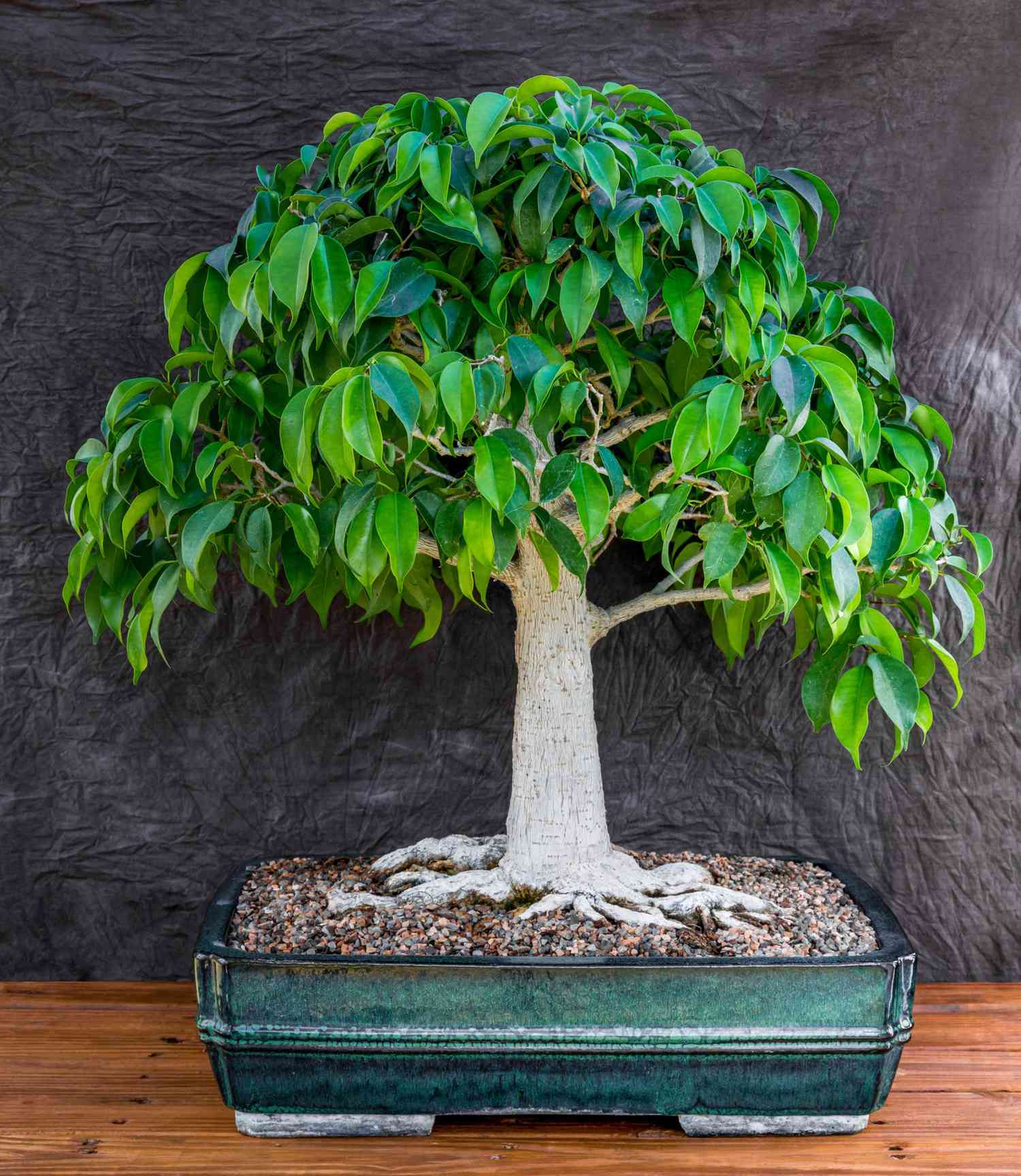
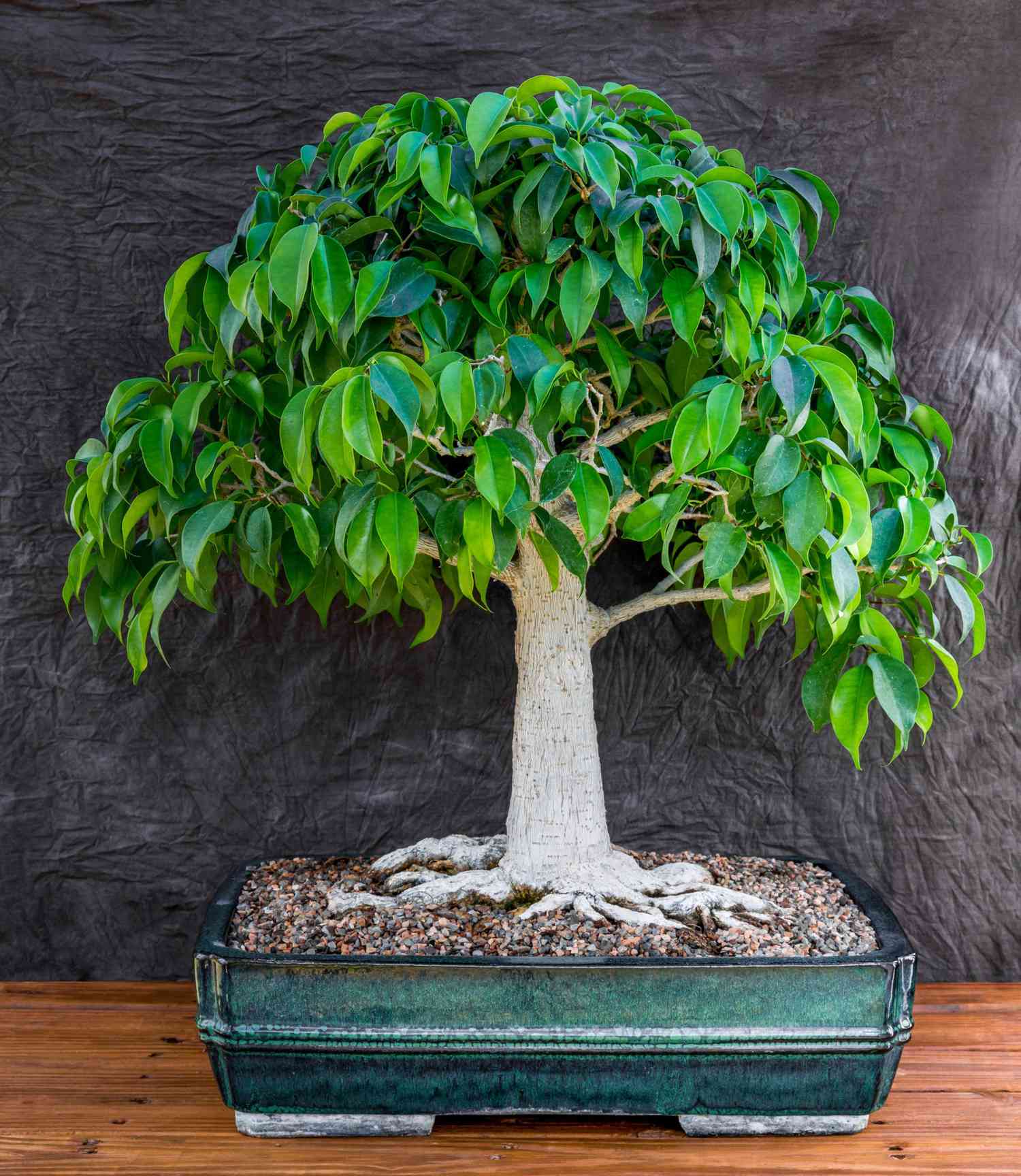
1. Ficus (Difficulty: 1/5). Ficus, particularly Ficus retusa, is remarkably adaptable and tolerant of beginner mistakes. They thrive in bright, indirect light and prefer consistent moisture, but can tolerate some drying out. Common problems include scale insects, which are easily treated with insecticidal soap. They can handle lower humidity well, but benefit from occasional misting. Expect to water when the top inch of soil is dry.
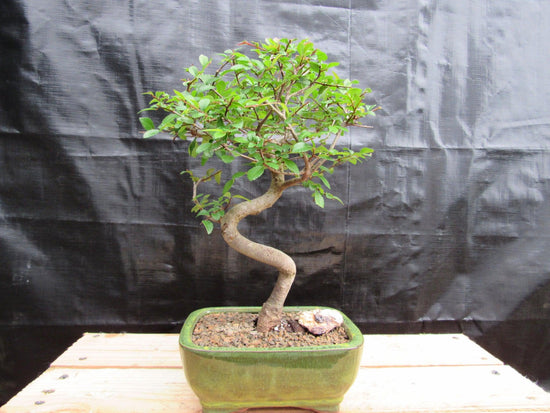
2. Chinese Elm (Difficulty: 2/5). The Chinese Elm (Ulmus parvifolia) is a popular choice for its graceful, cascading branches and textured bark. They prefer bright, indirect light and consistent watering, but don’t like to be soggy. They benefit from regular pruning to maintain their shape. Watch out for spider mites, especially in dry environments. A good rule of thumb is to water when the topsoil feels dry to the touch.
3. Jade Plant (Difficulty: 2/5). Crassula ovata, commonly known as the Jade Plant, is a succulent that's incredibly easy to propagate and care for. They need bright light and very infrequent watering – allowing the soil to dry completely between waterings is crucial. Overwatering is the biggest killer of Jade Plants. They are relatively pest-resistant but can occasionally attract mealybugs.
4. Hawaiian Umbrella Tree (Difficulty: 2/5). Schefflera arboricola is known for its charming umbrella-like canopy. They prefer bright, indirect light and moderate humidity. They can tolerate some neglect, making them a good choice for beginners. However, they are sensitive to cold drafts. Water when the top inch of soil is dry, and ensure good drainage.
5. Dwarf Schefflera (Difficulty: 3/5). Similar to the Hawaiian Umbrella Tree but smaller in scale, the Dwarf Schefflera offers a more compact option. They have similar light and water requirements, but can be a bit more sensitive to overwatering. Regular pruning helps maintain their shape. I've found they appreciate a slightly acidic soil mix.
6. Serissa foetida (Difficulty: 3/5). Also known as the Snowrose, Serissa foetida produces delicate white flowers and has attractive, textured bark. They require bright, indirect light and consistent moisture, but are prone to dropping leaves if disturbed. Maintaining consistent conditions is key to success with Serissa. They are susceptible to scale insects, so regular inspection is important.
7. Portulacaria afra (Difficulty: 3/5). Often called the Dwarf Jade, Portulacaria afra is another succulent that’s relatively easy to care for. Like the Jade Plant, it needs bright light and infrequent watering. It’s drought-tolerant and can handle a bit of neglect. Be careful not to overwater, as this can lead to root rot.
Essential Gear for Your Indoor Bonsai Journey

Live Ginseng Ficus bonsai tree · Suitable for indoor environments · Comes in a 6-inch plastic grower pot
This hardy and visually interesting bonsai is forgiving for beginners and provides an immediate green presence.

Ceramic construction for durability · Helps maintain humidity · Catches excess water
Crucial for preventing root rot and protecting furniture by managing water runoff and maintaining essential humidity.

Fast-draining bonsai soil mix · Contains lava, limestone, pearock, calcined clay, and pinebark · Suitable for indoor and outdoor use
Provides the ideal well-draining and aerated environment necessary for bonsai root health, preventing overwatering issues.

Stainless steel construction · 40mm straight blade for precise cuts · Anti-slip softgrip handle
Essential for accurate pruning and shaping, these shears allow for clean cuts that promote healthy growth and maintain the bonsai's aesthetic.

250ml (8oz) capacity · Flexible plastic for controlled watering · Ideal for precise watering of bonsai and succulents
Enables precise and controlled watering, preventing over-saturation which is critical for the health of delicate bonsai roots.
As an Amazon Associate I earn from qualifying purchases. Prices may vary.
Essential Tools & Supplies
While you can start with a basic kit, having the right tools makes bonsai care much easier and more effective. Gradually building your collection is a good investment. You can find bonsai-specific tools online or at specialty nurseries.
Pruning Shears: A good pair of concave pruning shears is essential for removing branches and shaping your bonsai. They create a clean cut that heals quickly. I recommend the Kikuwa 165mm Professional Bonsai Shears – they’re a bit of an investment, but they’ll last a lifetime. Cheaper shears can crush the branches instead of cleanly cutting them.
Wire Cutters: Used for removing bonsai wire without damaging the bark. Aluminum or copper wire is used to shape branches, and proper wire cutters are crucial. A good pair will cost around $20-$30.
Root Hook: A root hook is used to gently loosen and untangle roots during repotting. This is important for maintaining root health and encouraging new growth. A small metal hook with a curved end works well.
Bonsai Soil: Regular potting soil is too dense for bonsai. You need a well-draining mix that provides aeration for the roots. A typical mix includes akadama, pumice, and lava rock. The ratio depends on the species, but a 1:1:1 ratio is a good starting point.
Pots: Bonsai pots are specifically designed for bonsai trees, with drainage holes and a shallow depth. Choose a pot that complements the style of your tree. Unglazed pots are often preferred for deciduous trees, while glazed pots are suitable for evergreens.
Watering Can: A watering can with a fine rose head is ideal for gently watering your bonsai without disturbing the soil. Avoid using a hose or a harsh spray, as this can damage the leaves and roots. For beginners, DIY options include repurposing old spray bottles or using a small pitcher.
Watering & Humidity: Getting it Right
Watering is arguably the most challenging aspect of bonsai care for beginners. Overwatering is a common mistake, leading to root rot. The 'soak and dry' method is the most effective approach. Water thoroughly until water drains from the bottom of the pot, then allow the soil to dry out somewhat before watering again.
Assessing soil moisture is crucial. Don’t rely on a schedule – check the soil daily. Stick your finger about an inch into the soil. If it feels dry, it’s time to water. If it feels damp, wait a day or two. The weight of the pot can also be a good indicator; a dry pot will be significantly lighter. Different species have different needs; Ficus can tolerate drier conditions than Chinese Elms.
Humidity is also important, especially for indoor bonsai. Most homes have relatively low humidity, particularly during the winter. Increase humidity by misting your bonsai regularly, placing it on a pebble tray filled with water, or using a humidifier. Grouping plants together can also help create a more humid microclimate. A simple humidity tray – a shallow dish filled with pebbles and water, keeping the pot above the water level – yields good results.
Pay attention to your tree. Drooping leaves can indicate both underwatering and overwatering, so check the soil moisture before panicking. Yellowing leaves often signal overwatering or poor drainage. Observing your bonsai closely will help you learn its individual needs and adjust your care accordingly.
Light & Location: Finding the Sweet Spot
Light is essential for photosynthesis and overall bonsai health. Indoor bonsai need bright, indirect light. Direct sunlight can scorch the leaves, while insufficient light can lead to weak growth and leaf drop. The right location is key.
East- or west-facing windows are generally best, providing several hours of bright, indirect light. South-facing windows can be too intense, but you can filter the light with a sheer curtain. North-facing windows typically don’t provide enough light. If natural light is limited, consider using grow lights. LED grow lights are energy-efficient and effective.
Recognize the signs of insufficient light. Leggy growth (long, spindly branches), small leaves, and pale coloration all indicate that your bonsai isn’t getting enough light. Conversely, scorched leaves or faded coloration suggest too much direct sunlight. Adjust the location or use a filter to correct the problem.
Repotting & Soil Changes
Repotting is necessary to refresh the soil, prune the roots, and maintain the health of your bonsai. Over time, the soil becomes compacted and depleted of nutrients. Root pruning helps to control the size of the tree and encourages new growth. The frequency of repotting depends on the species and the age of the tree; young trees need repotting every 1-2 years, while older trees can go 3-5 years between repotting.
The best time of year to repot is typically in early spring, just before new growth begins. Gently remove the tree from its pot and inspect the roots. Use a root hook to carefully loosen and untangle the roots. Prune away about one-third of the roots, focusing on thick, circling roots to encourage finer root growth.
When repotting, use a well-draining bonsai soil mix. A typical mix consists of akadama, pumice, and lava rock. The ratio of these components depends on the species. Ensure the pot has adequate drainage holes. After repotting, water the tree thoroughly and protect it from direct sunlight for a few weeks. Using a mesh screen over the drainage holes prevents soil loss.
Choosing the right pot size is also important. Use a pot that’s slightly larger than the previous one. Avoid using a pot that’s significantly larger, as this can lead to overwatering and root rot. The pot should complement the style and shape of your bonsai.
Recommended Soil Mixes for Common Indoor Bonsai Species
| Species | Climate | Soil Mix Recommendation | Notes |
|---|---|---|---|
| Ficus (various) | Dry | Akadama-based (60%) / Pumice (20%) / Lava Rock (20%) | Ficus are adaptable, but prefer a well-draining mix to prevent root rot. Adjust pumice/lava rock ratio for faster or slower drainage. |
| Chinese Elm | Humid | Akadama (50%) / Kiryu (30%) / Pumice (20%) | Chinese Elms benefit from a mix that retains some moisture but still provides aeration. Kiryu adds weight for stability. |
| Jade (Crassula ovata) | Dry | Cactus/Succulent Mix (80%) / Pumice (20%) | Jade requires extremely well-draining soil due to its succulent nature. Avoid mixes that hold too much water. |
| Dwarf Schefflera | Humid | Akadama (40%) / Lava Rock (30%) / Pine Bark (30%) | Schefflera appreciates a slightly acidic mix. Pine bark helps with drainage and aeration while providing some organic matter. |
| Serissa foetida (Snowrose) | Moderate | Akadama (50%) / Kanuma (30%) / Pumice (20%) | Snowrose prefers a slightly acidic mix. Kanuma is particularly beneficial for acid-loving bonsai, aiding in root health. |
| Hawaiian Umbrella Tree | Humid | Akadama (40%) / Lava Rock (30%) / Coir (30%) | Coir provides good water retention, suitable for the Hawaiian Umbrella Tree’s preference for consistent moisture, but ensure good drainage. |
| Portulacaria afra (Dwarf Jade) | Dry | Cactus/Succulent Mix (70%) / Lava Rock (30%) | Similar to Jade, Portulacaria requires excellent drainage. Lava rock increases aeration and prevents compaction. |
Illustrative comparison based on the article research brief. Verify current pricing, limits, and product details in the official docs before relying on it.
Troubleshooting Common Problems
Even with the best care, bonsai can sometimes encounter problems. Early detection and prompt treatment are essential. Here are some common issues and how to address them.
Yellowing Leaves: This can be caused by overwatering, underwatering, nutrient deficiencies, or pests. Check the soil moisture and adjust your watering accordingly. Fertilize your bonsai during the growing season. Inspect for pests.
Leaf Drop: Leaf drop can be caused by stress, such as sudden changes in temperature, light, or humidity. It can also be a sign of overwatering or underwatering. Provide consistent conditions and adjust your care as needed. Serissa foetida is particularly prone to leaf drop if disturbed.
Pests: Common bonsai pests include spider mites, aphids, and scale insects. Spider mites appear as tiny webs on the leaves. Aphids are small, pear-shaped insects that suck sap from the leaves. Scale insects are small, immobile bumps that attach to the stems and leaves. Treat pests with insecticidal soap or neem oil.
Root Rot: Root rot is caused by overwatering and poor drainage. The roots will become mushy and brown. Repot the tree in fresh, well-draining soil and prune away any affected roots. Improve drainage and adjust your watering habits. Prevention is key – avoid overwatering!
No comments yet. Be the first to share your thoughts!