

Getting started with bonsai
The art of bonsai, traditionally associated with serene Japanese gardens, might seem intimidating. However, growing bonsai is achievable for anyone, even without a green thumb. It combines horticulture with artistic expression, and the results can be rewarding.
Bonsai originated in China over a thousand years ago, evolving from bringing miniature trees indoors. It was later refined in Japan. The appeal lies in creating a living sculpture, a tiny tree embodying nature's beauty and resilience. While outdoor bonsai are stunning, indoor varieties offer a great entry point for beginners.
Many people worry they need a large space or endless hours for bonsai. This isn’t true for indoor trees. A sunny windowsill and regular attention are often sufficient. A common misconception is that bonsai are delicate and difficult to care for, but with the right species and basic understanding, they can thrive indoors for decades. This guide focuses on low-light varieties, making it easier to start.
We’ll cover choosing the right tree, understanding its basic needs, and how to shape it as it grows. Experiment and learn as you go. Bonsai is a journey, and nurturing a tiny tree can be satisfying. It’s about connection, patience, and appreciating nature.
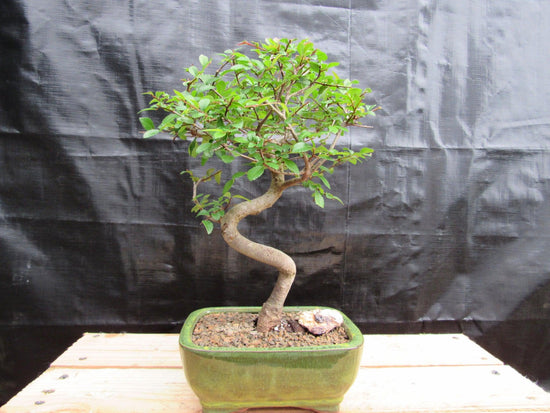
Top low-light indoor bonsai choices
Choosing the right tree is the most important first step. Some species are much more tolerant of indoor conditions and lower light levels than others. Here are seven excellent choices for beginners, ranked with an eye toward ease of care and availability. Keep in mind 'low light' doesn't mean no light – these trees still need some, but they can handle less direct sunlight than many other bonsai.
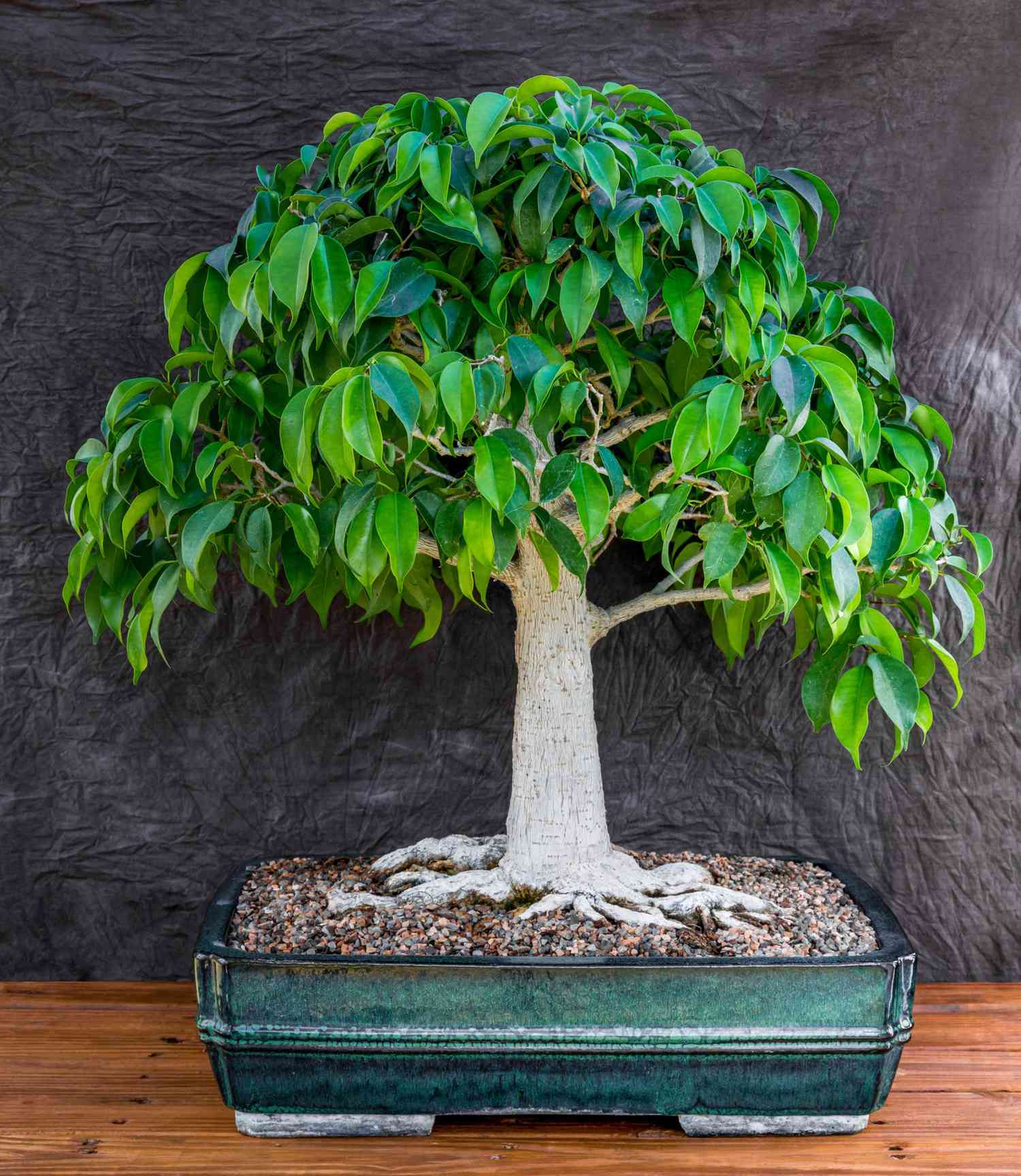
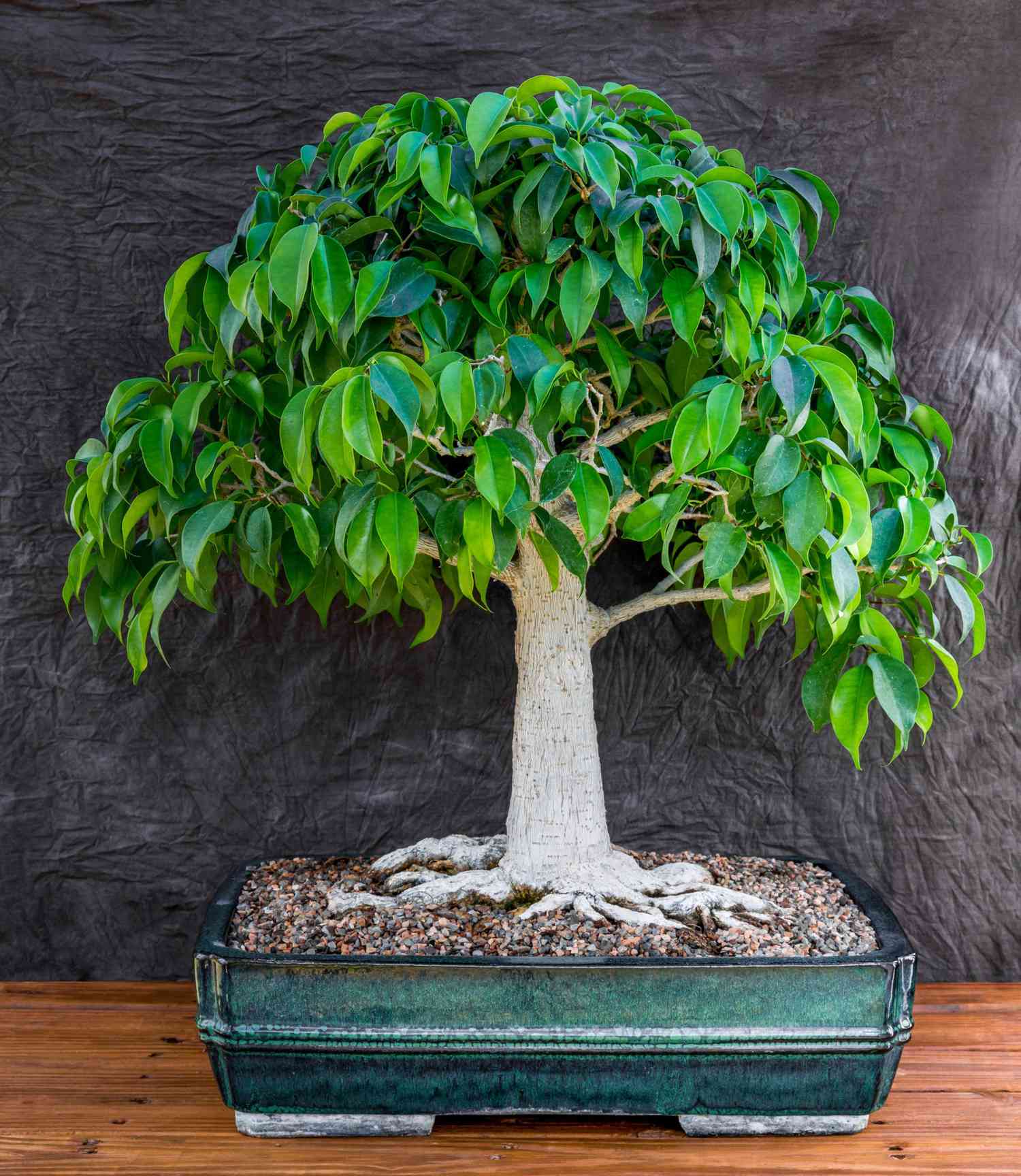
1. Ficus retusa (Retusa Fig): This is arguably the most beginner-friendly indoor bonsai. It’s incredibly forgiving, tolerates a wide range of conditions, and readily adapts to pruning. Ficus retusa has attractive, glossy leaves and develops interesting aerial roots as it matures. Light requirements: Bright indirect light is ideal, but it can tolerate lower light levels. Watering: Allow the soil to dry out slightly between waterings. Potential challenges: Susceptible to scale insects, but easily treated.
2. Chinese Elm (Ulmus parvifolia): A classic choice for indoor bonsai, the Chinese Elm is known for its delicate branching and attractive bark. It’s relatively fast-growing, making it a good option for those who want to see quick results. Light requirements: Prefers bright, indirect light, but can handle some shade. Watering: Keep the soil consistently moist, but not soggy. Potential challenges: Can be prone to spider mites in dry conditions.
3. Dwarf Jade (Portulacaria afra): Despite the name, this isn’t a true jade plant. It’s a succulent that’s remarkably easy to care for and can tolerate neglect. Dwarf Jade has small, fleshy leaves and develops a thick, woody trunk over time. Light requirements: Prefers bright, indirect light, but can tolerate low light. Watering: Water thoroughly when the soil is completely dry. Potential challenges: Overwatering is the biggest risk.
4. Hawaiian Umbrella Tree (Schefflera arboricola): This tree is known for its distinctive umbrella-shaped canopy and glossy, divided leaves. It's very adaptable and easy to propagate. Light requirements: Thrives in bright, indirect light, but can tolerate low light. Watering: Allow the soil to dry out slightly between waterings. Potential challenges: Can be susceptible to spider mites.
5. Serissa foetida (Snowrose): Serissa foetida is a beautiful bonsai with delicate, small leaves and fragrant white flowers. It requires a bit more attention than some of the other options, but it’s well worth the effort. Light requirements: Bright, indirect light is essential. Watering: Keep the soil consistently moist, but not soggy. Potential challenges: Prone to leaf drop if stressed by inconsistent watering or temperature changes.
6. Dwarf Schefflera (Schefflera arboricola 'Compacta'): A more compact version of the Hawaiian Umbrella Tree, the Dwarf Schefflera is ideal for smaller spaces. It’s just as easy to care for and offers the same attractive foliage. Light requirements: Bright, indirect light. Watering: Allow the soil to dry out slightly between waterings. Potential challenges: Similar to the Hawaiian Umbrella Tree – watch for spider mites.
7. Portulacaria afra (Dwarf Jade): This is a remarkably easy to care for succulent that tolerates a wide range of conditions. It’s a great choice for beginners who are prone to forgetting to water their plants. Light requirements: Bright, indirect light, but can handle low light. Watering: Water thoroughly only when the soil is completely dry. Potential challenges: Overwatering is the biggest risk, leading to root rot.
Featured Products

Complete starter kit for growing bonsai indoors · Includes live plants and all necessary supplies · Suitable as a gift for various occasions
This kit provides a comprehensive introduction to bonsai cultivation, making it an excellent choice for beginners looking to start their indoor collection.
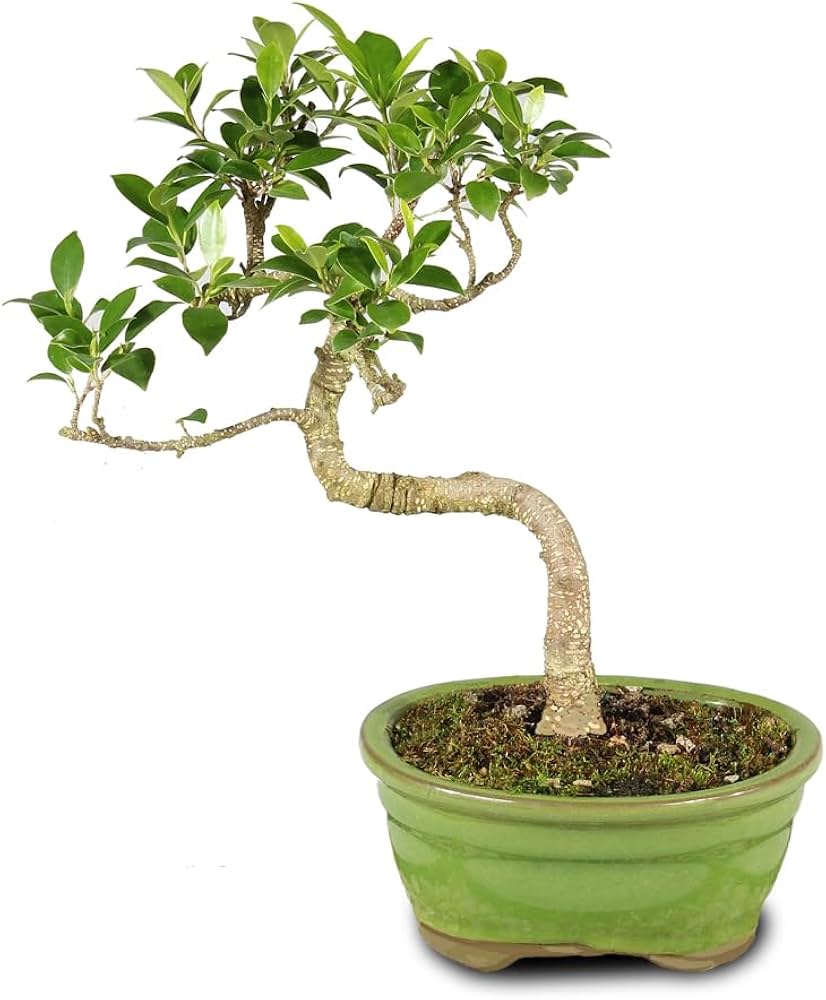
Live Ficus bonsai tree · Beginner-friendly care requirements · Includes pot and soil for immediate planting
The Ficus is a popular choice for beginners due to its resilience and adaptability to indoor environments, making this a reliable option for a first bonsai.

Grow four different types of bonsai indoors · Complete starter kit with pots and peat pellets · Includes a bonus grow guide for beginners
This kit offers variety by allowing users to grow multiple bonsai types, supported by essential materials and guidance for a successful start.

Live Dwarf Jade bonsai tree · Easy-care succulent houseplant · Comes in a ceramic bonsai pot, 3 years old, 5-8 inches tall
The Dwarf Jade is known for its forgiving nature and attractive succulent foliage, making it an ideal and low-maintenance option for beginner bonsai enthusiasts.
Complete starter kit for growing bonsai indoors · Includes live plants and all necessary supplies · Suitable as a gift for various occasions
This kit provides a comprehensive introduction to bonsai cultivation, making it an excellent choice for beginners looking to start their indoor collection.
As an Amazon Associate I earn from qualifying purchases. Prices may vary.
Light, water, and humidity needs
Successfully growing indoor bonsai hinges on understanding the interplay of light, water, and humidity. These three elements are interconnected, and getting them right is essential for the health and vitality of your tree. Let’s break down each one, specifically as it relates to the trees we’ve discussed.
Light: While we’ve focused on low-light varieties, all bonsai need some light. "Low light’ doesn’t mean a dark corner; it means they can tolerate less direct sunlight than other houseplants. For Ficus retusa and Chinese Elms, a north- or east-facing window is often ideal. Dwarf Jade and Portulacaria afra can handle even less light, but will grow more slowly. If you notice leggy growth (long, sparse branches), it’s a sign your tree isn"t getting enough light. Consider supplementing with a grow light.
Water: Proper watering is critical. Overwatering is far more common – and more deadly – than underwatering. The key is to allow the soil to dry out slightly between waterings. Stick your finger about an inch into the soil; if it feels dry, it’s time to water. When you do water, water thoroughly until water drains from the drainage holes. This ensures the entire root ball is moistened. For succulents like Dwarf Jade, allow the soil to dry out completely before watering. The Central Florida Bonsai Club handbook emphasizes the importance of well-draining soil, which we'll discuss later.
Humidity: Indoor environments are often dry, especially during winter months. This can be a challenge for bonsai, as they prefer higher humidity levels. You can increase humidity by grouping plants together, placing your bonsai on a pebble tray filled with water (making sure the pot isn't sitting in the water), or using a humidifier. Misting can provide temporary relief, but it’s not a long-term solution. Serissa foetida, in particular, benefits from higher humidity.
Repotting and soil
Repotting is essential for maintaining the health of your bonsai. Over time, the soil becomes compacted, reducing drainage and aeration. Repotting allows you to refresh the soil, prune the roots, and provide your tree with a new lease on life. Generally, young, fast-growing trees need to be repotted every 1-2 years, while older, slower-growing trees can be repotted every 3-5 years.
The right soil mix is as important as repotting. Standard potting soil is too dense for bonsai. A well-draining mix is crucial to prevent root rot. A common mix uses akadama (a Japanese clay granule), pumice, and lava rock, providing excellent drainage and aeration. Pre-mixed bonsai soil is also available online and at specialty nurseries.
Repotting Steps: 1. Gently remove the tree from its pot. 2. Use a chopstick or root hook to carefully loosen the roots. 3. Prune away about one-third of the roots, focusing on circling or congested roots. 4. Place a layer of fresh bonsai soil in the bottom of the new pot. 5. Position the tree in the pot and fill the remaining space with soil. 6. Water thoroughly. Be gentle; you don’t want to damage the roots. Avoid repotting during the tree’s active growth period.
Pruning and shaping techniques
Pruning and shaping are what truly transform a regular tree into a bonsai. These techniques allow you to control the tree’s growth, create a desired aesthetic, and maintain its miniature size. There are two main types of pruning: maintenance pruning and structural pruning.
**Maintenance pruning involves removing new growth to maintain the tree’s shape and size, done regularly throughout the growing season. Structural pruning is more drastic, removing larger branches to create the tree’s basic framework, typically during the dormant season. Don’t be afraid to prune; most bonsai trees are resilient and respond well.
**Wiring is another technique used to shape bonsai, involving wrapping branches with wire to bend them into a desired position. However, wiring can be tricky and damage bark if done incorrectly. Beginners should start with simpler techniques like pinching and pruning. Pinching removes new shoot tips to encourage branching. Different bonsai styles, like informal upright or cascade, are achieved through pruning and wiring.
Bonsai is an art form with no hard and fast rules. Experiment with techniques and find what works best for you and your tree. Observe how your tree responds to pruning and adjust your approach. It’s a learning process.
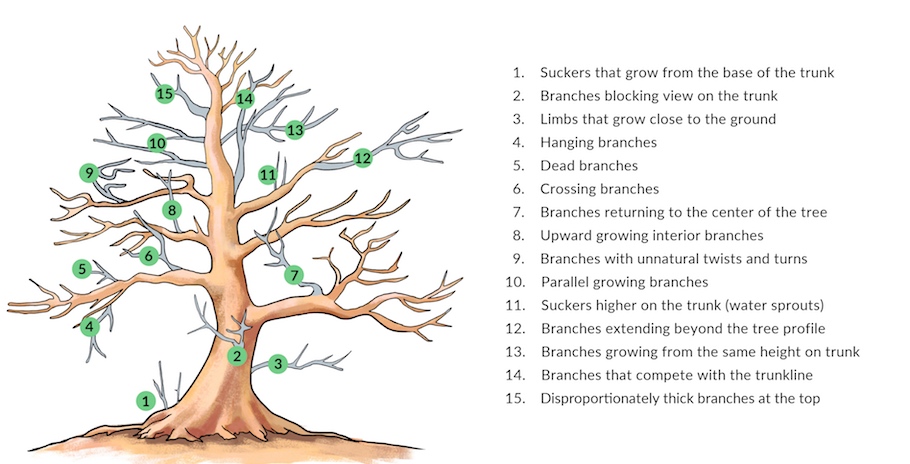
Troubleshooting: Common Problems & Solutions
Even with the best care, problems can arise. Here are some common issues and how to address them. Yellowing leaves can be a sign of overwatering, underwatering, nutrient deficiency, or pest infestation. Check the soil moisture and adjust your watering accordingly. If you suspect a nutrient deficiency, consider fertilizing with a balanced bonsai fertilizer. Leaf drop can be caused by stress, such as sudden changes in temperature or inconsistent watering. Try to provide a stable environment for your tree.
Pests are a common problem, especially spider mites and scale insects. Inspect your tree regularly for signs of infestation. If you find pests, you can try wiping them off with a damp cloth or using insecticidal soap. Root rot is a serious problem caused by overwatering. If you suspect root rot, repot the tree with fresh soil and prune away any affected roots. Prevention is key – ensure your soil is well-draining and avoid overwatering.
Early detection is crucial. Regularly inspect your tree for any signs of problems. The sooner you identify and address an issue, the easier it will be to resolve. Consistent care and attention are the best defenses against pests and diseases. A healthy tree is a resilient tree.
Beyond the Basics: Bonsai Communities
Bonsai is a rewarding hobby, and it’s even more enjoyable when shared with others. Connecting with other enthusiasts can provide valuable learning opportunities, feedback on your trees, and inspiration for new ideas. There are many online forums and social media groups dedicated to bonsai, where you can ask questions, share photos, and learn from experienced growers.
Local bonsai clubs are also a great resource. These clubs often offer workshops, demonstrations, and opportunities to exhibit your trees. They’re a fantastic way to meet other bonsai enthusiasts in your area and learn from their expertise. Finding a community will accelerate your learning and deepen your appreciation for this beautiful art form.
No comments yet. Be the first to share your thoughts!