

Indoor Bonsai: A Beginner's Start
Many people think bonsai are incredibly difficult to care for, requiring years of dedicated study. This isn't true. Starting with the right tree and understanding a few basic principles makes it surprisingly accessible. Bonsai is as much about learning to read a tree as it is about gardening.
Bonsai isn't a specific type of tree; it’s an art form. The word itself translates to "planted in a container.’ It"s the practice of aesthetically shaping and training trees – often miniature versions of full-sized trees – grown in containers. This art has roots going back over two thousand years, originating in China and refined in Japan. But today, you can practice it anywhere.
The appeal is multifaceted. Some enjoy the meditative aspect of pruning and wiring. Others appreciate the challenge of mimicking nature on a small scale. The quiet satisfaction of nurturing a living sculpture, watching it evolve over time, is also a draw. It’s a slow, deliberate process, and that’s part of its charm. Even a small space, like an apartment windowsill, can become home to a beautiful bonsai.
Don’t be intimidated by images of perfectly sculpted, centuries-old bonsai. Those are the result of decades of dedicated care. You can start with a pre-bonsai, a young tree already partially trained, or even begin with a regular houseplant. The key is to choose a variety suited to indoor conditions and to be patient. Anyone can experience the joy of bonsai.
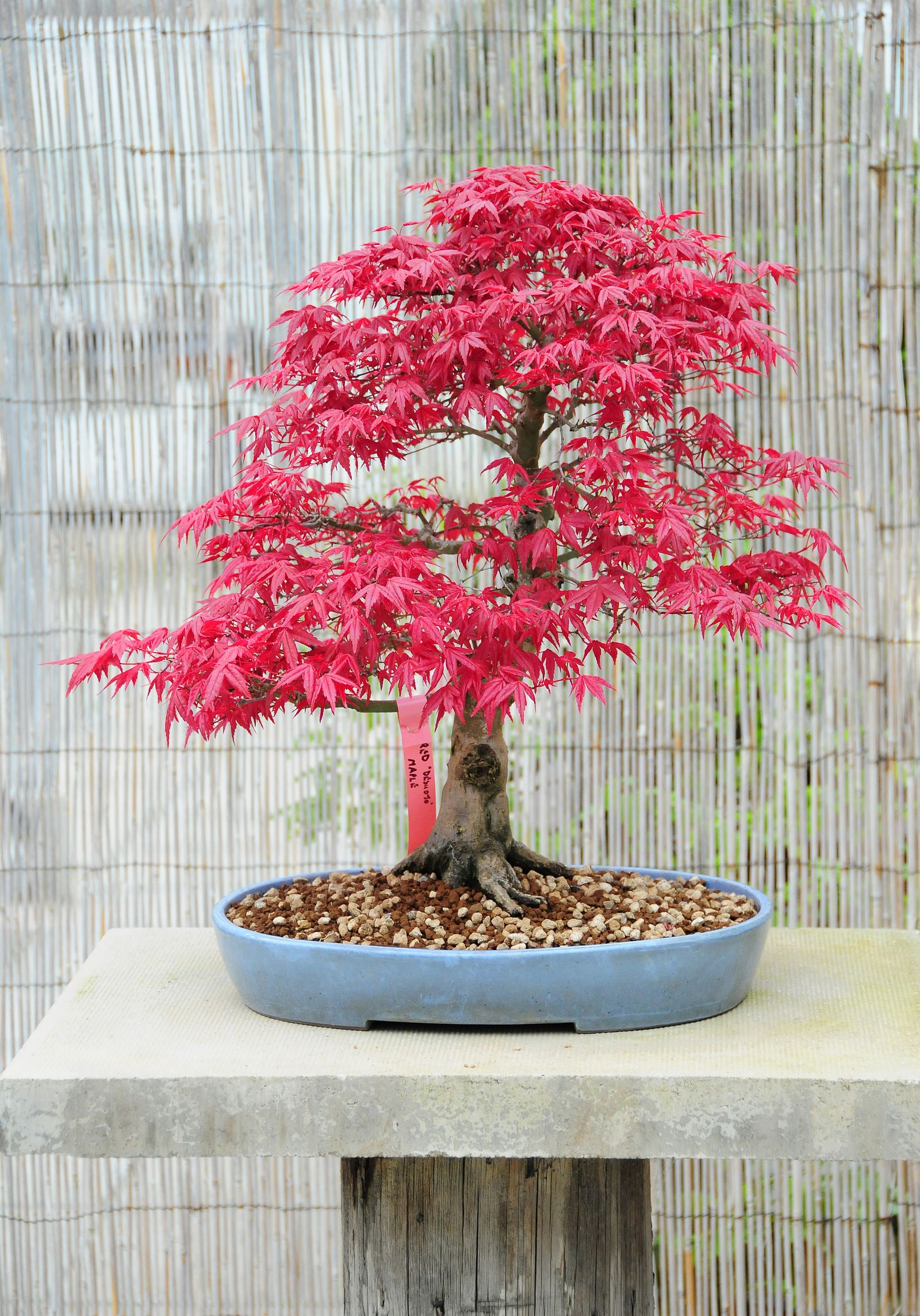
Top 7 Beginner-Friendly Indoor Varieties (2026)
Choosing the right bonsai for beginners is perhaps the most important step. Some species are far more forgiving than others, and some adapt better to indoor life. Here are seven varieties that balance ease of care with aesthetic appeal, based on observations of what thrives in typical home environments.
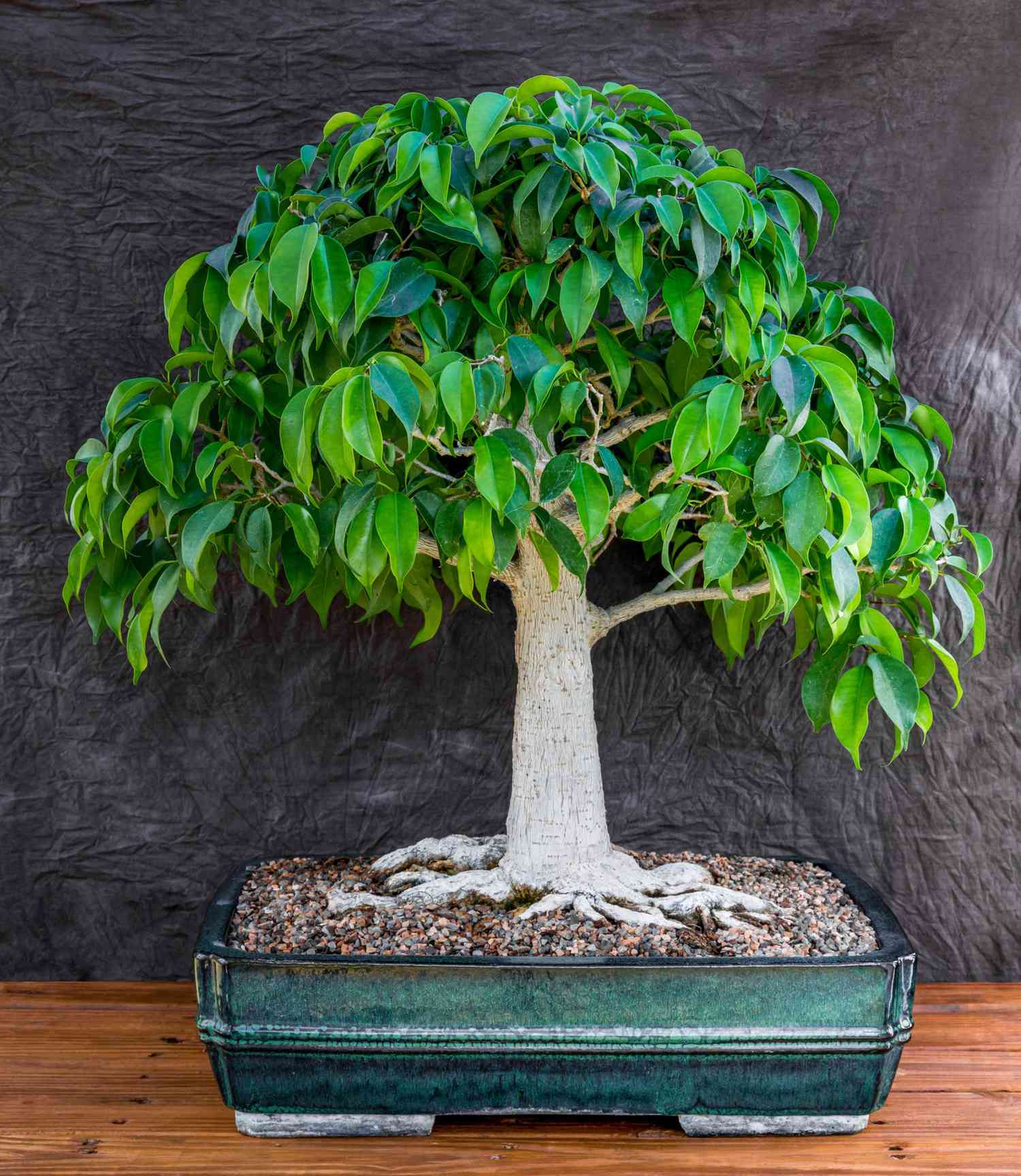
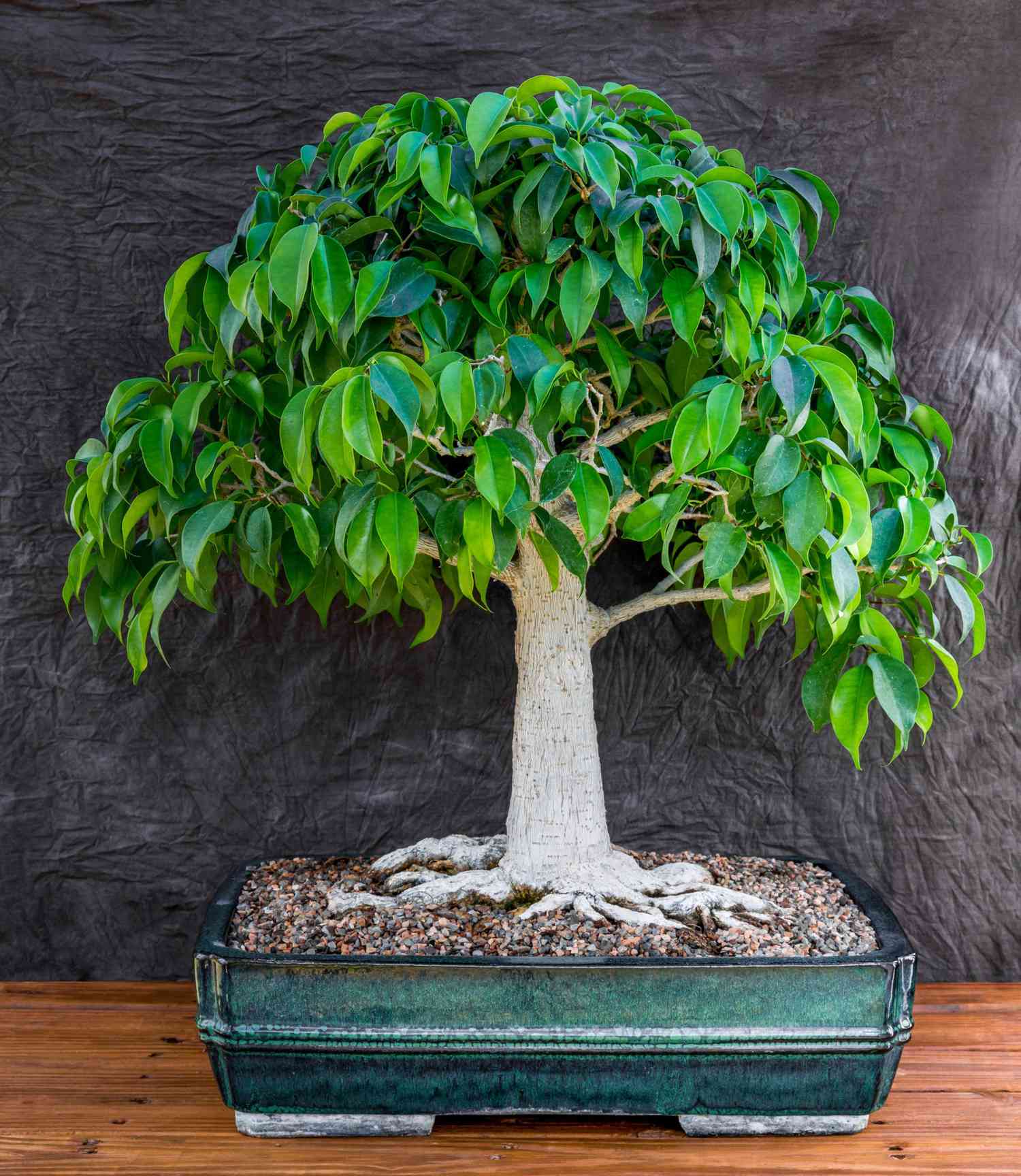
Ficus (Retusa & Microcarpa): Commonly known as the Ginseng Ficus or Chinese Banyan, these are incredibly resilient. They tolerate a wide range of conditions and are relatively pest-resistant. Light needs are moderate – bright, indirect light is ideal. They prefer to dry out between waterings, so avoid overwatering. Styling potential is high; they respond well to pruning and can develop impressive root systems. A common issue is leaf drop due to sudden changes in environment.
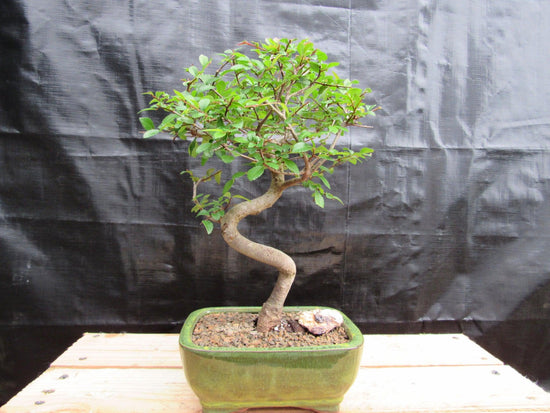
Chinese Elm (Ulmus parvifolia): A classic choice for beginners, the Chinese Elm is known for its graceful, twisting branches and delicate foliage. It needs bright light, but can tolerate some direct sun. Water when the top inch of soil feels dry. They benefit from higher humidity, so misting regularly is helpful. Susceptible to spider mites, so inspect leaves frequently. They are quick growers, which means more frequent pruning but also faster results.
Jade (Crassula ovata): This succulent bonsai is a great option for those who tend to forget to water. It thrives on neglect and prefers bright, direct sunlight. Allow the soil to dry out completely between waterings – overwatering will lead to root rot. Pruning is minimal, but you can shape it by removing unwanted branches. It’s not as visually dynamic as some other species, but its simplicity is part of its charm.
Hawaiian Umbrella Tree (Schefflera arboricola): Another relatively easy-care option, the Hawaiian Umbrella Tree tolerates low light conditions, though brighter indirect light is preferred. Keep the soil consistently moist, but not soggy. They can be prone to scale insects, so check the undersides of leaves regularly. They’re fast growers and can be easily pruned to maintain a compact shape.
Dwarf Schefflera (Schefflera arboricola "Compacta"): Similar to the Hawaiian Umbrella Tree, but smaller and more compact. This makes it ideal for smaller spaces. It shares the same care requirements – moderate light, consistent moisture, and regular inspection for pests. The smaller size makes it a good choice if you're worried about space constraints.
Serissa foetida (Snowrose): This species offers beautiful, delicate flowers. It needs bright, indirect light and consistent moisture. It's a bit more demanding than some of the others on this list, being sensitive to changes in environment. Pruning is essential to maintain its shape. Watch out for scale insects and spider mites. It's a rewarding tree, but requires a bit more attention.
Portulacaria afra (Dwarf Jade): Often mistaken for true jade, this succulent is incredibly drought-tolerant. It needs bright, direct sunlight and well-draining soil. Water sparingly, allowing the soil to dry out completely between waterings. It can be pruned to shape, but it’s generally a low-maintenance plant. It's a good option for beginners who are prone to underwatering.
Featured Products

Includes 5 bonsai starter kits · Comes with tools and planters · Suitable for indoor growing
This kit provides a comprehensive introduction to bonsai cultivation with multiple starter plants and necessary accessories.

Allows growing 4 different bonsai types indoors · Complete starter kit with pots and peat pellets · Includes a bonus grow guide
This kit offers variety in bonsai species and essential materials, along with guidance for beginners.
Includes 5 bonsai starter kits · Comes with tools and planters · Suitable for indoor growing
This kit provides a comprehensive introduction to bonsai cultivation with multiple starter plants and necessary accessories.

Live indoor house plants starter kit · Complete bonsai tree growing set · Ideal for gifting
This starter kit offers a live plant and all necessary components for a beginner to begin their bonsai journey.
Live indoor house plants starter kit · Complete bonsai tree growing set · Ideal for gifting
This starter kit offers a live plant and all necessary components for a beginner to begin their bonsai journey.
As an Amazon Associate I earn from qualifying purchases. Prices may vary.
Light & Location: Finding the Sweet Spot
Light is arguably the most critical factor in keeping your indoor bonsai healthy. Unlike many houseplants, bonsai generally need more light than you might think. Most species require at least six hours of bright, indirect light per day. Direct sunlight can be beneficial for some species (like Jade and Portulacaria afra), but it can scorch the leaves of others (like Ficus).
The key is to understand the difference between direct and indirect sunlight. Direct sunlight is unfiltered light that streams directly from the sun, while indirect sunlight is light that has been diffused by a curtain, cloud, or other obstruction. A south-facing window typically provides the most light, followed by east- and west-facing windows. North-facing windows offer the least light.
To determine if a location is suitable, observe the tree for signs of stress. Yellowing leaves, leggy growth (long, stretched stems), and leaf drop can all indicate insufficient light. If you don’t have a bright enough window, consider supplementing with a grow light. Look for LED grow lights that emit a full spectrum of light. A good starting point is a 12-14 hour photoperiod (the duration of light exposure).
I’ve found many beginners underestimate the light requirements. Don’t be afraid to experiment with different locations and lighting setups. A little extra light is almost always better than not enough. Rotating your bonsai regularly will also ensure even growth on all sides.
Watering & Humidity: Avoiding Common Mistakes
Watering is where many beginners stumble. The goal is to keep the soil consistently moist, but not soggy. Overwatering is far more common – and more damaging – than underwatering. The 'finger test' is your best friend: stick your finger about an inch into the soil. If it feels dry, it’s time to water. If it feels moist, wait a day or two.
Proper drainage is essential. Make sure your bonsai pot has drainage holes, and use a well-draining bonsai soil mix (more on that later). When you water, water thoroughly until water drains from the bottom of the pot. Allow the excess water to drain away completely. Never let the pot sit in standing water.
Humidity is also important, especially during the winter months when indoor air tends to be dry. Most indoor bonsai prefer a humidity level of around 50-60%. You can increase humidity by misting the leaves regularly, placing the pot on a pebble tray filled with water, or using a humidifier. Grouping plants together can also help to create a more humid microclimate.
Root rot is a common killer of indoor bonsai, and it’s often caused by soggy soil. It’s far better to err on the side of underwatering than overwatering. Pay attention to your tree, and learn to read its signals. A drooping tree doesn’t always need water – it could be a sign of root rot.
Soil, Repotting, & Fertilizing Explained
The right soil is crucial for healthy bonsai growth. Regular potting soil is too dense and retains too much water, leading to root rot. Bonsai soil needs to be well-draining and provide adequate aeration. A typical bonsai soil mix consists of akadama (a baked clay granule), pumice, and lava rock in varying ratios, depending on the species.
Akadama provides good water retention and aeration. Pumice improves drainage and provides essential minerals. Lava rock further enhances drainage and adds weight to the pot. You can purchase pre-mixed bonsai soil, or you can create your own blend. The ideal ratio will vary depending on your climate and the specific needs of your tree.
Repotting is necessary every 2-3 years, or when the tree becomes root-bound. The best time to repot is in the spring, just before the growing season begins. Gently remove the tree from its pot, prune any circling roots, and repot it in fresh bonsai soil. Be careful not to damage the roots during the process.
Bonsai need regular fertilization to thrive. Use a balanced fertilizer with a ratio of, say, 10-10-10 (nitrogen, phosphorus, potassium). Fertilize during the growing season (spring and summer), and reduce or stop fertilizing during the winter months. I'm not confident in recommending specific NPK ratios for each species, so focus on a balanced fertilizer and observe how your tree responds.
Choosing the Right Bonsai Soil: A Qualitative Comparison
| Soil Component | Drainage | Water Retention | Aeration | Typical Use |
|---|---|---|---|---|
| Akadama | Good | Good | Fair | Foundation for many mixes; benefits deciduous trees |
| Pumice | Excellent | Fair | Excellent | Improves drainage and aeration; good for conifers |
| Lava Rock | Excellent | Poor | Excellent | Adds significant drainage and structure; often mixed with other components |
| Kanuma | Good | Excellent | Fair | Specifically for Azaleas and other acid-loving bonsai |
| Kiryu | Excellent | Poor | Excellent | Excellent drainage, often used for pines and junipers |
| Peat Moss | Fair | Excellent | Poor | Increases water retention; use cautiously as it can compact |
| Coconut Coir | Good | Good | Good | Sustainable alternative to peat moss; offers balanced properties |
Qualitative comparison based on the article research brief. Confirm current product details in the official docs before making implementation choices.
Pruning & Styling: Shaping Your Tree
Pruning is essential for maintaining the shape and size of your bonsai. There are two main types of pruning: pinching and branch removal. Pinching involves removing the soft, new growth at the tips of branches to encourage branching and create a denser canopy. Branch removal involves cutting back larger branches to shape the tree and create a desired aesthetic.
Wiring is another technique used to shape bonsai. Bonsai wire is a soft, annealed aluminum or copper wire that is wrapped around branches to bend them into desired positions. It's important to use the correct gauge of wire and to avoid damaging the bark. Regularly check the wire to ensure it isn’t cutting into the branch.
There are several different bonsai styles, including formal upright, informal upright, cascade, semi-cascade, and windswept. Experiment with different styles to find one that you like and that suits your tree. Remember that styling is a long-term process – it takes years to create a truly refined bonsai.
I encourage beginners to start simple. Don’t try to create a complex design right away. Focus on maintaining the tree’s health and gradually shaping it over time. Pruning and wiring are skills that develop with practice. Don’t be afraid to make mistakes – they’re part of the learning process.
Troubleshooting: Common Problems & Solutions
Even with the best care, your bonsai may encounter problems. Yellowing leaves can be a sign of overwatering, underwatering, nutrient deficiency, or pest infestation. Leaf drop can be caused by sudden changes in environment, insufficient light, or stress. Addressing these issues quickly is important.
Common pests include spider mites, aphids, and scale insects. Inspect your tree regularly for signs of infestation, such as webbing, sticky residue, or small bumps on the leaves. Treat infestations with insecticidal soap or neem oil. Root rot is a serious problem caused by overwatering and poor drainage. If you suspect root rot, repot the tree in fresh soil and remove any affected roots.
Preventative care is the best medicine. Provide your bonsai with adequate light, water, and humidity. Monitor it regularly for signs of stress or pests. Repot it every 2-3 years. And don’t be afraid to ask for help from experienced bonsai enthusiasts. Online forums and local bonsai clubs are great resources.
I’ve noticed many common questions in online bonsai forums revolve around leaf discoloration and pest control. Often, a simple adjustment to watering habits or a more thorough inspection of the leaves can resolve these issues. Don't panic – most problems are treatable with a little patience and attention.
No comments yet. Be the first to share your thoughts!