
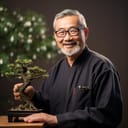
Why Indoor Bonsai Are Perfect for Small Spaces (and Your Sanity)
Bonsai have a quiet appeal. These miniature trees, carefully cultivated over years, evoke a sense of peace and connection with nature. Many assume bonsai are best suited for large gardens or experienced horticulturalists, but this isn't true. Indoor bonsai trees are increasingly popular, and for good reason: they thrive in smaller environments.
For those living in apartments, condos, or with limited outdoor space, a bonsai can bring garden tranquility directly into the home. This hobby adapts to your space, not the other way around. The mindful practice of bonsai care offers a welcome contrast to modern life's demands, providing a calming ritual.
A misconception is that bonsai require constant, meticulous attention. While they need care, it isn't an overwhelming amount. With the right species and a basic understanding of their needs, bonsai are surprisingly low-maintenance. This guide provides a bonsai for beginners resource, offering everything needed to start and enjoy this rewarding hobby. It is about finding a balance, not becoming a slave to your tree.
Are you ready to find your zen? Join us as we explore the ancient Japanese art of cultivating and shaping miniature trees at our "Indoor Bonsai for Beginners" class. Learn more at https://t.co/YzoNPToQO0. pic.twitter.com/ZYAgiUeB6O
— Currituck Extension (@CurrituckCES) March 28, 2026
Top 5 Beginner-Friendly Indoor Bonsai Trees for 2026
Choosing the right tree is the first step to bonsai success. Some species are more forgiving than others, making them ideal for beginners. Here are five excellent choices for indoor bonsai in 2026, focusing on ease of care and aesthetic appeal. Many of these are available at Bonsai Outlet, which has a good selection for newcomers.
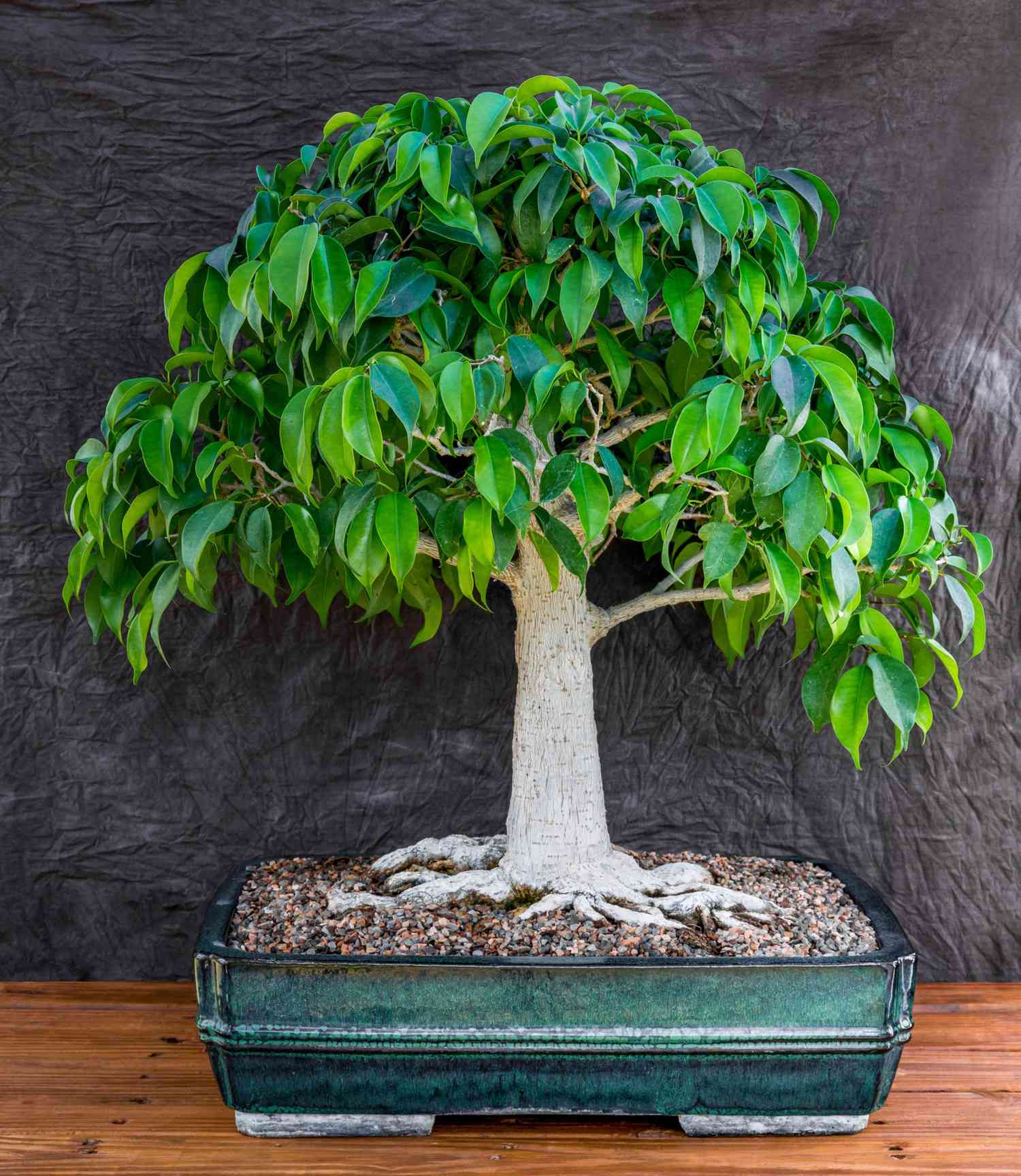
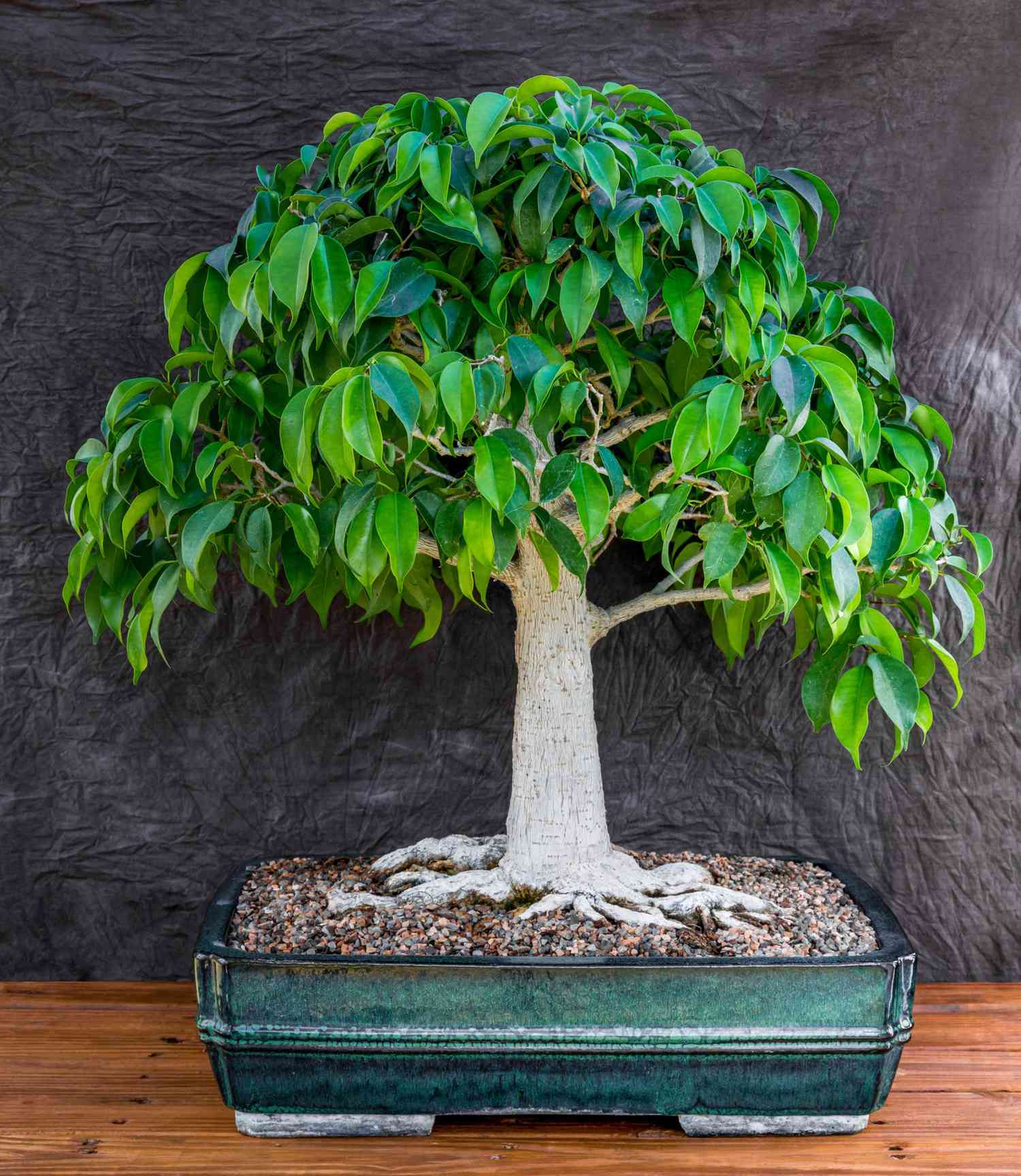
Ficus (Ficus retusa) is a classic choice, known for its resilience. Originating in Southeast Asia, Ficus tolerates a wide range of conditions and recovers well from pruning mistakes. Aerial roots add unique character, and glossy leaves provide a lush appearance. The main challenge with Ficus is sensitivity to cold drafts, so keep it away from chilly windows.
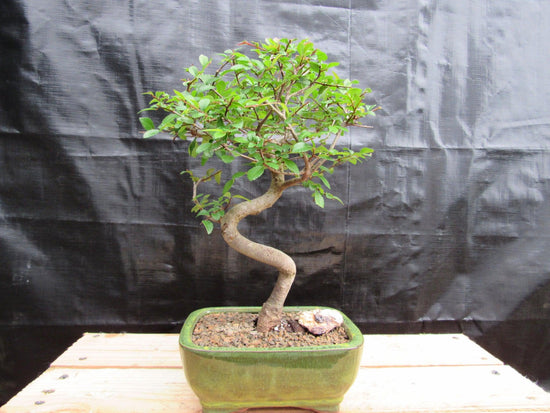
The Chinese Elm (Ulmus parvifolia) is a deciduous tree that’s incredibly adaptable. Native to China, it has attractive bark texture and delicate leaves that turn a beautiful reddish-orange in the fall. It is relatively fast-growing, allowing you to see results quickly, and responds well to pruning. Be mindful of spider mites, which can be a problem.
Jade (Crassula ovata), while technically a succulent, makes a surprisingly good bonsai subject. Thick, fleshy leaves and a sturdy trunk give it a miniature tree-like appearance. Jade requires little water and thrives in bright, indirect light. Overwatering is the biggest enemy. It is a great option if you tend to forget to water plants.
Schefflera (Schefflera arboricola), also known as the umbrella tree, is another easy-to-grow choice. It is native to Taiwan and Hawaii, and has vibrant green, finger-like leaves. Schefflera tolerates low light conditions, making it suitable for less-bright rooms. It is prone to scale insects, so regular inspection is important.
Finally, the Hawaiian Umbrella Tree (Schefflera actinophylla) is a robust and forgiving option. It is similar to the Schefflera arboricola but has larger, more dramatic leaves. undefined to indoor environments. It prefers consistently moist soil, but avoid letting it sit in water.
- Ficus (Ficus retusa): Resilient, aerial roots, glossy leaves.
- Chinese Elm (Ulmus parvifolia): Adaptable, attractive bark, reddish-orange fall color.
- Jade (Crassula ovata): Succulent, thick leaves, drought-tolerant.
- Schefflera (Schefflera arboricola): Low-light tolerant, finger-like leaves.
- Hawaiian Umbrella Tree (Schefflera actinophylla): Robust, large leaves, consistently moist soil.
Decoding Bonsai Terminology: A Beginner's Glossary
The world of bonsai has its own vocabulary, which can seem daunting at first. Understanding these terms will help you better understand care instructions and communicate with other bonsai enthusiasts. Don’t worry about memorizing everything at once; you’ll pick it up as you go.
Deciduous trees lose their leaves seasonally, like the Chinese Elm. Evergreen trees, like some Ficus varieties, retain their leaves year-round. Jin refers to deadwood that has been stripped of bark, often treated to create a weathered appearance. Shari is similar to jin, but it occurs on the trunk of the tree. Neagari describes a root that’s partially exposed above the soil line.
Pot-bound means the roots have filled the pot, restricting growth and requiring repotting. Root pruning is the process of trimming the roots during repotting to maintain the tree’s size and health. These are just a few of the key terms you’ll encounter. Don’t be afraid to look up unfamiliar words – there are many excellent resources available online.
Top Indoor Bonsai Choices
- Ficus Retusa (Fig Bonsai) - Known for its resilience and ability to thrive indoors, the Ficus Retusa is a popular beginner choice. It tolerates a range of conditions and readily develops aerial roots, adding to its aesthetic appeal. Requires bright, indirect light.
- Chinese Elm (Ulmus parvifolia) - A deciduous tree that adapts well to indoor life. Chinese Elms are fast-growing, allowing for quicker styling and training. They prefer bright light and consistent moisture, but avoid overwatering.
- Jade Bonsai (Portulacaria afra) - Technically a succulent, the Jade Bonsai is incredibly easy to care for. It requires very little water and thrives in bright sunlight. Its thick, fleshy leaves store water, making it drought-tolerant.
- Hawaiian Umbrella Tree (Schefflera arboricola) - This fast-growing bonsai is forgiving and can tolerate lower light conditions than some other varieties. It’s known for its distinctive umbrella-shaped canopy and is relatively pest-resistant.
- Dwarf Schefflera - Similar to the Hawaiian Umbrella Tree, the Dwarf Schefflera is a compact and adaptable indoor bonsai. It prefers bright, indirect light and regular watering, allowing the soil to slightly dry between waterings.
- Serissa foetida (Snowrose) - Offers delicate flowers and fine-textured foliage. While slightly more demanding than Ficus or Jade, it’s a rewarding choice for beginners willing to pay close attention to its watering needs. Prefers bright, indirect light and consistent humidity.
- Sageretia thea (Sweetpear Bonsai) - A semi-deciduous tree that’s relatively easy to care for indoors. It features attractive, finely textured leaves and small pink flowers. Requires bright, indirect light and well-draining soil.
Essential Bonsai Care: Light, Water, and Humidity
Providing the right environment is crucial for your bonsai’s health. Light, water, and humidity are the three pillars of bonsai care. Each species has slightly different needs, so it’s important to tailor your approach accordingly. The Growing Bonsai by Jelle video on Youtube provides excellent insights into proper watering techniques.
Ficus and Schefflera generally prefer bright, indirect light. Chinese Elm can tolerate some direct sunlight, but avoid intense afternoon sun. Jade needs at least six hours of direct sunlight per day. Hawaiian Umbrella Trees do well in medium indirect light. When watering, check the soil moisture by sticking your finger about an inch deep. Water thoroughly when the soil is dry to the touch, allowing excess water to drain freely.
Overwatering is a common mistake that leads to root rot. Avoid letting your bonsai sit in standing water. Humidity is also important, especially for indoor bonsai. You can increase humidity by misting the leaves regularly, placing the pot on a humidity tray filled with pebbles and water, or using a humidifier. Remember to adjust these practices based on the specific needs of your chosen tree.
Potting and Repotting Your Indoor Bonsai
The right soil and pot are essential for healthy root development. Bonsai soil needs to be well-draining to prevent root rot. A typical mix might include akadama (a Japanese clay), pumice, and lava rock. The ratio of these components will vary depending on the tree species.
Repotting is necessary every 2-3 years, or when the tree becomes pot-bound. The best time to repot is usually in the spring, just before the growing season begins. Gently remove the tree from its pot, and carefully loosen the roots. Prune any circling or damaged roots. Choose a pot that’s only slightly larger than the previous one.
When repotting, be careful not to damage the delicate roots. Use a chopstick or root hook to gently tease them apart. Ensure the pot has adequate drainage holes. A well-fitting pot is important for stability, and the material (ceramic or plastic) can influence moisture retention. Consider the aesthetic of the pot as well, as it’s an integral part of the overall bonsai presentation.
Pruning and Shaping: The Art of Bonsai
Pruning is the key to maintaining the shape and size of your bonsai. It’s not about simply making the tree smaller; it’s about encouraging new growth and creating a balanced, aesthetically pleasing form. There are two main types of pruning: pinching and structural pruning.
Pinching involves removing the tips of new shoots to encourage branching. Structural pruning involves removing larger branches to define the tree’s overall shape. Use sharp, clean bonsai shears or concave cutters to make clean cuts. Pruning encourages back-budding, the growth of new buds on older branches.
Investing in quality bonsai tools is worth it. Bonsai shears allow for precise cuts, while concave cutters create a recessed cut that heals more cleanly. Remember, pruning is a continuous process; regular maintenance is key to maintaining your bonsai’s form. Watching a demonstration can be incredibly helpful – search for bonsai pruning tutorials on YouTube for visual guidance.
Troubleshooting Common Bonsai Problems
Even with the best care, bonsai can sometimes encounter problems. Yellowing leaves can indicate overwatering, underwatering, or nutrient deficiencies. Leaf drop can be caused by stress, such as sudden changes in temperature or light. Pests like spider mites and aphids can infest your bonsai, causing damage to the leaves and branches.
Root rot is a serious problem caused by overwatering and poor drainage. To prevent problems, ensure your bonsai has well-draining soil and avoid letting it sit in standing water. Regularly inspect your tree for pests and treat infestations promptly with insecticidal soap or neem oil. Fungal diseases can be treated with a fungicide. Prevention is always the best approach, so focus on providing the right environment and care.
No comments yet. Be the first to share your thoughts!