

Managing heat stress
Heat stress is a major concern for bonsai. Higher temperatures lead to increased water loss through transpiration, and if the roots can’t keep up with the demand, the tree suffers. Symptoms can range from leaf scorch and wilting to more serious issues like root damage and even death. Conifers, generally, are more susceptible to heat damage than deciduous trees.
You have to check the soil several times a day when it's hot. The top layer of akadama often lies to you—it looks dry while the core is still wet, or vice versa. I use a wooden chopstick pushed deep into the root ball; if it comes out damp, I wait. A moisture meter is fine, but your hands tell you more.
Bonsai Empire’s guides emphasize the importance of providing shade during the hottest parts of the day. This can be as simple as moving the tree to a partially shaded location, or using shade cloth to diffuse the sunlight. Moving trees indoors to a cool, air-conditioned space is also an option, but be mindful of the change in humidity. A sudden shift can also stress the tree.
For particularly intense heat, consider temporary cooling methods like misting the foliage. However, avoid misting in direct sunlight, as this can cause leaf burn. A gentle spray is all that’s needed. You can also place the pot on a tray filled with wet pebbles to increase humidity around the roots. Just ensure the pot isn’t sitting in the water, as that can lead to root rot.
- Check soil moisture at 10 AM and 3 PM during heat spikes.
- Provide shade during peak heat.
- Consider moving trees indoors (with humidity adjustments).
- Misting can provide temporary relief (avoid direct sunlight).
Watering during erratic rain
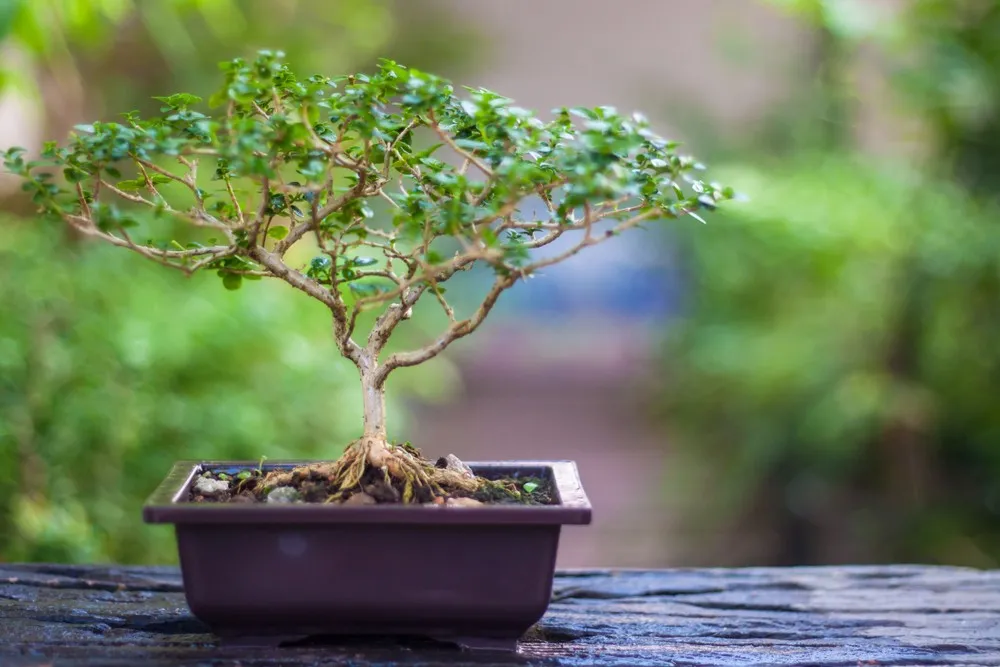
Rain is becoming all or nothing. We get weeks of drought followed by a month's worth of rain in one afternoon. You can't stick to a Tuesday-Thursday watering schedule anymore. I look at the sky and the soil every morning. If a storm is coming, I skip the hose; if it's been dry for three days, I soak them twice.
During prolonged droughts, you’ll need to water more frequently, but be careful not to overcompensate. Deep, infrequent watering is generally better than frequent, shallow watering, as it encourages deeper root growth. Conversely, during periods of heavy rainfall, ensure your bonsai is in well-draining soil to prevent root rot. Root rot is a common killer, and it’s often caused by soggy soil.
Rainwater harvesting can be a sustainable and beneficial practice. Rainwater is naturally soft and free of chemicals, making it ideal for bonsai. A simple rain barrel can collect a significant amount of water, reducing your reliance on tap water. Just be sure to cover the barrel to prevent mosquito breeding.
Pay attention to the type of soil you’re using. A well-draining mix is essential, especially in areas prone to heavy rainfall. A mix of akadama, pumice, and lava rock is a popular choice for bonsai, as it provides excellent drainage and aeration. Avoid using heavy clay soils, as they tend to retain too much moisture.
Stronger Storms, Stronger Support
Strong winds and storms are becoming more frequent and intense, posing a physical threat to bonsai. The primary risk is that trees can be blown over or suffer branch breakage. It's important to take steps to protect your trees from these forces.
Securing your bonsai is the first line of defense. If you have trees outdoors, consider moving them to a sheltered location during storms. If that’s not possible, weigh down the pot with stones or bricks. Grouping trees together can also provide some mutual support. Providing a windbreak, such as a fence or hedge, can also help.
Pot size and weight are crucial factors. Larger, heavier pots are more stable and less likely to be blown over. However, be mindful of the tree’s root system – a pot that’s too large can lead to root rot. Pruning your bonsai appropriately can also minimize wind resistance. Remove any dead or weak branches, and shorten long, exposed branches.
I want to emphasize that while we need to be prepared, it's also important not to overreact. A gentle breeze is actually beneficial for bonsai, as it helps to strengthen the trunk and branches. It’s the extreme winds that we need to worry about.
New pests in warmer air
Warmer temperatures and altered humidity levels can create more favorable conditions for pests and diseases. Many common bonsai pests, such as aphids, spider mites, and scale, thrive in warmer weather. Similarly, fungal diseases can spread more rapidly in humid conditions.
Preventative measures are key. Regularly inspect your bonsai for signs of pests or diseases. Early detection is crucial for effective treatment. Good air circulation can help to prevent fungal diseases. Avoid overcrowding your trees, and prune away any dead or diseased foliage.
Maintaining a healthy tree is the best defense against pests and diseases. Provide adequate water, fertilizer, and sunlight. A strong, healthy tree is better able to resist attack. I’m not a pest control expert, so I recommend consulting with a local arborist or nursery if you suspect a serious infestation or disease.
Be aware that climate change may alter the geographical distribution of certain pests and diseases. Pests that were previously uncommon in your area might become more prevalent. Staying informed about local pest and disease outbreaks is important.
Species Selection for a Changing Climate
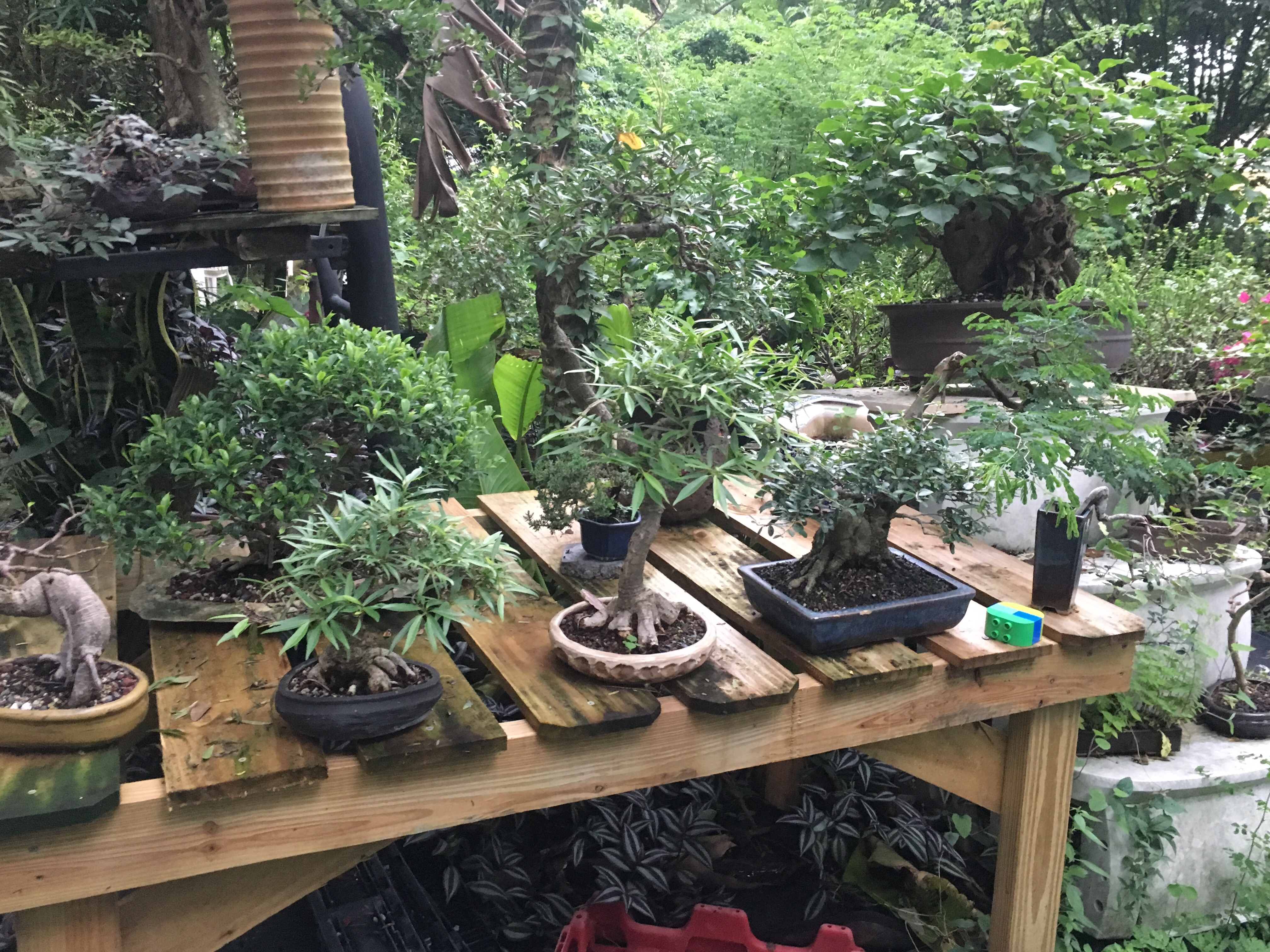
Looking ahead, choosing bonsai species that are well-suited to a changing climate is a proactive step you can take. Some species are naturally more resilient to heat, drought, or other climate-related stressors. This isn't about abandoning your favorites, but about diversifying your collection.
In warmer regions, drought-tolerant species like junipers, olives, and certain pines are good choices. These trees are adapted to survive with limited water and can withstand high temperatures. For areas with increased rainfall, species that prefer well-drained soil, such as Japanese maples and trident maples, might be more suitable.
Consider the overall hardiness of the species. Some trees are more adaptable to a wider range of conditions than others. For example, Chinese elms are known for their adaptability and can tolerate a variety of climates. Local nurseries can provide valuable advice on species that are well-suited to your specific region.
It’s important to research the specific needs of each species before you acquire it. Understanding its preferred climate, soil type, and watering requirements will help you provide the best possible care. Don’t be afraid to experiment with different species to find those that thrive in your local environment.
Long-Term Adaptation: Soil and Potting
Soil composition and pot selection play a vital role in long-term climate adaptation. As we’ve discussed, well-draining soil is essential to prevent root rot during heavy rainfall. A mix of akadama, pumice, and lava rock provides the ideal balance of drainage, aeration, and water retention.
Using lighter-colored pots can help to reflect heat and keep the roots cooler. Dark-colored pots absorb heat, which can raise the soil temperature and stress the tree. Terracotta pots are a good choice, as they are porous and allow for good air circulation.
Consider using materials that retain moisture during dry periods. Adding organic matter to the soil, such as compost or peat moss, can help to improve its water-holding capacity. However, be careful not to overdo it, as too much organic matter can lead to compaction and poor drainage.
Regularly repotting your bonsai is also important. Repotting allows you to refresh the soil, prune the roots, and ensure that the tree has adequate space to grow. Choose a pot that is appropriate for the size and age of the tree, and use a well-draining soil mix. Building resilience into the foundation of your bonsai will pay dividends in the long run.
Bonsai Species Climate Resilience Comparison
| Species | Heat Tolerance | Drought Tolerance | Cold Tolerance | Regional Suitability |
|---|---|---|---|---|
| Japanese Maple (Acer palmatum) | Medium | Low | Medium | Temperate climates, requires protection from extreme heat and cold. |
| Juniper (Juniperus spp.) | High | High | High | Adaptable to various climates, prefers full sun and well-drained soil. |
| Ficus (Ficus spp.) | High | Medium | Low | Tropical and subtropical climates, sensitive to frost. |
| Chinese Elm (Ulmus parvifolia) | Medium | Medium | Medium | Widely adaptable, tolerates a range of conditions, but prefers moderate temperatures. |
| Pine (Pinus spp.) | Medium | Medium | High | Cooler climates, requires full sun and well-drained soil. |
| Olive (Olea europaea) | High | High | Medium | Mediterranean climates, prefers hot, dry summers and mild, wet winters. |
| Bougainvillea | High | High | Low | Warm temperate and tropical climates. Requires significant sunlight. |
Illustrative comparison based on the article research brief. Verify current pricing, limits, and product details in the official docs before relying on it.
No comments yet. Be the first to share your thoughts!