

Indoor Bonsai: A Growing Trend
More people are discovering the art of bonsai and bringing these miniature trees indoors. The benefits are considerable: a touch of nature inside, a calming hobby, and a unique way to express creativity. There's a real surge in interest from people looking for ways to de-stress and connect with something living, especially in urban environments.
Many assume bonsai refers to a specific kind of tree, but that's a misconception. Bonsai is a technique—the art of cultivating ordinary trees and shrubs in miniature. Almost any woody-stemmed plant can be trained into a bonsai, though some species are easier to work with than others. This means even beginners can succeed.
A well-cared-for bonsai is a living work of art, adding tranquility and beauty to any space. It's also a rewarding hobby that requires patience, observation, and a willingness to learn. Mastery takes time; it's a journey, and that's part of the charm.
There's a strong interest from younger generations in hobbies that are mindful, sustainable, and offer a break from constant screen time. Bonsai fits this perfectly. The availability of beginner-friendly trees and online resources has made it more accessible than ever.
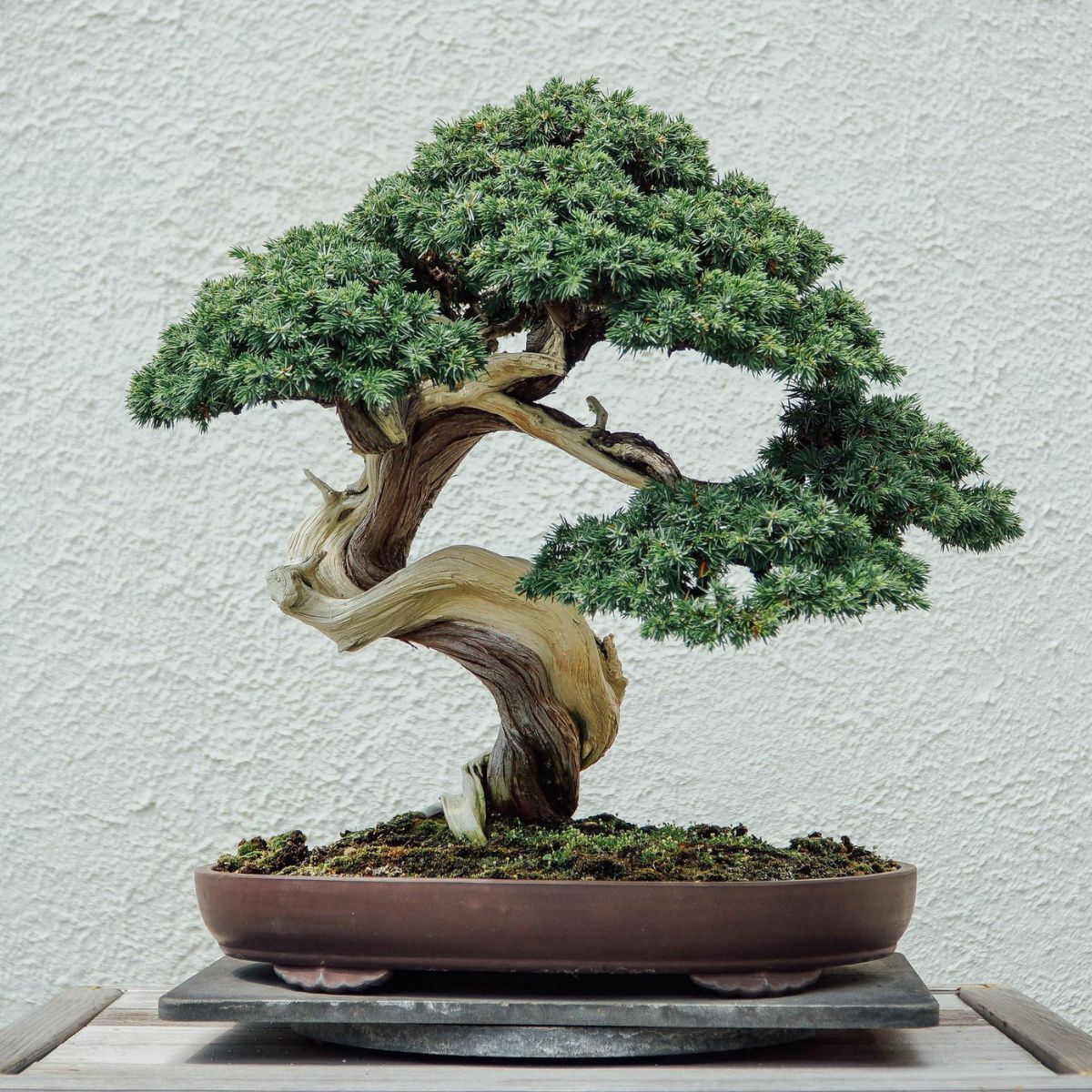
Top 7 Beginner-Friendly Indoor Species
Choosing the right species is crucial for beginners. Some trees are naturally more resilient and forgiving of mistakes. Here are seven indoor bonsai trees that perform well for those starting out, with a difficulty rating from 1 to 5 (1 being easiest).
All bonsai require attention; even the easiest species will suffer if neglected. These seven offer a higher margin for error, allowing you to learn as you go. Care details like light, water, humidity, common issues, and difficulty ratings are provided for each.
These ratings are based on general conditions. Your success will also depend on your local climate, soil quality, and dedication to learning the basics.
- Ficus retusa (Fig): Difficulty: 2/5. Light: Bright, indirect. Water: When the top inch of soil is dry. Humidity: Moderate. Common Issues: Leaf drop due to stress.
- Ficus benjamina (Weeping Fig): Difficulty: 3/5. Light: Bright, indirect. Water: When the top inch of soil is dry. Humidity: Moderate. Common Issues: Sensitive to drafts and relocation.
- Chinese Elm (Ulmus parvifolia): Difficulty: 3/5. Light: Bright, indirect. Water: When the top inch of soil is dry. Humidity: Moderate. Common Issues: Susceptible to spider mites.
- Dwarf Jade (Portulacaria afra): Difficulty: 1/5. Light: Full sun (essential!). Water: Sparingly, allow soil to dry completely. Humidity: Low. Common Issues: Root rot if overwatered.
- Hawaiian Umbrella Tree (Schefflera arboricola): Difficulty: 2/5. Light: Bright, indirect. Water: When the top inch of soil is dry. Humidity: Moderate. Common Issues: Relatively pest-resistant.
- Jade Plant (Crassula ovata): Difficulty: 2/5. Light: Bright, indirect. Water: Sparingly, allow soil to dry completely. Humidity: Low. Common Issues: Leaf drop if overwatered.
- Serissa foetida (Snowrose): Difficulty: 4/5. Light: Bright, indirect. Water: When the top inch of soil is dry. Humidity: High. Common Issues: Requires consistent care and can be prone to pests.
Best Indoor Bonsai Trees for Beginners
| Species Name | Light Needs | Water Needs (Frequency) | Humidity Needs | Difficulty (1-5) | Key Considerations |
|---|---|---|---|---|---|
| Ficus Retusa (Fig) | Medium | When soil surface is dry to the touch | Medium | 2 | Very adaptable, tolerates some neglect, prone to leaf drop if moved. |
| Chinese Elm | High | When top inch of soil is dry | Medium | 2 | Deciduous – will lose leaves in winter, benefits from regular pruning. |
| Jade (Crassula ovata) | High | Infrequently – allow soil to dry completely between waterings | Low | 1 | Succulent – susceptible to root rot with overwatering, needs bright light. |
| Hawaiian Umbrella Tree | Medium | When top inch of soil is dry | High | 2 | Prefers consistently moist soil, sensitive to cold drafts. |
| Dwarf Schefflera | Low to Medium | When soil surface is dry | Medium | 2 | Tolerates lower light conditions, can be sensitive to fluoride in tap water. |
| Serissa foetida (Snowrose) | High | When soil surface is dry to the touch | High | 3 | Requires consistent moisture and humidity, benefits from frequent misting. |
| Portulacaria afra (Dwarf Jade) | High | Infrequently – allow soil to dry completely | Low | 1 | Succulent, similar care to Jade, but more compact growth. |
Illustrative comparison based on the article research brief. Verify current pricing, limits, and product details in the official docs before relying on it.
Ficus: The Undisputed Champion
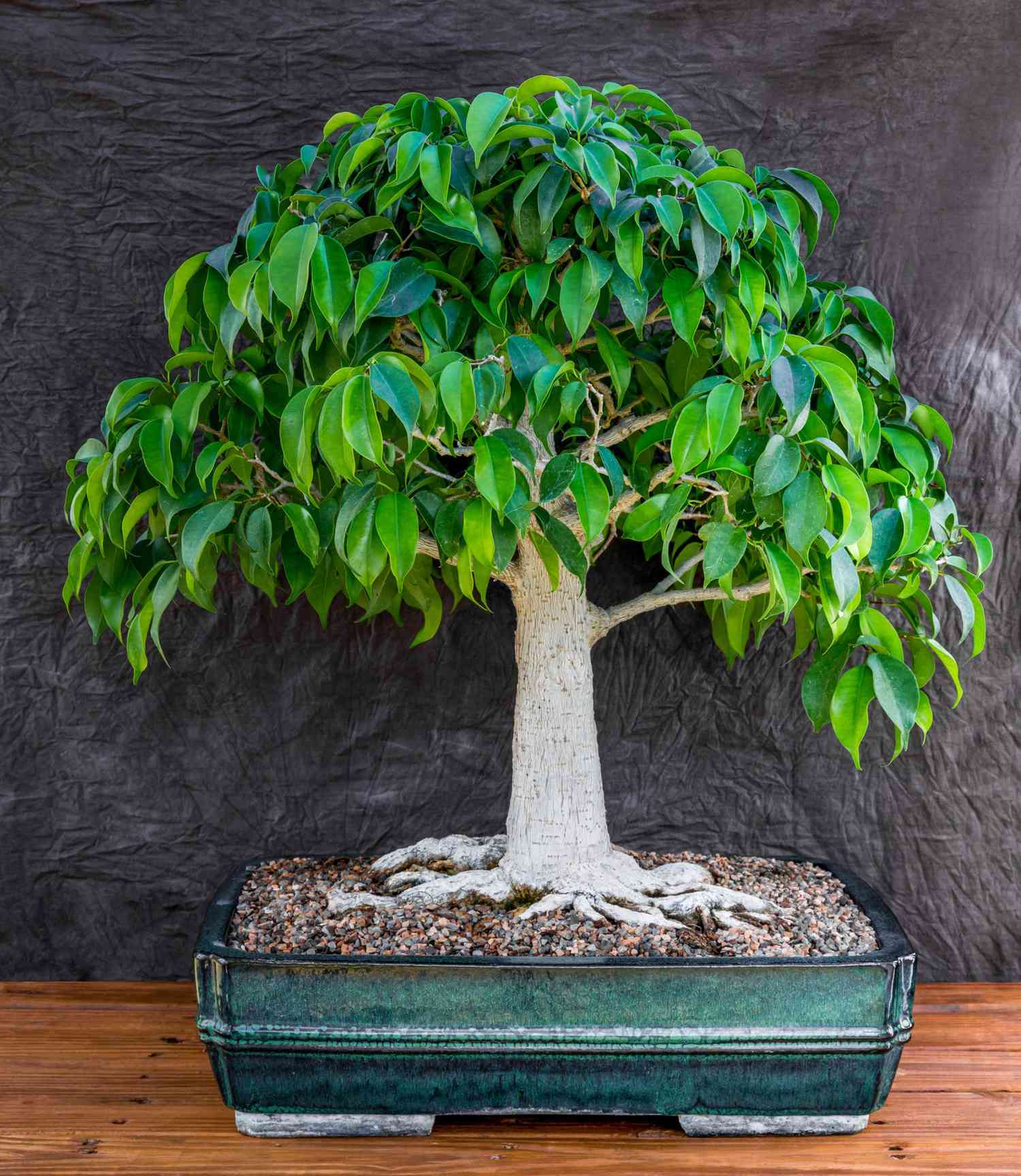
For a single species to start with, the Ficus is highly recommended. Specifically, Ficus retusa (with its exposed roots) and Ficus benjamina (the weeping fig) are popular for good reason. They are remarkably adaptable, forgiving of beginner mistakes, and relatively easy to style. Many beginners succeed with Ficus where they've struggled with other species.
Ficus trees tolerate a wide range of conditions, making them ideal for indoor environments. They can handle lower light levels than many other bonsai, though they thrive in bright, indirect light. They are also fairly drought-tolerant, meaning you won't ruin them by occasionally forgetting to water, though consistent moisture is still important.
Styling a Ficus is straightforward. They respond well to pruning and wiring, allowing you to create a variety of shapes and designs. The exposed root styles of Ficus retusa are particularly striking. Leaf drop is a common issue, often caused by sudden changes in environment or stress. Avoid moving the tree frequently and maintain consistent conditions.
Spider mites are a possibility. Regular inspection and treatment with insecticidal soap can prevent major problems. Experiment with different pruning techniques, but always research beforehand to avoid damaging the tree.
Chinese Elm: A Classic Choice
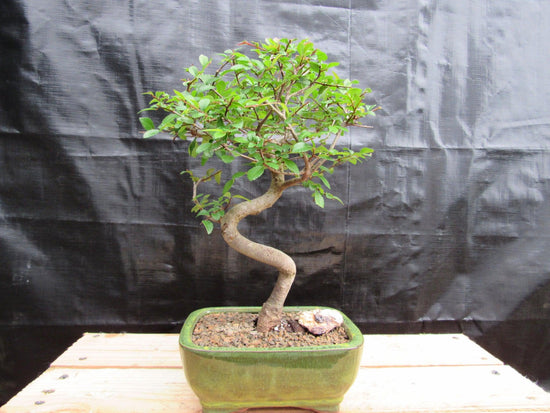
The Chinese Elm (Ulmus parvifolia) is another excellent option for beginners, known for its attractive, textured bark and relatively fast growth. This means you'll see noticeable progress in your styling efforts more quickly than with some other species. It looks like a miniature tree.
Chinese Elms prefer bright, indirect light and well-draining soil. They need regular watering, but avoid overwatering to prevent root rot. They are susceptible to spider mites, so regular inspection is crucial. A light misting can help deter these pests.
Compared to the Ficus, the Chinese Elm is more sensitive to environmental changes. Avoid sudden drafts or temperature fluctuations. Regular pruning maintains its shape and encourages branching. The bark develops character with age, making it a rewarding long-term project.
Dwarf Jade: Succulent Simplicity
For those who tend to underwater plants, the Dwarf Jade (Portulacaria afra) might be a good choice. This succulent species is drought-tolerant and can thrive on neglect, making it a good option for new plant owners.
Despite its hardiness, the Dwarf Jade has specific needs. It requires very bright light—a south-facing window is ideal. Insufficient light causes it to become leggy and lose its compact shape. It also needs well-draining soil to prevent root rot.
The Dwarf Jade has a unique aesthetic, with fleshy leaves and interesting branching patterns. It can be styled in various ways, from cascading forms to upright, windswept shapes. It's a versatile species.
Essential Tools for Indoor Bonsai
You don’t need a workshop full of specialized tools to start with bonsai. A few essential items will suffice. Start with the basics and add tools as you gain experience; affordable options are available online and at local nurseries.
First, you’ll need a good pair of pruning shears. These are used for trimming branches and shaping the tree. Concave cutters are also helpful for removing larger branches cleanly. Next, bonsai wire is essential for shaping branches. Aluminum or copper wire are both good choices. A root hook is useful for gently loosening the soil during repotting.
You’ll also need bonsai soil – a well-draining mix specifically formulated for bonsai trees. Avoid using regular potting soil, as it tends to retain too much moisture. A watering can with a fine rose is ideal for gently watering your bonsai. Finally, a small shovel or trowel will be helpful for repotting and working with the soil.
Essential Bonsai Tools for Beginners: Your Starter Kit

Ideal for detailed trimming and shaping, these scissors are a fundamental tool for beginner bonsai enthusiasts.

A professional-grade tool for cleanly cutting bonsai wire, crucial for shaping and structural adjustments.
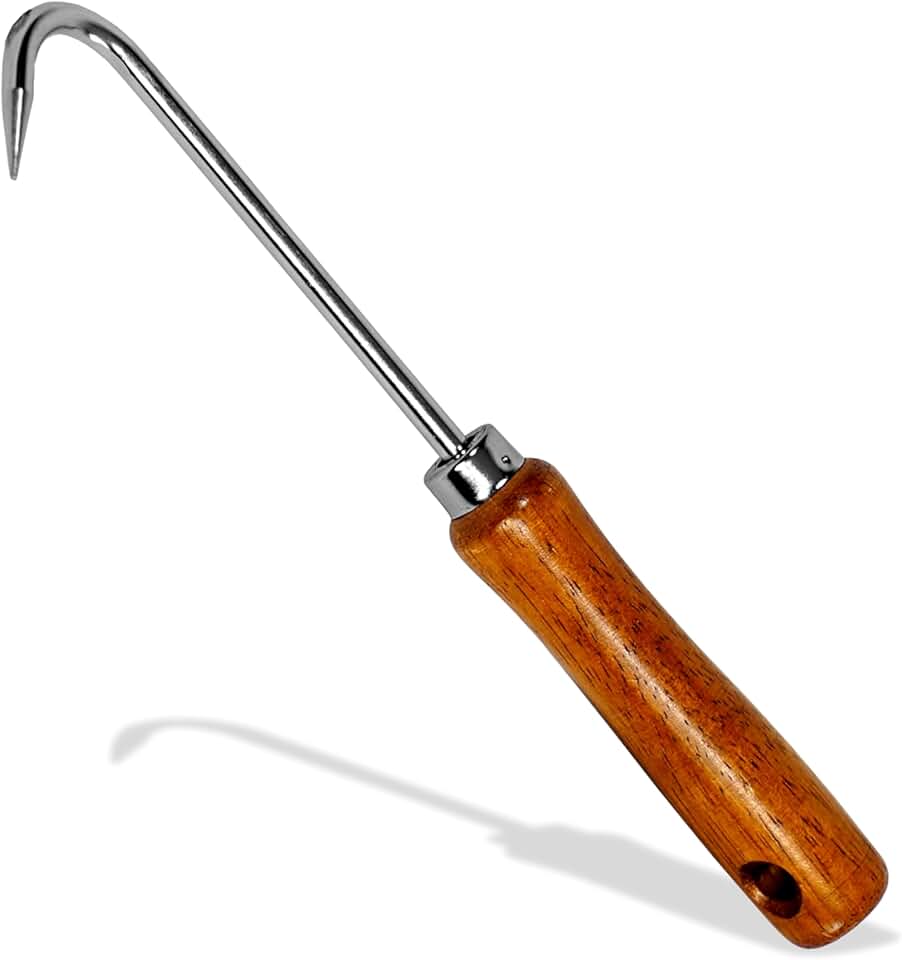
Essential for repotting and ensuring healthy root development, this tool helps beginners manage soil and roots effectively.

A well-draining soil mix is vital for bonsai health, and this beginner-friendly option ensures proper moisture and air circulation.

Precise watering is key for bonsai, and this mini watering can allows beginners to deliver the right amount of water accurately.
As an Amazon Associate I earn from qualifying purchases. Prices may vary.
Troubleshooting Common Indoor Bonsai Problems
undefined moisture and adjust your watering accordingly.
Pests such as spider mites, aphids, and scale can infest bonsai trees. Regular inspection and treatment with insecticidal soap or neem oil can prevent infestations from getting out of control. Root rot is a serious problem caused by overwatering. Ensure your bonsai is planted in well-draining soil and avoid letting the roots sit in water.
Leaf drop can be caused by a variety of factors, including stress, changes in environment, or inconsistent care. Try to maintain stable conditions and avoid sudden movements. Remember to refer back to the species-specific care information provided earlier in this article to address problems tailored to your tree's needs. Early detection is key to successfully treating most bonsai problems.
Beyond the Basics: Resources to Grow
This is just the beginning of your bonsai journey. There’s a wealth of information available to help you deepen your knowledge and refine your skills. Online forums and communities, like those found on Bonsai Empire, are great places to connect with other enthusiasts and ask questions.
Local bonsai clubs offer valuable opportunities to learn from experienced growers and participate in workshops. Bonsai Outlet is a reliable source for trees, tools, and supplies. Books and online courses can provide in-depth instruction on various aspects of bonsai care and styling. Continued learning and community engagement are essential for long-term success.
No comments yet. Be the first to share your thoughts!