

Bonsai in the age of sensors
For centuries, the art of bonsai has captivated people with its delicate beauty and the profound patience it requires. It’s a pursuit steeped in tradition, a conversation between the grower and the tree. But let’s be honest, mastering bonsai is hard. It demands a keen understanding of horticulture, a watchful eye for subtle changes, and a willingness to learn from both successes and failures. Now, in 2026, a new element is emerging to assist both novice and seasoned bonsai artists: artificial intelligence.
AI-powered tools are shifting from futuristic concepts to practical aids for bonsai care. These aren’t intended to replace the artistry, but rather to provide data-driven insights that can improve a tree’s health and vitality. It's about making informed decisions, especially for those early stages when knowing how much water, light, or fertilizer a tree needs can feel like guesswork. The increasing accessibility of these technologies—through smartphone apps and paired sensors—is changing how we approach bonsai.
The core idea isn't to automate the entire process, but to give the grower a better understanding of their tree’s environment and needs. It’s about augmenting intuition with data. While the traditional methods remain valuable, these new tools offer an extra layer of support, potentially reducing the risk of common mistakes and helping more people experience the joy of bonsai. It’s a fascinating intersection of ancient art and modern technology.
What these sensors actually track
At the heart of these smart bonsai systems are sensors, designed to gather crucial environmental data. The most common measurements include soil moisture, which is vital for preventing both underwatering and root rot. Light intensity and spectrum are also key, as different species have varying light requirements. An app can help you determine if your tree is receiving adequate light or if adjustments to its placement are needed.
Temperature and humidity are other important factors. Fluctuations in these conditions can stress a bonsai, so monitoring them allows for timely intervention. Some more advanced systems also attempt to measure airflow around the tree, though this is a more challenging parameter to capture accurately. The data from these sensors is then transmitted—typically via Bluetooth or Wi-Fi—to a smartphone app for analysis.
Most cheap sensors are only good for soil moisture. If you want to measure the actual light spectrum or precise airflow, you'll need to spend significantly more on lab-grade hardware. Don't trust a $20 plastic probe to tell you if your Japanese Maple is getting the right UV balance.
App Features: Beyond Basic Readings
The real power of these apps lies not just in collecting data, but in interpreting it. Most apps don’t simply display raw numbers; they translate them into actionable insights. Automated watering schedules are a common feature, adjusting based on soil moisture levels, species, and even local weather conditions. Fertilization reminders ensure you’re providing the right nutrients at the appropriate times.
Many apps also offer pruning suggestions, tailored to the specific species and growth stage of your bonsai. This is a particularly helpful feature for beginners who may be unsure when and how to prune. Pest and disease alerts are another valuable addition. Some apps use image recognition technology—you upload a photo of your tree, and the app attempts to identify potential problems based on visual cues.
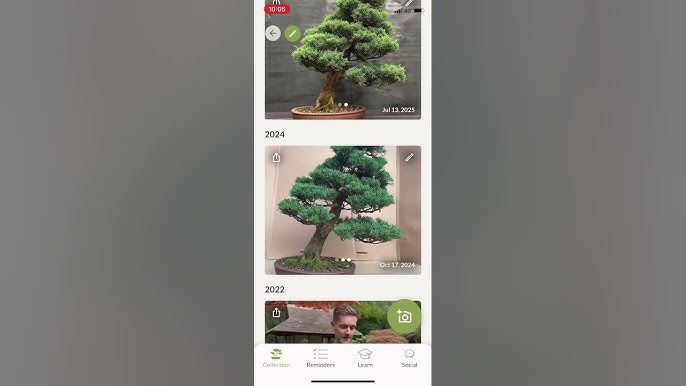
What's truly promising is the potential for personalized care plans. An app might ask about your experience level, your local climate, and the specific species of your bonsai to create a customized schedule for watering, fertilizing, and pruning. Some apps even track the tree’s growth over time, allowing you to see how it’s responding to different care routines. This allows for a more dynamic and responsive approach to bonsai maintenance.
Here's a quick look at some common app features:
- The apps now generate watering schedules that change based on local humidity and soil drainage speeds.
- Fertilization reminders
- Pruning suggestions
- Pest and disease alerts
- Image-based health assessment
- Personalized care plans
- Growth tracking
The apps worth downloading
A few apps have become standard. BonsaiSense is the easiest to use because it has a massive species database, though it only works with its own branded sensors, which is a frustrating limitation.
Rooted is another popular option, known for its advanced image recognition capabilities. It can often identify subtle signs of stress or disease that might be missed by the human eye. Rooted also integrates with a wider range of sensors, but its subscription cost is higher than some competitors. The interface, while powerful, can feel a bit overwhelming for new users.
FloraAI takes a different approach, prioritizing community-based data sharing. Users can contribute data from their own trees to improve the app’s algorithms and benefit from the collective knowledge of other bonsai enthusiasts. It’s a promising concept, but the accuracy of the recommendations depends on the quality and quantity of the data contributed. It's still relatively new, and has a smaller user base than the others.
Finally, Evergreen is a simpler app that focuses on the fundamentals – watering, light, and temperature. It doesn't have all the bells and whistles of the other apps, but it's a solid choice for those who want a straightforward and reliable tool. It’s particularly strong in its ability to provide localized weather-based recommendations. These are all qualitative assessments, and the best app for you will depend on your individual needs and preferences.
Troubleshooting with AI: When Things Go Wrong
One of the most exciting applications of AI in bonsai care is its ability to help diagnose problems. Many apps allow you to upload photos of affected leaves or branches, and the AI will attempt to identify the issue—whether it’s a fungal infection, a pest infestation, or a nutrient deficiency. This can be a valuable first step in troubleshooting, especially for those who are unfamiliar with common bonsai ailments.
However, it’s crucial to remember that AI isn’t infallible. Misdiagnosis is possible, and relying solely on an app’s recommendations can be risky. The AI’s accuracy depends on the quality of the image, the clarity of the symptoms, and the size of its training dataset. It's a tool to aid in diagnosis, not to replace careful observation and, if needed, the advice of a bonsai expert.
Even when the AI correctly identifies the problem, it may not provide a complete solution. It might suggest a general course of action, such as applying a fungicide, but it won’t be able to account for all the specific factors that might be influencing the tree’s health. It’s important to research the recommended treatment thoroughly and consider the potential risks and benefits before proceeding.
What's next for smart care
Looking ahead, we can expect to see even more sophisticated sensors that can measure a wider range of environmental factors. Imagine sensors that can detect nutrient levels in the soil in real-time, or that can analyze the tree’s sap flow to assess its overall health. Integration with smart home systems is another likely development. Your bonsai app could automatically adjust the lighting or humidity in your growing area based on the tree’s needs.
AI-powered bonsai design tools are also a possibility. These tools could use image recognition and machine learning to suggest optimal pruning and wiring techniques, helping you create a more aesthetically pleasing and balanced tree. Community-based data sharing will likely become more prevalent, allowing users to contribute data to improve AI algorithms and benefit from the collective knowledge of other bonsai enthusiasts.
However, it’s important to approach these predictions with a degree of caution. The development of new technologies is always uncertain, and it’s difficult to say with certainty what the future holds. The most plausible advancements will likely focus on improving the accuracy and reliability of existing sensors and algorithms, and on making these tools more accessible and affordable for a wider range of bonsai enthusiasts. It’s an exciting time to be involved in this evolving field.
No comments yet. Be the first to share your thoughts!