

Bonsai and the Environment
Bonsai, the ancient art of cultivating miniature trees, holds a captivating beauty. However, the practices we often associate with modern bonsai aren’t always kind to the environment. Traditional methods can rely on resource-intensive materials and processes, from the sourcing of specific soil components to the production of ceramic pots. We need to examine how our passion for these trees impacts the world around us.
Historically, bonsai developed alongside a deep respect for nature, with practitioners often utilizing locally available materials and embracing a philosophy of working with the environment. Over time, particularly with the popularization of certain styles and species, the hobby has sometimes moved towards approaches that require long-distance transportation of materials and the use of synthetic fertilizers. This isn’t to say that modern bonsai is inherently harmful, but it does present opportunities for improvement.
The core of the issue lies in resource consumption. Bonsai soil, for example, frequently incorporates ingredients like akadama, a baked clay granule from Japan. While excellent for drainage and aeration, its production and shipping have a carbon footprint. Similarly, the demand for specific pot designs often leads to energy-intensive manufacturing processes. And then there’s water usage and the potential for fertilizer runoff. We can do better. This guide is about exploring those better ways.
It’s important to acknowledge that a shift towards sustainability in bonsai isn’t simply about swapping materials. It’s about adopting a mindful approach to the entire process – from choosing a species to maintaining its health. It’s about recognizing that a bonsai isn’t just a beautiful object; it’s a living part of a larger ecosystem and deserves our respect.
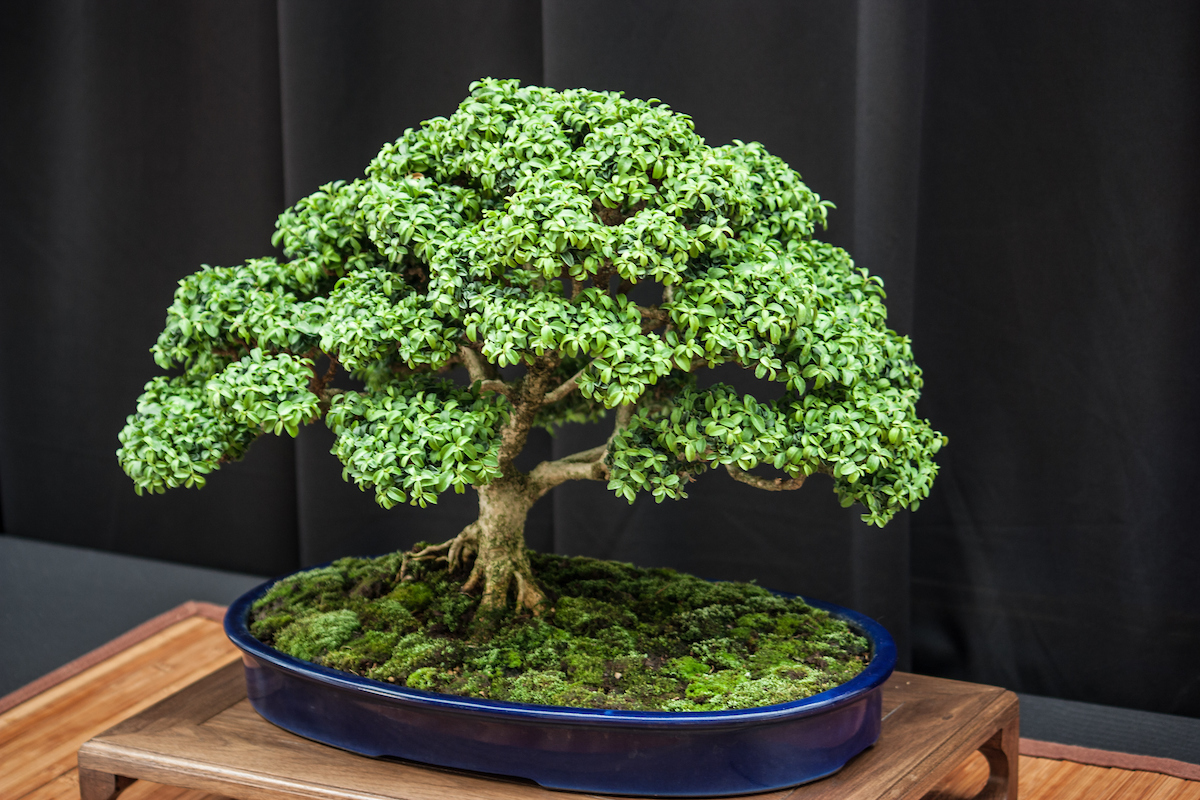
Sustainable Soil and Substrates
The foundation of any healthy bonsai is, naturally, the soil. Traditional bonsai soil mixes often consist of akadama, pumice, and lava rock. While these components offer excellent drainage and aeration – qualities vital for bonsai health – they aren’t without their environmental drawbacks. Akadama, as mentioned before, is imported from Japan, incurring significant transportation costs and emissions. Pumice and lava rock, while more readily available in some regions, still require energy for mining and processing.
Fortunately, there's a growing range of sustainable alternatives. Locally sourced materials should be your first consideration. Depending on your region, this might include decomposed granite, river sand, or even well-rotted bark. Compost-based mixes, while requiring careful monitoring to ensure proper drainage, can provide a nutrient-rich and sustainable base. Biochar, a charcoal-like substance produced from biomass, is another excellent addition, improving drainage, aeration, and nutrient retention.
Creating your own soil blend allows for greater control and customization. A basic recipe might include equal parts of locally sourced grit (like decomposed granite), compost, and a drainage amendment like perlite or pumice. Experimentation is key, and the ideal mix will vary depending on the species of bonsai and your local climate. Remember that good drainage is paramount – bonsai roots are susceptible to rot in overly saturated conditions.
Consider the pH level of your soil as well. Most bonsai prefer a slightly acidic to neutral pH, around 6.0 to 7.0. You can test your soil with a simple kit from a garden center. Adding lime can raise the pH, while adding sulfur can lower it. Building a sustainable soil mix isn’t just about avoiding harmful ingredients; it’s about creating a thriving environment for your tree.
- Akadama: Imported clay granule, excellent drainage, high transportation costs.
- Pumice: Volcanic rock, good drainage, energy-intensive mining.
- Lava Rock: Volcanic rock, good drainage, energy-intensive mining.
- Decomposed Granite: Locally sourced, good drainage, sustainable option.
- Compost: Nutrient-rich, sustainable, requires careful monitoring for drainage.
- Biochar: Improves drainage, aeration, and nutrient retention, sustainable.
Bonsai Soil Component Comparison: Sustainability & Properties (2026)
| Soil Component | Water Retention | Drainage | Sustainability | Typical pH |
|---|---|---|---|---|
| Akadama | High | Moderate | Lower - Requires kiln firing, resource intensive. Sourcing impacts sustainability. | 6.0 - 6.5 (Slightly Acidic) |
| Pumice | Moderate | Excellent | Good - Volcanic rock, relatively abundant, lightweight to transport. | 6.0 - 7.0 (Neutral to Slightly Alkaline) |
| Lava Rock | Low | Excellent | Good - Volcanic rock, durable, provides good aeration. | 7.0 - 8.0 (Slightly Alkaline to Alkaline) |
| Compost (Well-Rotted) | High | Moderate to Good (depending on particle size) | High - Utilizes recycled organic matter, reduces waste. Sourcing matters (avoid peat). | 6.0 - 7.5 (Slightly Acidic to Neutral) |
| Biochar | Moderate to High | Good | Very High - Sequestered carbon, produced from waste biomass, improves soil health. | 6.5 - 7.5 (Neutral to Slightly Alkaline) |
| Coco Coir | High | Moderate | Moderate - Byproduct of coconut processing, renewable resource, but transport can be impactful. | 6.0 - 7.0 (Slightly Acidic to Neutral) |
Illustrative comparison based on the article research brief. Verify current pricing, limits, and product details in the official docs before relying on it.
Recycled & Reclaimed Pots
The production of ceramic bonsai pots can have a considerable environmental impact, from the mining of clay to the energy-intensive firing process. Moving away from commercially produced pots is a significant step towards a more sustainable practice. This doesn’t mean sacrificing aesthetics; it simply requires a bit of creativity and resourcefulness.
Salvaged containers are an excellent starting point. Old teacups, bowls, even metal cans (with appropriate drainage holes) can be repurposed as bonsai pots. The key is to ensure adequate drainage and to consider the aesthetic compatibility with your tree. Don’t be afraid to experiment with different shapes, sizes, and materials. A pot doesn't need to be specifically designed for bonsai to work well.
Repurposing broken pottery is another option. Fragments can be used to create unique drainage layers or to add texture to the pot’s surface. You can even create entirely new pots from broken shards using a strong adhesive. Creating your own pots from natural materials, like clay you find locally, is the most sustainable route, though it requires more skill and effort.
When modifying containers for drainage, be careful not to compromise their structural integrity. Drill holes slowly and carefully, using a masonry drill bit for ceramic or metal. Consider adding a layer of gravel or mesh to prevent soil from clogging the drainage holes. Remember, a second life for an object is often more beautiful than its first.
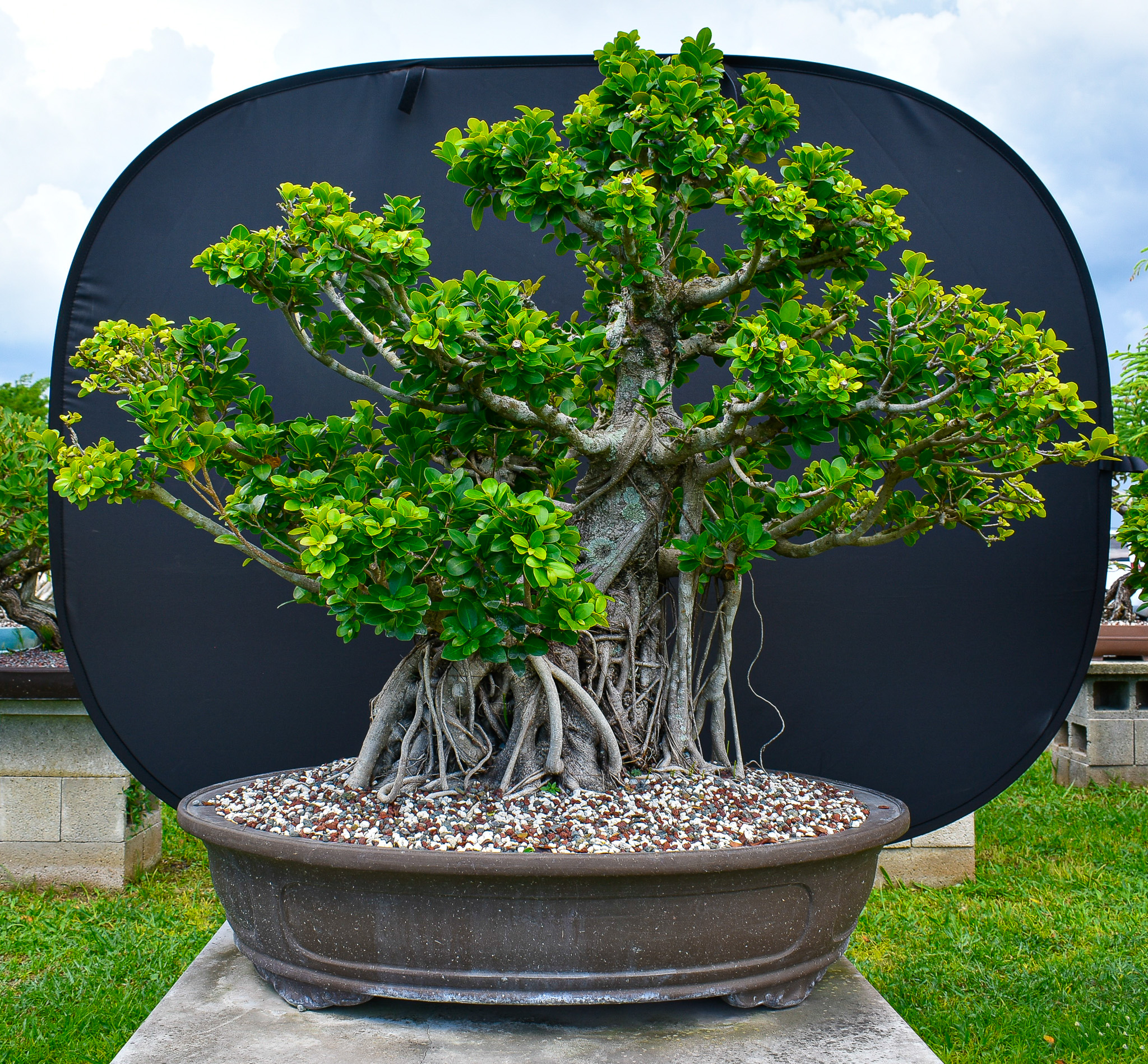
Water Conservation Techniques
Bonsai, by their nature, require regular watering due to the limited volume of soil in their containers. However, this doesn’t mean we should be wasteful with water. Implementing efficient watering techniques is crucial for sustainable bonsai care. A watering can with a fine rose is ideal, as it delivers water gently and evenly, minimizing runoff.
Bottom watering is another effective method. Place the bonsai pot in a shallow tray of water and allow the soil to absorb moisture from below. This encourages deeper root growth and reduces water loss through evaporation. Grouping your bonsai together can also create a microclimate that helps retain humidity and reduce water requirements.
Rainwater harvesting is a fantastic way to obtain a sustainable water source. A simple rain barrel can collect significant amounts of water, which is naturally soft and free of chemicals. Be sure to cover the barrel to prevent mosquito breeding. Understanding your tree’s specific water needs is also essential. Different species, climates, and pot sizes will all influence watering frequency.
Overwatering is just as detrimental as underwatering. Soggy soil deprives the roots of oxygen, leading to root rot. Check the soil moisture level before watering by inserting your finger an inch or two into the soil. If it feels moist, hold off on watering. A good rule of thumb is to water thoroughly when the soil surface feels dry to the touch.
- Watering can with a fine rose: Gentle and even water delivery.
- Bottom watering: Encourages deeper root growth, reduces evaporation.
- Grouping plants: Creates a microclimate, retains humidity.
- Rainwater harvesting: Sustainable water source, soft and chemical-free.
Organic Fertilization & Pest Control
Conventional bonsai fertilizers often contain synthetic chemicals that can harm the environment. Switching to organic alternatives is a key component of sustainable bonsai care. Compost tea, made by steeping compost in water, is a gentle and effective fertilizer. Worm castings, the byproduct of worm composting, are another excellent source of nutrients.
Fish emulsion and seaweed extract are also popular organic fertilizers, providing a range of micronutrients. When using organic fertilizers, it’s important to apply them more frequently, as they release nutrients more slowly than synthetic fertilizers. Regularly monitoring your tree for signs of nutrient deficiencies – such as yellowing leaves or stunted growth – is crucial.
Pest control can also be handled organically. Introducing beneficial insects, like ladybugs, can help control aphid populations. Neem oil is a natural insecticide and fungicide, effective against a wide range of pests and diseases. Hand-picking pests is a simple but effective method for small infestations. A healthy tree is naturally more resistant to pests and diseases, so focusing on overall tree health is the best defense.
Diagnosing nutrient deficiencies accurately is important before applying any fertilizer. A soil test can help determine which nutrients are lacking. Avoid over-fertilizing, as this can lead to salt buildup in the soil and damage the roots. Remember, organic fertilization is about building a healthy soil ecosystem, not just providing a quick fix.
- Compost tea: Gentle, effective fertilizer.
- Worm castings: Nutrient-rich, excellent soil amendment.
- Fish emulsion: Provides a range of micronutrients.
- Seaweed extract: Provides a range of micronutrients.
- Neem oil: Natural insecticide and fungicide.
Pruning & Waste Reduction
Pruning is an essential part of bonsai cultivation, shaping the tree and maintaining its miniature size. However, the clippings generated during pruning often end up as waste. Reducing this waste is another aspect of sustainable bonsai care. Composting pruned branches and leaves is an excellent way to recycle nutrients back into the soil.
Smaller branches and leaves can be added directly to your compost bin, while larger branches may need to be chipped or broken down first. Root cuttings from pruned branches can be used to propagate new bonsai trees. Larger branches can be creatively used to make decorative elements, such as small garden ornaments or plant supports.
Using sharp tools is crucial for clean cuts, which promote healing and reduce the risk of disease. Dull tools can crush the branches, leaving ragged edges that are susceptible to infection. Regularly sharpen your bonsai shears and knives to ensure optimal performance. A clean cut also looks better, contributing to the overall aesthetic of the tree.
I’m still researching the best methods for composting bonsai material specifically, as some species may contain compounds that inhibit decomposition. However, generally, a well-maintained compost bin with a good mix of green and brown materials should be able to handle most bonsai pruning waste.
Choosing Sustainable Bonsai Species
Some bonsai species are inherently more sustainable to grow than others, depending on your climate and local availability. Native species are an excellent starting point, as they are already adapted to the local environment and require less intervention – less watering, less fertilization, and less pest control. They also support local ecosystems.
Exploring species that are readily available from sustainable nurseries is another important consideration. Avoid purchasing trees that have been collected from the wild, as this practice can damage natural ecosystems. Ethical sourcing is paramount. Look for nurseries that prioritize conservation and responsible growing practices.
Species that are naturally resistant to common pests and diseases will also require less intervention. For example, certain juniper varieties are known for their resilience, while others are more susceptible to scale insects. Consider the long-term maintenance requirements of a species before choosing it for your bonsai collection.
Think about the climate you live in. A Japanese maple might thrive in a temperate climate, but it would struggle in a desert environment. Choosing a species that is well-suited to your local conditions will reduce the need for artificial support and create a more sustainable growing environment.
- Native species: Adapted to local environment, requires less intervention.
- Sustainable nurseries: Prioritize conservation, responsible growing practices.
- Resistant species: Less susceptible to pests and diseases.
- Climate-appropriate species: Thrives in local conditions, reduces artificial support.
Beginner-Friendly Bonsai Species
- Juniper Procumbens Nana (Japanese Garden Juniper) - Highly adaptable and drought-tolerant. Requires full sun. Sustainable due to low water needs and readily available propagation material. Relatively easy to prune and shape.
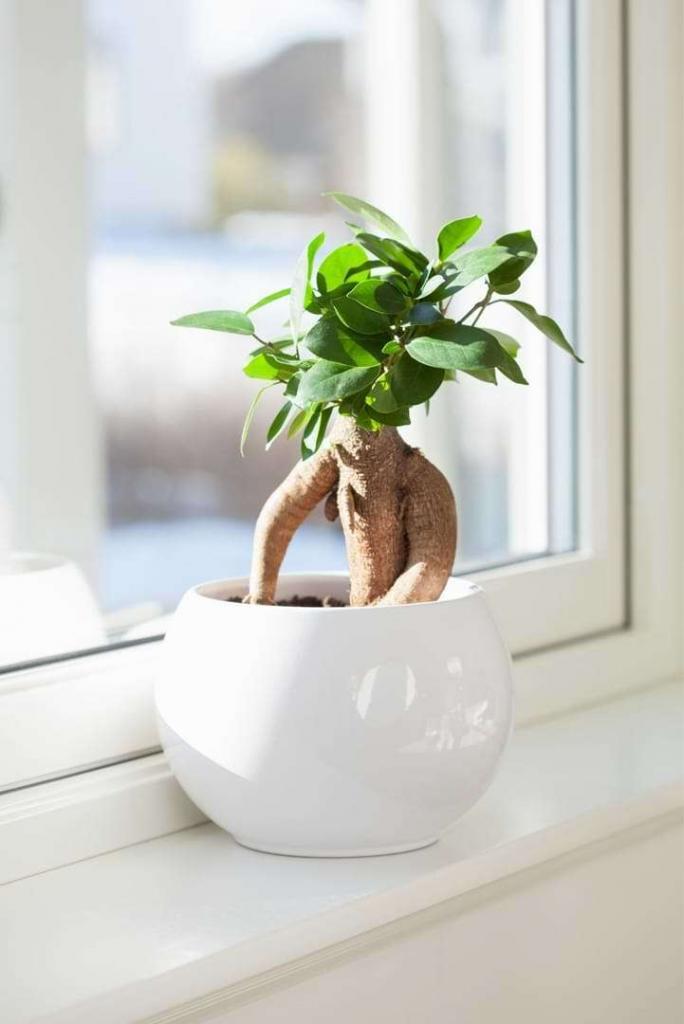
- Ficus Retusa (Fig) - Thrives indoors with bright, indirect light. Very forgiving and tolerates inconsistent watering. Sustainable as it grows quickly from cuttings. Excellent for beginners in warmer climates.
- Chinese Elm (Ulmus parvifolia) - Deciduous, offering seasonal interest. Adaptable to various conditions, but prefers full sun. Sustainable due to fast growth and ability to recover from heavy pruning.
- Japanese Maple (Acer palmatum) - Best suited for cooler climates. Known for stunning fall foliage. Requires consistent moisture and protection from harsh winds. Sourcing from reputable nurseries that practice sustainable forestry is key.
- Dwarf Jade (Portulacaria afra) - Succulent, extremely drought tolerant and easy to propagate. Prefers bright light and well-draining soil. Sustainable due to minimal water requirements and resilience.
- Cotoneaster Horizontalis - A hardy, evergreen shrub that adapts well to bonsai culture. Prefers full sun and well-drained soil. Sustainable due to its ability to thrive with minimal intervention and propagation via cuttings.
Resources and Further Learning
The journey towards sustainable bonsai care is a continuous learning process. There are numerous resources available to help you expand your knowledge and refine your techniques. The Bonsai Empire website (bonsaiempire.com) offers a wealth of information on bonsai care, styling, and cultivation. Evergreen Gardenworks (evergreengardenworks.com) provides guidance on starting your first bonsai.
Local bonsai clubs and workshops are also invaluable resources. These groups offer opportunities to learn from experienced practitioners, share knowledge, and connect with fellow enthusiasts. Search online for bonsai clubs in your area. Many botanical gardens and horticultural societies also offer bonsai workshops.
Books dedicated to sustainable gardening practices can provide broader context and inspiration. Look for titles that focus on organic gardening, permaculture, and ecological landscaping. Remember that experimentation is key. Don't be afraid to try new techniques and adapt them to your own unique circumstances.
The most important thing is to approach bonsai with a mindful and respectful attitude. By embracing sustainable practices, we can ensure that this beautiful art form continues to thrive for generations to come. Continuous learning and a commitment to environmental responsibility are the hallmarks of a true bonsai enthusiast.
- Bonsai Empire: bonsaiempire.com
- Evergreen Gardenworks: evergreengardenworks.com
- Local Bonsai Clubs: Search online for groups in your area.
- Botanical Gardens/Horticultural Societies: Look for workshops and classes.
No comments yet. Be the first to share your thoughts!