

First Bonsai: What to Consider
Starting with bonsai might seem intimidating, with a perception that it's incredibly difficult and requires years of dedicated study. This isn't true. While mastery takes time, anyone can successfully grow and enjoy a bonsai tree. The first step is understanding the commitment involved; these are living things with specific needs, and they rely on you for their well-being.
When I first started, I was terrified of doing something wrong. I’d read about the importance of precise pruning and watering schedules and felt overwhelmed. But I quickly learned that bonsai is more about observation and responsiveness than rigid rules. It’s a collaboration between you and the tree, a process of learning together.
Bonsai aren't houseplants, but they aren't demanding agricultural projects either. They need adequate light – most species prefer several hours of direct sunlight daily – proper watering, and protection from extreme temperatures. A dark corner of your home isn't suitable; these trees thrive with attention. Think of it as a living art form, not a test of horticultural skill.
Success with bonsai isn’t about achieving a perfectly styled miniature tree. It’s about the journey of nurturing a living thing, appreciating its beauty, and learning from both successes and failures. Don't be afraid to experiment, to make mistakes, and to enjoy the process. The reward is a connection to nature and a unique form of artistic expression.
Species Spotlight: Beginner-Friendly Trees
Choosing the right species is arguably the most important decision when starting out. Some trees are more forgiving than others, and certain species are better suited to indoor environments. Many beginners get discouraged because they started with a tree that was too challenging for their skill level. Juniper procumbens 'Nana' is consistently recommended, and for good reason.
Juniper (Juniperus) is a classic choice for beginners. They are remarkably tolerant of pruning and can withstand a degree of neglect. They need plenty of sunlight and well-draining soil. However, they’re sensitive to overwatering, so allow the soil to dry out between waterings. They are generally very affordable, with small starter trees available for around $20-$40.
Ficus (Ficus retusa) is another excellent option, particularly for indoor bonsai. They are incredibly adaptable and can tolerate lower light levels than junipers. They respond well to pruning and wiring, making them easy to style. Ficus also demonstrate new growth quickly, offering visual encouragement. You can expect to pay $30-$60 for a young ficus bonsai.
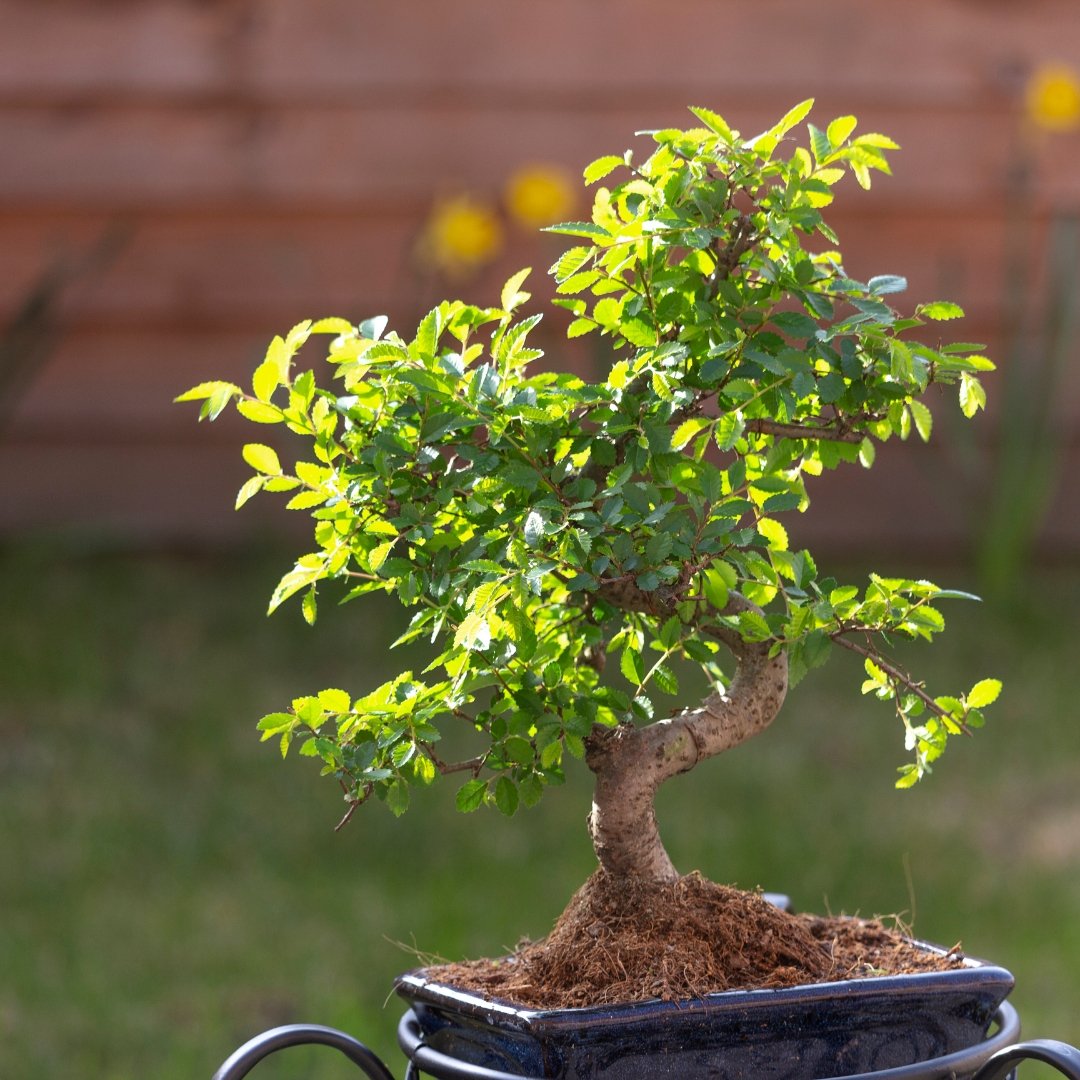
Chinese Elm (Ulmus parvifolia) is a deciduous tree that offers beautiful fall color. They are relatively fast-growing and can be pruned aggressively to create interesting shapes. They need bright, indirect light and regular watering. They are a bit more sensitive to temperature fluctuations than junipers or ficus, so consistent conditions are important. A small Chinese Elm can be found for $25-$50.
I also recommend Dwarf Jade (Portulacaria afra), often mistaken for a bonsai, but it’s a succulent. It’s incredibly drought-tolerant and easy to propagate. It's great for beginners who tend to underwater. It needs bright light and well-draining soil, and can be purchased for $15-$30. Finally, Japanese Maple (Acer palmatum) are beautiful, but I would advise against them for a first tree. They require very specific conditions and are prone to problems if not cared for correctly.
Availability varies by location. Junipers and Ficus are generally easy to find at most nurseries and garden centers. Chinese Elms and Dwarf Jade may be harder to locate, but are often available online. Japanese Maple are commonly found in the spring and fall.
- Juniper (Juniperus) - $20-$40
- Ficus (Ficus retusa) - $30-$60
- Chinese Elm (Ulmus parvifolia) - $25-$50
- Dwarf Jade (Portulacaria afra) - $15-$30
Recommended Bonsai Species for Beginners
| Species Name | Light Needs | Water Needs (Frequency) | Hardiness | Difficulty (1-5, 1=Easy) | Common Issues |
|---|---|---|---|---|---|
| Juniper Procumbens Nana | High | Regular, allow soil surface to slightly dry | Outdoor | 2 | Susceptible to spider mites; requires good air circulation. |
| Chinese Elm (Ulmus parvifolia) | Medium | Regular, keep soil consistently moist but not soggy | Indoor/Outdoor | 2 | Can be prone to fungal diseases if overwatered. |
| Ficus Retusa | Medium to High | Moderate, allow top inch of soil to dry | Indoor | 2 | Sensitive to cold drafts; leaf drop can occur with sudden changes. |
| Dwarf Jade (Portulacaria afra) | High | Infrequent, allow soil to dry completely between waterings | Indoor/Outdoor | 1 | Root rot if overwatered; mealybugs can be a problem. |
| Japanese Maple (Acer palmatum) | Medium to High | Regular, especially during growing season | Outdoor | 3 | Susceptible to aphids and scale; requires winter protection in colder climates. |
| Hawaiian Schefflera (Schefflera arboricola) | Medium | Moderate, allow topsoil to dry | Indoor | 1 | Can be sensitive to fluoride in tap water; may develop brown leaf tips. |
Illustrative comparison based on the article research brief. Verify current pricing, limits, and product details in the official docs before relying on it.
Size and Style: Matching Tree to Space
Before you bring a bonsai home, consider where it will live. This isn't just about aesthetics; it's about providing the tree with the right conditions to thrive. A large, sprawling bonsai won’t do well on a small windowsill, and a delicate, indoor species won’t survive outdoors in harsh weather. Consider both the available space and the amount of light.
Bonsai styles also influence how they fit into a space. Formal upright (Chokkan) bonsai have a straight, tapering trunk and a symmetrical crown. They are best suited for spacious environments where they can be viewed from all angles. Informal upright (Moyogi) bonsai have a curved trunk and a more naturalistic appearance. They are a good choice for smaller spaces or for those who prefer a more relaxed aesthetic.
Cascade (Kengai) bonsai have a trunk that descends below the base of the pot, creating a dramatic, waterfall-like effect. These require special display stands and are best suited for experienced growers. Smaller, more compact styles like raft (Ikadabuki), where the trunk grows horizontally, can also work well in limited spaces.
Don’t overestimate your ability to provide the right conditions. It’s better to start with a smaller, more manageable tree that you can successfully care for than to try to force a larger, more demanding species to thrive. A well-cared-for small bonsai is far more rewarding than a struggling, neglected large one.
Budget Breakdown: Costs Beyond the Tree
The price of the bonsai tree itself is just the beginning. Several other essential expenses need to be factored into your budget. A good quality bonsai pot can cost anywhere from $20 to $100 or more, depending on the material and design. Don’t skimp on the pot; it’s an integral part of the overall aesthetic and contributes to the tree’s health by providing proper drainage.
Bonsai soil is more expensive than regular potting soil. It needs to be well-draining and provide good aeration for the roots. A basic mix of akadama, pumice, and lava rock costs around $20-$30 for a small bag. You’ll also need fertilizer, which can range from $10 to $20 per bottle. Pruning shears are a must-have, and a decent pair will cost $25-$50.
Other potential expenses include wire for shaping the branches (around $1
Where can you save money? You can often reuse pots from other plants, and you can create your own bonsai soil mix if you're willing to do a little research. However, don't skimp on pruning shears; a sharp, high-quality pair is essential for making clean cuts and preventing disease.
- Bonsai Pot: $20 - $100+
- Bonsai Soil: $20 - $30 per bag
- Fertilizer: $10 - $20 per bottle
- Pruning Shears: $25 - $50
- Wire: $10 - $20 per roll
- Humidity Tray: $15 - $30
- Watering Can: $10 - $20
Featured Products

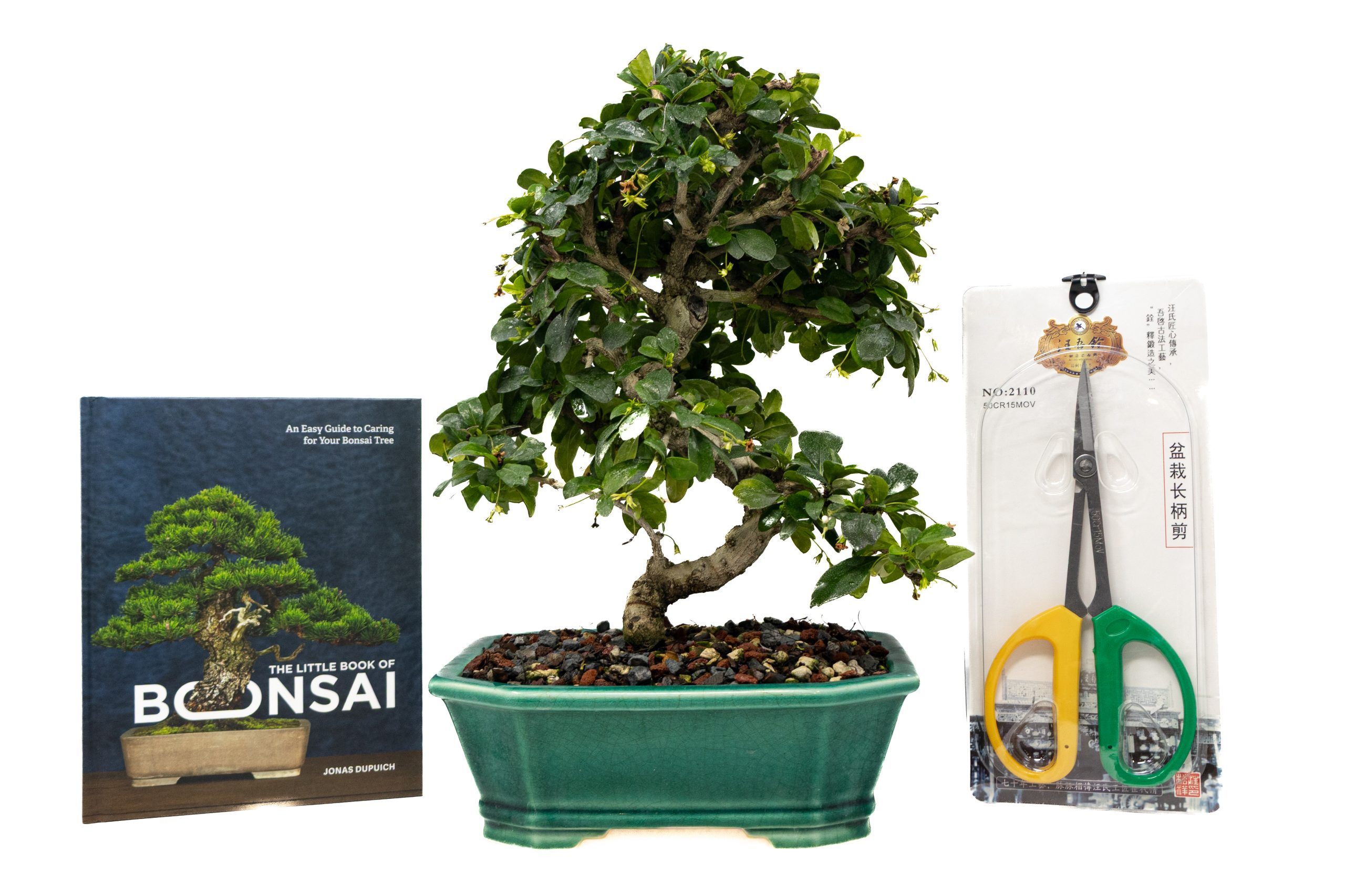
Includes live bonsai tree · DIY craft kit · Suitable for indoor gardening
This kit provides a live plant and all necessary components for a hands-on indoor gardening experience, perfect for beginners.

Contains 5 unique Japanese bonsai trees · Includes tools and planters · Complete indoor starter kit
Offering multiple tree options and essential tools, this comprehensive kit is designed to guide absolute beginners through the process of growing bonsai plants.
Contains 5 unique Japanese bonsai trees · Includes tools and planters · Complete indoor starter kit
Offering multiple tree options and essential tools, this comprehensive kit is designed to guide absolute beginners through the process of growing bonsai plants.

Includes a 6-year-old Japanese Juniper · Complete do-it-yourself kit · Note: Cannot ship to CA & HI
This kit features a mature Japanese Juniper and all necessary supplies for a DIY bonsai project, though shipping restrictions apply.
Contains 5 unique Japanese bonsai trees · Includes tools and planters · Complete indoor starter kit
Offering multiple tree options and essential tools, this comprehensive kit is designed to guide absolute beginners through the process of growing bonsai plants.
As an Amazon Associate I earn from qualifying purchases. Prices may vary.
Where to Buy: Nurseries vs. Online
You have two main options when purchasing your first bonsai: a local bonsai nursery or an online retailer. Each has its own advantages and disadvantages. A local nursery allows you to see the tree in person, assess its health, and get expert advice from experienced growers. You can also build a relationship with the nursery staff and benefit from their ongoing support.
However, nurseries often have a limited selection, and prices may be higher than online. Online retailers, like Brussel Bonsai or Eastern Leaf, offer a much wider variety of trees and often have more competitive prices. They also ship directly to your door, which is convenient if you don't have a nursery nearby. But you can't inspect the tree before you buy it, and you're relying on the retailer to accurately represent its condition.
When buying online, look for retailers with clear return policies and positive customer reviews. Check for photos of the actual tree you'll be receiving, not just stock photos. If you're considering a nursery, visit it during business hours and talk to the staff. Ask about their experience, their tree care practices, and their return policy. A reputable nursery will be happy to answer your questions and provide guidance.
Be wary of extremely low prices, as these may indicate poor quality or unhealthy trees. Remember, a healthy, well-cared-for bonsai is worth the investment. Don’t hesitate to ask questions and do your research before making a purchase.
Essential Tools: The Bare Minimum
You don't need a fully equipped workshop to start with bonsai, but a few essential tools are necessary. Concave cutters are used to remove branches flush with the trunk, creating a clean, natural-looking wound. Knob cutters are used to remove larger branches or to create deadwood features. A good pair of scissors is essential for trimming leaves and small branches.
Wire cutters are needed for cutting bonsai wire, which is used to shape the branches. Don't use ordinary wire cutters, as they can damage the wire and make it difficult to work with. Invest in a pair specifically designed for bonsai wire. I recommend the Knipex 903180, they're a bit pricey at around $50, but they will last a lifetime.
You’ll also need a small rake or root hook for loosening the soil during repotting. While not strictly essential, a chopstick or similar tool can be helpful for gently working the soil around the roots. I’ve used bamboo skewers with great success when starting out.
Keep your tools clean and sharp. Dull tools can damage the tree and increase the risk of disease. After each use, clean your tools with rubbing alcohol or a disinfectant solution. Sharpen them regularly to maintain their cutting edge. A little maintenance will go a long way in ensuring your tools last for years.
Essential Bonsai Tools for Your First Tree

8.4 inch manganese steel alloy construction · Sharp blade with round edge for clean cuts · Designed for pruning bonsai branches and knobs
This essential tool will help you properly prune your new bonsai tree, ensuring its health and aesthetic development.

Professional grade wire cutter · Made from 4Cr13MoV alloy steel · 205 mm length for effective wire cutting
This essential tool will help you properly wire your new bonsai tree, ensuring its health and aesthetic development.

Stainless steel construction · 3-prong design for loosening soil · Includes a thickened non-slip handle and spatula
This essential tool will help you properly care for your new bonsai tree, ensuring its health and aesthetic development.
As an Amazon Associate I earn from qualifying purchases. Prices may vary.
Avoiding Common Beginner Mistakes
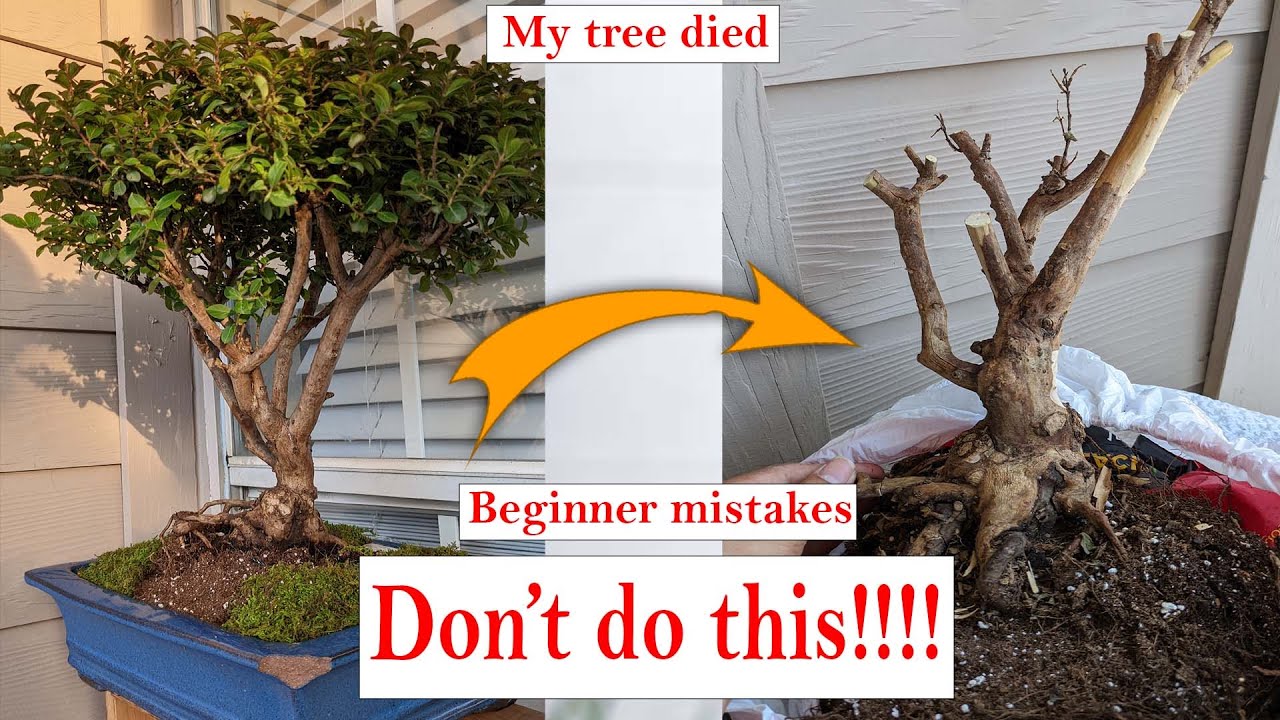
Beginners often make the same mistakes. The most common is overwatering. Bonsai soil needs to drain well, and allowing the soil to stay constantly wet can lead to root rot. Check the soil moisture regularly by sticking your finger an inch or two into the soil. Water only when the soil feels dry to the touch.
Underwatering is also a problem, especially during hot, dry weather. Signs of underwatering include wilting leaves and dry, brittle soil. Improper pruning is another common mistake. Avoid removing too much foliage at once, as this can weaken the tree. Prune selectively, removing only dead, diseased, or crossing branches. Always research the specific pruning needs of your species.
Using the wrong soil is a surefire way to kill a bonsai. Regular potting soil is too dense and doesn't provide adequate drainage. Use a well-draining bonsai soil mix, as mentioned earlier. Neglecting repotting is also a common error. Bonsai need to be repotted every 1-3 years to refresh the soil and prevent the roots from becoming pot-bound.
Don't be discouraged if you make mistakes. Even experienced bonsai artists lose trees sometimes. The key is to learn from your errors and to keep experimenting. Join a local bonsai club or online forum to connect with other enthusiasts and share your experiences. Remember, patience and persistence are essential for success with bonsai. And remember, it's a learning process.
No comments yet. Be the first to share your thoughts!