

Seven trees for beginners
Choosing the right bonsai tree is the first, and arguably most important, step. Some species are far more forgiving than others, making them ideal for beginners. We've compiled a list of seven indoor bonsai trees that are known for their resilience and adaptability. These are ranked from easiest to more challenging, though all are manageable with a little care.
Keep in mind that 'beginner-friendly' doesn't mean 'no effort.' All bonsai require consistent attention to light, water, and pruning. But these seven species are more tolerant of minor mistakes, giving you room to learn as you go. We'll cover each one in detail, including its specific needs and potential challenges.
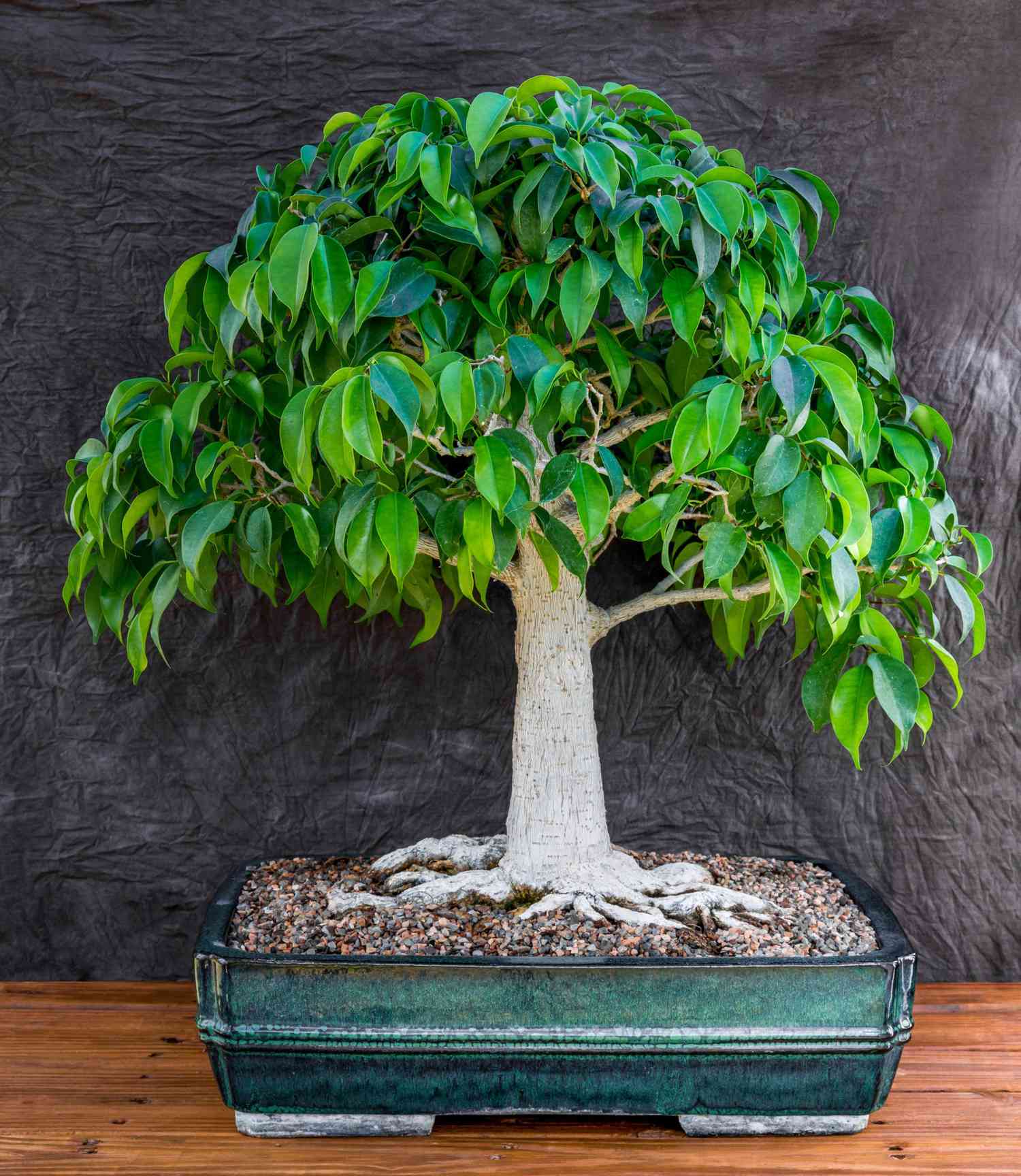
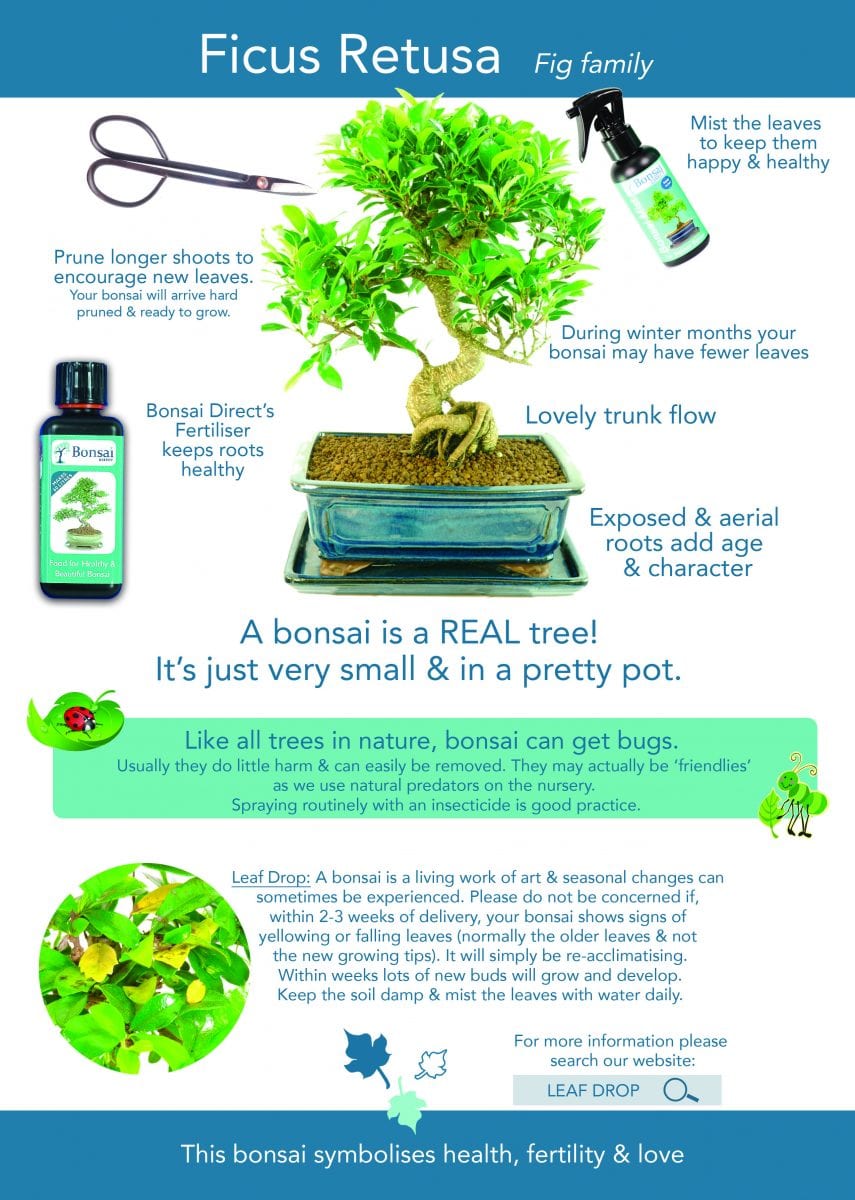
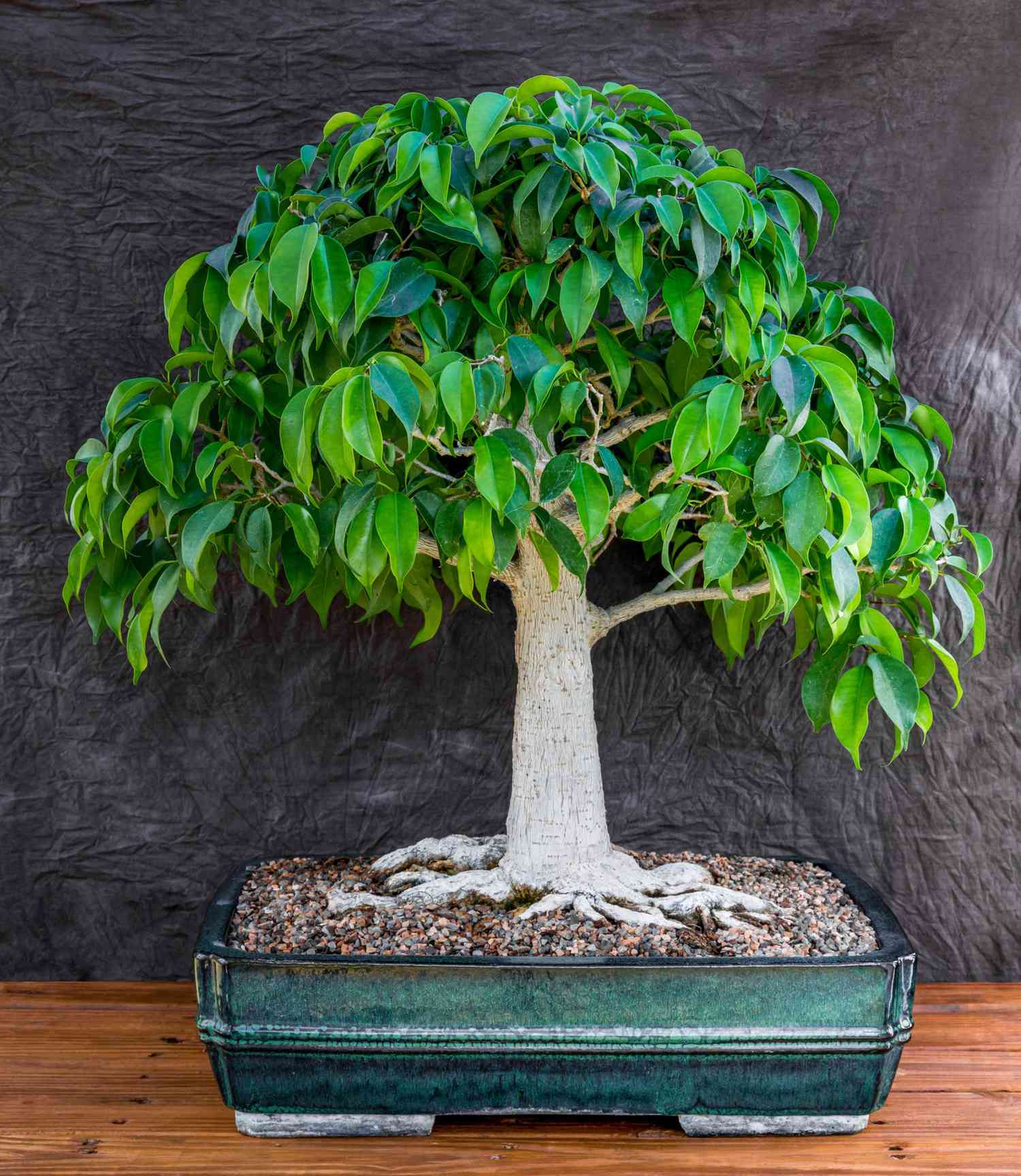
- Ficus Retusa (Fig Bonsai): This is the most resilient indoor tree I've found. It handles inconsistent watering and varying light levels without dropping all its leaves. It likes bright, indirect light (500-1000 lux) and soil that dries slightly between drinks. Watch out for scale insects, but they're easy to wipe off.
- Chinese Elm (Ulmus parvifolia): A popular choice for beginners, the Chinese Elm is fast-growing and responds well to pruning. It boasts attractive bark and delicate foliage. Light: Bright, indirect light (600-1200 lux). Water: Keep the soil consistently moist, but not soggy. Humidity: Prefers moderate humidity. Mature size: 8-16 inches. Personality: Fast-growing, responds well to training. Potential issues: Can be prone to spider mites in dry conditions.
- Hawaiian Umbrella Tree (Schefflera arboricola): This tree is known for its distinctive umbrella-shaped canopy and its ability to thrive in low-light conditions. Light: Low to bright indirect light (300-800 lux). Water: Allow the soil to dry out between waterings. Humidity: Average household humidity. Mature size: 10-20 inches. Personality: Tolerant of neglect, easy to propagate. Potential issues: Can develop brown leaf tips if humidity is too low.
- Jade Plant (Crassula ovata): Jades are succulents, so they're hard to kill unless you overwater them. They need bright, direct sun—more than most on this list. Let the soil dry out completely before you even think about watering again. It's a great choice if you tend to forget your plants for a week or two.
- Dwarf Pomegranate (Punica granatum "Nana"): This miniature pomegranate tree produces tiny, edible fruits and beautiful flowers. Light: Bright, direct sunlight (1000-2000 lux). Water: Keep the soil consistently moist during the growing season, reduce watering in winter. Humidity: Prefers moderate humidity. Mature size: 12-24 inches. Personality: Rewarding to grow, produces fruit. Potential issues: Requires consistent sunlight to flower and fruit.
- Serissa foetida (Snow Rose): Known for its delicate white flowers, the Snow Rose is a beautiful but slightly more demanding bonsai. Light: Bright, indirect light (700-1400 lux). Water: Keep the soil consistently moist. Humidity: Prefers high humidity. Mature size: 12-18 inches. Personality: Elegant, rewarding when conditions are right. Potential issues: Sensitive to changes in environment, susceptible to spider mites.
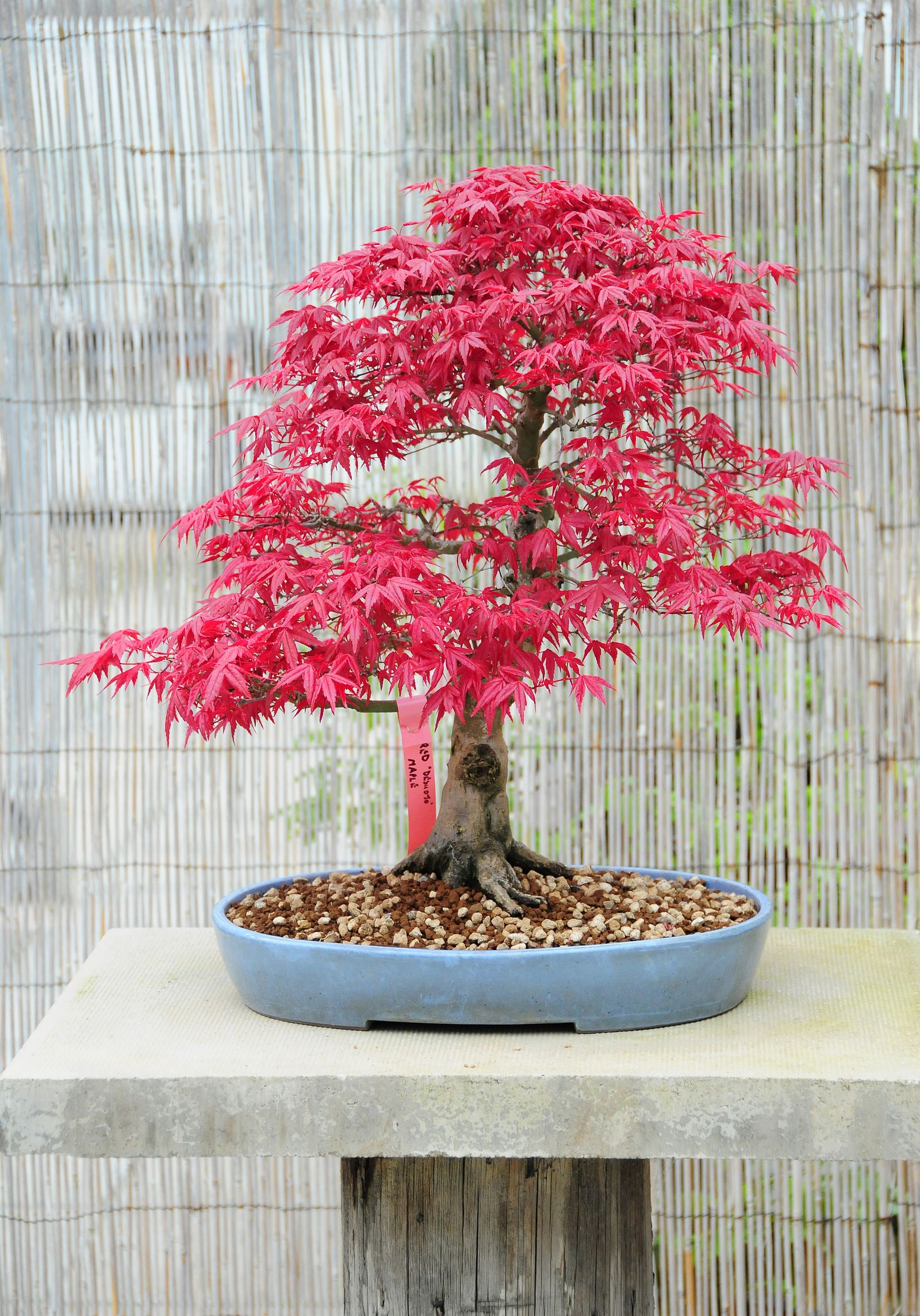
- Japanese Maple (Acer palmatum – indoor varieties): While typically an outdoor tree, certain Japanese Maple cultivars can thrive indoors with proper care. This is the most challenging on the list. Light: Bright, indirect light (800-1500 lux) with supplemental lighting in winter. Water: Keep the soil consistently moist, but well-draining. Humidity: High humidity is essential. Mature size: 12-24 inches. Personality: Stunning foliage, requires consistent attention. Potential issues: Susceptible to root rot and pests, requires careful monitoring.
Getting the light right
Light is the biggest hurdle. Since these trees aren't outside, they depend on your window placement to survive. Direct light means the sun hits the leaves without any obstacles. Indirect or filtered light is what you get when the sun passes through a sheer curtain or bounces off a nearby wall.
Window orientation plays a significant role. South-facing windows provide the most intense light, followed by east and west-facing windows. North-facing windows offer the least amount of light. A light meter can be a helpful tool for measuring light intensity in lux. Generally, most indoor bonsai prefer between 600 and 1500 lux, though this varies by species.
In many cases, especially during winter or in homes with limited natural light, supplemental lighting is necessary. LED grow lights are a popular choice, as they are energy-efficient and produce minimal heat. Fluorescent grow lights are another option, but they are less efficient and produce more heat. The wattage of the grow light will depend on the species and the distance from the tree, but a good starting point is around 20-40 watts for a small bonsai.
Essential Bonsai Gear for Beginners: Your All-in-One Amazon Shopping List

Includes 5 bonsai starter kits · Suitable for indoor growing · Comes with tools and planters
This kit offers a comprehensive introduction to bonsai cultivation, equipping beginners with all the necessary components to begin their journey.

Rectangular design · Promotes humidity for plant health · Prevents water damage to surfaces
Essential for maintaining optimal humidity levels around bonsai trees, these trays help prevent dehydration and support healthier root systems.

Full spectrum 48 LEDs · Height adjustable with base · 3 optional spectrums
This versatile grow light ensures your bonsai receives adequate light for photosynthesis, crucial for healthy growth and development, especially in low-light indoor environments.

Durable stainless steel construction · Precision pruning · Suitable for branches and leaves
Sharp and precise pruning shears are vital for maintaining the aesthetic form and health of bonsai trees, allowing for clean cuts and controlled shaping.

5 rolls of anodized aluminum wire · Includes wire cutter · Various thicknesses (1/1.5/2.0mm)
Training wire is essential for styling bonsai, allowing beginners to gently bend and position branches and trunks to achieve the desired artistic form.
As an Amazon Associate I earn from qualifying purchases. Prices may vary.
Water and humidity
Overwatering and underwatering are the two most common mistakes made by beginner bonsai enthusiasts. Both can quickly lead to the decline of your tree. The "finger test" is a simple and effective way to determine if your bonsai needs water: stick your finger about an inch into the soil. If it feels dry, it's time to water. If it feels moist, wait a day or two.
The type of soil you use is also critical. Bonsai soil should be well-draining to prevent root rot. A typical bonsai soil mix consists of akadama (a Japanese clay granule), pumice, and lava rock. These materials provide excellent drainage and aeration. Avoid using regular potting soil, as it retains too much water.
Humidity is another important factor, especially for indoor bonsai. Most indoor environments are drier than what bonsai prefer. You can increase humidity by placing your bonsai on a humidity tray filled with pebbles and water, grouping plants together, or using a humidifier. Brown leaf tips are often a sign of low humidity.
Grow Light Comparison for Indoor Bonsai
| Light Type | Energy Efficiency | Heat Output | Spectrum Suitability | Initial Cost |
|---|---|---|---|---|
| LED | High | Low | Excellent - Customizable | Higher |
| Fluorescent | Medium | Medium | Good - Broad Spectrum | Medium |
| Incandescent | Low | High | Poor - Limited Spectrum | Lower |
| Full Spectrum LED | High | Low | Best - Closely mimics sunlight | Highest |
| Compact Fluorescent (CFL) | Medium | Low-Medium | Acceptable - Requires careful selection | Medium |
| T5 Fluorescent | Medium-High | Medium | Good - Popular for plant growth | Medium-High |
Qualitative comparison based on the article research brief. Confirm current product details in the official docs before making implementation choices.
Pruning and Shaping: Your Artistic Touch
Pruning is essential for maintaining the shape and health of your bonsai. There are two main types of pruning: maintenance pruning and structural pruning. Maintenance pruning involves removing new growth to maintain the tree's existing shape. Structural pruning involves removing larger branches to create a new shape or correct imbalances.
Wiring is a technique used to shape branches. It involves wrapping wire around the branch and gently bending it into the desired position. Use bonsai-specific wire, as it is annealed (softened) to prevent damage to the bark. Be careful not to wire too tightly, as this can restrict the flow of sap. Always remove the wire before it bites into the bark.
There are several classic bonsai styles, including formal upright, informal upright, cascade, and semi-cascade. Don’t feel pressured to achieve a specific style immediately. Pruning is about encouraging healthy growth and creating a visually pleasing form. It’s perfectly okay to start small and experiment. Remember, it’s better to prune a little at a time than to remove too much at once.
Repotting: When and How
Repotting is necessary when the bonsai becomes rootbound (the roots fill the pot) or when the soil becomes depleted of nutrients. Rootbound trees have difficulty absorbing water and nutrients, leading to stunted growth. The best time to repot is typically in the spring, just before the growing season begins.
Choose a pot that is slightly larger than the previous one. Use a well-draining bonsai soil mix. Gently remove the bonsai from its old pot, being careful not to damage the roots. Prune the roots, removing about one-third of the root mass. Place the bonsai in the new pot and fill it with fresh soil.
Repotting frequency depends on the species and growth rate. Young, fast-growing trees may need to be repotted every year or two, while older, slower-growing trees may only need to be repotted every three to five years. Always monitor your tree for signs of rootboundness, such as slow growth or difficulty absorbing water.
Troubleshooting: Common Issues and Fixes
Even with the best care, bonsai can sometimes encounter problems. Yellowing leaves can indicate overwatering, underwatering, or nutrient deficiencies. Leaf drop can be caused by stress, such as changes in temperature or humidity. Pest infestations, such as spider mites and scale, are also common.
Spider mites can be identified by the fine webbing on the leaves. Treat them with insecticidal soap or neem oil. Scale insects appear as small, brown bumps on the stems and leaves. Remove them manually with a cotton swab dipped in rubbing alcohol. Root rot is caused by overwatering and can be identified by mushy, brown roots. Repot the tree in fresh, well-draining soil and remove any affected roots.
Early detection is key to successfully treating bonsai problems. Regularly inspect your tree for signs of pests or disease. Don't hesitate to seek help from online forums or local bonsai clubs if you're unsure about a problem. Resources like the Bonsai Empire website () can also provide valuable information.
No comments yet. Be the first to share your thoughts!