

The shift toward water-wise bonsai
Drought is no longer an occasional nuisance; it is the new baseline for many gardeners. As we look toward 2026, keeping a bonsai collection alive requires a shift from constant irrigation to selecting species that actually enjoy a dry spell. We can keep the art form alive by picking trees that don't need a life-support system of daily watering.
Even established bonsai enthusiasts are re-evaluating the tree types they choose, looking for species that can withstand drier conditions. This isn't simply a matter of convenience; it’s about responsibility. We need to consider the environmental impact of our hobbies and make choices that minimize water usage. Choosing the right bonsai tree types is a huge step in that direction.
The idea isn't to neglect your trees, but to select species that naturally require less water. This reduces the strain on local resources and makes bonsai a more viable hobby in regions facing water scarcity. It’s about working with nature, not against it. A well-chosen, drought-resistant bonsai can be a beautiful and sustainable addition to any garden.
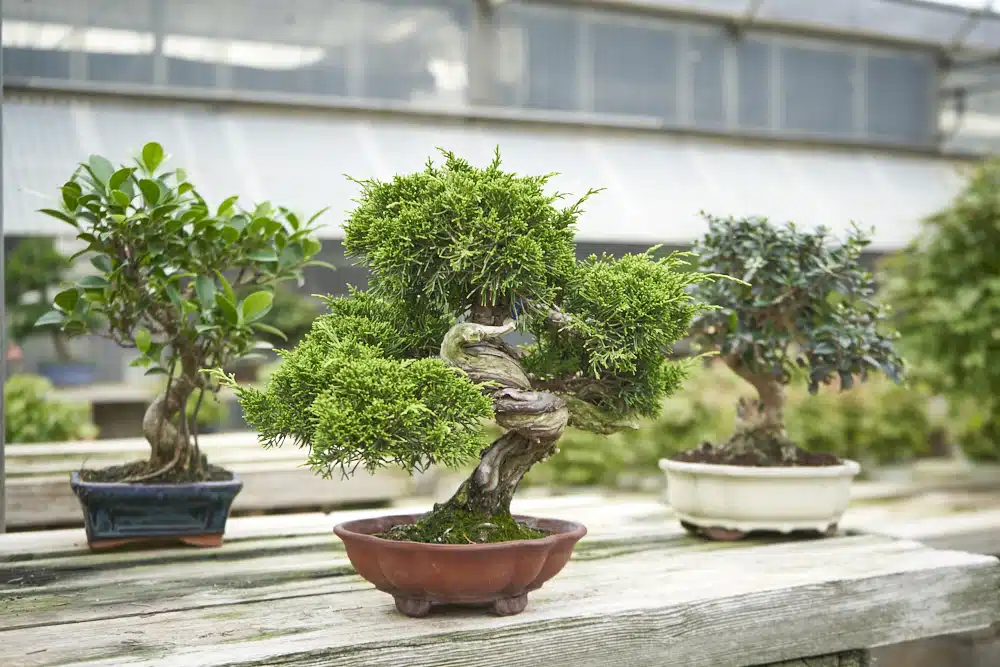
Juniper: the reliable desert native
When it comes to drought-tolerant bonsai, Juniper is often the first species that comes to mind, and for good reason. Juniperus procumbens 'Nana' is particularly well-suited for bonsai, owing to its naturally slow growth and ability to thrive in harsh conditions. These trees originate from rocky, dry areas, and have developed a remarkable capacity to store water.
Junipers possess a natural resilience that makes them forgiving for beginners. They aren't fussy about soil type, but a well-draining mix is still crucial – think a blend of akadama, pumice, and lava rock. Watering frequency should be reduced significantly during dormancy. I've personally seen Junipers flourish with minimal watering, even during extended dry spells.
To maximize drought tolerance, ensure your Juniper receives plenty of sunlight – at least six hours a day. Avoid over-fertilizing, as this can encourage rapid growth and increase water demand. Pruning should be done strategically to maintain shape and promote healthy growth, but avoid heavy pruning during hot, dry periods. Junipers truly are a dependable choice for a climate-smart bonsai collection.
Consider the "Blue Star’ Juniper as well, it’s quite popular and handles dry conditions well. It"s a bit more compact than the Nana, and the blue-grey needles add a beautiful contrast to other greens in your collection.
Olive: Mediterranean Majesty
The Olive tree (Olea europaea) brings a touch of the Mediterranean to your bonsai collection, and thankfully, its heritage translates beautifully into drought resistance. Native to the dry climates around the Mediterranean Sea, Olive trees are naturally adapted to periods of water scarcity. Their slow growth rate is a definite advantage for bonsai, allowing for meticulous shaping and refinement.
Olives thrive in full sun and tolerate poor soil conditions, but again, a well-draining mix is essential. They aren't demanding trees, and can often benefit from less water rather than more. This makes them a good choice for those who sometimes forget to water. The gnarled trunks that develop with age add a unique character to Olive bonsai.
Keeping Olives alive indoors can be tricky. They really need that bright sunlight and good air circulation. If grown indoors, supplemental lighting may be necessary. It’s also important to protect them from frost, as they are relatively tender trees. A mature Olive bonsai is a stunning specimen, but requires a commitment to its specific needs.
Pinyon Pine: A Desert Survivor
For a less common but exceptionally drought-hardy option, look to the Pinyon Pine (Pinus edulis). These pines are native to the arid regions of the American Southwest, and are remarkably well-adapted to survive with minimal water. Their deep root systems allow them to access moisture far below the surface.
Pinyon Pines offer a unique aesthetic for bonsai, with their scale-like needles and interesting, textured bark. They’re not as readily available as Junipers or Olives, so you may need to source one from a specialized nursery. They demand well-draining soil – a mix with a high proportion of pumice or lava rock is ideal – and full sun.
Check specialized nurseries for Pinyon Pines, as they aren't as common in big-box stores. They are worth the hunt for their rugged bark and ability to survive on a fraction of the water a Maple would require.
Bougainvillea: Color in the Heat
Bougainvillea offers bright color without the high water demand of other flowering species. Native to South American scrublands, they thrive when the soil stays on the dry side. The colorful 'petals' are actually bracts—tough, modified leaves—which is why they last so much longer than delicate blossoms.
Bougainvillea prefers dry conditions and doesn't do well with consistently moist soil. Pruning is essential to maintain shape and encourage abundant flowering. The best time to prune is after flowering. They come in a range of colors, from vibrant pinks and purples to oranges and reds, adding a splash of color to your bonsai display.
Bougainvillea needs protection from frost, as it's not a particularly cold-hardy plant. In colder regions, it may need to be brought indoors during the winter. They also benefit from regular fertilization during the growing season, but avoid over-fertilizing, as this can lead to leggy growth.
- Prune right after the bracts fade to trigger the next bloom cycle.
- Provide full sun for best color.
- Protect from frost in colder climates.
Ficus species that handle dry soil
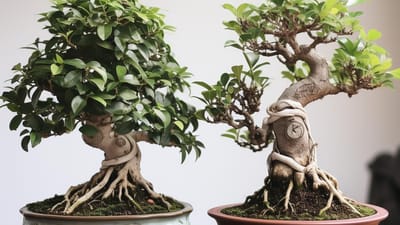
Certain Ficus species, such as Ficus benjamina and Ficus microcarpa (also known as the Ginseng Ficus), can be surprisingly drought-tolerant once established. While they appreciate regular watering, they can withstand periods of dryness better than many other bonsai species. Their aerial roots are a distinctive feature, and they are quite adaptable to different conditions.
The key to keeping a Ficus happy is to allow the soil to dry out between waterings. Overwatering is a common mistake that can lead to root rot and leaf drop. They prefer bright, indirect light, but can tolerate some direct sunlight. Ficus are relatively easy to propagate from cuttings, allowing you to expand your collection.
Be aware that Ficus can be sensitive to changes in their environment. Sudden shifts in temperature or light can cause leaf drop. However, with proper care and attention, they can become beautiful and resilient bonsai specimens. They’re also relatively fast-growing, which is satisfying for those who enjoy shaping and styling.
Soil mixes and watering techniques
Choosing the right soil mix is paramount for drought tolerance. A well-draining mix prevents waterlogging and allows air to reach the roots. Traditional potting soil simply won't do. Instead, incorporate materials like pumice, lava rock, and akadama into your bonsai soil mix. These materials improve drainage and aeration.
The 'soak and dry' watering method is crucial. This means watering thoroughly until water drains from the bottom of the pot, then allowing the soil to dry out almost completely before watering again. Avoid frequent, shallow watering. It encourages shallow root growth and makes the tree more susceptible to drought stress.
Assessing soil moisture levels is a skill that takes practice. You can use your finger to check the soil a few inches below the surface. If it feels dry to the touch, it’s time to water. A moisture meter can also be a helpful tool, especially for beginners. These devices provide a more accurate reading of soil moisture levels.
Here’s a simple soil mix guideline (adjust based on your climate and species): 40% Akadama, 30% Pumice, 30% Lava Rock. This provides excellent drainage and aeration.
Qualitative Comparison of Bonsai Soil Components
| Soil Component | Drainage | Water Retention | Aeration | Typical Use |
|---|---|---|---|---|
| Akadama | Good | Medium | Medium | General purpose, deciduous and coniferous trees |
| Pumice | Very Good | Low | Very Good | Improves drainage and aeration, often mixed with other components |
| Lava Rock | Excellent | Very Low | Excellent | Excellent drainage, good for species needing drier conditions |
| Kanuma | Good | High | Medium | Specifically for Azaleas and other acid-loving bonsai |
| Kiryu | Excellent | Low | Very Good | Pine and other coniferous trees, promotes strong root growth |
| Haydite | Excellent | Very Low | Excellent | Similar to lava rock, lightweight and provides excellent drainage |
| Calcined Clay | Good | Medium | Good | Cost-effective alternative to Akadama, holds shape well |
Qualitative comparison based on the article research brief. Confirm current product details in the official docs before making implementation choices.
No comments yet. Be the first to share your thoughts!