

Sensors and tracking
At its heart, successful bonsai care is about understanding and responding to a tree’s needs. Traditionally, this meant carefully observing the tree and learning to interpret its signals. AI apps aren’t meant to replace that observation, but they can provide a wealth of data to inform your decisions. One of the most common features is soil moisture monitoring. Many apps allow you to input data manually, or, more impressively, use your phone’s camera to assess moisture levels based on soil color.
Beyond soil, these apps also analyze light exposure. Using your phone’s camera and location data, they can estimate the amount of sunlight your bonsai is receiving and whether it’s sufficient for its species. Temperature and humidity are also crucial factors, and apps can track these using your phone’s sensors or by integrating with external smart home devices. These environmental factors directly impact photosynthesis, respiration, and overall tree health.
Advanced apps now use leaf color analysis to spot nutrient deficiencies. You snap a photo, and the software compares the pigment against a database of known issues. It isn't a perfect science—lighting can mess with the results—but it gives you a starting point for troubleshooting before the tree starts dropping leaves.
The best apps for 2026
The market for AI-powered bonsai care is still developing, but several apps are already making waves. BonsaiSensei, currently in beta, focuses heavily on species identification. You upload a photo, and it attempts to identify the species, then provides tailored care information. Early reports suggest its species identification is accurate about 85% of the time, which is impressive, but it still struggles with hybrids or unusual cultivars.
RootAI, another promising app, stands out for its personalized care schedules. It takes into account your bonsai’s species, your location, and even the microclimate of your growing space to create a watering, fertilization, and pruning schedule. Users appreciate the app’s ability to adapt the schedule based on weather forecasts and user feedback. However, some users have reported that the initial setup can be a bit complex.
LeafDoctor is particularly strong in its diagnostic capabilities. It uses image recognition to identify potential problems with your bonsai, such as pests, diseases, or nutrient deficiencies. The app provides detailed information about each problem and suggests possible solutions. While the diagnosis isn’t always perfect, it’s a useful tool for getting a second opinion. I’ve found the pest identification to be particularly helpful, though I always double-check with a reliable source before applying any treatments.
ZenBonsai takes a different approach, focusing on creating a community of bonsai enthusiasts. It combines AI-powered care reminders with a social platform where users can share photos, ask questions, and get advice from other growers. It's a good option for beginners who want to connect with others and learn from their experiences. The AI component is less sophisticated than some of the other apps, but the community aspect is a significant draw.
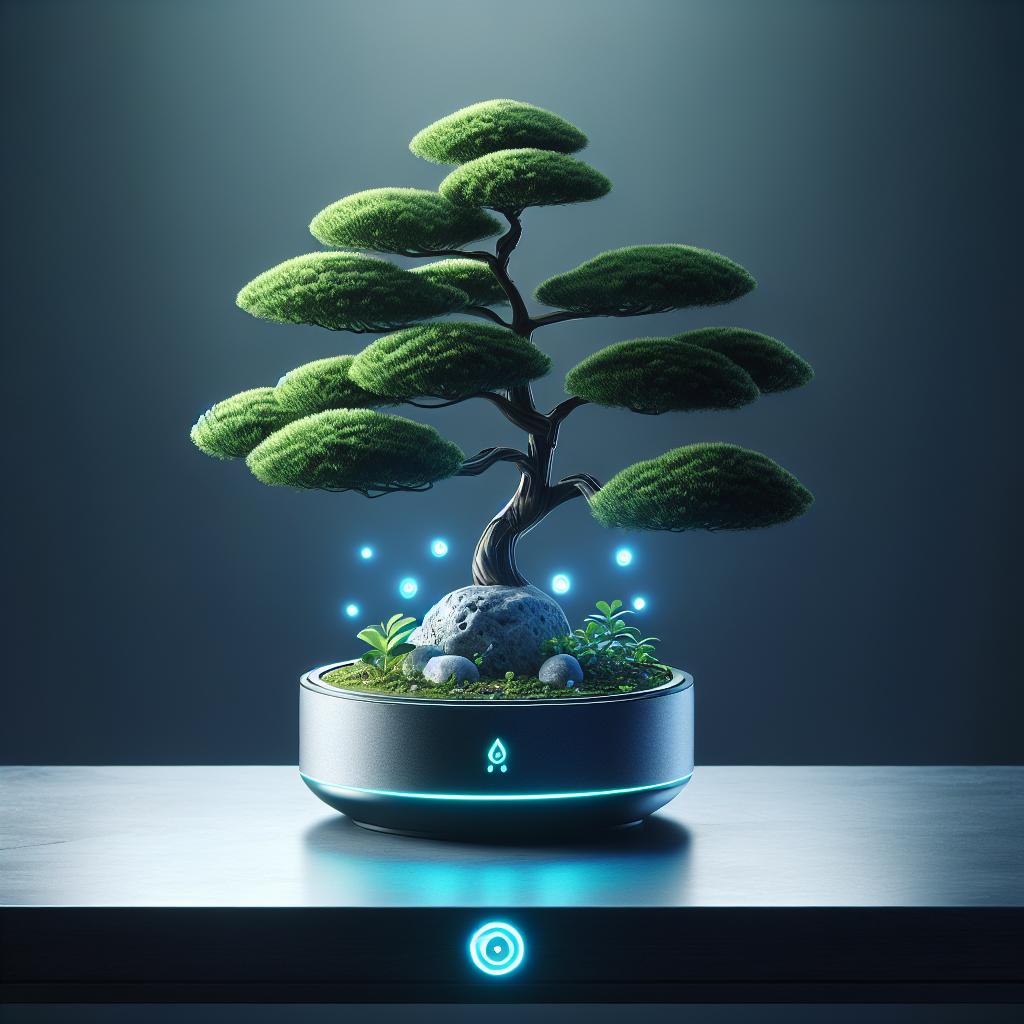
Finally, BloomTech Bonsai is attempting to integrate with smart home devices. It can connect to soil moisture sensors, temperature sensors, and even automated watering systems to create a fully automated bonsai care system. This is still in its early stages, and the cost of entry is relatively high, but it represents an interesting glimpse into the future of bonsai care. It's worth noting that pricing information for many of these apps is still evolving, with most offering freemium models with optional subscription upgrades.
The limits of image recognition
The image recognition features in these apps are undeniably appealing. The ability to simply take a photo of a struggling bonsai and get a potential diagnosis is incredibly convenient. However, it’s crucial to understand the limitations of this technology. Image recognition algorithms are trained on vast datasets of images, but they are not infallible. They can be fooled by unusual lighting conditions, image quality, or subtle variations in the appearance of a disease.
For example, an app might misidentify a fungal infection as a nutrient deficiency, leading you to apply the wrong treatment. Or, it might fail to detect a pest infestation in its early stages. These tools are best used as a first step in the diagnostic process, not as a definitive answer. Always confirm the diagnosis with a reliable source, such as a local bonsai expert or a reputable online resource.
I've seen firsthand how these apps can be helpful in identifying common problems, but I've also seen them make mistakes. It’s important to remember that a proper diagnosis often requires a close examination of the tree, including the roots, trunk, and foliage. An app can’t replicate that level of detail. Think of image recognition as a helpful starting point, but always use your own judgment and seek expert advice when needed.
AI-Powered Bonsai Care App Comparison - 2026
| App Name | Key Features | Ease of Use | Accuracy | Species Support |
|---|---|---|---|---|
| BonsaiSense | Image-based diagnosis, watering reminders, light level suggestions | High | Medium | Common Japanese & Chinese varieties |
| LeafWise | Pest & disease identification, fertilization schedules, pruning guidance | Medium | High | Broadleaf evergreens & deciduous trees |
| RootAI | Soil moisture monitoring integration (via Bluetooth sensors), root health assessments, growth tracking | Medium | Medium | Focus on Juniper & Pine species |
| BloomGuide | Flower & bud monitoring, bloom prediction, seasonal care tips | Low | Low | Flowering and fruiting bonsai |
| ZenBonsai | Community forum integration, expert Q&A, personalized care plans | High | Medium | Wide range, user-contributed data |
| GreenThumb Bonsai | Light exposure analysis (using phone camera), temperature alerts, humidity recommendations | Medium | Low | Tropical and Subtropical species |
Qualitative comparison based on the article research brief. Confirm current product details in the official docs before making implementation choices.
Moving past generic care guides
One of the biggest drawbacks of traditional bonsai care guides is their generic nature. A guide might tell you to water your bonsai when the soil is dry to the touch, but it doesn’t account for the fact that soil dries out at different rates depending on the climate, the type of pot, and the species of tree. AI-powered apps address this issue by creating personalized care schedules based on a variety of factors.
These apps consider your bonsai’s species, its location, the time of year, and even the microclimate of your growing space. They then use this information to generate a watering schedule, a fertilization schedule, and a pruning schedule. Some apps even adjust the schedule based on weather forecasts, ensuring that your bonsai receives the right amount of water and nutrients at the right time.
I’m particularly interested in the potential for these apps to learn and adapt over time based on user feedback. If you consistently tell the app that your bonsai is thriving on a particular schedule, it should be able to refine its recommendations accordingly. This kind of adaptive learning could lead to truly optimized care plans. It’s a fascinating area of development, and I’m eager to see how it evolves.
Data Privacy: What Are You Sharing?
As with any app that collects personal data, it’s important to be aware of the privacy implications of using AI-powered bonsai care tools. These apps typically collect data such as photos of your bonsai, your location data, and your care history. This data is used to improve the app’s algorithms and provide you with personalized recommendations.
However, it’s also possible that this data could be shared with third parties, such as advertisers or data brokers. Before using an app, be sure to read its privacy policy carefully to understand what data it collects and how it’s used. Look for apps that offer strong privacy protections, such as data encryption and anonymization.
You should also be mindful of the permissions you grant to the app. For example, if an app asks for access to your location data, consider whether that access is truly necessary for its functionality. If not, you may want to deny the request. Transparency is key – a reputable app provider will be upfront about its data collection practices.
Predictive care and automation
The integration of AI with smart home devices is likely to be a major trend in the coming years. Imagine a system where your bonsai is automatically watered, fertilized, and provided with the optimal amount of light, all based on data collected by sensors and analyzed by an AI algorithm. This level of automation could significantly simplify bonsai care and improve the success rate for beginners.
I also expect to see more advanced image recognition capabilities. Future apps might be able to identify subtle signs of stress or disease that are currently undetectable. They might even be able to analyze the growth patterns of your bonsai and provide personalized pruning suggestions. However, it’s important to remember that AI is a tool, and it will always require human oversight.
I suspect a growing focus on preventative care. Instead of simply reacting to problems, AI could be used to predict potential issues before they arise. By analyzing data on environmental conditions, soil health, and tree growth, apps could alert you to potential problems and suggest preventative measures. That proactive approach could be a game-changer for bonsai enthusiasts.
No comments yet. Be the first to share your thoughts!