

The 15-minute habit
Bonsai doesn't require hours of work. I spend 15 minutes a day on my trees, and they look better than when I did marathon weekend sessions. The goal is observation, not rushing through a checklist.
This approach reduces stress on the tree – frequent small checks are less disruptive than major interventions. It’s also far easier to fit into a busy life. Fifteen minutes is manageable, and it allows you to catch small problems before they become big ones. Think of it like preventative maintenance for your miniature tree.
Some days you'll just glance at the soil. Other days you'll spend the full window untangling a branch. Showing up every day is what keeps the tree alive.
Checking the water
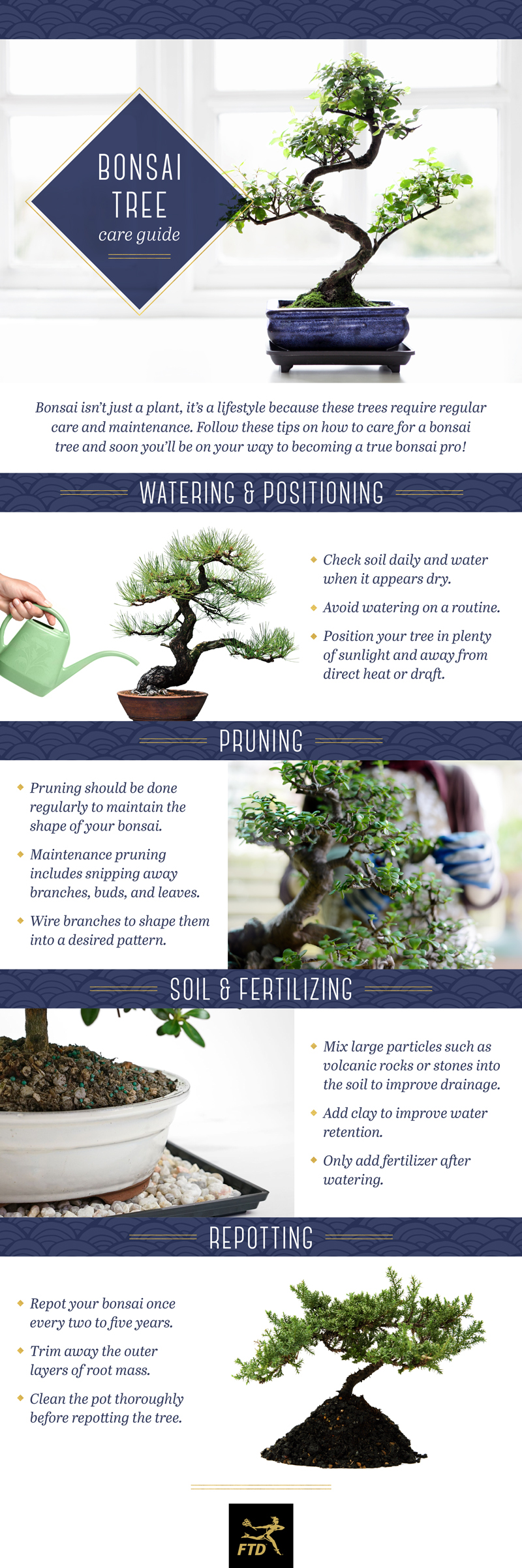
Stop watering on a schedule. Your tree doesn't care if it's Tuesday. Check the soil moisture daily and only pour when the tree actually needs it.
A simple method is the chopstick test: insert a wooden chopstick into the soil. If it comes out clean, it’s time to water. You can also gauge moisture by feeling the weight of the pot – a dry pot will be noticeably lighter. Visual inspection is useful too, but can be misleading, as the surface may dry out quickly while the soil beneath remains moist.
Watering needs vary dramatically based on species, pot size, climate, and time of year. Junipers, for example, are more drought-tolerant than Japanese maples. During the hot summer months, you might be watering daily, while in the winter, you might only water every few weeks. Always use good quality water – avoid hard water and let tap water sit for 24 hours to allow chlorine to dissipate. I recommend rainwater if you can collect it.
- Stick a wooden chopstick into the soil to see if it comes out damp.
- Pick up the pot; dry soil is much lighter than wet soil.
- Visually inspect the soil surface.
Scanning the leaves
Take a moment each day to scan your tree’s foliage. This "leaf patrol" is your first line of defense against pests and diseases. Look for anything unusual – yellowing leaves, brown spots, discoloration, or signs of insects. Early detection is key; a small problem is much easier to fix than a widespread infestation.
Yellowing leaves can indicate overwatering, underwatering, nutrient deficiencies, or pest problems. Browning tips often suggest dry air or fluoride in the water. Small spots might be a fungal infection. If you notice anything concerning, consult our detailed care guides on Bonsai Empire for specific troubleshooting advice.
A few falling leaves are normal as seasons change. If the tree starts balding rapidly, you have a problem. Watching it daily helps you tell the difference.
Branches and wire
A quick daily check of the branches and wiring is essential. Are the branches growing in the direction you intended? Is the wiring still comfortably loose, or is it starting to bite into the bark? Wiring needs regular attention, especially during periods of rapid growth.
If the wiring is becoming too tight, gently loosen it or remove it altogether. Leaving wire on too long can cause permanent scarring. This is also a good time to identify branches that may need pruning in the future. Resist the urge to prune every day, but use this time to plan your pruning strategy.
When you do prune, always use sharp, clean tools. Clean cuts heal faster and are less susceptible to infection. Proper pruning techniques are vital for maintaining the tree’s shape and promoting healthy growth. I’ve found that a good pair of concave cutters are invaluable for bonsai pruning.
Soil Surface & Pest Control
Take a look at the soil surface. Is there any moss or algae growing? While not always harmful, excessive growth can retain too much moisture. Gently remove any unwanted growth with a chopstick or small brush. Also, check for any signs of pests – small insects, webbing, or unusual bumps.
Prevention is the best pest control. Good air circulation, proper watering, and a healthy tree are less attractive to pests. If you do find pests, start with gentle, organic solutions like insecticidal soap or neem oil. Avoid harsh chemicals whenever possible.
Always quarantine new trees for several weeks before introducing them to your existing collection. This prevents the spread of pests and diseases. I also recommend a layer of gravel or small stones on the soil surface to help prevent moss growth and improve drainage.
Airflow & Positioning
Bonsai need good airflow to prevent fungal diseases and promote healthy growth. Ensure your tree isn’t crammed into a tight space. Indoors, open a window occasionally or use a small fan to improve ventilation. Outdoor trees generally benefit from some protection from strong winds, but still need adequate airflow.
Rotate your tree regularly – about once a week – to ensure even growth. Trees will naturally lean towards the light source, so rotation prevents them from becoming lopsided. Pay attention to the light exposure. Different species have different light requirements.
What works in the summer won’t necessarily work in the winter. As the seasons change, adjust the tree’s position accordingly. A tree that thrives in full sun during the summer might need protection from the harsh winter sun.
Tool Check & Cleaning
This is a quick but important step. Take a moment to check your bonsai tools – pruning shears, wire cutters, root rakes, etc. Are they clean and sharp? Dull tools cause more damage to the tree than sharp ones, leading to ragged cuts and increased risk of infection.
After each use, clean your tools with rubbing alcohol to remove sap and debris. Regularly oil the blades to prevent rust. A little maintenance goes a long way in extending the life of your tools. Store your tools safely, away from moisture and children.
Investing in high-quality tools is worthwhile. Cheap tools are often made from inferior metal and won’t hold an edge for long. A well-maintained set of bonsai tools will last for years.

No comments yet. Be the first to share your thoughts!