

Tiny trees, big appeal
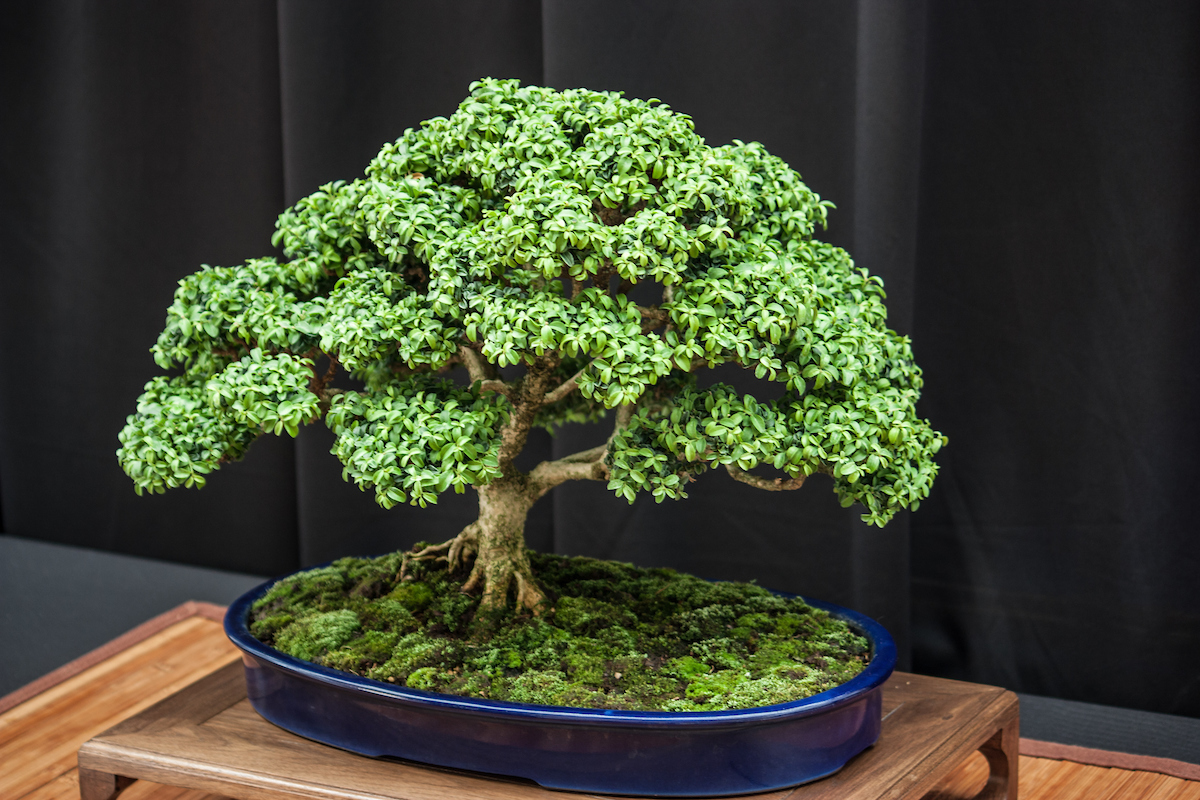
Bonsai is getting smaller. Micro bonsai—trees under six inches tall—are a practical shift for people who don't have a backyard or decades of free time. It’s not a revolution, just a sensible way to keep trees in an apartment.
The surge in popularity is easy to understand. Urban dwellers often lack the room for larger bonsai collections, and the smaller scale makes micro bonsai far more manageable. The initial cost is also lower, removing a significant barrier to entry. Plus, there’s a certain appeal to a project that can be completed and appreciated without a years-long commitment. It’s a quick path to a beautiful, living piece of art.
Traditionally, bonsai was a pursuit requiring dedicated space, specialized tools, and years of study. Now, micro bonsai is opening the door for beginners. It’s a fantastic way to dip your toes into the world of horticulture and artistic expression. I think it's a really exciting development, making bonsai available to so many more people who previously thought it was out of reach. It’s a hobby that easily fits into a modern, busy lifestyle.
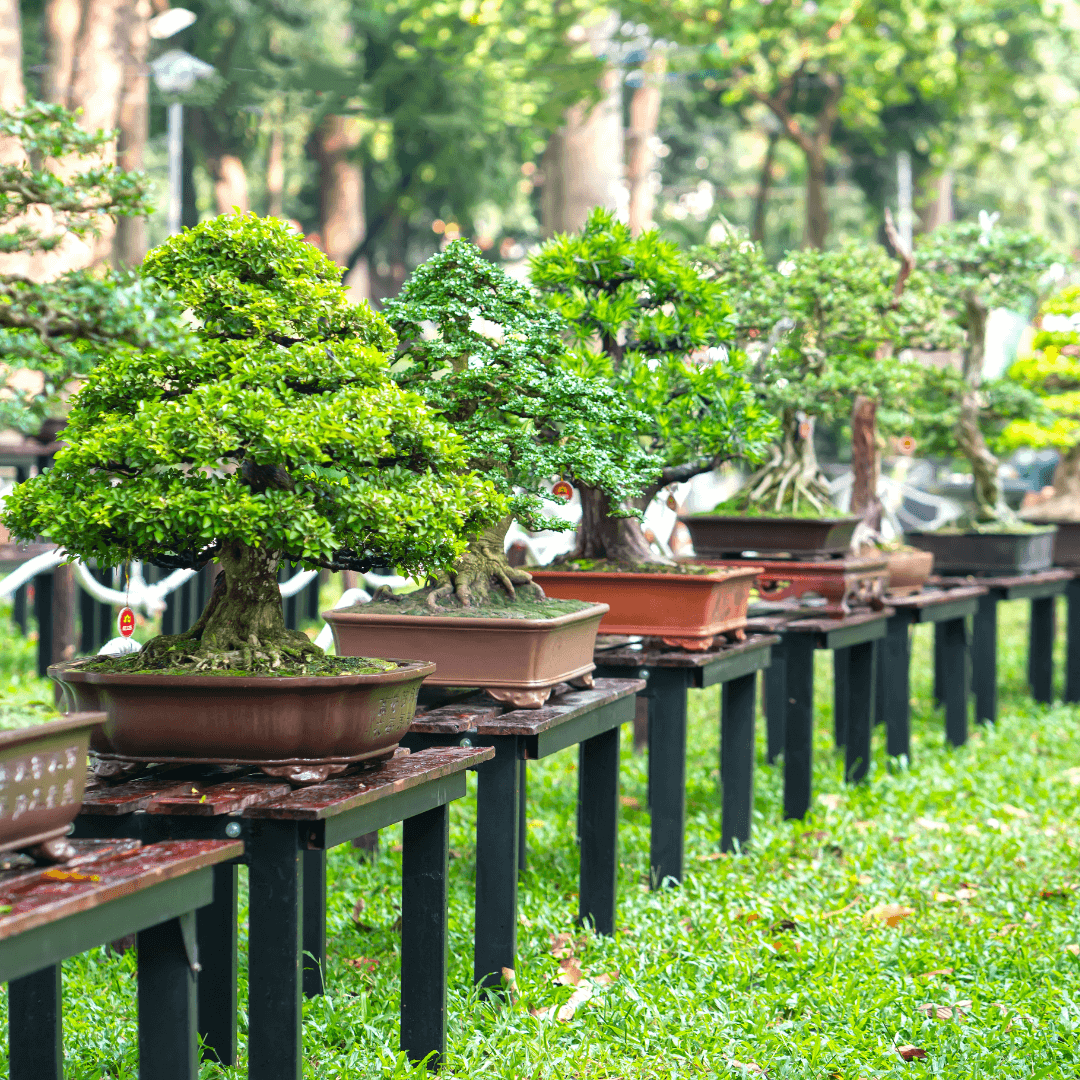
Species that thrive small
Not every tree species is suited to the micro bonsai life. The best candidates are those that naturally remain compact or respond well to pruning and training. Chinese Elms are incredibly popular, and for good reason – they're easy to work with, very forgiving of beginner mistakes, and readily available. Dwarf Jade, a succulent, is another excellent choice, particularly for those prone to forgetting to water. Its drought tolerance is a major plus.
Ficus varieties, like Ficus retusa, are tough and handle small pots well. They take to wiring and pruning without much fuss. Japanese Maples are beautiful, but they're finicky. They need constant moisture and can't handle the same neglect a Ficus can.
When choosing a species, consider your climate and available light. Bonsai Outlet’s selection of beginner trees is a good starting point for research here, as they clearly label species and provide basic care information. Each species has its own quirks. For example, Dwarf Jade needs bright light, while a Ficus can tolerate lower light conditions. Understanding these needs is vital.
Here’s a quick overview of the pros and cons of each:
- Chinese Elm: These are easy to train and very forgiving, though you'll need to watch for aphids.
- Dwarf Jade: This succulent is hard to kill and handles dry soil well, but it needs a very sunny window.
- Ficus: Pros – Adaptable, fast-growing, responds well to wiring. Cons – Can be sensitive to temperature changes.
- Japanese Maple: Pros – Beautiful foliage color, classic bonsai look. Cons – Requires consistent moisture and protection from harsh sun.
Micro Bonsai Species Comparison for Urban Beginners
| Species | Difficulty | Light Requirements | Watering Frequency | Aesthetic Style |
|---|---|---|---|---|
| Chinese Elm | Beginner | Bright, indirect light | Regular - allow topsoil to dry | Informal Upright, Broom Style |
| Dwarf Jade | Beginner | Full sun to partial shade | Infrequent - drought tolerant | Informal Upright, Root-over-rock |
| Ficus (e.g., Ficus retusa) | Beginner | Bright, indirect light | Regular - keep soil consistently moist | Formal Upright, Cascade, Root-over-rock |
| Japanese Maple | Intermediate | Full sun (with afternoon shade in hot climates) | Regular - consistent moisture is key | Formal Upright, Slanting, Cascade |
Illustrative comparison based on the article research brief. Verify current pricing, limits, and product details in the official docs before relying on it.
The foundation of miniature
The container is just as important as the tree itself in micro bonsai. Its size directly impacts the tree’s growth, as it restricts root development. A container that's too large will encourage excessive growth, defeating the purpose of creating a miniature. Conversely, a container that's too small will stunt growth and potentially harm the tree.
Traditional bonsai containers are made from ceramic or terracotta, offering a balance of aesthetics and functionality. Ceramic provides better moisture retention, while terracotta allows for more airflow. Plastic containers are also an option, particularly for beginners, as they’re lightweight and inexpensive, but they may not have the same aesthetic appeal.
There’s a growing trend of using unconventional containers – teacups, small dishes, even repurposed items like vintage thimbles. These can add a unique and personal touch to your micro bonsai. Regardless of the material, ensure the container has adequate drainage holes to prevent root rot. I've seen some really creative uses of teacups, honestly, and they can look stunning.
Tools for tiny hands
You don’t need a full workshop to care for micro bonsai, but a few specialized tools are essential. These are often smaller versions of standard bonsai tools, designed for precise work on a miniature scale. Concave cutters are used to remove branches cleanly, creating a natural-looking wound. Branch cutters are helpful for thicker branches.
Wire cutters are necessary for applying and removing bonsai wire, used to shape branches. Tweezers are invaluable for removing dead leaves and debris. A root hook helps gently tease apart roots during repotting, and a small soil scoop simplifies the potting process. A basic kit containing these tools is a good starting point.
Safety is paramount. Always use tools with care and wear appropriate eye protection. I think a good pair of small concave cutters is the single most important investment, as clean cuts promote healthy healing. Don’t skimp on quality – well-made tools will last longer and perform better.
- Concave cutters
- Branch cutters
- Wire cutters
- Tweezers
- Root hook
- Soil scoop
Essential Micro Bonsai Tools
- Concave Cutters - These specialized cutters create clean, inward-sloping cuts for branch removal, promoting callus formation and a natural look.
- Bonsai Scissors - A good pair of sharp bonsai scissors are vital for precise leaf pruning and small branch trimming. Look for stainless steel blades.
- Root Hooks - Used for gently teasing apart roots during repotting, minimizing root damage and encouraging healthy growth.
- Chopsticks - Surprisingly versatile! Chopsticks are excellent for working the soil around delicate roots during planting and repotting, and for removing air pockets.
- Wire Cutters - Essential for safely removing bonsai wire without damaging the bark. Choose cutters designed for bonsai wire, which is often aluminum or copper.
- Bonsai Wire - Anodized aluminum or copper wire is used to shape branches. Different gauges are needed for different branch thicknesses.
- Small Soil Scoop - A small scoop or spoon helps with precise soil application during planting and repotting, especially in small containers.
Pruning and training
The art of bonsai lies in shaping and refining a tree over time. For micro bonsai, the principles remain the same, but the techniques are adapted for a smaller scale. Pinching involves removing new growth to encourage branching and maintain a compact form. Defoliation, the selective removal of leaves, can reduce leaf size and promote back budding.
Wiring is used to gently bend and position branches, creating a desired shape. It's crucial to apply wire carefully to avoid damaging the bark. Branch selection is equally important – removing unwanted branches to improve the overall design and proportion. Maintaining proportion is key. A micro bonsai should look like a mature tree in miniature.
Encouraging ramification – the development of a dense network of branches – is essential for creating a sense of age and complexity. This is achieved through repeated pruning and wiring. Remember, patience is a virtue. Bonsai is a long-term art form.
If you're unsure about where to cut, watch a few live demonstrations. Seeing the tension in the wire as it wraps around a branch is easier to understand visually than through text.
Soil, water, and light
Micro bonsai require specific soil, watering, and light conditions to thrive. Standard potting soil is too dense and retains too much moisture, leading to root rot. Bonsai soil mixes are typically composed of akadama (baked clay granules), pumice, and lava rock, providing excellent drainage and aeration. The exact ratio will vary depending on the species.
Watering is a delicate balance. Overwatering is a common mistake, leading to root rot. Allow the soil surface to dry out slightly between waterings. Conversely, underwatering will cause the leaves to wilt and the tree to suffer. Check the soil moisture regularly by sticking your finger into the soil.
Light requirements vary depending on the species. Most bonsai prefer bright, indirect light. Some species, like Japanese Maples, may benefit from some afternoon shade. I've found that a good rule of thumb is to err on the side of underwatering, as it’s easier to correct than overwatering. Observe your tree closely and adjust your care routine accordingly.
Are you ready to find your zen? Join us as we explore the ancient Japanese art of cultivating and shaping miniature trees at our "Indoor Bonsai for Beginners" class. Learn more at https://t.co/YzoNPToQO0. pic.twitter.com/ZYAgiUeB6O
— Currituck Extension (@CurrituckCES) March 28, 2026
What's next for micro bonsai
The world of micro bonsai is constantly evolving. Emerging trends include the use of 3D-printed containers, allowing for customized designs and precise control over size and shape. Hydroponic micro bonsai, grown without soil, offer a unique and innovative approach. The integration of smart technology, such as automated watering and lighting systems, is also gaining traction.
I expect to see more people experimenting with 3D-printed pots and automated misters. It makes the hobby easier for people who travel or work long hours. It’s a practical evolution of an old art.
No comments yet. Be the first to share your thoughts!