

Bonsai's New Growth: AI Steps In
Bonsai has always demanded patience, skill, and a deep understanding of tree biology. It's a beautiful art form, but one with a steep learning curve. Maintaining a healthy bonsai requires consistent attention to watering, fertilization, pruning, and pest control—a commitment that can be daunting for beginners. Now, artificial intelligence is entering the equation.
AI-powered bonsai care augments, rather than replaces, the traditional art. Apps and devices are emerging to help both novice and experienced bonsai enthusiasts provide optimal care. This trend is gaining traction due to advances in image recognition, sensor technology, and machine learning, which allow for accurate, real-time assessment of a tree's needs.
AI addresses bonsai's accessibility problem. The practice has historically been limited by the availability of experienced mentors and the time required for trial-and-error learning. These apps aim to democratize bonsai by offering personalized guidance and early warnings of potential problems, reducing frustration and increasing success rates for newcomers.
Diagnosing Problems: AI as a Bonsai Doctor
AI excels at disease and pest detection in bonsai. Many apps use image recognition, allowing users to photograph a leaf, branch, or the entire tree for a preliminary diagnosis. The AI compares the image to a database of healthy and diseased bonsai, identifying potential issues like fungal infections, insect infestations, or nutrient deficiencies.
Bonsai Empire's resources highlight common problems like root rot, scale insects, and spider mites. AI apps bring this diagnostic expertise to your fingertips. However, AI isn't infallible. An app's diagnosis should be a starting point, not a definitive answer.
Human expertise remains critical. A skilled bonsai expert considers factors an AI might miss—the tree’s history, its specific microclimate, and subtle visual cues. These apps are powerful tools for early detection, but always consult a local bonsai nursery or experienced practitioner for confirmation and tailored treatment plans.
- Root Rot: Often caused by overwatering and poor drainage.
- Scale Insects: Small, immobile pests that suck sap from leaves and stems.
- Spider Mites: Tiny pests that create webbing and cause stippling on leaves.
Watering and Humidity: Smarter Sensors
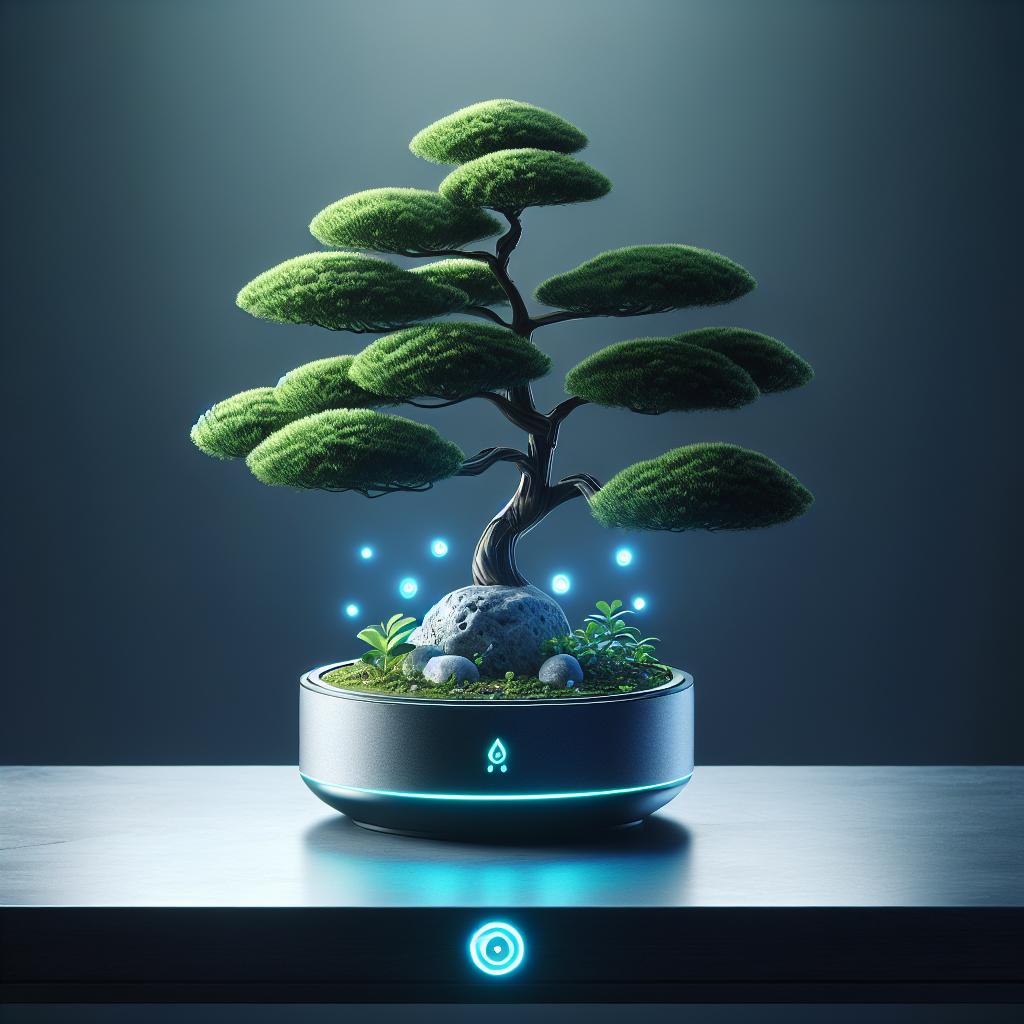
Proper watering is arguably the most challenging aspect of bonsai care. Overwatering leads to root rot, while underwatering causes stress and decline. AI solutions use smart sensors to monitor soil moisture, temperature, and humidity. These sensors, placed in the bonsai pot, provide real-time data to a connected app.
The app analyzes data and sends alerts when the soil is too dry or too wet, preventing the guesswork that plagues beginner bonsai owners. Some sensors also consider the specific tree species and environmental conditions for more precise recommendations.
These systems focus on preventative care. Proactively addressing watering needs helps avoid common pitfalls that lead to bonsai failure. Data-driven watering is far more effective than relying on intuition.
Personalized Feeding Schedules
Fertilization is a nuanced process. Different bonsai species have varying nutrient requirements that change throughout the year. AI algorithms create customized fertilization schedules based on tree species, age, overall health, and local weather conditions.
These algorithms consider the tree’s growth stage, time of year, and predicted rainfall. This allows for precise nutrient delivery, maximizing growth and vigor while minimizing the risk of over-fertilization, which can be as harmful as under-fertilization. The goal is to provide the right nutrients, at the right time, in the right amount.
Many apps recommend specific fertilizer types based on your tree’s needs. This makes becoming a bonsai expert more attainable, as you receive tailored guidance based on a sophisticated understanding of your tree’s individual requirements, rather than blindly following instructions.
Pruning and Styling Guidance
Pruning and styling are the artistic heart of bonsai. Several apps incorporate augmented reality (AR) features that allow you to visualize how pruning will affect the tree’s shape before you make any cuts.
You can "test drive" different pruning scenarios, experimenting with branch removal and shaping without risking irreversible damage. This is a valuable tool for learning bonsai design principles and developing an eye for aesthetics. The YouTube channel 'Growing Bonsai by Jelle' offers foundational pruning techniques, and these apps help you apply them with more confidence.
Styling is still largely an artistic process. AI can offer suggestions and help you avoid common mistakes, like removing too much foliage at once, but the final artistic choices are yours. These tools empower your creativity, not replace it.
App Standouts: What's Available Now?
The market for AI-powered bonsai apps is new and evolving. Bonsai AI focuses on disease diagnosis and provides detailed treatment recommendations, with user reviews suggesting it's strong in identifying fungal infections.
PlantSnap, while not exclusively for bonsai, has a robust plant identification feature helpful for determining your tree’s species and offers basic care reminders, though its bonsai-specific guidance is less comprehensive. Bonsai Mentor offers a holistic approach, combining disease diagnosis with watering reminders, fertilization schedules, and pruning guidance.
Manage expectations: these apps aren’t perfect. Diagnoses aren’t always accurate, and care recommendations may need adjustment based on your specific tree and environment. However, they represent a significant step forward in making bonsai care more accessible and successful. Pricing varies, with free basic features and premium subscriptions for advanced functionality; pricing information changes frequently.
The best app depends on your individual needs and experience level. Download a few free trials to see which one best fits your workflow.
Comparison of Popular Bonsai Care Apps (2026)
| App Name | Key Features | User Interface | Price | User Reviews |
|---|---|---|---|---|
| BonsaiSense | Diagnosis of common issues via image analysis, watering reminders based on species and location, basic fertilizing guidance. | Easy | Subscription | Generally Positive |
| RootNote | Detailed species-specific care guides, watering schedule tracking, fertilizing recommendations, pruning suggestions with visual aids. | Moderate | Subscription | Mixed - praised for depth, but some find the interface complex. |
| Bonsai AI | Image-based disease and pest identification, personalized watering alerts, fertilization planning, pruning guidance. | Moderate | Free with in-app purchases | Positive - users report accurate diagnoses, but in-app purchase costs can add up. |
| ZenBonsai | Watering and fertilizing reminders, basic health monitoring, community forum for sharing and advice. | Easy | Free | Mixed - helpful for beginners, but lacks advanced diagnostic features. |
| FloraMind | AI-powered health assessment from photos, tailored watering and fertilizing plans, pruning suggestions based on style goals. | Difficult | Subscription | Generally Positive - advanced features appreciated by experienced bonsai enthusiasts. |
Illustrative comparison based on the article research brief. Verify current pricing, limits, and product details in the official docs before relying on it.
The Future of AI and Bonsai
The potential for AI in bonsai care is immense. As AI algorithms learn from vast datasets of bonsai trees—gathered from sensors, images, and expert observations—they will become more accurate and personalized. Expect more sophisticated diagnostic tools, capable of identifying subtle signs of stress or disease long before they are visible to the human eye.
One exciting possibility is AI-powered robotic bonsai maintenance systems. Imagine a small robot that automatically waters your tree, adjusts its position for optimal sunlight, and performs minor pruning tasks. While fully automated bonsai care is still a long way off, the technology is advancing rapidly.
Currently, AI empowers bonsai enthusiasts with the knowledge and tools to succeed. It bridges the gap between traditional wisdom and modern technology, making bonsai accessible to a wider audience and ensuring the continued health and beauty of these miniature trees.
No comments yet. Be the first to share your thoughts!