

Indoor Bonsai: A Beginner's Start
Bonsai might seem intimidating with its ancient traditions and meticulous techniques, but it's simply the art of growing miniature trees. This practice blends horticulture and artistic expression, and it's more accessible than many believe. Myths about needing decades of training or a special gift persist, but patience and knowledge make it achievable for anyone.
Indoor bonsai are a great choice for beginners. Unlike outdoor bonsai, which face weather challenges, indoor trees let you control their environment. This consistency in light, temperature, and humidity improves your chances of success, and you get to enjoy your miniature tree year-round. Caring for a bonsai is also a meditative and fulfilling activity.
Bonsai is about working with the tree, understanding its natural growth habits, and guiding its shape, not forcing it to conform. It requires consistent attention—watering, pruning, fertilizing—but the rewards are worth the effort. Many beginners get discouraged by early setbacks, but those who persevere often find themselves captivated by this art form. It’s a journey, not a race.
Starting with an indoor bonsai lets you learn the fundamentals without the added complexities of seasonal changes and outdoor pests. It's a good way to develop your skills and appreciation for these miniature trees. Don't expect instant perfection; bonsai is a long-term commitment. With dedication, you'll create a beautiful and thriving bonsai.
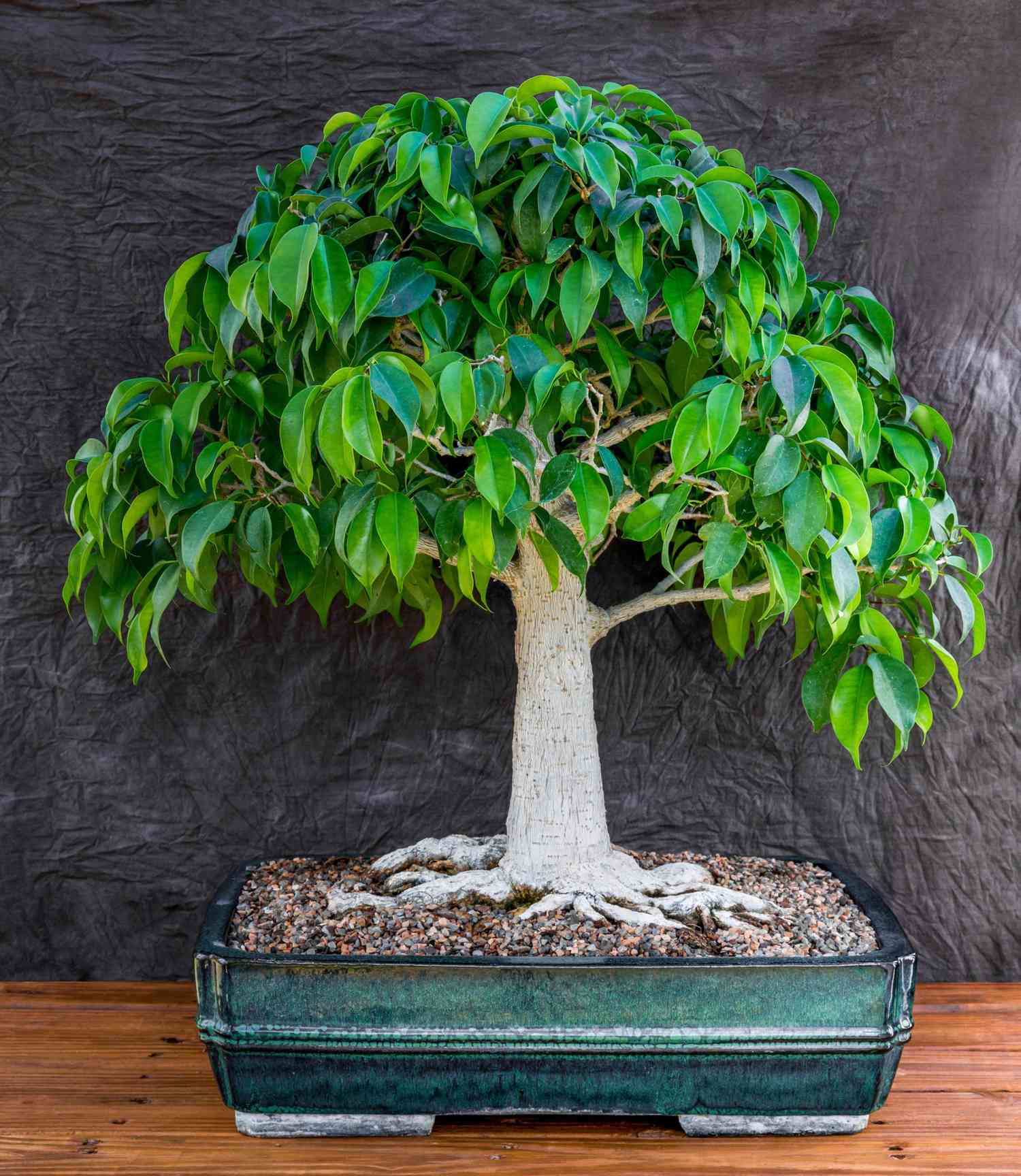
Top 7 Beginner-Friendly Indoor Species (2026)
Choosing the right species is the most important step for a beginner. Some trees are more forgiving than others. Here are seven indoor bonsai species known for their relative ease of care, making them excellent choices for those starting out. A difficulty rating from 1 to 5 is included, with 1 being the easiest.
Ficus retusa (Fig): This is often recommended as the ultimate beginner bonsai. It’s incredibly tolerant of neglect and recovers well from mistakes. It features thick, aerial roots that add to its character. Native to Southeast Asia, it prefers bright, indirect light and consistent moisture. Common problems include leaf drop due to sudden changes in environment. Difficulty: 1/5.
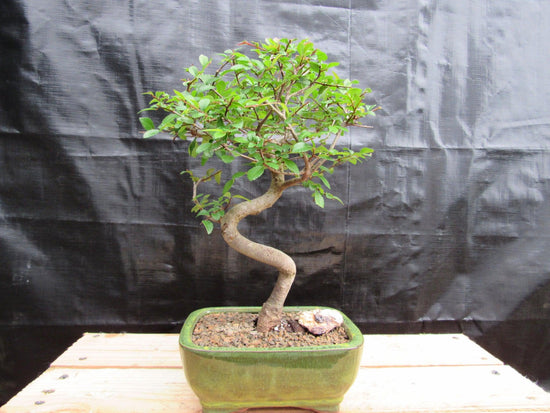
Chinese Elm (Ulmus parvifolia): A popular choice due to its attractive bark and delicate leaves. It's relatively fast-growing, allowing you to see results quickly. Native to China, it prefers bright light and well-draining soil. It can be prone to spider mites, so regular inspection is important. Difficulty: 2/5.
Jade (Crassula ovata): Technically a succulent, the Jade plant makes a surprisingly good bonsai subject. It's drought-tolerant and requires minimal care. Originating from South Africa, it needs plenty of sunlight and infrequent watering. Overwatering is a common mistake. Difficulty: 2/5.
Hawaiian Umbrella Tree (Schefflera arboricola): Known for its distinctive umbrella-shaped canopy, this tree is quite adaptable. It tolerates low light conditions but thrives in bright, indirect light. It prefers consistent moisture but doesn’t like to be soggy. Difficulty: 2/5.
Dwarf Schefflera: A smaller version of the Hawaiian Umbrella Tree, making it perfect for smaller spaces. It shares similar care requirements – bright indirect light and consistent moisture. It’s a very forgiving species, making it a good choice for beginners. Difficulty: 2/5.
Serissa foetida (Snowrose): This species produces delicate, white flowers, adding a touch of elegance. It requires bright light and consistent moisture, but is sensitive to changes in its environment. It can be a bit more challenging than the ficus or elm. Difficulty: 3/5.
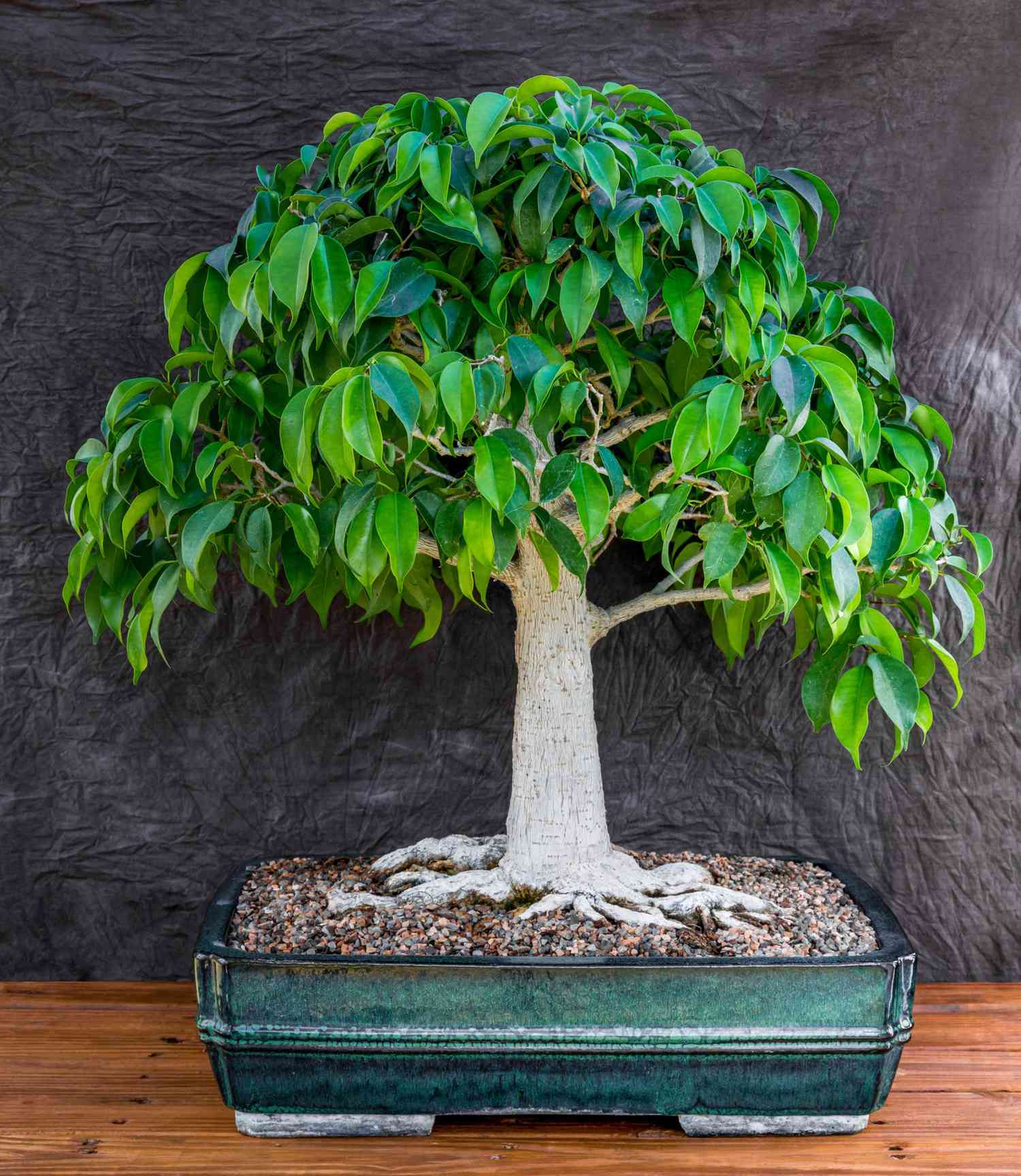
Benjamina Ficus (Weeping Fig): A classic bonsai subject with a graceful, weeping form. It prefers bright, indirect light and consistent moisture. It’s known for being a bit finicky and sensitive to drafts. Difficulty: 3/5. It’s important to note that Benjamina ficus are known to drop their leaves if moved or disturbed, so finding a permanent location is key.
Essential Amazon Products for Your Beginner Bonsai Journey in 2026

Includes 5 unique Japanese bonsai tree varieties · Complete set with tools and planters · Suitable for beginners
This kit provides a diverse selection of trees and all the necessary components for beginners to start their bonsai cultivation.

Long spout for precise watering · 850ml capacity · Durable construction made in Japan
The long spout offers essential control for watering sensitive bonsai, preventing overwatering and soil disturbance.

Sharp stainless steel blades for clean cuts · Micro-tip design for precision · Ergonomic anti-slip softgrip handle
These shears are designed for the intricate pruning required for bonsai, offering precision and comfort for detailed work.

Enhances humidity for bonsai health · Rectangular shape (7.8 x 5.5 Inch) · Durable plastic construction
Humidity trays are vital for indoor bonsai, and this set provides a simple, effective way to maintain the necessary moisture levels.
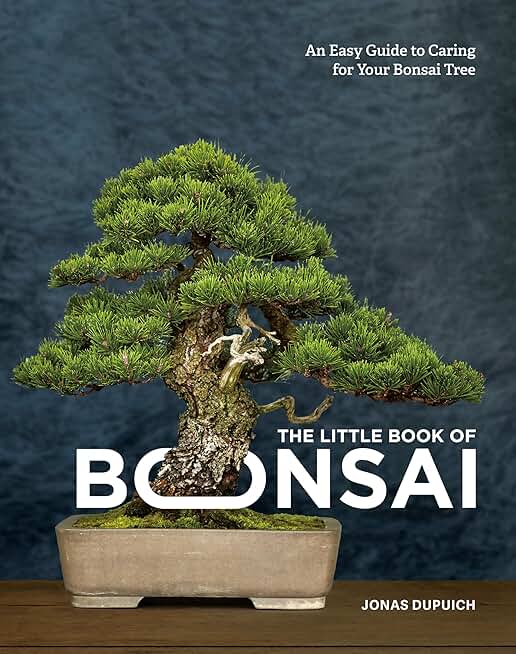
Beginner-friendly bonsai care instructions · Covers essential care techniques · Easy-to-understand format
This book serves as an invaluable resource, providing clear, concise guidance for beginners navigating the fundamentals of bonsai care.
As an Amazon Associate I earn from qualifying purchases. Prices may vary.
Light, Water, and Humidity: The Big Three
Caring for an indoor bonsai requires understanding its needs for light, water, and humidity. These three elements are interconnected, and getting the balance right is important for your tree's health. Ignoring even one can lead to problems.
Light is essential for photosynthesis, the process by which plants create energy. Most indoor bonsai prefer bright, indirect light. A south-facing window is often ideal, but be careful to shield the tree from direct sunlight, which can scorch the leaves. If you don’t have access to sufficient natural light, you can supplement with grow lights. A full-spectrum LED grow light for 12-14 hours a day can work well. The Ficus retusa and Chinese Elm will need more light than the Jade plant, for example.
Watering is another critical aspect of bonsai care. The goal is to keep the soil consistently moist, but not soggy. Overwatering is a common mistake that can lead to root rot. Check the soil moisture by sticking your finger about an inch deep. If it feels dry, it’s time to water. When you water, do so thoroughly, until water drains from the bottom of the pot. Use room-temperature water, and avoid using softened water, which contains salts that can harm the tree. The Hawaiian Umbrella Tree appreciates consistent moisture, while the Jade plant prefers to dry out slightly between waterings.
Humidity is often overlooked, but it’s particularly important for indoor bonsai, especially during the winter months when heating systems can dry out the air. You can increase humidity by misting the tree regularly, placing it on a humidity tray filled with pebbles and water, or using a humidifier. The Serissa foetida, in particular, benefits from higher humidity levels. Grouping plants together can also help to create a more humid microclimate.
Soil, Repotting, and Fertilizing
The right soil mix is essential for providing drainage, aeration, and nutrient retention. Unlike regular potting soil, bonsai soil needs to be well-draining to prevent root rot. A common mix consists of akadama (a Japanese clay granule), pumice, and lava rock, in roughly equal proportions. This provides a good balance of water retention and drainage. You can find pre-mixed bonsai soil at most garden centers.
Repotting is necessary every 2-3 years, as the soil becomes compacted and depleted of nutrients. The best time to repot is in the spring, just before the growing season begins. Gently remove the tree from its pot, prune the roots (removing about one-third of the root mass), and repot it into fresh bonsai soil. Choose a pot that is slightly larger than the previous one. Be careful not to damage the delicate roots during this process.
Fertilizing provides the nutrients that the tree needs to grow. Use a balanced liquid fertilizer diluted to half strength. Fertilize during the growing season (spring and summer) every 2-4 weeks. Reduce or stop fertilizing during the winter months when the tree is dormant. I'm not sure about the ideal NPK ratios for each species, but a general-purpose fertilizer with a balanced ratio (e.g., 10-10-10) is a good starting point.
Pruning and Wiring: Shaping Your Tree
Pruning and wiring are the techniques used to shape and maintain the desired form of your bonsai. Pruning involves removing branches and leaves to control the tree’s growth and create a more aesthetically pleasing shape. There are two main types of pruning: maintenance pruning, which involves removing new growth to maintain the existing shape, and structural pruning, which involves removing larger branches to create a new shape. Use sharp, clean bonsai shears for pruning.
Wiring involves wrapping branches with aluminum or copper wire to bend them into desired positions. This is a more advanced technique that requires practice. Wrap the wire loosely around the branch, being careful not to damage the bark. Leave the wire on for several months, but check it regularly to ensure it’s not cutting into the bark. Remove the wire before it becomes embedded. A common mistake beginners make is leaving the wire on too long.
Both pruning and wiring are essential for maintaining the health and beauty of your bonsai. They allow you to influence the tree’s growth and create a miniature masterpiece. Don’t be afraid to experiment, but always proceed with caution. Remember, it’s better to prune too little than too much.
Common Pests and Diseases
Even with the best care, your bonsai may occasionally be attacked by pests or diseases. Common pests include spider mites, aphids, and scale. Spider mites are tiny, spider-like creatures that suck the sap from leaves, causing them to become stippled and yellow. Aphids are small, pear-shaped insects that cluster on new growth. Scale are small, hard-shelled insects that attach themselves to stems and leaves.
Common diseases include root rot and fungal infections. Root rot is caused by overwatering and poor drainage. Fungal infections can occur in humid conditions. To prevent pests and diseases, inspect your tree regularly, provide good air circulation, and avoid overwatering. Treat infestations with insecticidal soap or neem oil. For fungal infections, use a fungicide.
Early detection is key to successful treatment. The sooner you identify a problem, the easier it will be to resolve. Look for signs of pests or diseases, such as yellowing leaves, distorted growth, or visible insects. Organic and environmentally friendly solutions are always preferable whenever possible.
Troubleshooting: When Things Go Wrong
Despite your best efforts, problems can still arise. Yellowing leaves can indicate overwatering, underwatering, nutrient deficiency, or pest infestation. Leaf drop can be caused by sudden changes in environment, drafts, or stress. Stunted growth can be due to insufficient light, poor soil, or rootbound roots. Branch dieback can be a sign of root rot or fungal infection.
To diagnose the problem, carefully observe your tree and consider its recent history. Check the soil moisture, inspect for pests, and assess the light and temperature conditions. Use this information to narrow down the possible causes. Then, take appropriate action, such as adjusting your watering schedule, providing more light, or treating for pests.
It’s important to be realistic – not every tree can be saved. Sometimes, despite your best efforts, a tree may simply be too far gone. But don’t let this discourage you. Bonsai is a learning process, and every setback is an opportunity to improve your skills. The key is to learn from your mistakes and keep trying.
No comments yet. Be the first to share your thoughts!