
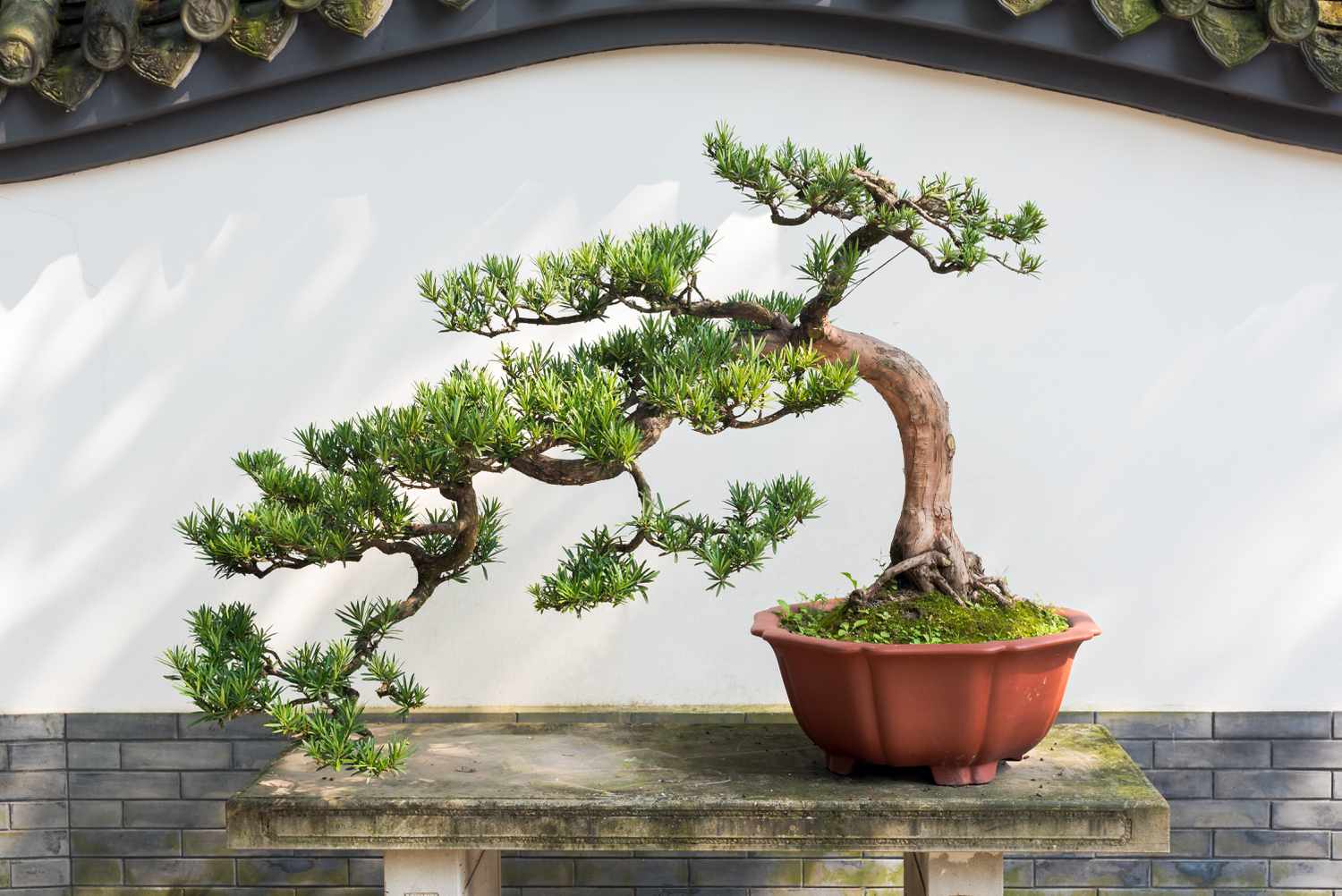

Start with forgiving species
Bonsai is often misunderstood as a high-maintenance art form requiring expert precision, but the reality is far more accessible. The barrier to entry isn't skill; it is species selection. For beginners, the goal is to find trees that tolerate the irregular care schedules and variable light conditions typical of home environments. Think of these species as training wheels: they forgive occasional neglect and thrive on basic consistency, allowing you to learn the craft without the pressure of keeping a fragile specimen alive.
Choosing the right bonsai for beginners means prioritizing resilience over rarity. Species like the Jade, Ficus, and Chinese Elm are robust enough to handle the learning curve. They adapt well to indoor conditions and recover quickly from common mistakes like inconsistent watering. This approach shifts the focus from survival to enjoyment, letting you practice pruning and wiring on trees that can withstand the experiment.
To help you get started, here are three reliable options that embody these forgiving traits. These selections are chosen specifically for their ability to thrive with minimal intervention, making them ideal for your first bonsai experience.
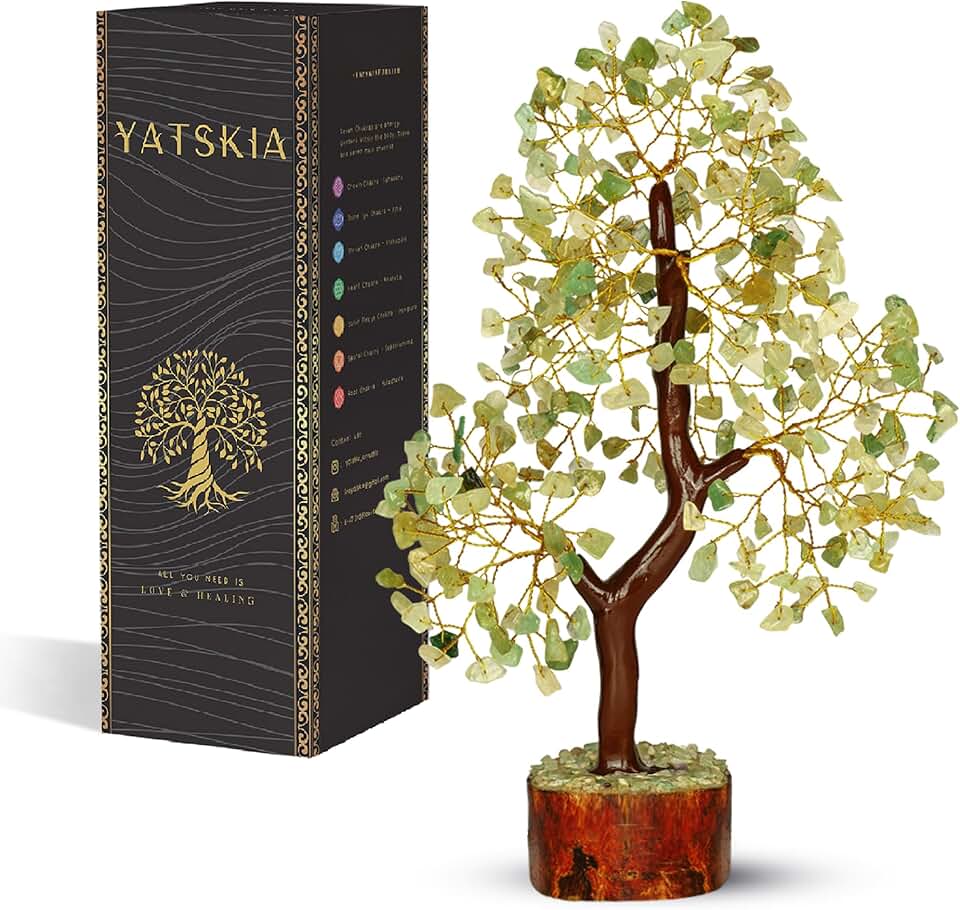

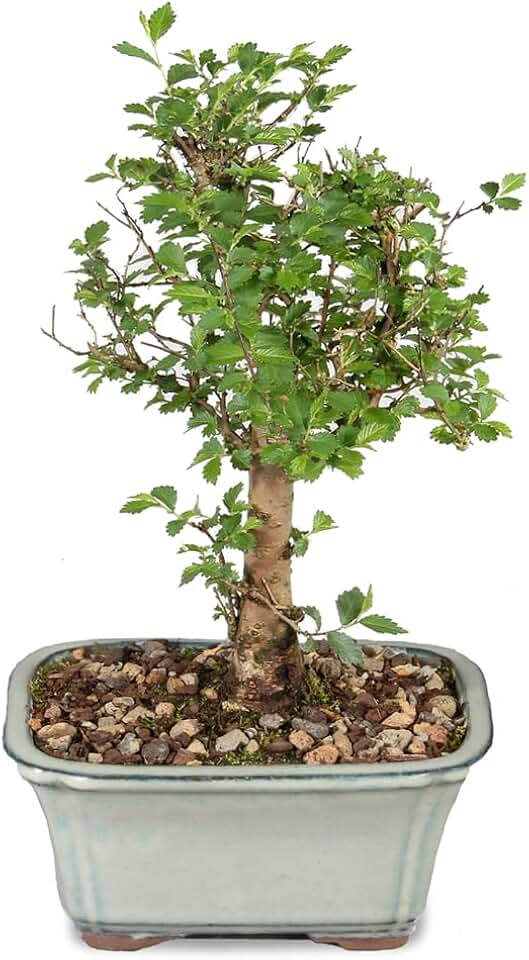
As an Amazon Associate, we may earn from qualifying purchases.
5 Best Bonsai Trees for Beginners: Low-Maintenance Species That Thrive
Starting your journey with bonsai for beginners doesn't require expert-level horticulture skills or a green thumb. These five low-maintenance species are selected specifically for their resilience and ease of care, ensuring your first tree thrives without constant attention.
1. Ficus Retusa for resilient indoor growth
This tree thrives in low-light apartments, making it the ultimate beginner companion. Its thick, gnarled trunk and glossy leaves forgive irregular watering schedules better than most species. Place it near a bright window, but avoid cold drafts that stress the foliage. It adapts quickly to indoor humidity levels, ensuring steady growth without demanding expert-level care or specialized equipment.

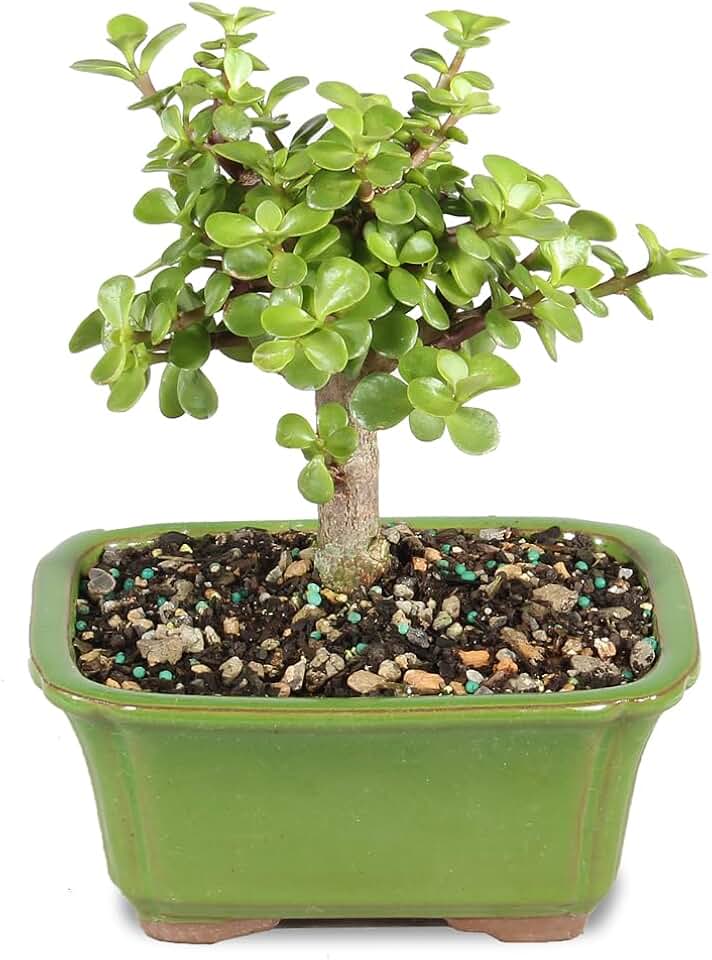
2. Jade Plant Crassula ovata for succulent care
Think of this as the low-maintenance succulent of the bonsai world. Its thick, fleshy leaves store water, allowing it to survive weeks without a drink. This trait makes it perfect for forgetful beginners who might overwater other delicate species. Prune lightly to maintain shape, and provide bright, indirect light to keep the compact form sturdy and vibrant year-round.

3. Chinese Elm for adaptable outdoor training
The Chinese Elm offers a rugged, deciduous structure that withstands seasonal changes beautifully. Its small leaves and flexible branches allow for aggressive wiring and shaping, giving beginners ample room to practice styling techniques. It thrives outdoors in full sun to partial shade, developing a thick trunk base that mimics ancient forest trees with minimal effort.
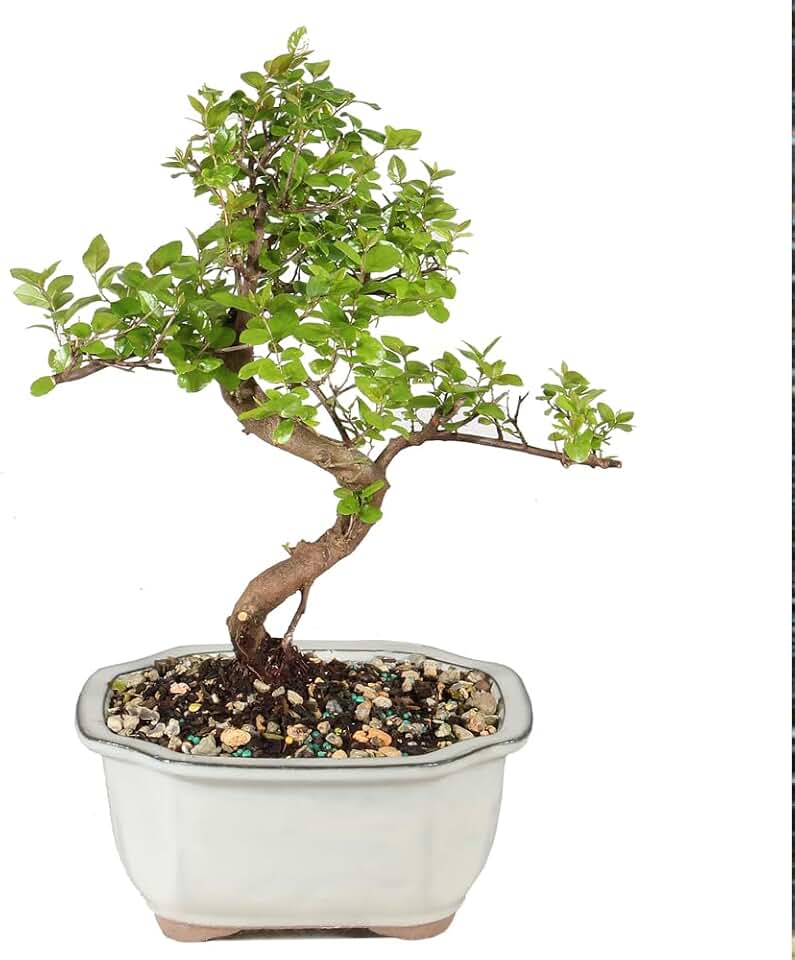
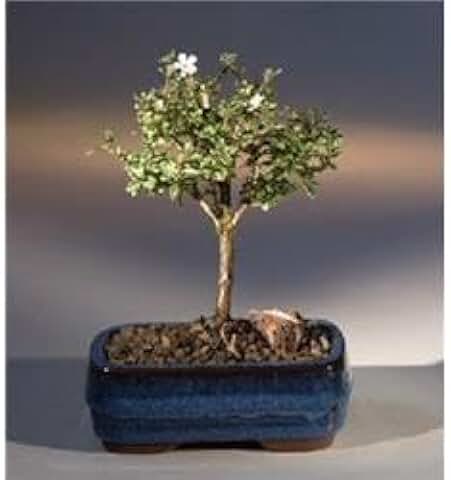
4. Serissa foetida for delicate flowering interest
Known as the "Tree of a Thousand Stars," this species rewards patience with tiny white blooms. While it requires consistent moisture, its intricate branching structure provides a sophisticated aesthetic for those ready to step up their care routine. Keep it in a sheltered spot to protect the fragile flowers from harsh winds, ensuring a steady display of star-like blossoms.
5. Juniperus procumbens for classic outdoor styling
This evergreen staple delivers the iconic, windswept look associated with traditional bonsai art. Its needle-like foliage and rugged bark age gracefully, developing a weathered charm that improves with time. Ideal for outdoor settings, it tolerates cold winters well, making it a durable choice for beginners who want a classic appearance without demanding indoor conditions.

Compare light and water needs
Choosing the right bonsai for beginners often comes down to two factors: how much light your home gets and how often you remember to water. Matching the tree’s natural habits to your environment is the best way to keep a bonsai alive. A Ficus might thrive on a sunny windowsill, while a Juniper could struggle in low light.
The table below breaks down the specific care requirements for the five recommended species. Use this to find the best fit for your space.
| Species | Light Needs | Watering Frequency | Best Placement |
|---|---|---|---|
| Ficus Retusa | Bright, indirect | When top soil is dry | Indoor windowsill |
| Jade Plant | Bright, direct | Every 2-3 weeks | Sunny window |
| Chinese Elm | Bright, indirect | Keep slightly moist | Indoor near window |
| Japanese Maple | Partial shade | Keep moist, not wet | Indoor near window |
| Juniper | Full sun | When dry | Outdoor only |
Ficus and Jade are the most forgiving for indoor beginners because they tolerate lower humidity and fluctuating light. Chinese Elm and Japanese Maple need more consistent moisture and bright light but can survive indoors if placed correctly. Junipers are strictly outdoor trees; bringing one inside will likely kill it due to lack of cold dormancy and insufficient light intensity.



As an Amazon Associate, we may earn from qualifying purchases.
When in doubt, check the soil. Stick your finger an inch deep; if it’s dry, it’s time to water. If it’s damp, wait. This simple rule prevents the most common beginner mistake: overwatering.
Avoid the watering mistake
Use this section to make the 5 Best Bonsai Trees for decision easier to compare in real life, not just on paper. Start with the reader's actual constraint, then separate must-have requirements from details that are merely nice to have. A practical choice should survive normal use, maintenance, timing, and budget. If a recommendation only works in an ideal situation, call that out plainly and give the reader a fallback path.
The simplest way to use this section is to write down the must-have criteria first, then compare each option against those criteria before weighing nice-to-have features.
Frequently asked: what to check next
Bonsai for beginners often feels intimidating, but the reality is much simpler than the reputation suggests. Here are the most common questions new growers ask, answered with practical advice to help your trees thrive.
Is bonsai a difficult hobby?
Growing bonsai is not very hard, provided you understand that you are caring for a living tree, not a static decoration. The species listed in this guide are selected specifically for their resilience and forgiveness. As long as you pay attention to light and water, these trees will adapt to your schedule and environment without demanding expert-level horticulture skills.
What is the one mistake all bonsai beginners make?
The most common error is getting the watering balance wrong. Overwatering leads to root rot, which kills the tree slowly, while underwatering causes immediate leaf drop and weakness. Because bonsai pots are small, the soil dries out faster than in regular houseplants. Check the soil surface daily; if it feels dry to the touch, water it thoroughly until it runs out the bottom.
Can I keep a bonsai tree indoors?
Yes, but you must choose the right species. Tropical varieties like the Ficus or Jade tree thrive in indoor conditions with bright, indirect light. Temperate species like Juniper or Pine require cold winters and outdoor conditions to survive. Placing an outdoor bonsai inside permanently will eventually kill it, so always verify the climate needs of your specific tree before bringing it home.
No comments yet. Be the first to share your thoughts!