

5 Best Bonsai Trees for Beginners (2026 Guide)
Selecting the right starter bonsai hinges on choosing species that tolerate beginner mistakes while delivering authentic miniature aesthetics. This guide highlights five concrete products that balance ease of care with visual impact, ensuring your first tree thrives without requiring expert horticulture skills.
1. Hawaiian Umbrella Tree
The Hawaiian Umbrella Tree, or Schefflera arboricola, is the forgiving entry point for novice bonsai artists. Its small, glossy leaflets tolerate inconsistent watering and lower light better than most species. This resilience makes it ideal for learning basic pruning and wiring techniques without the stress of constant plant death. It grows quickly, rewarding beginners with visible progress and a lush, tropical aesthetic that brightens any indoor space.

2. Tiger Bark Ficus
The Tiger Bark Ficus offers a dramatic, textured trunk that develops a striking, mottled bark pattern as it matures. This species is exceptionally hardy, tolerating a wide range of indoor conditions and recovering well from pruning mistakes. Its thick, gnarled roots provide a sturdy base, making it perfect for beginners who want to focus on shaping a powerful, ancient-looking silhouette without worrying about delicate leaf health.
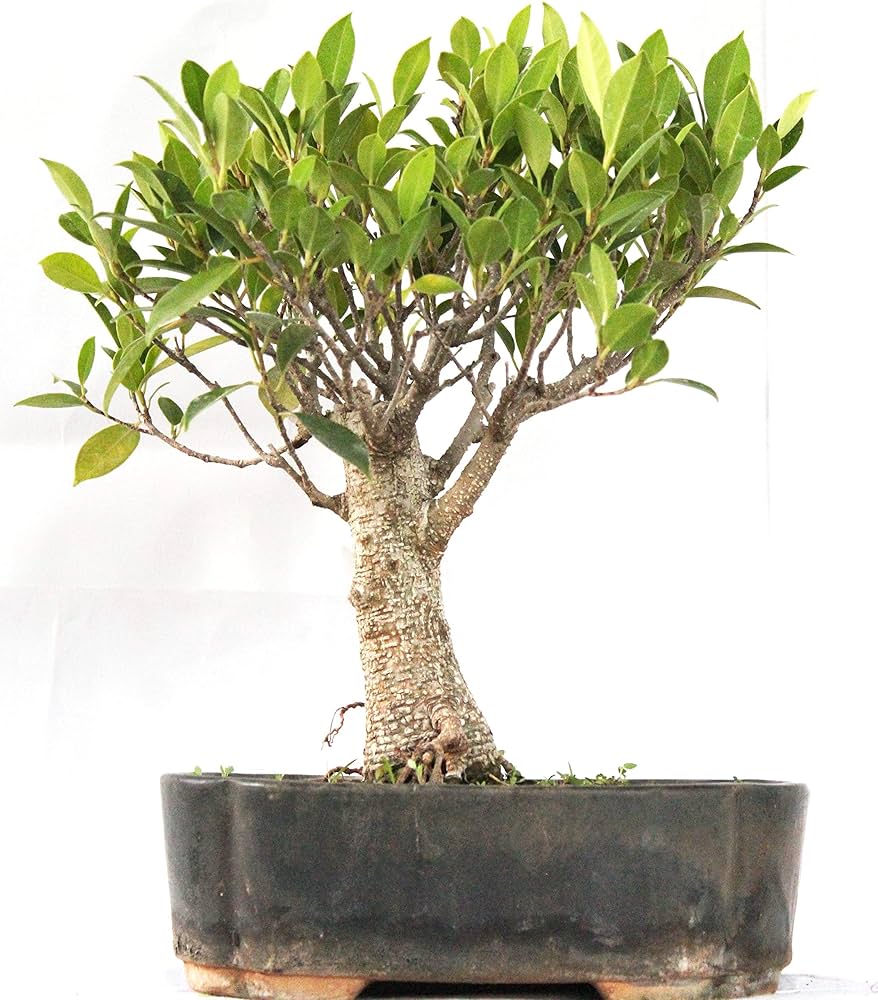
- Distinctive mottled bark
- Highly resilient
- Excellent for trunk styling
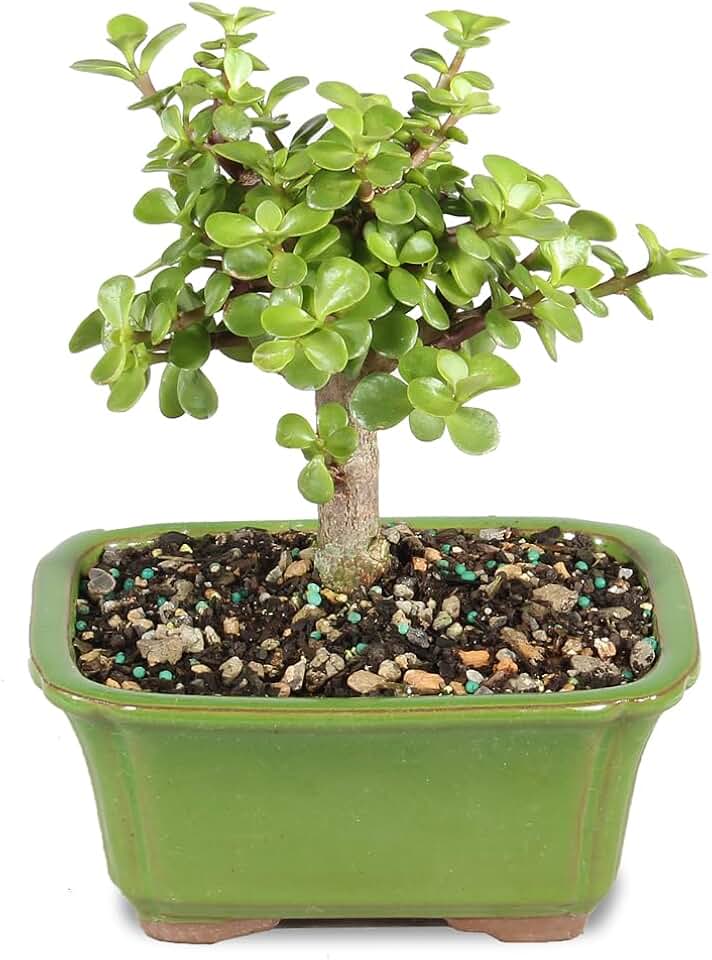
3. Dwarf Jade Tree
The Dwarf Jade Tree, or Portulacaria afra, is a succulent bonsai that stores water in its thick, woody stems. This trait makes it incredibly drought-tolerant, reducing the risk of overwatering—a common beginner pitfall. Its small, round leaves and compact growth habit allow for easy shaping and wiring. It thrives in bright light and requires minimal maintenance, making it a robust choice for those new to the art of bonsai cultivation.
4. Chinese Elm Tree
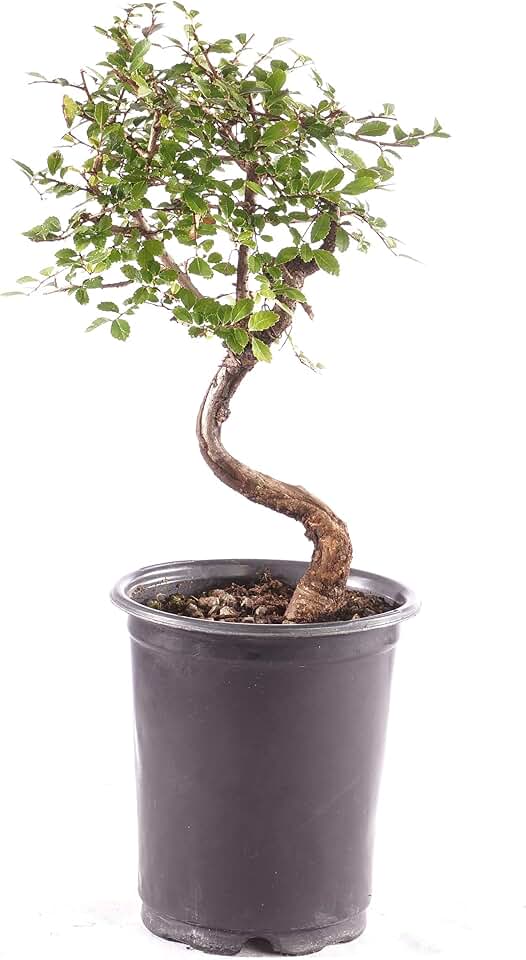
The Chinese Elm is a deciduous tree that offers seasonal interest with vibrant green leaves in spring and summer, turning yellow or orange in autumn. It is highly adaptable to both indoor and outdoor environments, provided it receives adequate light. Its flexible branches make it easy to wire and shape, allowing beginners to experiment with various styles. This versatility and hardiness make it one of the most popular and reliable choices for novice bonsai enthusiasts.
5. Japanese Black Pine
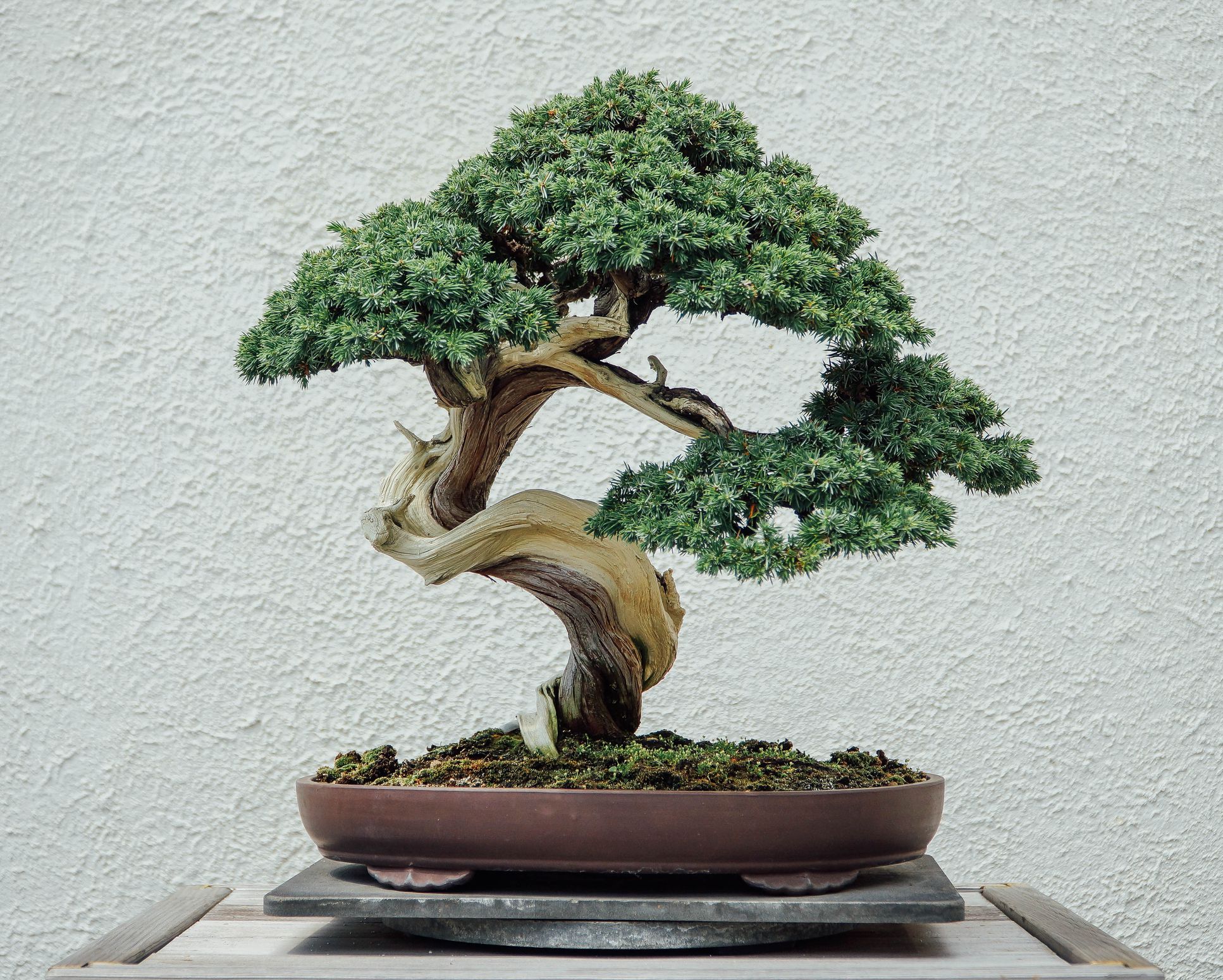
The Japanese Black Pine is a classic coniferous bonsai that exudes elegance and resilience. Its long needles and rugged, twisted trunk create a striking, natural appearance that mimics ancient trees found in mountainous regions. While it requires more specific care, such as well-draining soil and ample sunlight, its durability and rewarding growth make it a prized goal for beginners ready to advance their skills. It stands as a timeless symbol of strength and patience in the bonsai world.

Choosing your first bonsai tree
Bonsai is a style, not a specific plant species. You can train almost any tree into a miniature form, but beginners should start with species that tolerate mistakes. This distinction matters because many new growers assume they need rare or delicate specimens. In reality, the best trees for learning are hardy, forgiving, and resilient.
Starting with a robust tree gives you room to learn the basics of pruning, wiring, and watering without the pressure of keeping a fragile plant alive. Think of it like learning to drive in an automatic car before moving to a manual transmission. You focus on the fundamentals—steering, braking, and balance—without worrying about stalling the engine. Once you understand how your tree responds to care, you can experiment with more challenging varieties.
The goal is to build confidence through success. A tree that thrives despite occasional neglect or minor errors in technique will teach you more than one that dies from a single misstep. Look for species known for their adaptability and strong root systems. These trees recover quickly from stress and show visible signs of growth, which keeps you motivated as you develop your skills.
Callouts help highlight important distinctions without breaking the flow of your reading experience.
Bonsai care basics checklist
Bonsai is less about gardening and more about balancing three competing forces: water, light, and soil. Think of your bonsai like a houseplant that demands a daily routine. If you miss a beat, the tree shows it. If you overcomplicate it, you stress it out. Here is how to keep that balance.
Most beginners kill bonsai by overwatering. Check the soil daily by inserting your finger about half an inch deep. If it feels dry, water thoroughly until water runs out of the drainage holes. If it is damp, wait. The goal is moist, not soggy.
Indoor bonsai need a bright south or east-facing window. Direct, harsh midday sun can scorch delicate leaves, while too little light causes the tree to stretch and lose its compact shape. Rotate the pot a quarter turn every time you water to ensure even growth.
Standard potting soil holds too much water and suffocates roots. Use a gritty, well-draining mix specifically designed for bonsai, often containing akadama, pumice, and lava rock. This allows water to flow through quickly while keeping the roots anchored and aerated.
To get started with the right tools, you will need a few specific items that make this routine easier.


As an Amazon Associate, we may earn from qualifying purchases.
Frequently asked: what to check next
Bonsai care often feels like a high-stakes puzzle for beginners, but the rules are simpler than they seem. The biggest hurdle isn't the artistry; it's the daily rhythm of water and light. Here are the most common questions new growers ask, answered with practical, concrete advice.
No comments yet. Be the first to share your thoughts!