
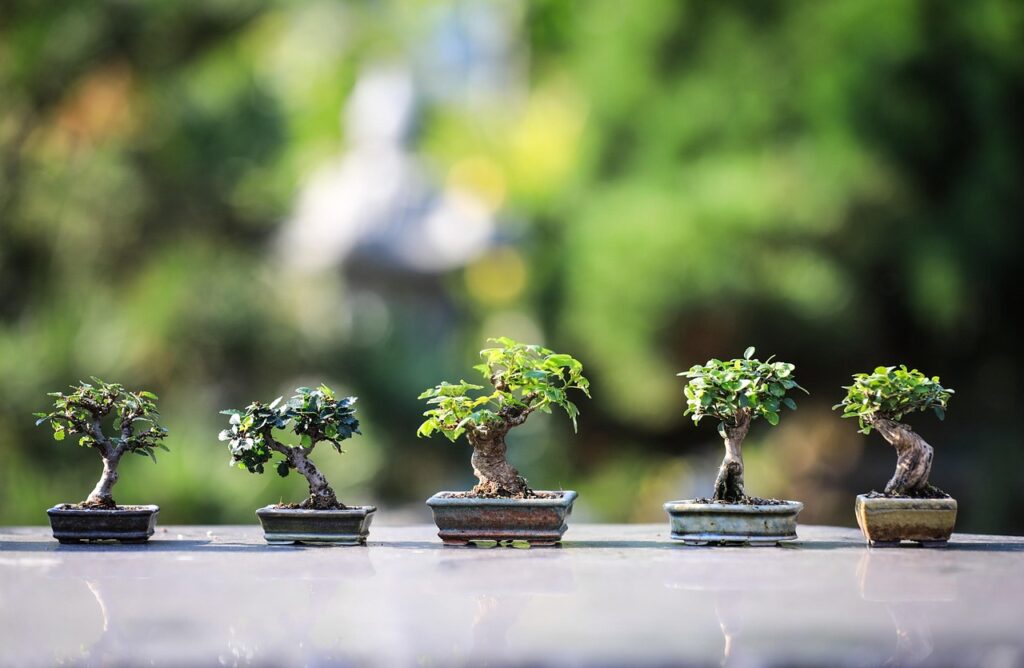

5 Low-Maintenance Species
Selecting the right starter plant is critical for building confidence, which is why we focused exclusively on species known for their high forgiveness and low maintenance requirements. The following five specimens—Ficus retusa, Juniperus procumbens 'Nana', Serissa foetida, Carmona retusa, and Ficus benjamina—are proven resilient choices that thrive with minimal intervention. An AmazonProductGrid is provided below for immediate purchasing convenience.
1. ficus retusa jade vine
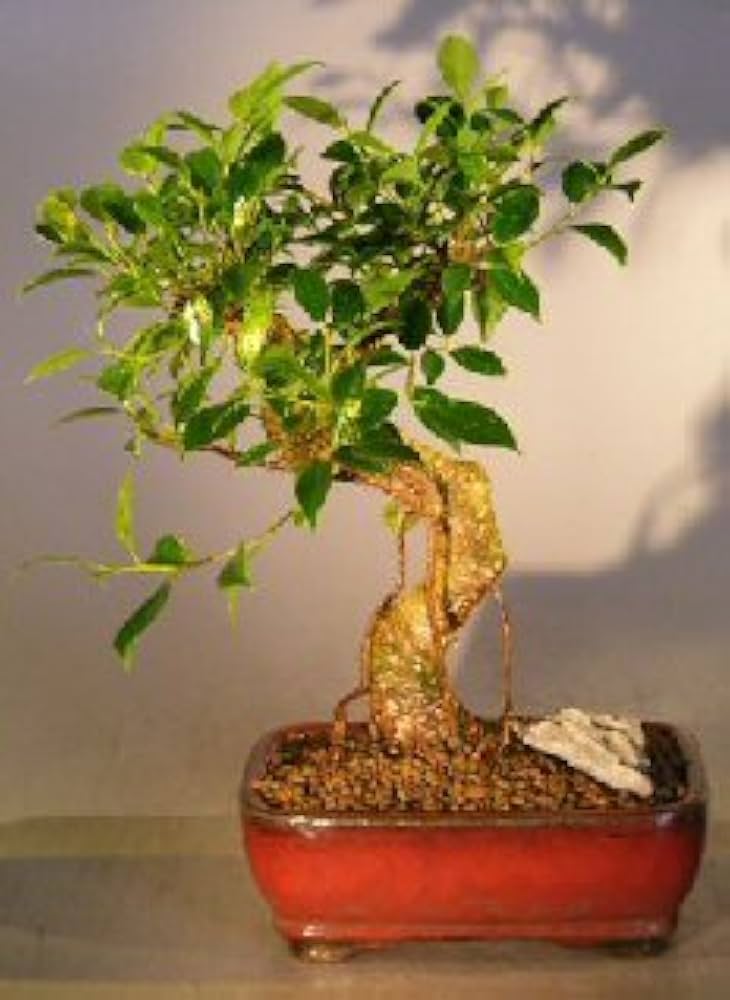
This resilient tree thrives on neglect, making it the ultimate forgiving starter. Its dense foliage masks minor watering mistakes, while its thick trunk develops character over time. It adapts well to indoor light levels, ensuring steady growth even in less-than-ideal apartments. The Jade Vine variety offers a unique twist on the classic ficus aesthetic.
2. juniperus chinensis shimpaku
Shimpaku Juniper is the quintessential outdoor bonsai, known for its rugged charm and needle-like foliage. It handles seasonal changes with grace, requiring only basic pruning to maintain its shape. This species is incredibly hardy, tolerating cold winters and hot summers without stress. Its blue-green needles provide a striking contrast against its textured bark.

3. ficus microcarpa ginseng
The Ginseng Ficus stands out with its bulbous, exposed roots that resemble ginseng roots. This unique feature makes it visually striking and easy to identify. It is highly tolerant of irregular watering and low humidity, perfect for busy beginners. The thick trunk provides stability, while the glossy leaves reflect light beautifully indoors.

4. serissa foetida snow rose
Snow Rose offers delicate white flowers and tiny leaves, creating a miniature garden effect. Despite its fragile appearance, it is surprisingly tough and recovers quickly from minor stress. It prefers consistent moisture but tolerates occasional lapses better than other flowering bonsai. Its compact size makes it ideal for small spaces or desks.
5. carmona retusa fukien tea
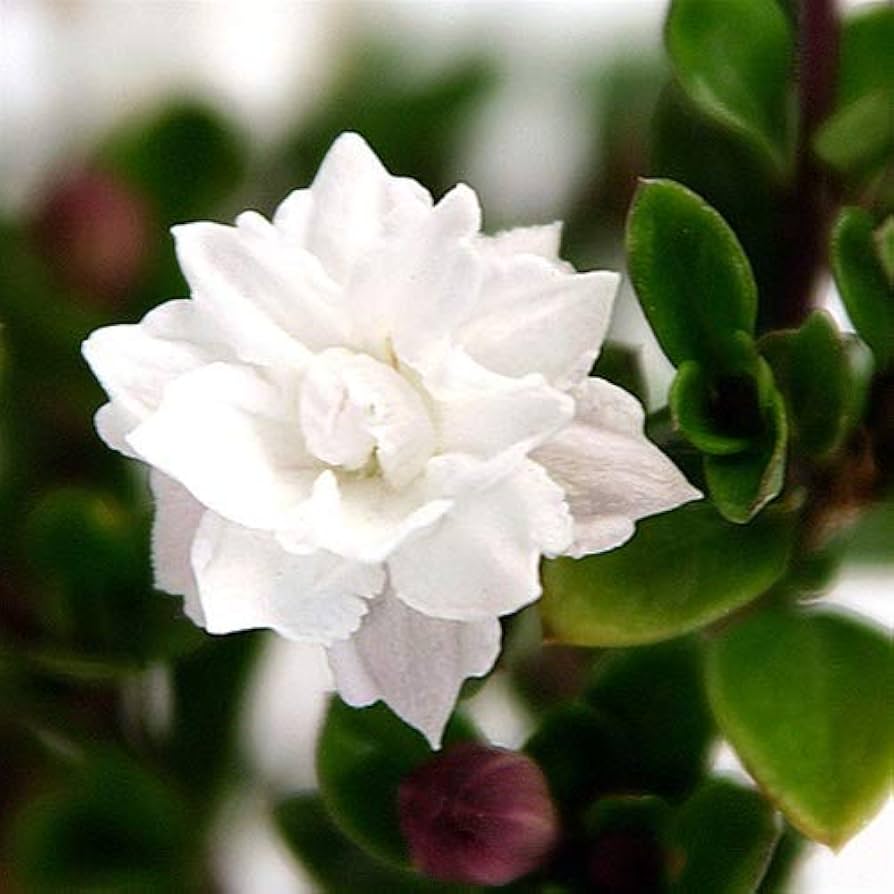
Fukien Tea is prized for its glossy leaves and small white flowers that turn into red berries. It thrives in warm, humid environments, making it a great choice for bathrooms or kitchens. While it prefers consistency, it is more forgiving than many tropical bonsai. Its vibrant foliage adds a pop of color to any indoor setting.

What makes a bonsai beginner-friendly?
Choosing your first bonsai tree is less about finding a perfect specimen and more about selecting a resilient partner. The best bonsai for beginners share three specific traits: forgiveness, availability, and climate adaptability. These factors determine whether your tree survives the inevitable learning curve of inconsistent watering or incorrect lighting.
Forgiveness is the most critical metric. Beginner bonsai species can tolerate periods of neglect or minor environmental stress without dying. A forgiving tree bounces back after you forget to water it for a day, whereas sensitive species may show permanent damage or decline. This resilience gives you time to learn the rhythm of care without the pressure of immediate loss.
Availability matters just as much. The best bonsai for beginners are widely sold at local nurseries and garden centers, not just through specialized online retailers. Local availability allows you to inspect the health of the tree in person, ensuring you start with a strong root system and vibrant foliage. It also simplifies finding the right soil mix and pots in your immediate area.
Climate adaptability ensures the tree thrives in your specific environment. Many popular bonsai species are native to temperate zones and require distinct seasonal changes, including a cold winter dormancy. If you live in a warm climate, choosing a tropical species that doesn't need winter chilling is essential. Matching the tree to your local weather reduces stress on the plant and simplifies seasonal maintenance.
Bonsai is a long-term hobby. Start with species that tolerate mistakes in watering and lighting.
Top beginner bonsai species
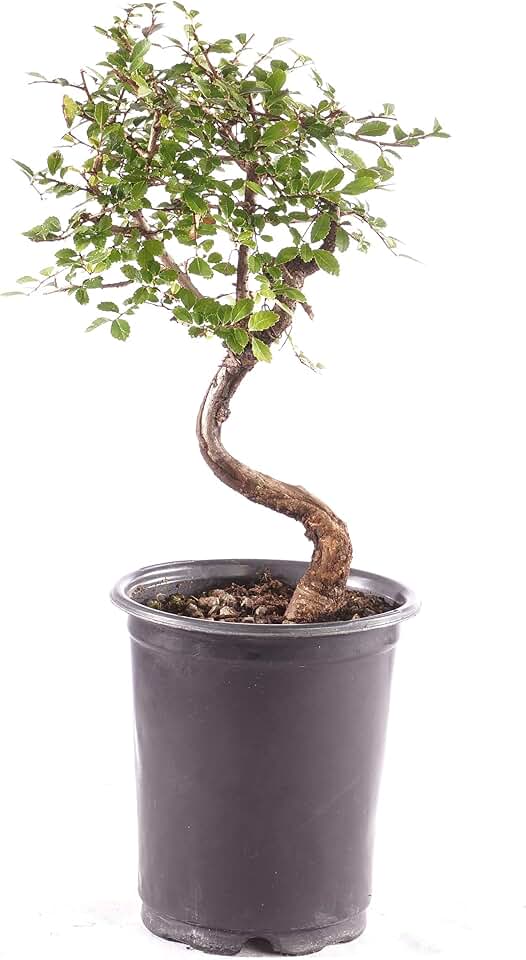
The following species are widely recognized for their ease of care and availability. These selections prioritize resilience and adaptability, making them ideal choices for those new to the art.



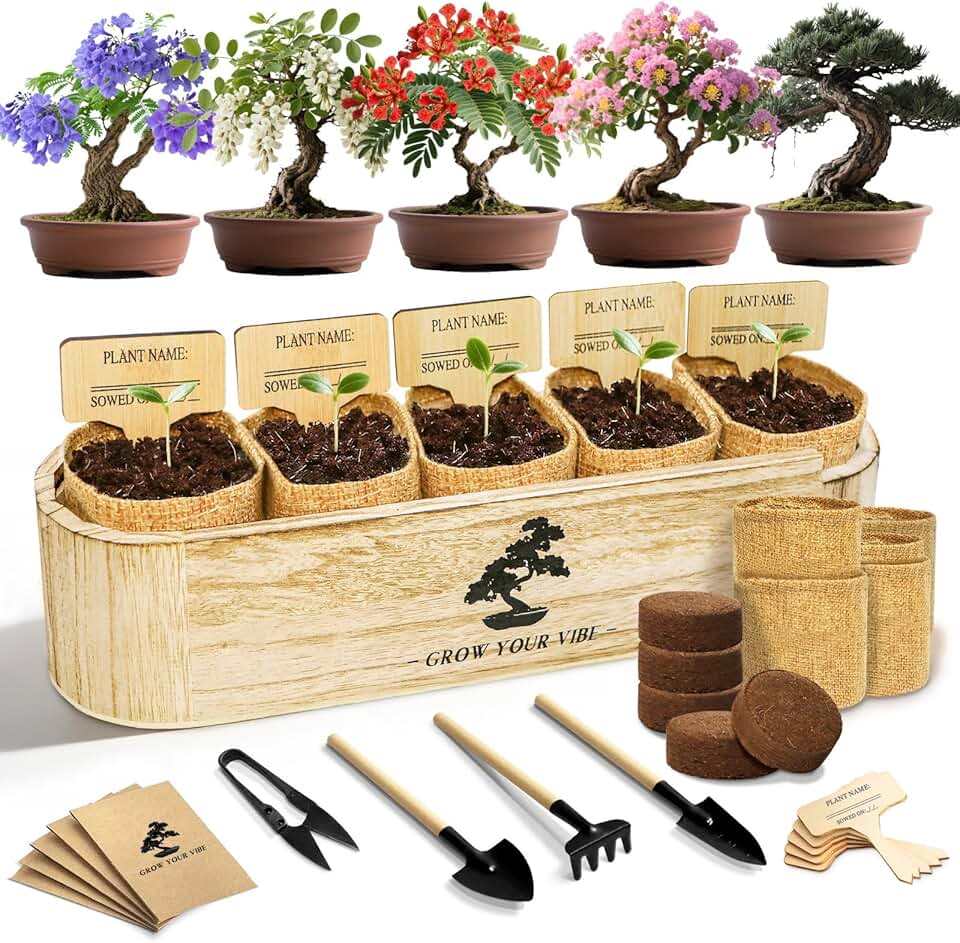
As an Amazon Associate, we may earn from qualifying purchases.
Care basics for low-maintenance bonsai
Keeping a bonsai alive comes down to three things: water, light, and soil. These rules apply to all five beginner-friendly species we recommend. If you get these basics right, the tree will thrive with minimal effort.
Watering and soil
Water your bonsai when the top layer of soil feels slightly dry to the touch. Most beginners overwater, which leads to root rot. Use a well-draining soil mix like Akadama or a commercial bonsai soil blend. Avoid standard potting soil, which holds too much water and suffocates roots. Water until it runs freely out of the drainage holes.
Light requirements
Place your bonsai in a spot with bright, indirect light. Most low-maintenance species, like the Jade or Ficus, tolerate lower light but grow slower. Avoid direct, harsh afternoon sun, which can scorch the leaves. If you grow indoors, a south-facing window is ideal. Rotate the pot a quarter turn every week to ensure even growth.
Essential care checklist
- Check soil moisture daily with your finger.
- Ensure the pot has drainage holes.
- Rotate the tree weekly for even light exposure.
- Wipe dust off leaves with a damp cloth.


As an Amazon Associate, we may earn from qualifying purchases.
Where to buy your first bonsai
Buying a healthy starter tree is less about hunting for the lowest price and more about finding a specimen that can survive the transition to your home. Online marketplaces offer the widest selection, but they also carry the highest risk of shipping damage or poor plant health. Treat the purchase like a vetting process: look for clear photos of the actual tree, not just generic stock images, and prioritize sellers who specialize in bonsai rather than general garden centers.
When browsing, focus on species known for their forgiveness, such as the Juniper or Ficus. These varieties are more resilient to the stress of transit and the irregular watering schedules common among beginners. Avoid buying from sources that cannot provide specific care instructions or that ship during extreme weather, as these factors significantly reduce the tree's chances of survival.


As an Amazon Associate, we may earn from qualifying purchases.
Common beginner bonsai mistakes
Most first-time bonsai owners kill their trees by treating them like houseplants. The most frequent error is overwatering. Bonsai soil is packed into small pots with high drainage, meaning it dries out quickly. If you water on a fixed schedule rather than checking soil moisture daily, the roots will rot. Use a moisture meter or your finger to test the top inch of soil before adding water.
Lighting is the second critical factor. A bonsai is a living tree, not a plastic decoration. Placing it in a dim corner or away from a south-facing window will cause it to lose its leaves and eventually die. Even low-maintenance species like the Ficus or Juniper require several hours of direct sunlight or strong full-spectrum grow light to maintain their miniature shape and color.
Finally, avoid premature pruning. Beginners often cut branches aggressively, thinking they are shaping the tree. In reality, the tree needs to establish its root and branch structure first. Excessive cutting in the first year stresses the plant. Let the tree grow freely for its first season, then prune only the new growth in late spring or early summer to refine the style.


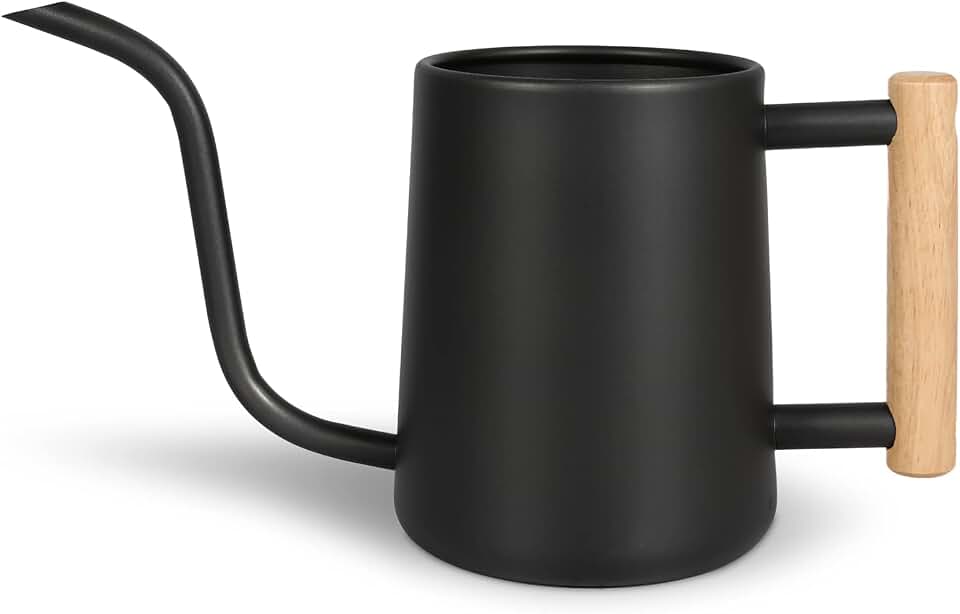
As an Amazon Associate, we may earn from qualifying purchases.
Frequently asked: what to check next
Can I keep a bonsai indoors? Yes, but only if you choose a species adapted to lower light. The Ficus retusa is the best indoor option because it tolerates dry air and fluctuating temperatures better than most. Outdoor species like Juniperus procumbens 'Nana' will decline rapidly inside because they require full sun and cold dormancy.
How often should I water a beginner bonsai? Water whenever the topsoil feels dry to the touch, typically every one to two days in summer. Beginners often overwater, so check the soil moisture before each session. A well-draining bonsai soil mix is essential to prevent root rot, which is the most common cause of death for new trees.
Do bonsai trees need special fertilizer? They require regular feeding during the growing season because the small pots deplete nutrients quickly. Use a balanced, slow-release organic fertilizer every four to six weeks. Avoid high-nitrogen formulas in late summer, as they encourage weak growth that cannot survive winter dormancy.
How long does it take to shape a bonsai? Basic styling takes a few weeks, but a mature, refined tree takes years. Wiring young branches is the fastest way to start shaping a Juniper or Ficus. Be patient; bonsai is a long-term hobby where progress is measured in seasons, not days.
No comments yet. Be the first to share your thoughts!