
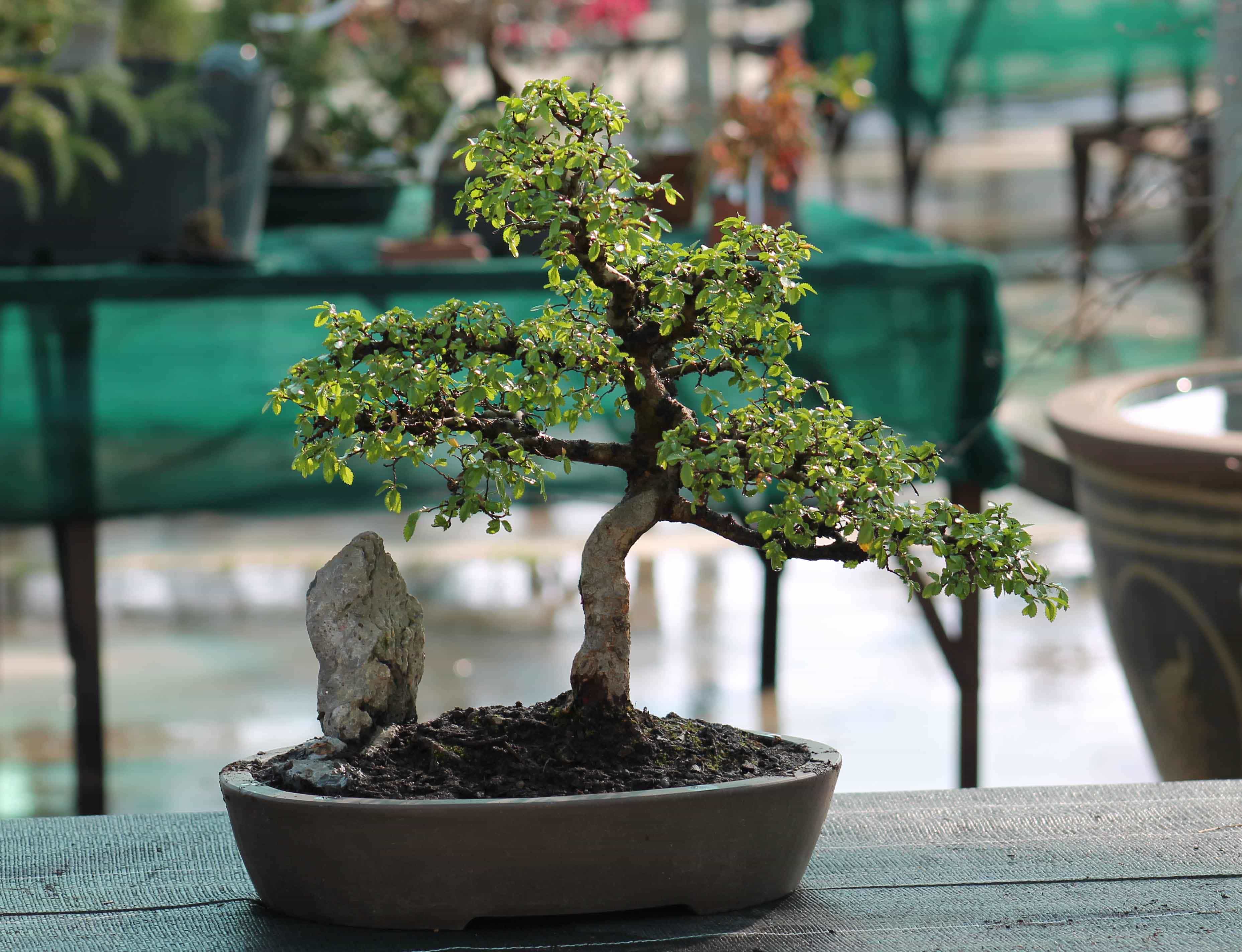

Start with forgiving tree types
Choosing the right species is the single most important decision you’ll make when starting your bonsai journey. Think of your first tree like a training partner: you want someone patient who will forgive your mistakes while you learn the basics. Starting with a resilient, low-maintenance variety builds your confidence and ensures you see results rather than frustration.
Forgiving bonsai species are bred to withstand the irregular watering schedules and variable indoor conditions that often challenge newcomers. Trees like the Jade (Crassula ovata) or the Ficus (Ficus retusa) are particularly resilient. They tolerate lower light levels and recover quickly if you let the soil dry out too much. In contrast, delicate species like the Japanese Maple require precise humidity and temperature control, making them better suited for experienced growers.
By selecting a tree that is naturally adaptable, you shift the focus from survival to artistry. This allows you to practice essential techniques like wiring and pruning without the constant anxiety of keeping the plant alive. Once you’ve mastered the care routine with a beginner-friendly species, you can gradually expand your collection to include more demanding varieties.


As an Amazon Associate, we may earn from qualifying purchases.
Top beginner-friendly bonsai picks
Choosing a bonsai is less about finding the perfect tree and more about finding a tree that fits your lifestyle. For beginners, the goal is to pick species that are forgiving of mistakes, whether that means forgetting to water them for a day or placing them in a room with average light. These low-maintenance trees are resilient and will reward your early efforts with healthy growth rather than frustration.
Think of your first bonsai as a training partner. You need something sturdy that can handle the learning curve while you master the basics of pruning, wiring, and soil management. The following selections are widely regarded as the most accessible entry points into the hobby, each offering a distinct aesthetic and care profile that keeps the experience enjoyable rather than stressful.


As an Amazon Associate, we may earn from qualifying purchases.
The Juniper (Juniperus procumbens 'Nana') is the quintessential outdoor bonsai for beginners. It is incredibly hardy and can withstand harsh winters, making it ideal if you have a balcony or garden. Junipers are also very forgiving; if you let them dry out occasionally, they often bounce back better than delicate indoor species. Their natural tendency to grow in windswept shapes means you can often achieve a mature look with minimal wiring, letting the tree’s natural character guide your styling.
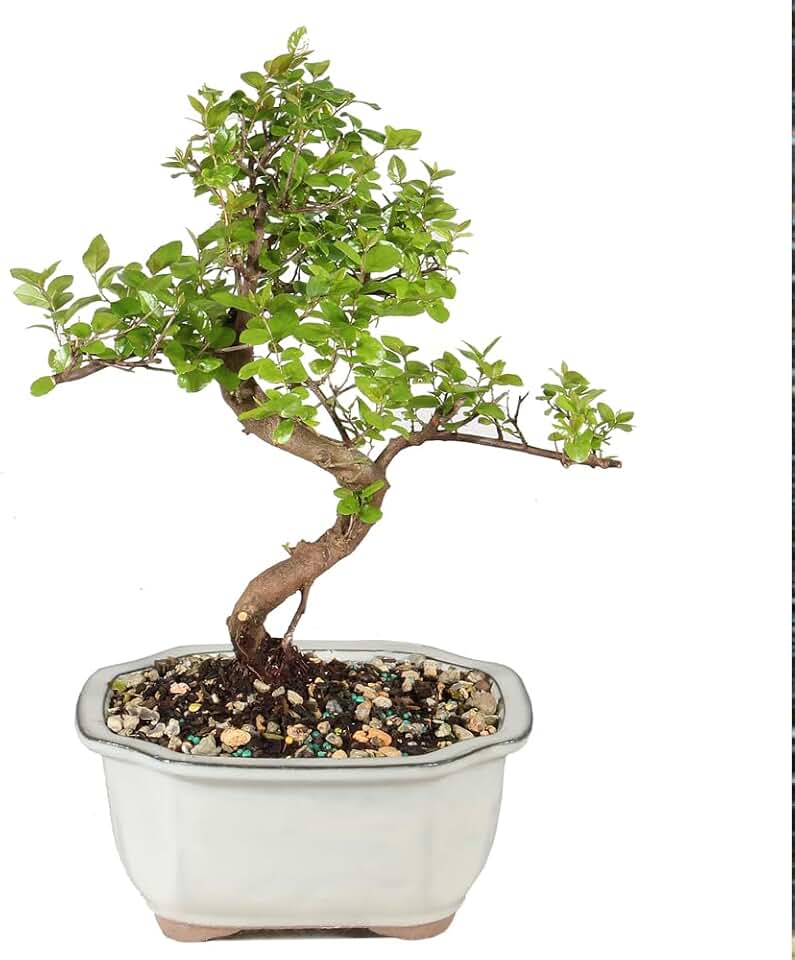
For those living in apartments or areas with limited outdoor space, the Ficus (Ficus retusa) is the best indoor option. Unlike many bonsai that require cold dormancy, Ficus trees are tropical and happy in standard room temperatures. They are fast growers, which provides immediate feedback on your care techniques. If you prune a branch, you will see new buds appear quickly, reinforcing good habits. They are also tolerant of lower light conditions, though they still appreciate a sunny windowsill.
The Chinese Elm (Ulmus parvifolia) offers a middle ground, thriving both indoors with bright light and outdoors in mild climates. Known for its small leaves and attractive bark that peels in patches, it adds visual interest even when it is dormant. This tree is exceptionally resilient to root pruning and repotting, two tasks that can stress out more sensitive species. Its adaptability makes it a reliable companion as you experiment with different shaping styles and soil mixes.
Essential care for your first tree
Starting a bonsai is less about strict rules and more about learning the rhythm of your specific tree. Think of your first bonsai as a forgiving roommate rather than a high-maintenance pet. If you miss a watering day, it might droop, but it will likely bounce back. The goal is to build a simple routine around three pillars: water, light, and soil.
Watering: The Golden Rule
Watering is the most common stumbling block for beginners, but it is also the easiest to master. The golden rule is simple: water only when the soil feels dry to the touch. Do not water on a fixed schedule, as environmental factors change daily. Instead, stick your finger about an inch into the soil. If it feels damp, wait. If it feels dry, give it a thorough soaking until water runs freely out of the drainage holes.
Overwatering is far more dangerous than underwatering. Roots need oxygen as much as they need moisture, and soggy soil leads to root rot, which is often fatal. For beginners, a well-draining soil mix is non-negotiable. Look for products labeled "bonsai soil" or "akadama mix," which are designed to hold moisture without becoming waterlogged. Avoid standard potting soil, which is too dense and retains too much water for a shallow bonsai pot.
Light: Finding the Right Spot
Light is the engine that powers your bonsai. Most beginner-friendly species, such as the Ficus or Jade, thrive in bright, indirect light. A south-facing window is often ideal, but you can protect the leaves from harsh midday sun by placing a sheer curtain between the window and the tree. If you notice the leaves turning yellow or falling off, your tree might be getting too much direct, intense heat. Conversely, if the stems become long and spindly (a condition called "leggy" growth), it is not getting enough light.
Soil and Feeding
While bonsai soil doesn't need frequent replacement, it does need occasional feeding. Bonsai pots are small, and the limited soil volume runs out of nutrients quickly. During the growing season (spring and summer), feed your tree every two weeks with a balanced liquid fertilizer. In winter, most trees go dormant and need little to no food. Always follow the dilution instructions on the fertilizer bottle; it is better to under-feed than to burn the roots with too much strength.
Weekly Care Checklist
Keeping a simple weekly routine helps you stay connected to your tree without feeling overwhelmed. Here is a quick checklist to keep your bonsai thriving:
- Check soil moisture before watering
- Wipe dust off leaves with a damp cloth
- Inspect for pests like spider mites or aphids
- Trim any dead or yellowing leaves
- Rotate the pot slightly for even growth


As an Amazon Associate, we may earn from qualifying purchases.
Common beginner mistakes to avoid
Starting a bonsai journey is rewarding, but even forgiving trees like the Ficus retusa or Chinese Elm can struggle if basic care rules are ignored. The most frequent reason beginners lose their first tree is overwatering. It is tempting to treat your bonsai like a houseplant, but these trees live in shallow pots with fast-draining soil. When the soil stays soggy, the roots suffocate and rot. Instead, water only when the surface feels slightly dry to the touch. A good rule of thumb is to lift the pot; if it feels light, it is time to water. This habit ensures your Ficus or Juniper gets the moisture it needs without drowning.
Another common pitfall is keeping your bonsai in the wrong light. Many beginners place tropical varieties like the Ficus in dark corners, assuming they are low-light plants. While they tolerate lower light better than some species, they still need bright, indirect light to thrive. Similarly, placing a cold-hardy Pine or Juniper indoors for months will weaken it over time. Check the specific light requirements for each tree you choose. If you buy a Ficus pre-bonsai, place it near a sunny window but away from direct, scorching afternoon sun to prevent leaf burn.
Finally, resist the urge to repot or fertilize too aggressively. Bonsai soil is specialized and drains quickly, so adding heavy garden soil can compact the roots. Only repot when the tree is root-bound, typically every two to three years. When it comes to feeding, use a balanced fertilizer during the growing season, but skip it in winter when the tree is dormant. These low-maintenance trees are resilient, but they thrive on consistency, not constant intervention. By avoiding these common errors, you give your bonsai the best chance to grow into a beautiful, long-lasting companion.
Frequently asked: what to check next
Starting a bonsai collection doesn't have to be expensive or complicated. Here are the answers to the most common questions beginners ask before making their first purchase.
How much does it cost to start?
You don't need to spend hundreds to begin. A healthy, pre-styled bonsai tree typically costs between $20 and $50. This price includes the tree, a basic pot, and the initial wiring. You can find forgiving starter trees like the Juniperus procumbens 'Nana' or Ficus retusa in this range. Check the AmazonProductGrid above for current prices and availability.
How long do bonsai trees live?
With proper care, bonsai trees can live for decades, sometimes centuries. They are not short-lived decorative items. Trees like the Chinese Elm (Ulmus parvifolia) and Japanese Maple (Acer palmatum) are known for their longevity. The key is consistency: water when the soil feels dry and provide adequate light. Neglect, not age, is the main reason bonsai die.
Do I need special tools?
No. You only need three basic tools to get started: a pair of bonsai scissors for pruning, a wire cutter for shaping, and a watering can or spray bottle. Most starter kits include these items. Avoid buying expensive, specialized tools until you've spent a few months caring for your tree. Focus on learning the tree's needs first.
Can I keep bonsai indoors?
It depends on the species. Tropical trees like Ficus and Cassia thrive indoors with bright light. Temperate trees like Juniper and Pine generally need outdoor conditions to survive. If you live in a warm climate, most bonsai can stay outside year-round. Always check the specific care requirements for the tree you choose.
How often should I water my bonsai?
Water whenever the top layer of soil feels dry to the touch. This usually means every one to two days, depending on your home's humidity and temperature. Never let the root ball dry out completely. Bonsai trees in small pots lose moisture quickly. A good rule of thumb: if the soil looks light brown, it's time to water.
No comments yet. Be the first to share your thoughts!