
Start with forgiving species
When you first start growing Bonsai for beginners, the biggest hurdle isn’t wiring branches or mixing soil—it’s keeping the tree alive. Many novices are drawn to rare or exotic species that demand precise humidity, specific temperature ranges, and rigorous watering schedules. These trees are beautiful, but they are also unforgiving. If you miss a watering or the air gets too dry, they often show stress quickly.
Instead of aiming for rarity, prioritize resilience. The best beginner trees are those that tolerate inconsistent care. They can handle a missed watering here and there, or a spot in the house that isn’t perfectly lit. Think of these species as training wheels; they give you the confidence to learn the rhythms of bonsai without the pressure of a high-maintenance plant dying on your watch.
As you become more comfortable with pruning, repotting, and seasonal care, you can gradually introduce more sensitive species. But for now, stick to the hardy options. They will reward your efforts with steady growth and healthy foliage, proving that bonsai is an accessible hobby, not a high-stakes experiment.
Top 6 beginner bonsai trees
Choosing the right bonsai for beginners often comes down to resilience. Some species forgive irregular watering and tolerate indoor conditions better than others. The following six trees are widely recommended for novices because they recover quickly from mistakes and establish strong root systems.
Ficus retusa
The Ficus retusa is arguably the most forgiving option for indoor environments. It thrives in lower light conditions where other species might struggle, making it ideal for apartments or offices. This tree has small, glossy leaves that give it a refined appearance despite its hardy nature. It tolerates occasional neglect and bounces back quickly if the soil dries out too much.

As an Amazon Associate, we may earn from qualifying purchases.
Chinese Elm
Chinese Elm trees are valued for their intricate branch structure and adaptability. They can handle a wider range of temperatures than most tropical bonsai, allowing them to be kept outdoors in many climates during warmer months. The bark is smooth and gray, developing a textured look as the tree matures. This species responds well to pruning, making it a great choice for learning wiring and shaping techniques.

As an Amazon Associate, we may earn from qualifying purchases.
Jade Plant
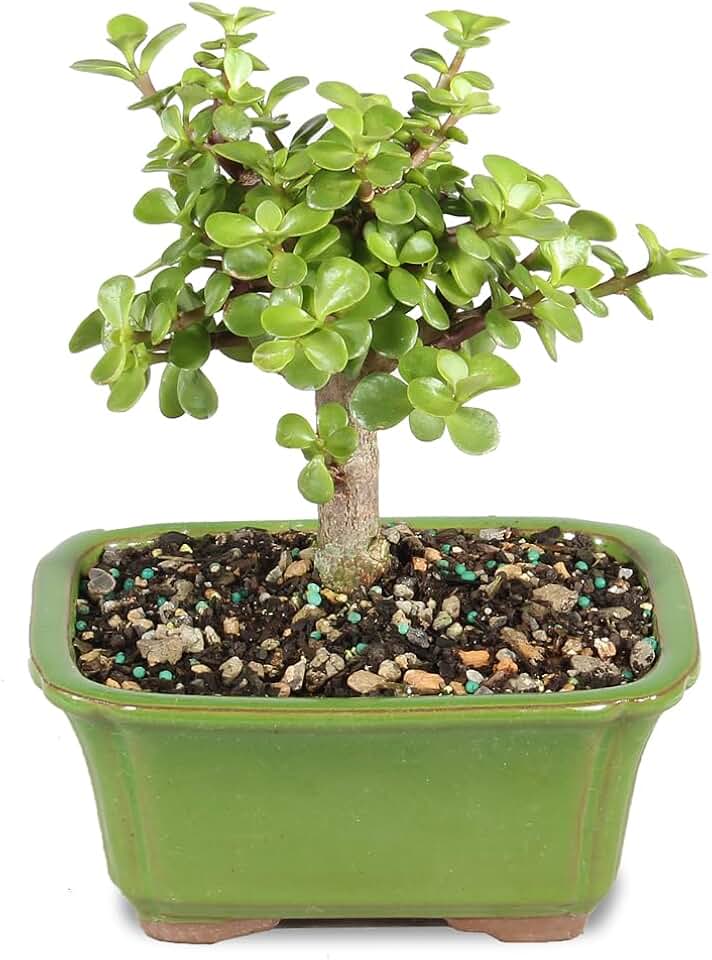
The Jade Plant (Crassula ovata) is a succulent bonsai that stores water in its thick leaves. This biological feature means it requires significantly less watering than traditional bonsai species. It is perfect for people who travel frequently or tend to overwater their plants. The tree develops a thick, tree-like trunk over time, giving it an aged appearance that looks impressive even on a small scale.
As an Amazon Associate, we may earn from qualifying purchases.
Juniper
Junipers are classic bonsai trees that offer a traditional pine-like aesthetic. While they prefer cooler temperatures and bright light, they are robust and long-lived. There are many varieties, but the Juniperus procumbens 'Nana' is particularly popular for beginners due to its compact growth habit. This tree requires more attention to humidity and airflow than a Ficus, but it rewards careful care with dense, blue-green foliage.

As an Amazon Associate, we may earn from qualifying purchases.
Serissa
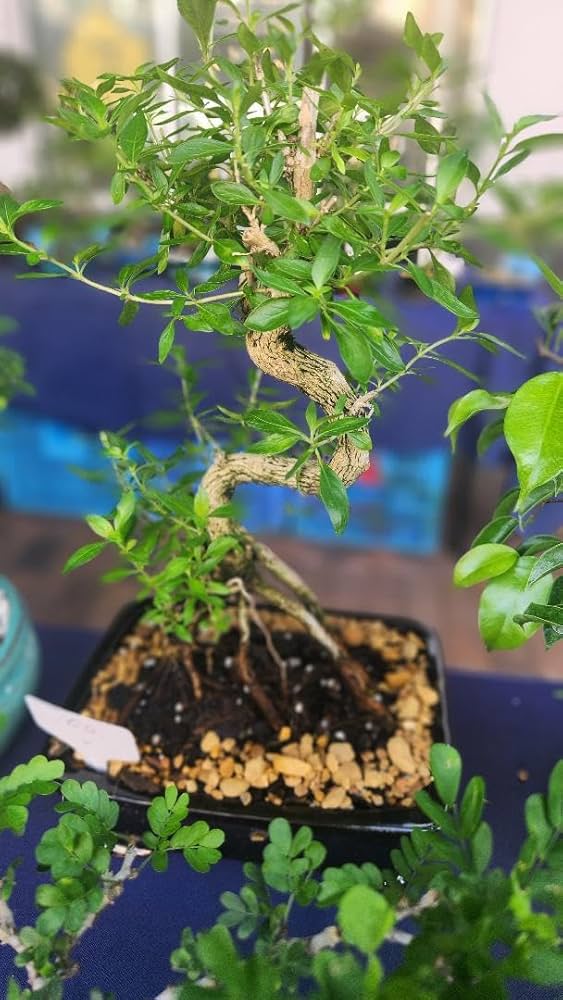
The Serissa, also known as the Tree of a Thousand Stars, produces tiny white flowers and small leaves. It is a delicate-looking tree that is surprisingly tough if kept in the right conditions. It prefers indirect light and consistent moisture. When it blooms, the tree is covered in small star-shaped flowers, adding a unique decorative element to your collection. It is a great choice for those who want a flowering bonsai.
As an Amazon Associate, we may earn from qualifying purchases.
Chinese Elm (Dwarf)
The Dwarf Chinese Elm is a smaller variant of the standard Chinese Elm, making it perfect for desks and small spaces. It shares the same hardy traits as its larger cousin, including tolerance for pruning and shaping. The small leaves create a balanced look on a miniature scale. This tree is an excellent entry point for those with limited space who still want the authentic bonsai experience.

As an Amazon Associate, we may earn from qualifying purchases.
Comparison of Care Levels
Understanding the basic needs of each tree helps prevent common beginner mistakes. Light and water requirements vary significantly between species. Use the table below to quickly compare the primary care factors for these six recommended bonsai for beginners.
| Tree | Light | Water | Difficulty |
|---|---|---|---|
| Ficus Retusa | Low to Medium | Moderate | Easy |
| Chinese Elm | Bright | Moderate | Easy |
| Jade Plant | Bright | Low | Easy |
| Juniper | Full Sun | Moderate | Medium |
| Serissa | Indirect | High | Medium |
| Dwarf Chinese Elm | Bright | Moderate | Easy |
Essential care basics for new owners
Starting with bonsai for beginners is less about complex horticulture and more about establishing a reliable routine. The three pillars of bonsai health are water, light, and soil. Mastering these fundamentals prevents the most common beginner mistake: overwatering. Bonsai trees are not low-maintenance houseplants; they are living sculptures that require consistent attention.
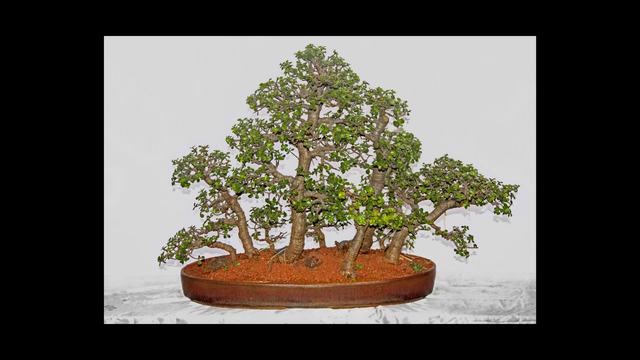
Watering is the most critical skill to learn. Never water on a fixed schedule like "every Monday." Instead, check the soil daily by inserting your finger about an inch deep. If it feels dry, water thoroughly until water runs freely from the drainage holes. If it is damp, wait. Most beginner bonsai die from root rot caused by sitting in water, not from drying out.
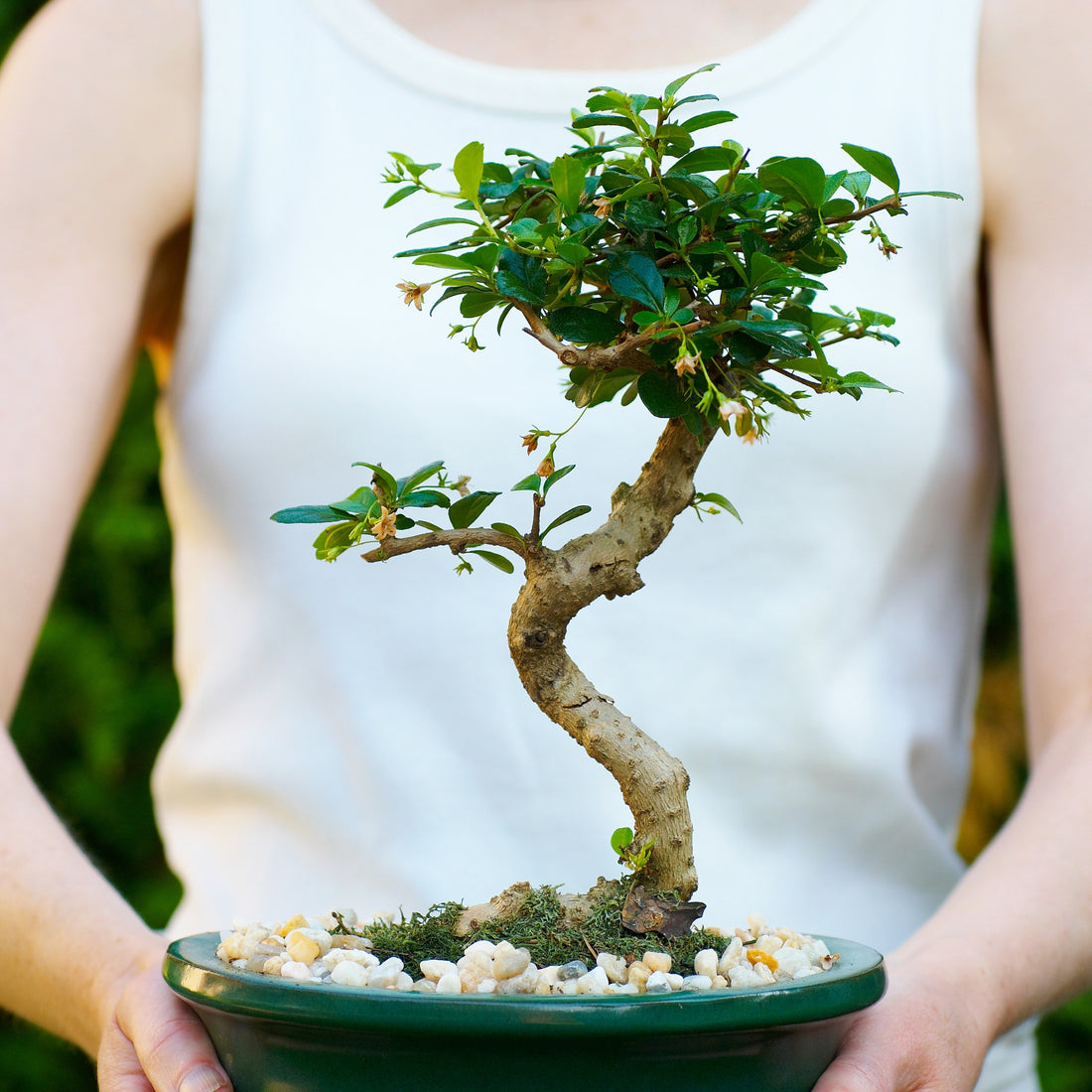
Bonsai trees need significantly more light than typical indoor houseplants. Most species require at least six hours of direct sunlight daily. Place your tree on a south-facing windowsill or outside on a balcony. If you keep your bonsai indoors for extended periods, it will weaken and lose its needles or leaves. A grow light can supplement natural light during darker winter months.
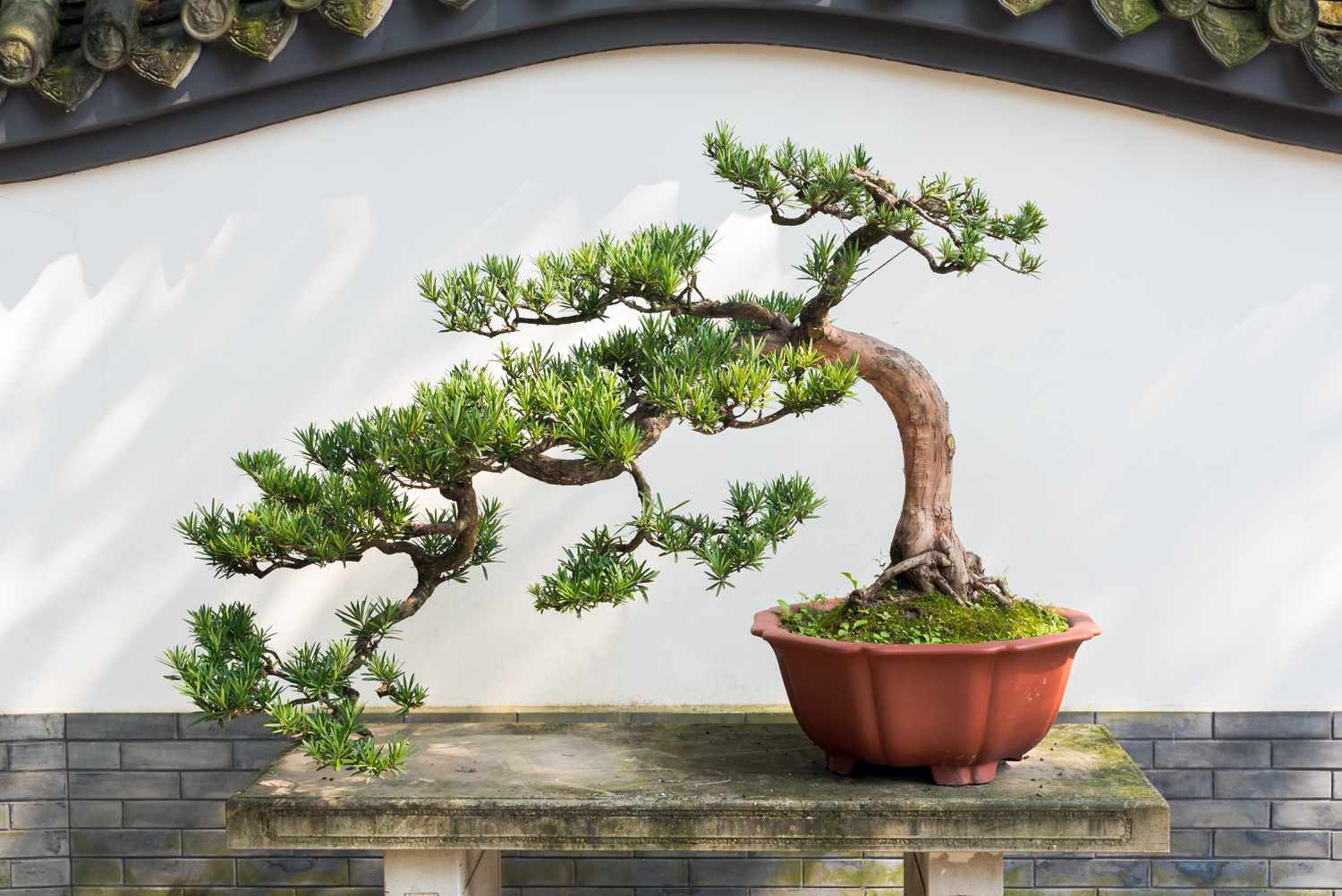
Do not use standard potting soil from a garden center. Regular soil compacts over time, suffocating the roots and preventing drainage. Bonsai soil is a gritty mix, typically containing akadama, pumice, and lava rock. This blend allows water to flow through quickly while retaining enough moisture for the roots. Repotting every two to three years with fresh bonsai soil is essential for long-term health.
A consistent care routine builds confidence. Once you understand how your tree responds to water and light, you can focus on pruning and styling. Start simple, observe closely, and adjust your care based on what you see, not what a generic guide tells you to do.
Common beginner mistakes to avoid
Even the hardiest bonsai for beginners can suffer if basic care routines are misunderstood. Most novice growers kill their trees not through neglect, but through over-attention. Understanding these common pitfalls early will save you from the heartbreak of losing a plant you’ve just started to love.
Overwatering and poor drainage
The number one cause of death in beginner bonsai is root rot from sitting in water. Unlike houseplants in decorative pots with plastic liners, bonsai trees sit in shallow, porous containers that dry out quickly. However, they still need well-draining soil. If your pot lacks drainage holes or the soil is dense garden dirt, water pools at the bottom and suffocates the roots. Check the soil moisture daily; the top layer should feel slightly dry to the touch before you water again.
Wrong soil composition
Using standard potting mix is a fatal error. Regular soil compacts over time, blocking air flow to the roots and retaining too much moisture. Bonsai require a gritty, inorganic mix—often containing akadama, pumice, and lava rock—that allows water to pass through instantly while holding enough humidity for the roots. This structure mimics the rocky crevices where bonsai trees grow in nature, ensuring the roots stay healthy and oxygenated.
Indoor placement and lighting
Many beginners buy bonsai as indoor decor, but most species are outdoor trees. They require strong, direct sunlight and distinct seasonal changes to trigger dormancy. Placing a juniper or pine on a windowsill indoors will cause it to weaken and decline within months. If you must keep a tree indoors temporarily, place it in the sunniest spot possible and rotate it weekly. For long-term health, an outdoor balcony or patio is essential.
Ignoring seasonal needs
Bonsai are living trees with seasonal rhythms. Watering needs change with the weather; a tree in summer heat may need watering twice a day, while one in winter may need it once a week. Fertilizing should also align with the growth cycle—typically during spring and summer when the tree is actively growing. Treating a bonsai like a static object rather than a seasonal plant leads to stress and poor growth.
Frequently asked questions about starting bonsai
Can I grow bonsai indoors? Yes, but you need the right species. Tropical varieties like the Ficus or Jade tree thrive in standard indoor conditions with bright, indirect light. Most temperate trees, such as Junipers or Maples, require a period of winter dormancy and will struggle or die if kept inside year-round. If you want a true outdoor bonsai, place it on a sunny balcony or patio.
How often should I water my bonsai? Watering frequency depends on the tree species, pot size, and local climate, but the general rule is to water when the top layer of soil feels slightly dry. Avoid letting the root ball dry out completely, as this can kill the tree quickly. It is better to err on the side of slightly moist than bone dry. Use a watering can with a fine rose to gently soak the soil without displacing it.
What is the best soil for bonsai? Bonsai soil must provide excellent drainage and aeration, which is very different from regular garden potting mix. A common blend uses akadama, pumice, and lava rock to keep roots healthy and prevent rot. Avoid heavy, water-retentive soils that suffocate the roots. Many beginners find success with pre-mixed bonsai soil blends available at garden centers, which simplify the process while ensuring proper structure.
When is the best time to repot a bonsai? Repotting is typically done every two to five years, depending on the tree's age and growth rate. The best time is early spring, just before the buds begin to swell, as the tree is entering its active growth phase. This allows the roots to recover quickly from pruning. Do not repot a newly purchased tree immediately; let it settle in its new environment for a season first.
No comments yet. Be the first to share your thoughts!