
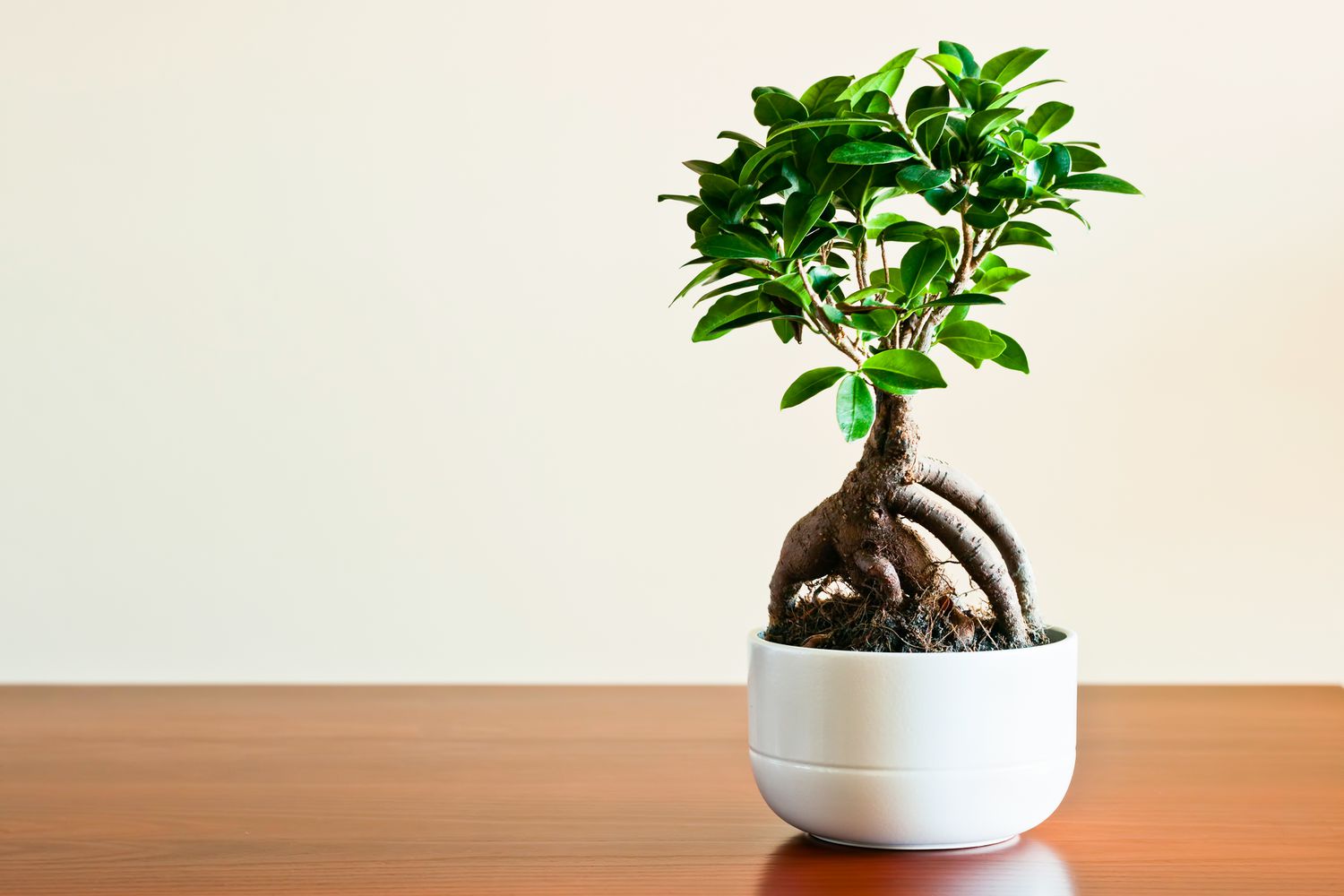

Start with forgiving bonsai varieties
Use this section to make the Best Bonsai Trees for decision easier to compare in real life, not just on paper. Start with the reader's actual constraint, then separate must-have requirements from details that are merely nice to have. A practical choice should survive normal use, maintenance, timing, and budget. If a recommendation only works in an ideal situation, call that out plainly and give the reader a fallback path.
The simplest way to use this section is to write down the must-have criteria first, then compare each option against those criteria before weighing nice-to-have features.
Top beginner-friendly bonsai trees
Starting with a resilient species is the best way to build confidence. These trees forgive common beginner mistakes like irregular watering or temporary light issues, giving you time to learn the basics of pruning and wiring without the stress of a high-maintenance plant. The following picks are widely available and known for their hardiness.
Ficus retusa
The Ficus retusa is arguably the most forgiving indoor bonsai available. It thrives in bright, indirect light and tolerates lower humidity better than most tropical species. Its small, glossy leaves create a dense canopy that looks established quickly, and it responds well to frequent pruning, making it ideal for learning shaping techniques. It is also resilient against root rot if you occasionally forget to water it.
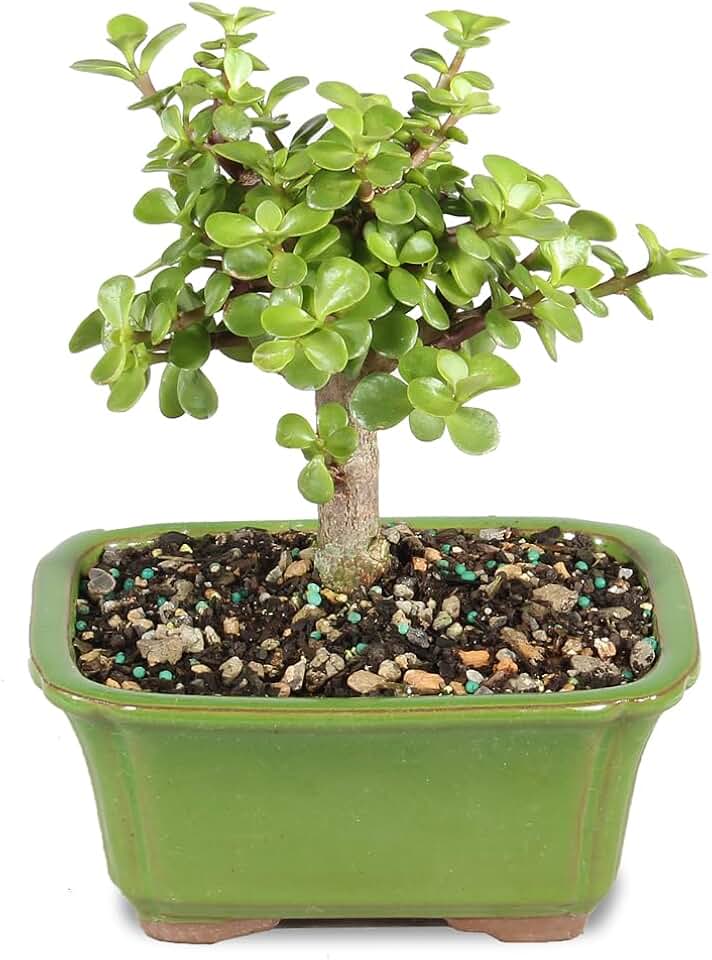
Jade plant (Crassula ovata)
Jade plants are succulents that adapt well to bonsai styling. They store water in their thick, woody stems and leaves, making them drought-tolerant and perfect for busy owners. Jade trees prefer bright light and well-draining soil; overwatering is their only real threat. Their natural growth habit requires minimal intervention, allowing beginners to focus on basic care routines before attempting complex wiring.
Chinese elm
The Chinese elm is a classic outdoor or indoor bonsai that adapts to various conditions. It has small, serrated leaves that give it a refined appearance as it matures. This tree is hardy and can handle slight temperature fluctuations, making it suitable for beginners who may not have a perfectly controlled indoor environment. It grows quickly, which means you will see results from your pruning and styling efforts in a short time.
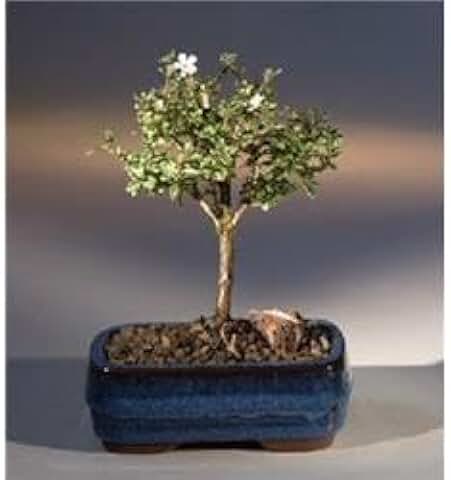
Serissa foetida
Known as the "Tree of a Thousand Stars," Serissa foetida is a delicate-looking but surprisingly tough beginner tree. It produces tiny white flowers and small leaves that create a lush, miniature forest look. While it prefers consistent moisture and bright light, it is resilient enough to recover from minor neglect. It is an excellent choice for those who want a flowering bonsai without the high maintenance of other flowering species.
Juniper
Junipers are the quintessential outdoor bonsai. They are extremely hardy and can withstand cold winters, making them ideal for gardeners in temperate climates. Their needle-like foliage and rugged bark give them a mature, weathered look even when young. Junipers require full sun and good air circulation. They are less forgiving of indoor conditions, so they are best for beginners with access to an outdoor space.



As an Amazon Associate, we may earn from qualifying purchases.
How to choose your first bonsai
When selecting your first tree, consider your available light and whether you plan to keep it indoors or outdoors. If you have a bright windowsill, a Ficus or Jade is a safe bet. If you have a garden or balcony, a Juniper or Chinese Elm will thrive. Avoid trees that require specialized indoor humidity or specific temperature ranges until you have mastered basic watering and light management.
| Tree | Light Needs | Water Frequency | Difficulty |
|---|---|---|---|
| Ficus retusa | Bright indirect | Moderate | Easy |
| Jade plant | Bright direct | Low | Very Easy |
| Chinese elm | Bright indirect | Moderate | Easy |
| Serissa foetida | Bright indirect | High | Moderate |
| Juniper | Full sun | Moderate | Easy |
Essential care steps for new owners
The easiest mistake with Best Bonsai Trees for is comparing options on the most visible detail while ignoring the day-to-day constraint. A choice can look strong on paper and still fail because it is too hard to maintain, too expensive to repeat, or awkward in the actual setting. Use the same checklist for every option: fit, cost, durability, timing, upkeep, and fallback plan. That keeps the comparison practical instead of drifting into preference alone.
The simplest way to use this section is to write down the real constraint first, compare each option against it, and choose the path that still works outside ideal conditions.
Common beginner mistakes to avoid
Bonsai is often misunderstood as a delicate, indoor-only hobby that demands a greenhouse environment. In reality, most beginner-friendly species like the Dwarf Jade or Chinese Elm thrive outdoors where they can experience natural seasonal shifts. Treating these trees like houseplants is the fastest way to kill them, as they will eventually become root-bound and weak without the stimulus of changing temperatures and fresh air.
The most frequent error is overwatering. It is better to underwater a bonsai slightly than to drown it in soggy soil. Check the top layer of soil before watering; if it feels dry to the touch, it is time for water. If it is still damp, wait another day. This simple check prevents root rot, which is the leading cause of death for new bonsai owners.
Another common trap is using standard potting soil. Bonsai require a fast-draining mix, often containing akadama, pumice, and lava rock. Regular garden soil holds too much moisture and compacts over time, suffocating the roots. Using the wrong soil turns a forgiving tree into a high-maintenance project. Stick to specialized bonsai soil mixes to keep the roots healthy and the tree resilient.
Frequently asked questions about bonsai
Is bonsai a difficult hobby? Bonsai is not inherently difficult, but it does require a shift in mindset. You are managing a living tree that grows and changes, so consistency matters more than perfection. Beginners often find species like the Dwarf Jade or Chinese Elm forgiving because they tolerate occasional lapses in watering better than sensitive varieties.
What is the easiest bonsai tree for beginners? The Juniper and Ficus are widely considered the most resilient options for new growers. They adapt well to indoor conditions and recover quickly from pruning mistakes. If you prefer a succulent-like feel, the Dwarf Jade is an excellent choice because it stores water in its leaves, reducing the risk of underwatering.
Can I keep a bonsai tree indoors? Most traditional bonsai species, such as Junipers and Maples, require outdoor conditions to survive. However, tropical varieties like the Ficus and Jade thrive indoors as long as they receive bright, indirect light. Always check the specific species requirements before placing your tree on a windowsill.
How often should I water my bonsai? Watering frequency depends on the soil mix, pot size, and ambient humidity. A general rule is to water when the top layer of soil feels dry to the touch. It is better to water thoroughly until it drains from the bottom than to give small, frequent sips that only wet the surface.
Do I need special soil for bonsai? Yes, standard garden soil is too dense and will suffocate the roots. Bonsai soil is a gritty mix designed for rapid drainage and aeration. Common ingredients include akadama, pumice, and lava rock, which keep the roots healthy while retaining just enough moisture.
No comments yet. Be the first to share your thoughts!