
Why these trees survive beginner mistakes
Bonsai is a technique, not a species. It refers to the art of pruning and styling a tree to remain small, rather than a specific type of plant that naturally grows that way. This distinction matters because it means the difficulty lies in the maintenance, not the biology of the tree itself. Many beginners fail because they assume bonsai requires exotic, delicate species that demand perfect conditions. Instead, you should start with resilient stock that tolerates irregular watering and lighting.
The trees selected for this list are chosen for their ability to bounce back from common errors. You might miss a watering day, or place a tree in a spot that isn't ideal for a week. Hardy varieties like the Jade, Ficus, or Chinese Elm can handle these lapses without collapsing. This resilience gives you time to learn the rhythms of soil moisture and light exposure without the pressure of keeping a high-maintenance specimen alive.
Think of your first bonsai as a training wheel for the art form. It allows you to practice wiring, pruning, and repotting on a plant that won't die if you make a mistake. Once you understand how the roots respond to confinement and how the branches react to cutting, you can move on to more demanding species. Starting with low-maintenance stock builds confidence and ensures you don't get discouraged before you even begin.
5 Best Bonsai Trees for Beginners in 2026
Selecting the right starter tree eliminates guesswork by prioritizing species that thrive on neglect. These five forgiving, low-maintenance bonsai varieties offer the highest success rate for novice growers in 2026.
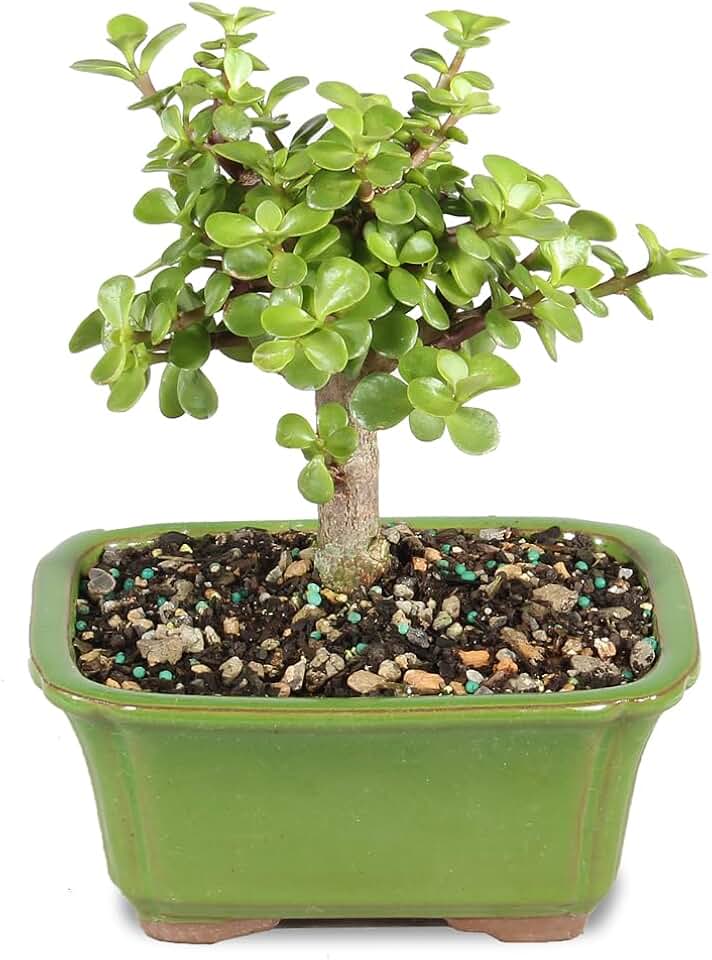
1. Dwarf Jade: The forgiving succulent
The Dwarf Jade acts as a safety net for nervous novices, storing water in its plump leaves to survive irregular watering. This Portulacaria afra thrives on neglect, making it the ultimate forgiving succulent for beginners who might forget to check soil moisture. It adapts well to bright indoor light and requires minimal pruning to maintain its charming, compact structure.

2. Hawaiian Umbrella: The fast grower
The Hawaiian Umbrella delivers immediate visual gratification with its lush, umbrella-like foliage that responds quickly to pruning and wiring. This Schefflera arboricola is a fast grower, allowing beginners to see tangible progress in their styling efforts within weeks. Its resilience to indoor conditions makes it an excellent choice for those eager to practice basic bonsai techniques without high stress.
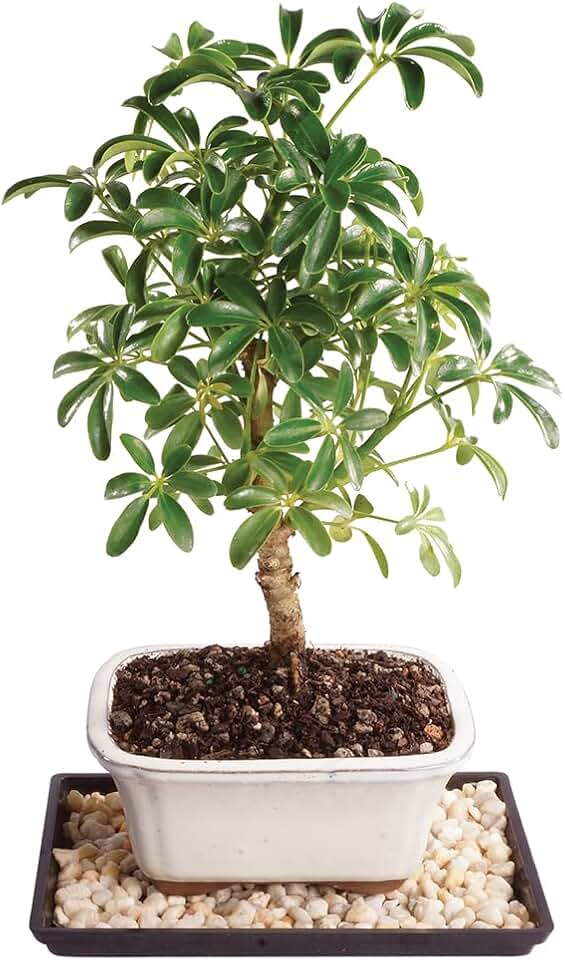
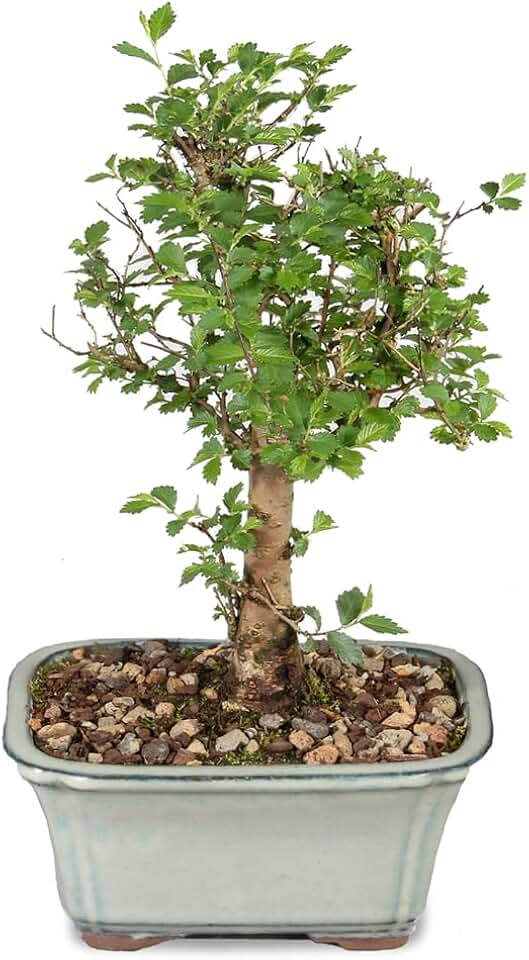
3. Chinese Elm: The classic deciduous
The Chinese Elm offers the authentic deciduous experience with tiny leaves and intricate branching, yet it remains remarkably tough. This Ulmus parvifolia handles indoor environments better than most traditional deciduous bonsai, shedding leaves predictably in cooler months. Its vigorous growth and adaptability make it the classic choice for beginners wanting a traditional look without the fragility of rare species.
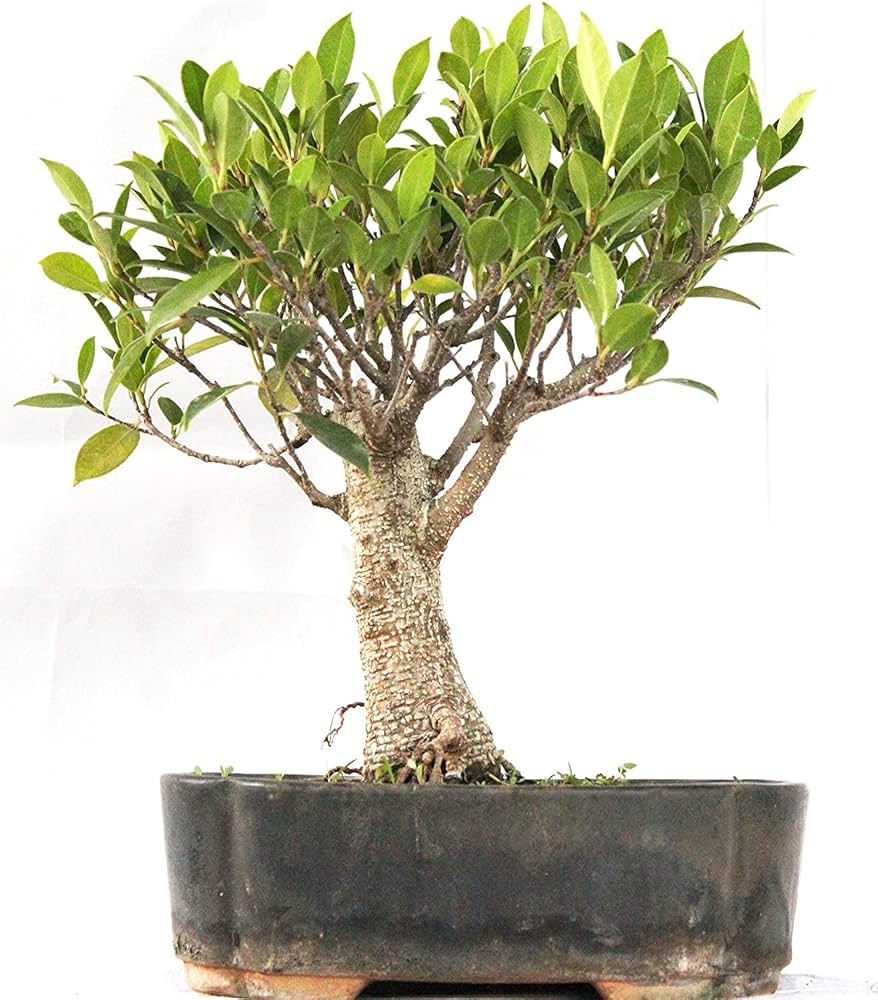
4. Ficus Ginseng: The thick trunk
The Ficus Ginseng features a dramatic, bulbous root base that creates an aged, majestic appearance instantly. This thick trunk variety is incredibly resilient, tolerating lower light and inconsistent watering better than delicate species. Its rapid growth and ability to develop a substantial nebari make it a favorite for beginners seeking a striking, mature look with minimal effort.

5. Tiger Bark Ficus: The resilient indoor
The Tiger Bark Ficus stands out with its distinctive, textured bark that resembles tiger stripes, adding unique visual interest. This resilient indoor tree thrives on neglect, making it perfect for beginners who want a low-maintenance plant that still looks sophisticated. Its sturdy nature and tolerance for indoor conditions ensure it remains healthy even with occasional care mistakes.
How to compare your bonsai options
Choosing a bonsai isn't just about picking the prettiest tree; it's about finding a plant that matches your lifestyle. For beginners, the difference between a forgiving species and a high-maintenance one can mean the difference between a thriving garden and a dead stick. Use the table below to weigh light requirements, watering frequency, and growth rates against your home environment.
| Tree Type | Light Needs | Watering | Difficulty |
|---|---|---|---|
| Ficus | Bright indirect | Every 2-3 days | Easy |
| Jade | Full sun | Every 1-2 weeks | Very Easy |
| Juniper | Full sun | Daily (summer) | Moderate |
| Chinese Elm | Bright indirect | Every 2-3 days | Easy |
| Buddhist Fig | Bright indirect | Every 2-3 days | Easy |
Ficus and Chinese Elm varieties are often the safest bets for indoor beginners because they tolerate lower light and irregular watering better than outdoor species like Juniper. Jade plants, technically succulents, are the ultimate low-maintenance option, thriving on neglect and bright windowsills. If you have a sunny south-facing window and enjoy daily plant care, Juniper offers the most traditional bonsai aesthetic, but it demands consistent attention.


As an Amazon Associate, we may earn from qualifying purchases.
When comparing options, look for trees labeled as "pre-bonsai" or "junior." These are often healthier, more established plants that have already survived their first critical year, making them significantly more forgiving for new growers than tiny cuttings.
Essential care basics for new growers
Bonsai is often misunderstood as a high-maintenance hobby, but the forgiving species on this list are designed to be low-maintenance. Success relies on three non-negotiable pillars: the right soil mix, consistent watering habits, and proper light placement. Treat these basics as your daily routine rather than a complex science.
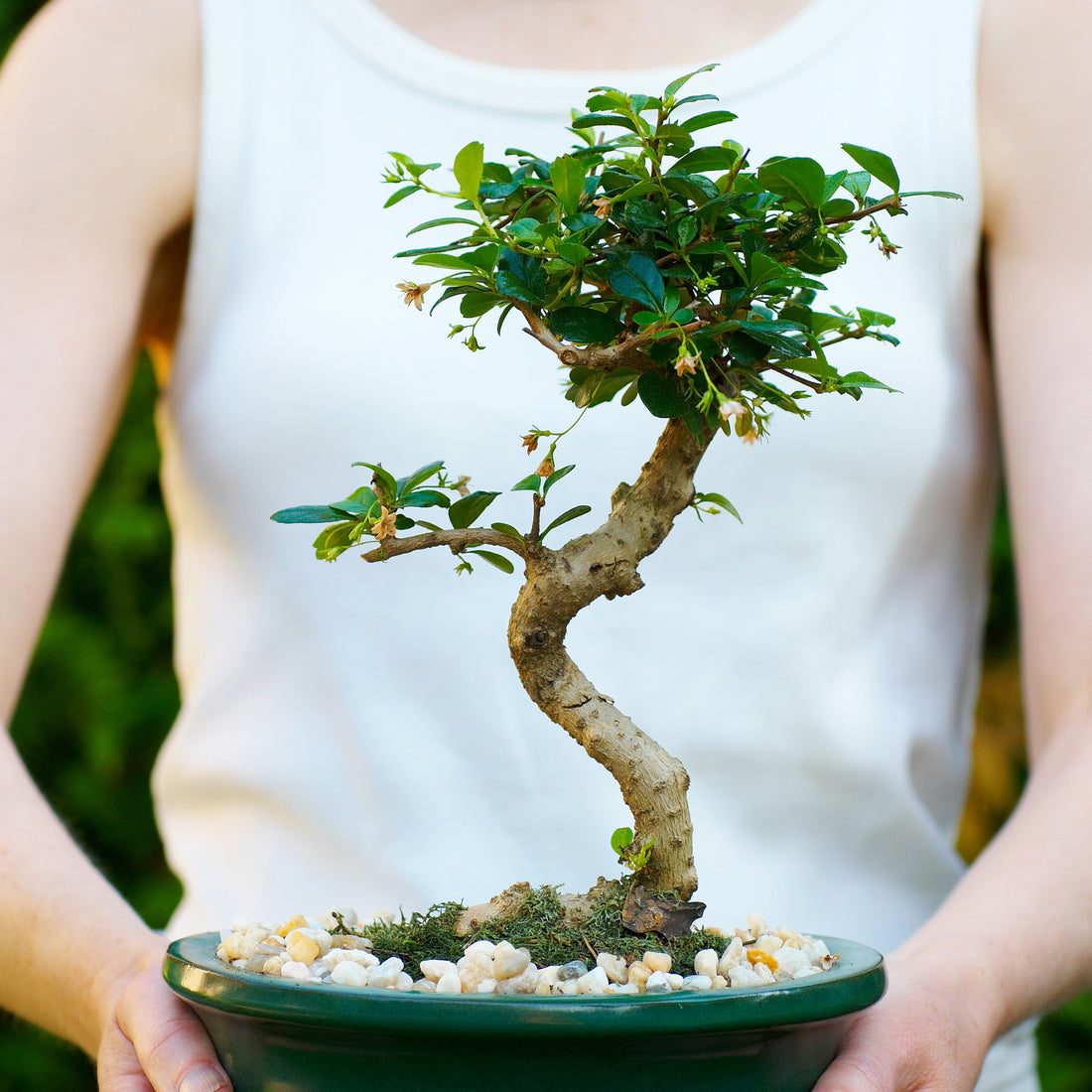
Do not use standard garden soil. It compacts too easily and suffocates the roots. Instead, mix akadama, pumice, and lava rock in equal parts. This blend mimics the rocky slopes where bonsai trees naturally grow, ensuring water flows through quickly while retaining enough moisture for the roots to drink.
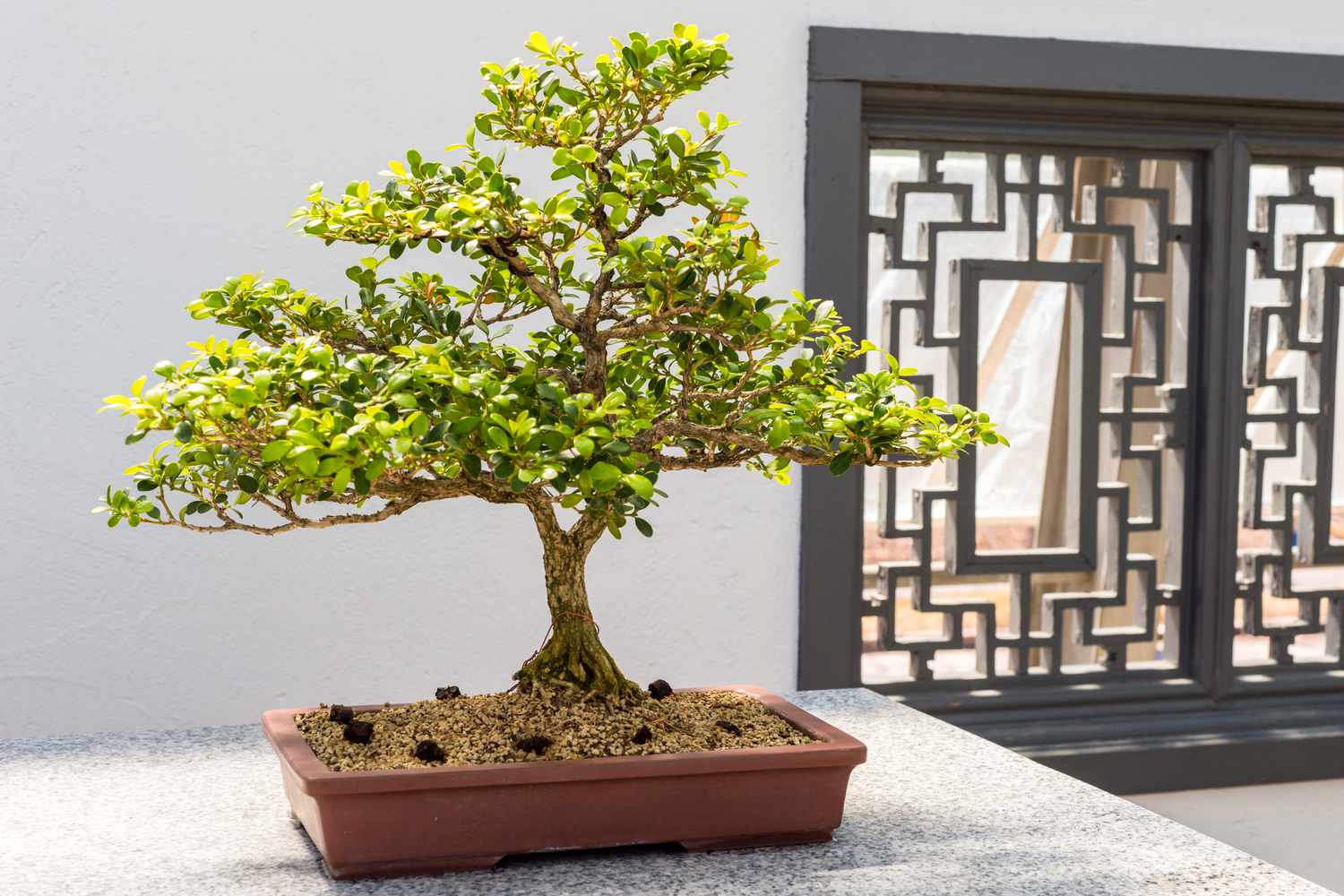
Overwatering is the most common mistake for beginners. Stick your finger about an inch into the soil; if it feels dry, water thoroughly until water runs out of the drainage holes. If it is still damp, wait another day. Consistency matters more than volume.
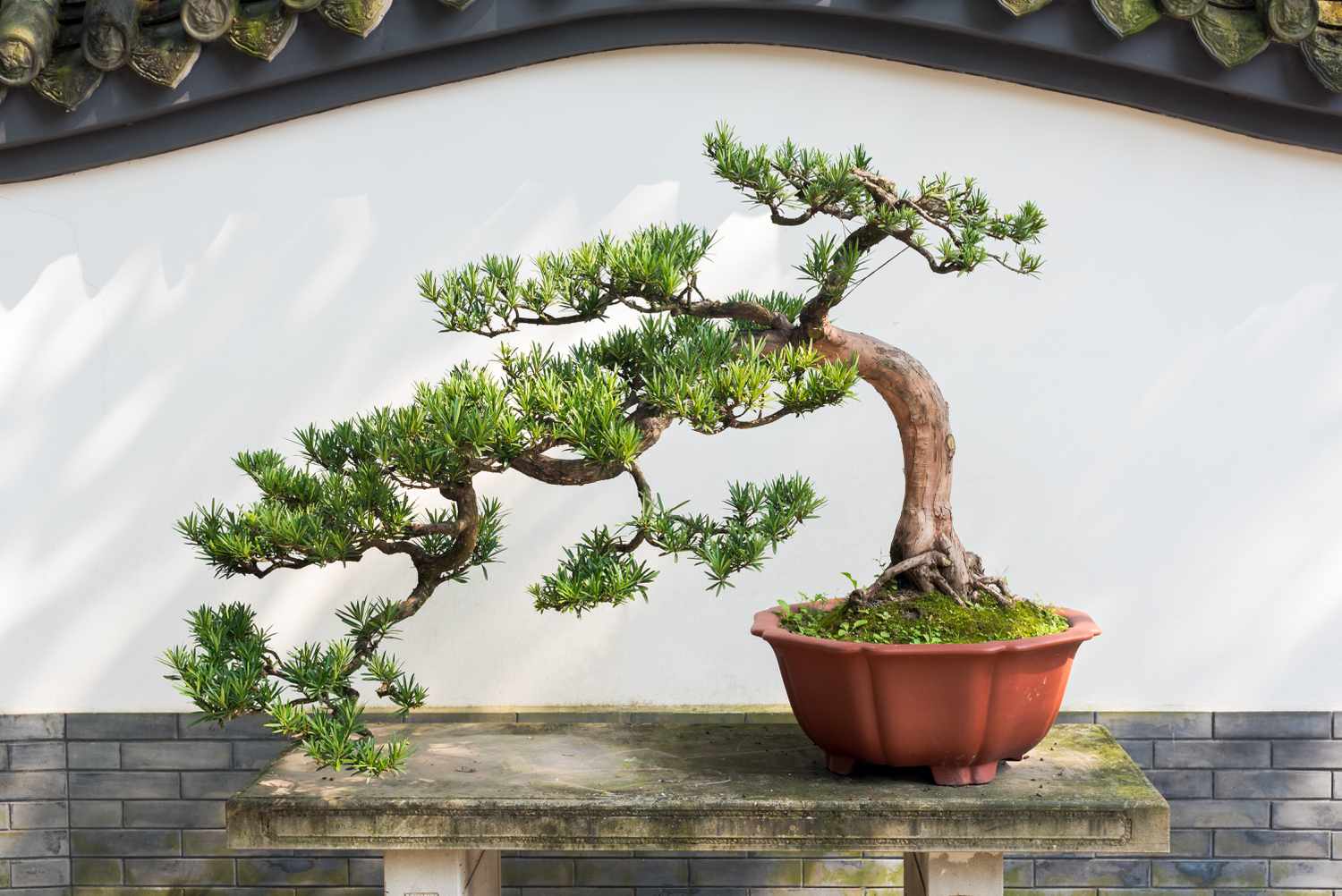
Most beginner-friendly species, like the Fukien Tea or Juniper, need at least four to six hours of direct sunlight daily. A south-facing window is ideal. If natural light is scarce, a simple grow light placed six inches above the canopy will keep the tree healthy and compact.


As an Amazon Associate, we may earn from qualifying purchases.
No comments yet. Be the first to share your thoughts!