


2026 bonsai trends: Easiest trees for beginners
The 2026 bonsai trends highlight resilient species like Ficus, Elm, and Jade as the best entry points for beginners. Bonsai is a technique, not a plant type, but choosing forgiving varieties allows new growers to focus on artistry rather than survival.
The word "bonsai" simply means "planted in a container." It describes the method of growing, not the species itself. While you can shape almost any tree into a miniature form, most beginners fail not because they lack artistic skill, but because they choose a tree that demands exacting care. Trees like the Japanese Maple or Juniper are stunning but unforgiving; they often drop leaves or die if the soil dries out even slightly or if they are moved to the wrong light.
To succeed, you need trees that act as buffers against common mistakes. The Ficus, for example, is a tropical tree that thrives on neglect. It tolerates low light and irregular watering far better than temperate species. The Jade plant, often sold as a houseplant, is a succulent that stores water in its leaves, making it nearly impossible to kill with under-watering. The Chinese Elm is another sturdy option that handles dry air and indoor conditions with grace.
Choosing these forgiving varieties gives you time to learn the art of pruning and wiring without the constant pressure of keeping a sensitive tree alive. Start with a Ficus or Jade, and you will quickly see the difference that species selection makes in your bonsai journey.
The most forgiving bonsai trees for new growers
Finding the right starter tree matters more than finding the cheapest one. Some species tolerate missed waterings and lower light, while others demand a greenhouse environment. The varieties below are chosen for their resilience. They forgive common beginner mistakes like inconsistent watering or sudden changes in temperature.
Each of these trees has a distinct look and care rhythm. You can pick based on whether you want a tropical indoor plant, a hardy outdoor shrub, or a traditional conifer. All of them are widely available and inexpensive to start.
1. Ficus retusa
The Ficus retusa, often sold as a "Chinese Elm" substitute or simply as "Ficus," is the standard entry point for bonsai. It is a tropical tree that thrives indoors, making it ideal for apartments or offices with limited natural light. Its small, glossy leaves create a dense canopy that looks mature even when the tree is young.
Ficus trees are incredibly forgiving. They bounce back quickly from overwatering or underwatering. If you forget to water for a few days, the leaves might droop, but they will perk up within hours of watering. They also tolerate pruning well, allowing you to shape the trunk and branches without stressing the plant. Look for a Ficus with a thick, tapered trunk for the best visual impact.
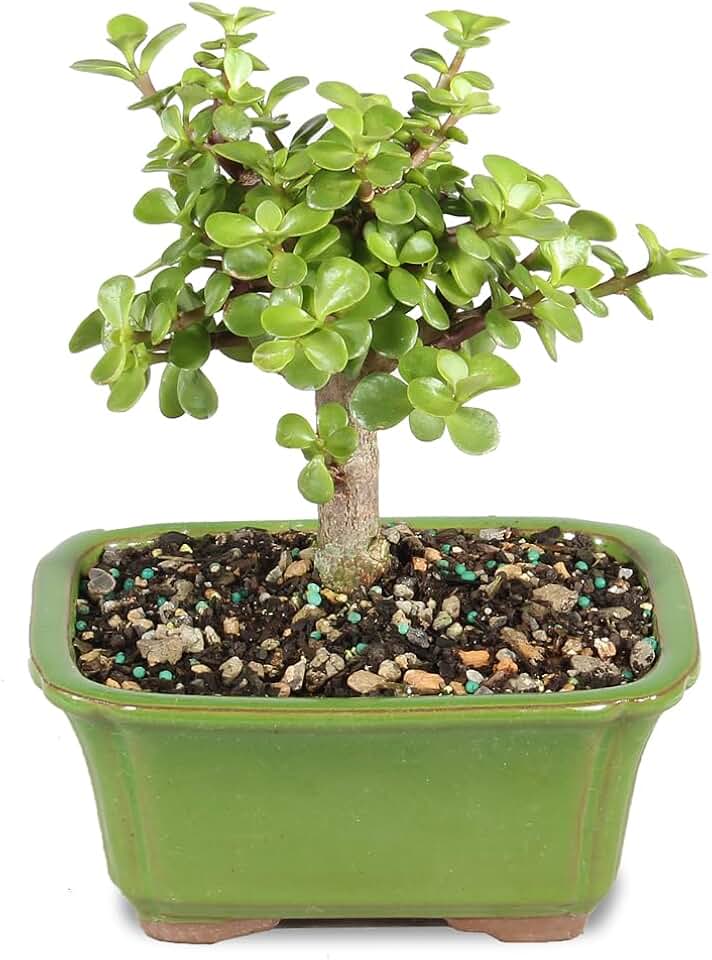
2. Jade Plant (Crassula ovata)
The Jade plant is a succulent bonsai that stores water in its thick, fleshy leaves and trunk. This adaptation makes it nearly indestructible for beginners. It prefers dry soil and bright light, so it is perfect for people who tend to overwater their plants. A common mistake with Jade is keeping it in a dark corner; give it a sunny windowsill, and it will thrive.
Jade trees are also easy to train. Their thick branches can be wired and bent into dramatic curves. As they grow, the bark develops a woody, aged appearance that makes the tree look decades old. Small pink or white flowers may appear in winter if the plant is kept cool and dry. This variety is less about delicate foliage and more about sculptural form.
3. Chinese Elm (Ulmus parvifolia)
For those who want a traditional deciduous bonsai look, the Chinese Elm is the best choice. It is hardy enough to survive outdoors in many climates, but it also does well indoors if given enough light. The tree features small, serrated leaves that turn yellow and red in the fall, adding seasonal interest to your collection.
Chinese Elms are resilient and grow quickly. This fast growth allows beginners to practice wiring and pruning techniques frequently. The tree can handle significant root reduction during repotting, which is a key step in bonsai care. If you live in a colder region, this tree can stay outside year-round, providing a connection to the changing seasons.
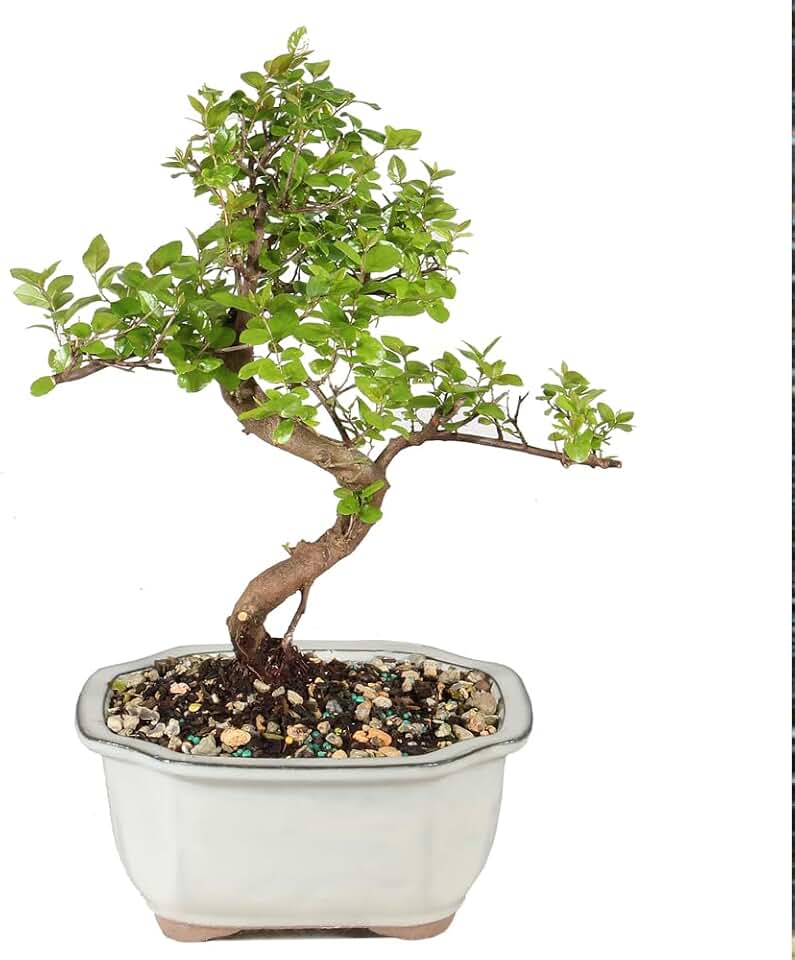
4. Serissa (Serissa foetida)
The Serissa, also known as the "Tree of a Thousand Stars," is a delicate-looking tree with tiny white flowers. Despite its fragile appearance, it is surprisingly tough. It is a popular choice for indoor bonsai because it stays small and compact. The white flowers bloom in clusters, creating a starry effect that is visually striking.
Serissa requires consistent moisture. The soil should never dry out completely, but it should not sit in water. This tree is sensitive to sudden changes in environment, so keep it in a stable location away from drafts or heating vents. If you maintain steady conditions, it will reward you with continuous blooming throughout the year. It is a great project for learning about humidity and watering precision.
5. Chinese Privet (Ligustrum sinense)
The Chinese Privet is a versatile shrub that can be trained into various styles. It has small, oval leaves that are dark green and glossy. This tree is hardy and can tolerate both indoor and outdoor conditions, depending on your climate. It is often used as a rootstock for grafting, but it looks beautiful on its own as a forest-style bonsai.
Privet trees grow vigorously and respond well to pruning. You can cut back branches heavily, and they will bud back quickly. This makes it easy to correct mistakes and refine the shape. The tree also produces small white flowers in summer, followed by black berries. It is a forgiving tree that allows beginners to experiment with different bonsai styles without fear of killing the plant.
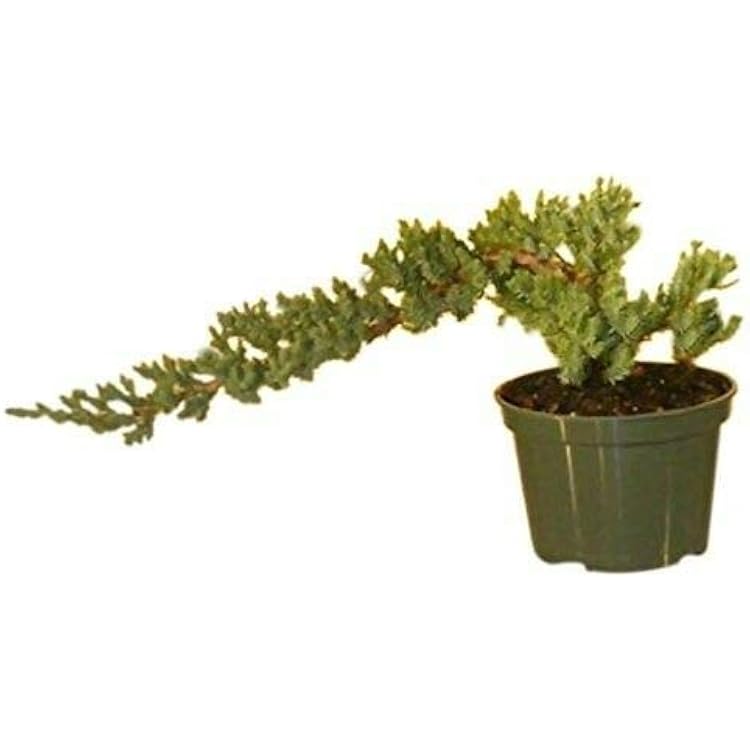
6. Juniper (Juniperus procumbens)
The Juniper is the quintessential bonsai tree. It is a conifer with needle-like foliage and a rugged, windswept appearance. Most Junipers are outdoor trees that require cold winters to thrive, but some varieties are more adaptable. They are hardy and can survive harsh conditions that would kill other species.
Junipers are slow-growing, which teaches patience. The needles are dense and retain their shape well, requiring less frequent pruning than deciduous trees. Wiring is essential for Junipers to create their classic twisted trunks. If you live in a temperate climate, this is the best tree to start with. It provides a true bonsai aesthetic that is instantly recognizable.

As an Amazon Associate, we may earn from qualifying purchases.
Comparison of Beginner Bonsai Trees
The table below summarizes the key care requirements for each variety. Use this to decide which tree fits your living space and gardening habits.
| Tree Type | Light Needs | Watering | Difficulty |
|---|---|---|---|
| Ficus retusa | Low to Bright Indirect | Moderate | Easy |
| Jade Plant | Bright Direct | Low (Dry Soil) | Very Easy |
| Chinese Elm | Bright Indirect/Outdoor | Moderate | Easy |
| Serissa | Bright Indirect | High (Keep Moist) | Medium |
| Chinese Privet | Bright Indirect/Outdoor | Moderate | Easy |
| Juniper | Full Sun/Outdoor | Moderate | Medium |
Where to buy beginner bonsai trees online
Starting with a pre-styled bonsai from a reputable online nursery saves months of training time. When shopping for starter trees like Ficus, Elm, or Jade, prioritize sellers who provide clear photos of the root flare and foliage density. Avoid generic garden center stock where trees are often overwatered or root-bound.
Look for specialized bonsai retailers that offer acclimation guarantees. These sellers understand that shipped trees need time to adjust to your home environment. Check recent customer reviews for comments on root health and packaging quality. A healthy root system is the single most important factor in whether your new bonsai survives its first year.
Amazon remains a convenient option for accessible starter kits, though selection varies by season. Focus on established bonsai brands with high fulfillment ratings rather than unknown third-party sellers. This reduces the risk of receiving stressed or diseased plants.


As an Amazon Associate, we may earn from qualifying purchases.
Essential care tips for your first bonsai
Caring for a beginner bonsai tree doesn't require a green thumb or a botanical degree. It requires consistency. Whether you choose a Ficus, Elm, or Jade, the core needs for light, water, and soil remain largely the same. Think of your bonsai less like a houseplant and more like a small garden that needs daily attention.
Light: Bright and Direct
Most beginner varieties, including the Ficus and Jade, thrive in bright, direct sunlight. Place your tree near a south-facing window where it can get at least six hours of light daily. If natural light is scarce, a simple LED grow light can keep your Elm or Ficus from stretching and losing its shape. Avoid placing your tree in dark corners; without light, the leaves will drop, and the tree will weaken.
Watering: The Finger Test
Overwatering is the most common reason beginner bonsai trees die. Instead of watering on a strict schedule, check the soil moisture first. Insert your finger about an inch into the soil. If it feels dry, water thoroughly until water flows freely from the drainage holes. If it feels damp, wait another day. This simple habit ensures your roots get oxygen while staying hydrated.
Soil: Drainage is Key
Standard potting soil holds too much moisture for bonsai. Use a specialized bonsai mix, often containing akadama, pumice, and lava rock. This gritty blend drains quickly, preventing root rot while still holding enough moisture for the roots to drink. When repotting, ensure the pot has adequate drainage holes to let excess water escape immediately.
-
Check soil moisture with your finger
-
Water only if the top inch is dry
-
Ensure the tree is in bright light
-
Wipe dust off leaves with a damp cloth
Common beginner bonsai mistakes to avoid
Most beginner bonsai die from simple care errors, not disease. You can prevent early failure by watching three main habits: how you water, where you place the tree, and when you repot. Focusing on these basics keeps your Ficus, Elm, or Jade alive long enough to shape.
Overwatering
The most common cause of death is keeping the soil too wet. Bonsai pots are small, and roots need air just as much as water. Check the soil daily. If it feels damp, wait. Only water when the top layer looks dry. Ensure the pot has drainage holes so excess water escapes. A soggy root ball leads to root rot, which kills the tree quickly.
Wrong Light
Indoor trees like Ficus and Jade need bright, direct light. Placing them in a dark corner or behind a dim window causes them to drop leaves. Most outdoor trees, like Elm, need full sun. If a tree looks leggy or loses color, it likely needs more light. Move it closer to a window or outside for a few hours each day.
Repotting Too Soon
New bonsai from nurseries are often potted in cheap, dense soil. You need to repot them to give the roots room and fresh nutrients. However, do not repot immediately after buying. Let the tree settle in your home for a few months. Repotting too soon stresses the roots. Wait until you see roots growing out of the bottom drainage holes before trying to move it to a new pot.
No comments yet. Be the first to share your thoughts!