

Bonsai's Silent Killers: An Introduction
My friend David excitedly showed me his first bonsai, a Japanese maple. He researched for weeks, picked the tree carefully, and read up on care. Six months later, it was brown and brittle. It’s a common story that highlights the challenge many beginners face.
Bonsai are trees, miniaturized and living in an artificial environment. Maintaining their balance of light, water, nutrients, and airflow requires constant observation and adjustment. It’s easy to love the idea of bonsai, but harder to provide the consistent care they need, which is why many attempts end in disappointment.
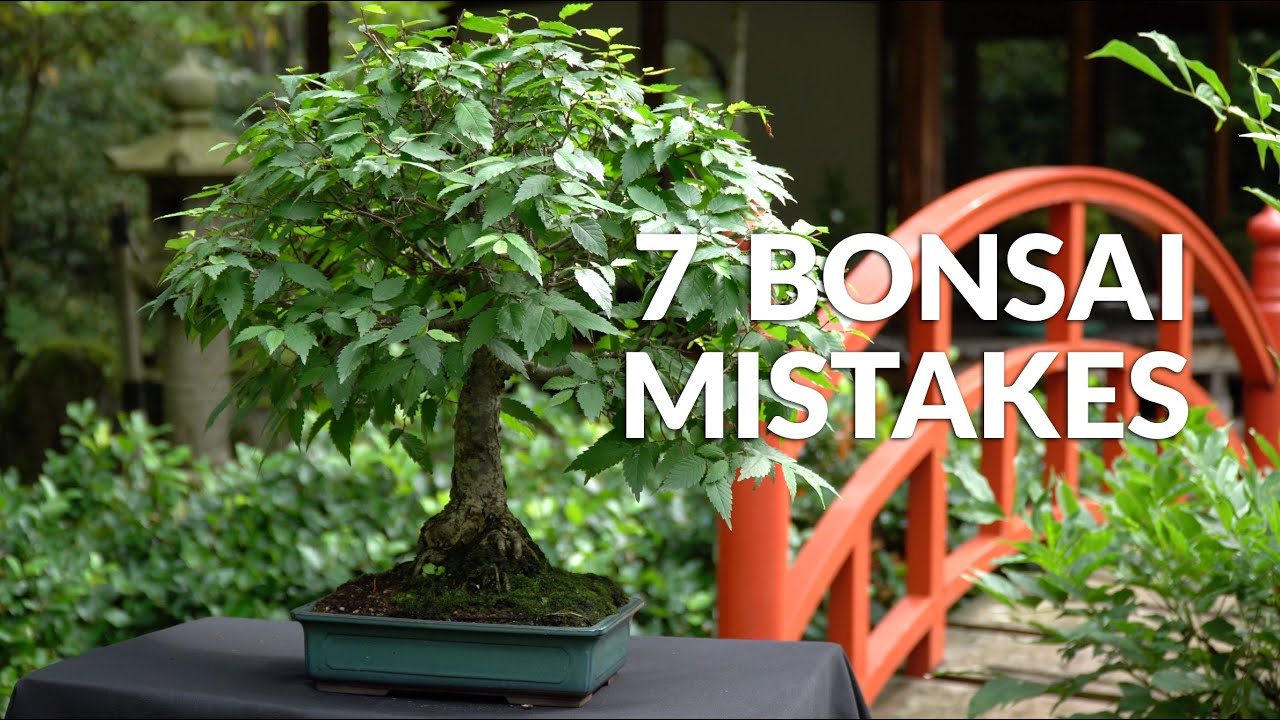
This article covers five common mistakes that lead to bonsai failure and how to avoid them. Interest in bonsai is growing; Jelle’s "Growing Bonsai" YouTube channel has over 39,000 views, showing many people want to learn this art. Enthusiasm alone isn't enough; informed care is essential.
Overwatering: The Most Common Mistake
Overwatering is the number one killer of bonsai. Trees need water, but the confined root system of a bonsai, combined with poor drainage, creates an environment for root rot. People often equate frequent watering with caring for a tree, but this is a fatal error.
When roots sit in soggy soil, they can't access oxygen, leading to root rot, a fungal disease that suffocates the tree. Symptoms include yellowing leaves, stunted growth, and an unhealthy appearance. Eventually, the tree declines and dies. This process is slow and often unseen until it's too late.
Assess moisture levels before watering. A chopstick inserted into the soil can help. If it comes out clean, water the tree. Alternatively, lift the pot – a dry pot feels lighter than a wet one. Well-draining soil is also critical; a mix of akadama, pumice, and lava rock ensures water flows through freely.
Different species have different watering needs. Junipers are drought-tolerant and prefer to dry out between waterings, while azaleas need consistently moist soil. Bonsai Empire’s care section provides detailed information on specific species requirements. Research your tree’s needs instead of treating all bonsai the same.
- Use the chopstick method to check soil moisture.
- Lift the pot to gauge weight and dryness.
- Ensure your soil mix is well-draining.
- Research the specific watering needs of your bonsai species.
Insufficient Light: A Slow Decline
Bonsai, even indoor varieties, need bright, indirect light to thrive. As trees, they need sunlight. Insufficient light leads to a slow decline. Over time, the tree will weaken and become susceptible to pests and diseases.
Signs of insufficient light include leggy growth (long, stretched stems with sparse leaves), pale leaves, and leaf drop. The tree prioritizes stem elongation over healthy foliage, which weakens it and makes it look unsightly.
Light requirements vary by species. Outdoor bonsai need full sun, while indoor bonsai can tolerate bright, indirect light. However, "bright, indirect light’ is often underestimated; a sunny windowsill isn"t always enough, especially in winter. Supplemental lighting with grow lights can help.
Many people don't realize how much light these trees need. A north-facing window won't provide enough light for most species. Consider a grow light if you can't provide adequate natural light; it's a small investment that makes a big difference.
Ignoring Repotting Needs
Repotting is an essential aspect of bonsai care, often overlooked by beginners. Unlike trees in the ground, bonsai are confined to a small pot. Over time, roots become rootbound, circling the pot and restricting the tree’s ability to absorb water and nutrients, leading to stunted growth and eventual decline.
Signs a tree needs repotting include roots circling the pot (visible when you gently lift the tree), slow growth, and soil drying out very quickly. If the soil is compacted and water runs straight through, it’s time for a repot. Repotting refreshes the soil and maintains the health of the root system.
Repot in early spring, just before the growing season. Gently remove the tree from the pot, prune the roots (removing about one-third of the root mass), and repot it in fresh bonsai soil. Choose the right pot size; don’t increase it dramatically, as this can overwhelm the root system.
Bonsai Empire details pot selection, including materials and shapes. The pot isn’t just a container; it’s part of the bonsai’s aesthetic and health. Repotting frequency depends on the species and growth rate; young trees need repotting every 1-2 years, while mature trees can go 3-5 years.
- Repot in early spring, before the growing season.
- Prune approximately one-third of the root mass.
- Use fresh, well-draining bonsai soil.
- Choose a pot size appropriate for the tree’s size and growth rate.
Incorrect Fertilization: Too Much or Too Little
Bonsai live in limited soil volume and rely on us for nutrients. Fertilization is important for healthy growth and foliage. However, it’s also a common area for mistakes; both under- and over-fertilizing can be detrimental.
Signs of nutrient deficiencies include yellowing leaves, stunted growth, and weak branches. Over-fertilization can cause fertilizer burn – brown, crispy leaf tips and edges. Many trees are damaged by owners using too much fertilizer.
Fertilizers are available as organic (fish emulsion, seaweed extract) or inorganic (chemical). Liquid fertilizers are easy to apply, while solid fertilizers release nutrients slowly. Use a balanced fertilizer with an NPK ratio appropriate for your tree species.
Always follow the instructions carefully. More isn't always better. Seasonal fertilization schedules are also important. During the growing season (spring and summer), fertilize regularly. Reduce or stop fertilization during the dormant season (fall and winter). A general guideline is to fertilize every 2-4 weeks during the growing season.
Neglecting Pruning and Styling
Pruning is far more than just shaping a bonsai; it’s fundamental to its health and longevity. Regular pruning maintains the tree’s shape, encourages branching, and removes dead or diseased wood. It's a continuous process, not a one-time event.
There are different pruning techniques. Structural pruning involves removing larger branches to establish the basic shape of the tree. Maintenance pruning involves trimming new growth to maintain that shape. Defoliation – removing leaves – can encourage smaller leaf size and increased ramification, but it’s a more advanced technique.
Wiring is another essential styling technique. It allows you to bend branches into desired positions. However, it’s important to do it correctly to avoid damaging the bark. Monitor the wire closely and remove it before it starts to bite into the branch. This is where a lot of beginners struggle.
Bonsai Empire’s styling section offers detailed guidance on these techniques. Remember that pruning isn't just about aesthetics; it's about promoting the health and vigor of the tree. I’m not sure about the best timing for defoliation, it varies so much depending on the species and climate.
2026 Trends: What's Changing in Bonsai Care?
The world of bonsai is evolving. New soil mixes are being developed, focusing on improved drainage and aeration. Automated watering systems are becoming more popular, helping to take the guesswork out of watering. The rise of online communities, like Jelle’s "Growing Bonsai" channel, is providing a platform for sharing knowledge and experiences.
We’re likely to see further advancements in bonsai technology. Sensors that monitor soil moisture and nutrient levels could become more commonplace. Artificial intelligence could even be used to provide personalized care recommendations. These are exciting possibilities, but the core principles of bonsai care will remain the same.
There’s also a growing focus on native species and sustainable practices. People are becoming more interested in using locally sourced materials and creating bonsai from trees that are naturally adapted to their climate. This reflects a broader trend towards environmental consciousness and responsible gardening.
The future of bonsai looks promising. As the art form continues to grow in popularity, we can expect to see even more innovation and creativity. But at its heart, bonsai remains a practice of patience, observation, and a deep connection with nature.
No comments yet. Be the first to share your thoughts!