

The danger of overwatering
Most people kill their first bonsai by watering it too much. It feels counterintuitive, but a tree sitting in a swamp can't breathe. When the soil stays saturated, oxygen can't reach the roots, they rot, and the tree dies. I've seen many beginners mistake these yellowing, mushy leaves for thirst and add even more water, which only finishes the job.
The challenge is that water needs vary dramatically between species. A Japanese Maple will require significantly more water than a Juniper, especially during the growing season. Even within a single species, factors like pot size, soil composition, and climate play a role. Understanding these nuances isn't about memorizing a rigid schedule; it’s about learning to read your tree and responding to its needs. This means paying close attention to the soil, the environment, and the tree’s overall health.
The timing of watering is just as important as the amount. Watering in the heat of the day can lead to rapid evaporation and stress the tree. Conversely, watering too late in the evening can create a humid environment around the foliage, encouraging fungal growth. Finding the right balance – observing your tree and understanding its signals – is the foundation of successful bonsai care.
Choosing the right soil
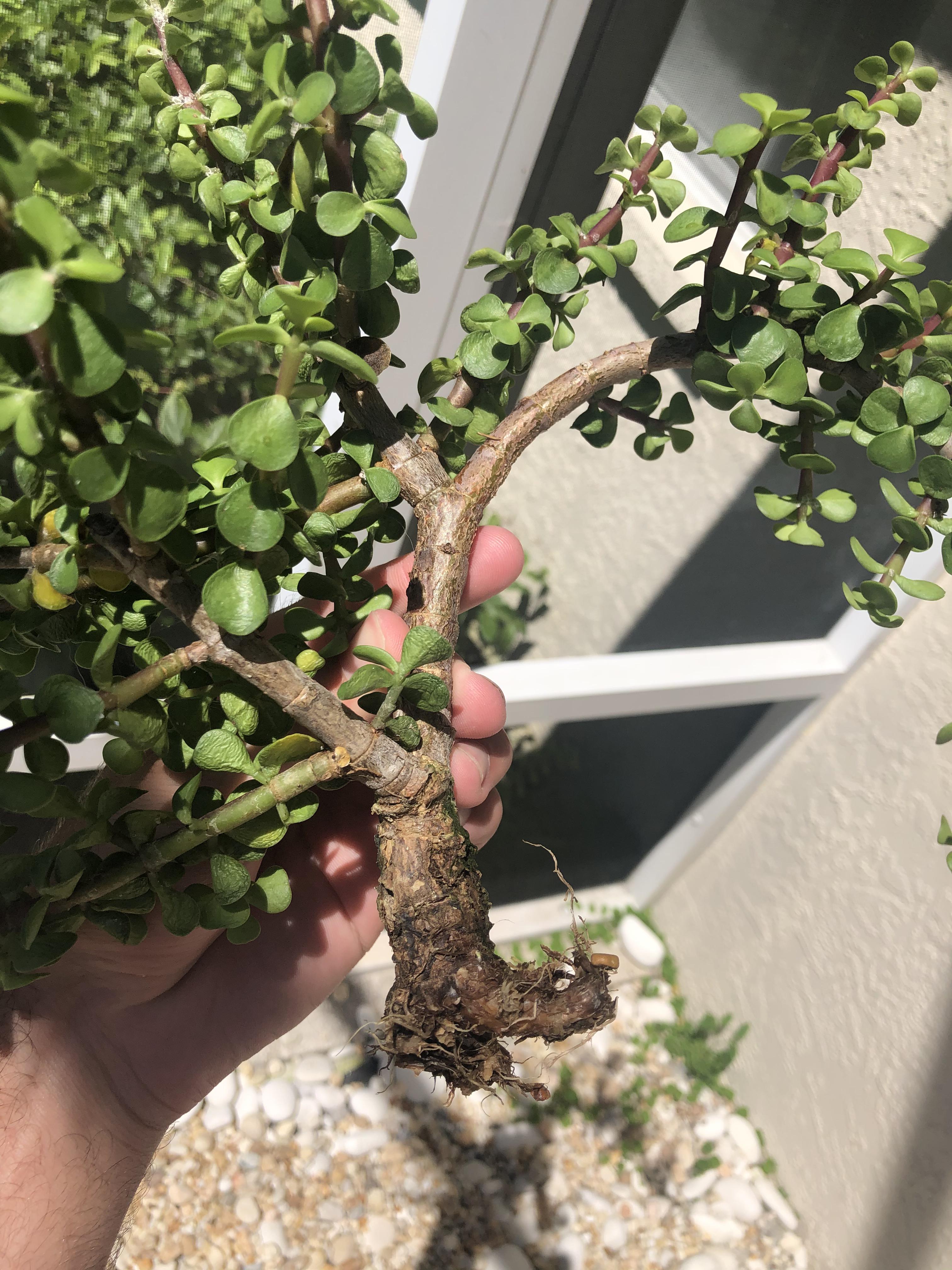
Your bonsai’s soil is far more than just something to anchor the roots. It’s the lifeline of the tree, responsible for providing oxygen, nutrients, and, crucially, drainage. A poorly draining soil mix is a recipe for disaster, almost guaranteeing root rot. Understanding the components of a good bonsai soil mix is the first step toward proper watering. Akadama, a baked Japanese clay, is a common base, prized for its water retention and drainage properties.
Pumice and lava rock are frequently added to akadama to improve drainage and aeration. Pumice is lightweight and porous, while lava rock provides excellent structure. The particle size is also critical. Larger particles create larger air pockets, promoting better drainage. A mix predominantly of fine particles will hold too much water. Organic soils, like peat moss or composted bark, can be used, but they break down over time and need to be replenished more frequently. They also tend to retain more water, so their use requires careful consideration.
The ideal mix isn’t universal. For example, pines and junipers prefer a faster-draining mix with a higher proportion of pumice and lava rock. Maples and other deciduous trees benefit from a mix with more akadama to retain moisture. A well-draining mix isn’t just a "good’ practice; it"s absolutely essential for preventing the root rot that plagues so many bonsai. Don't skimp on quality here – your tree’s life depends on it.
Testing for moisture
The "finger test" is often the first piece of watering advice given to bonsai beginners, and it's a good starting point, but it needs refinement. Simply sticking your finger in the soil isn’t enough. You need to test at depth—at least an inch or two. Feel for moisture at different levels. If the surface is dry but it’s damp an inch down, you likely don’t need to water yet. If it feels consistently damp throughout, hold off.
Pick up the pot. A dry bonsai is surprisingly light compared to one that's just been soaked. I rely on this weight check more than anything else. You can buy moisture meters, but they're often unreliable in the coarse, rocky soil we use for bonsai. They're a decent backup, but your hands are better tools.
Ultimately, observation is key. Watch how quickly the soil dries out under different conditions. Pay attention to the tree’s response after watering. Adjust your technique based on what you learn. There’s no magic formula; it’s about developing an intuitive understanding of your tree’s needs.
Watering by species
As mentioned earlier, watering isn’t one-size-fits-all. Different bonsai species have vastly different requirements. Junipers, known for their drought tolerance, prefer to dry out significantly between waterings. Overwatering a Juniper is a common mistake, leading to root rot and decline. Pines also prefer drier conditions, particularly during the winter months. Maples, on the other hand, are more water-loving, especially during the active growing season. They appreciate consistent moisture, but still require good drainage.
Ficus bonsai are relatively forgiving, but they still benefit from careful watering. They can tolerate some drying out, but prolonged drought will cause leaf drop. Deciduous trees, like Maples, generally need more water during the spring and summer when they are actively growing and developing foliage. As they enter dormancy in the fall, their water needs decrease dramatically. Bonsai Empire provides detailed care guides for numerous species, and referencing those guides is highly recommended.
The key is to research the specific needs of your tree. Don't assume that what works for one species will work for another. Consider the tree’s natural habitat. Trees from arid regions will generally be more drought-tolerant than those from humid environments. Adapting your watering schedule to these natural tendencies will significantly improve your bonsai’s health.
For example, a Trident Maple (Acer buergerianum) will require more frequent watering than a Shimpaku Juniper (Juniperus chinensis 'Shimpaku'). While a Black Pine (Pinus thunbergii) will need less water than a Chinese Elm (Ulmus parvifolia).
Seasonal Adjustments: A Yearly Cycle
Watering needs fluctuate dramatically throughout the year. In spring, as trees emerge from dormancy and begin active growth, water requirements increase. This is the time to increase your watering frequency, but still avoid overwatering. Summer brings warmer temperatures and higher evaporation rates, requiring even more frequent watering. Monitor your trees closely and water when the soil begins to dry out.
Autumn is a period of transition. As trees prepare for dormancy, their water needs decrease. Gradually reduce your watering frequency as the temperatures cool. Winter is the most challenging season for watering. Trees in full dormancy require very little water. The goal is to keep the soil from completely drying out, but avoid keeping it consistently wet. Indoor heating can significantly reduce humidity, so you may need to water more frequently during the winter even while the tree is dormant.
I’ll be honest, winter watering is still something I sometimes struggle with. It’s easy to overcompensate and overwater, especially if you’re relying on a fixed schedule. It’s better to err on the side of slightly dry than consistently wet. Observing the tree’s condition and adjusting accordingly is crucial. Remember to also consider the specific climate you live in – a mild winter will require less stringent water reduction than a harsh one.
Recommended Watering Frequency by Season and Tree Type
| Season | Juniper | Maple | Pine | Ficus |
|---|---|---|---|---|
| Spring | Every 2-3 days, depending on soil dryness | Every day or every other day, monitor soil | Every 3-4 days, allow surface to dry | Every 2-3 days, keep soil consistently moist |
| Summer | Daily, potentially twice daily in hot weather | Daily, possibly twice daily during heat waves | Every 1-2 days, depending on pot size and heat | Every 1-2 days, frequent monitoring needed |
| Autumn | Every 3-5 days, reducing as temperatures cool | Every 2-4 days, adjust with leaf color changes | Every 4-7 days, allow more drying between waterings | Every 3-5 days, reduce frequency as growth slows |
| Winter (Dormant) | Infrequent - check soil weekly, water only when dry | Infrequent - check soil weekly, avoid overwatering | Infrequent - check soil weekly, minimal watering | Infrequent - check soil weekly, reduce significantly |
| Early Spring (Bud Swell) | Every 2-3 days, increase from winter frequency | Every day, as buds begin to swell | Every 3-4 days, monitor for new growth | Every 2-3 days, increased growth requires more water |
| Late Summer (Preparing for Dormancy) | Every 2-3 days, begin reducing frequency | Every 2-3 days, prepare for reduced watering | Every 3-5 days, allow soil to dry slightly more | Every 2-3 days, gradually reduce watering |
Illustrative comparison based on the article research brief. Verify current pricing, limits, and product details in the official docs before relying on it.
Why water quality matters
The quality of water you use is often overlooked, but it can have a significant impact on your bonsai’s health. Hard water, containing high levels of minerals like calcium and magnesium, can build up in the soil over time, affecting nutrient absorption. Chlorinated water, commonly found in municipal supplies, can damage roots. Softened water, while removing minerals, often contains high levels of sodium, which can also be harmful.
Rainwater is generally considered the best option for bonsai. It’s naturally soft and free of harmful chemicals. Distilled water is another excellent choice, as it’s completely pure. If you must use tap water, let it sit for 24 hours to allow the chlorine to evaporate. The ideal pH level for most bonsai species is slightly acidic, around 6.0 to 7.0.
Testing your water’s pH is a worthwhile investment. You can purchase inexpensive pH testing kits at most garden centers. While a slight deviation from the ideal pH isn’t usually a major concern, consistently using water with an extreme pH can lead to nutrient imbalances and health problems.
Recognizing the Signs of Trouble
Learning to read your bonsai’s signals is critical for identifying watering problems. Wilted leaves are an obvious sign of underwatering, but they can also indicate root rot. Yellowing leaves can be caused by both overwatering and underwatering, making it a tricky symptom to interpret. Leaf drop is another common indicator of stress, often triggered by improper watering.
Branch dieback, where sections of branches begin to wither and die, is a more serious sign of trouble, often indicating severe root damage. If you notice any of these symptoms, investigate immediately. Examine the soil moisture level, check the roots for signs of rot (they’ll be dark and mushy), and adjust your watering schedule accordingly. It’s important to differentiate between the symptoms of overwatering and underwatering.
Overwatering typically presents with soft, mushy leaves and a generally depressed appearance. Underwatering manifests as crispy, brittle leaves and a dry, compacted soil. Early detection and correction are essential for preventing long-term damage.

No comments yet. Be the first to share your thoughts!