
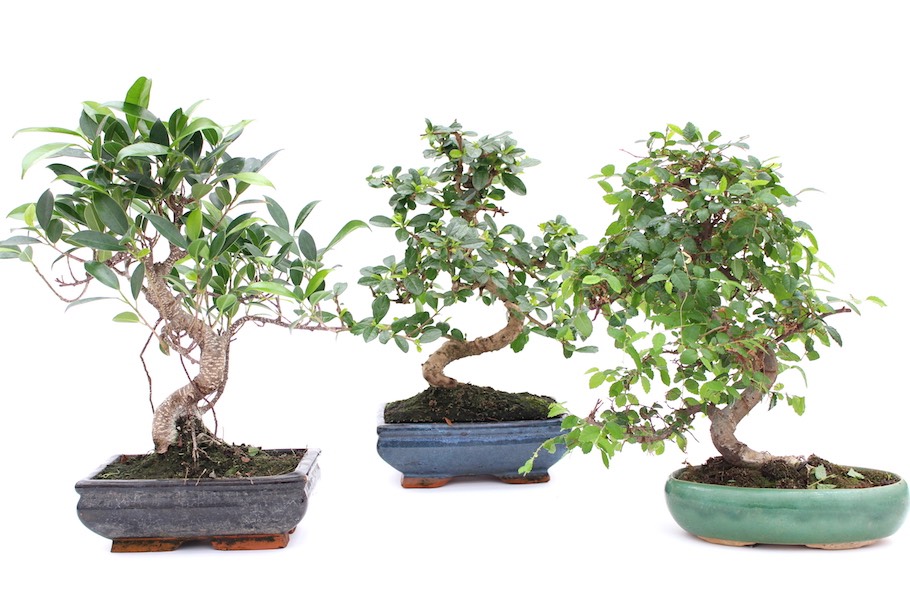
5 Beginner-Friendly Bonsai Trees to Start With
Starting a bonsai collection shouldn't feel like a high-stakes science experiment. We've curated five resilient, forgiving species that thrive on neglect, making them the perfect low-maintenance entry point for your indoor garden.
1. Ficus Retusa (Indian Laurel)
Often called the "beginner's tree," the Ficus Retusa is arguably the most forgiving bonsai species available. It tolerates lower light levels and irregular watering better than almost any other species, allowing you to learn the basics of pruning and wiring without the constant fear of killing your investment. If you forget to mist it or miss a watering, the Ficus bounces back quickly. Its thick, glossy leaves and visible surface roots (nebari) provide immediate visual appeal, giving you a sense of accomplishment right away. This resilience makes it the ideal partner for first-time growers who need a tree that can handle the fluctuations of home life.
2. Jade Plant (Crassula ovata)
If you tend to overwater your plants, the Jade Plant is your best friend. As a succulent, it stores water in its thick, fleshy leaves, meaning it thrives on neglect rather than constant attention. It requires very little water compared to traditional bonsai species and can survive in lower humidity environments typical of indoor apartments. The Jade’s natural tendency to develop a thick, trunk-like base gives it an aged, mature look even when it is young. It is a true low-maintenance champion that rewards the occasional neglect with robust growth and a charming, tree-like structure.
3. Chinese Elm (Ulmus parvifolia)
The Chinese Elm is a hardy outdoor species that adapts surprisingly well to indoor conditions if given enough bright light. It is known for its ability to recover from significant pruning and wiring, making it a forgiving canvas for learning bonsai techniques. The tree produces tiny, serrated leaves that create a refined, miniature appearance, and its bark often peels in patches, adding texture and character. While it prefers cooler temperatures than the Ficus, it is resilient enough to handle typical indoor temperature swings, making it a versatile choice for beginners who want a classic deciduous look.
4. Serissa (Snowrose)
The Serissa, also known as the Snowrose, is a delicate-looking but surprisingly tough shrub that produces tiny white flowers and small green leaves. It is often recommended for beginners because it responds well to pruning and can be shaped easily. However, it does require consistent moisture and bright, indirect light. The key to keeping a Serissa alive is to avoid letting it dry out completely; if you keep the soil slightly moist and provide good light, it will reward you with a dense, lush canopy. It is a forgiving option for those who enjoy a more floral, intricate aesthetic and are willing to check soil moisture regularly.
5. Fukien Tea (Carmona)
The Fukien Tea is a tropical species that thrives in warm, humid environments, making it an excellent choice for bathrooms or kitchens with good light. It features glossy, dark green leaves and small white flowers that turn into tiny red berries, adding a pop of color to your collection. While it prefers higher humidity than most indoor plants, it is relatively forgiving if you mist it regularly or place it on a humidity tray. Its natural growth habit allows for easy shaping, and its resilience to minor care mistakes makes it a satisfying project for beginners who want a tropical flair without the extreme difficulty of other exotic species.
Choosing your first bonsai tree
Bonsai is often misunderstood as a high-maintenance hobby reserved for experts, but the reality is far more forgiving. The secret to success lies in matching the tree to your environment rather than forcing an outdoor species into an indoor apartment. Think of it like choosing between a houseplant and a tropical pet; some species thrive on neglect, while others demand precise conditions. For beginners, the goal is to find a tree that tolerates the fluctuations of home life, allowing you to learn the basics without the stress of constant failure.
Indoor bonsai require bright light and consistent humidity. Most outdoor species will struggle in typical home environments.
When selecting a tree, look for species known for their resilience. The Ficus, for example, is often called the "beginner's tree" because it handles lower light and irregular watering better than most. It bounces back quickly if you forget to mist it, making it an ideal partner for learning how to prune and wire without the fear of killing your first investment. In contrast, trying to keep a delicate Japanese Maple indoors is like trying to run a marathon without training; it’s possible, but the barrier to entry is steep.
Another common stumbling block is understanding the tree’s structure. You might hear terms like "nebari," which simply refers to the visible surface roots that spread out from the trunk base. A good beginner tree will have a strong, visible nebari that anchors its visual appeal, even if the foliage isn’t perfectly dense yet. This natural feature adds character immediately, giving you a sense of accomplishment as soon as you bring it home. By starting with a forgiving species, you focus on the joy of watching a living thing grow, rather than treating it like a fragile object to be managed.
Quick comparison of beginner bonsai
Use this section to make the 5-Friendly Bonsai Trees to Start With decision easier to compare in real life, not just on paper. Start with the reader's actual constraint, then separate must-have requirements from details that are merely nice to have. A practical choice should survive normal use, maintenance, timing, and budget. If a recommendation only works in an ideal situation, call that out plainly and give the reader a fallback path.
| Factor | What to check | Why it matters |
|---|---|---|
| Fit | Match the option to the primary use case. | A good deal still fails if it does not fit the job. |
| Condition | Verify age, wear, and service history. | Hidden condition issues erase upfront savings. |
| Cost | Compare purchase price with likely upkeep. | The cheapest option is not always the lowest-cost option. |
Essential care checklist for new growers
Use this section to make the 5-Friendly Bonsai Trees to Start With decision easier to compare in real life, not just on paper. Start with the reader's actual constraint, then separate must-have requirements from details that are merely nice to have. A practical choice should survive normal use, maintenance, timing, and budget. If a recommendation only works in an ideal situation, call that out plainly and give the reader a fallback path.
-
Verify the basicsConfirm the core specs, condition, and fit before comparing extras.
-
Price the downsideLook for the repair, maintenance, or replacement cost that would change the decision.
-
Compare alternativesCheck at least two comparable options before treating one listing as the benchmark.
Helpful gear
Use these product recommendations as a starting point, then choose the size, material, and price point that fit how you actually use the gear.


As an Amazon Associate, we may earn from qualifying purchases.
No comments yet. Be the first to share your thoughts!