

The environmental cost of bonsai
Traditional bonsai methods aren't always kind to the environment. Plastic pots, peat-heavy soils, and synthetic fertilizers create a footprint that adds up quickly. I've realized that even an art form rooted in nature needs a more conscious approach to the materials we consume.
The reliance on peat moss is a particularly pressing concern. Harvesting peat destroys valuable wetland ecosystems that are crucial for carbon storage and biodiversity. Then there are the plastic pots – they’re durable, yes, but rarely recycled and contribute to plastic waste. Chemical fertilizers, while providing quick results, can leach into the environment and disrupt natural soil ecosystems. I've seen firsthand how quickly these materials accumulate over years of practice.
It’s easy to feel discouraged, but the truth is bonsai doesn’t have to be unsustainable. Recognizing the potential impact is the first step toward making more responsible choices. It's about acknowledging that even an art form rooted in nature can benefit from a more conscious approach. This doesn’t mean sacrificing the beauty or artistry of bonsai; it means evolving our practices.
Reducing the impact of a bonsai hobby just takes a bit of creativity with soil and containers. It's possible to keep the artistry while cutting out the waste.
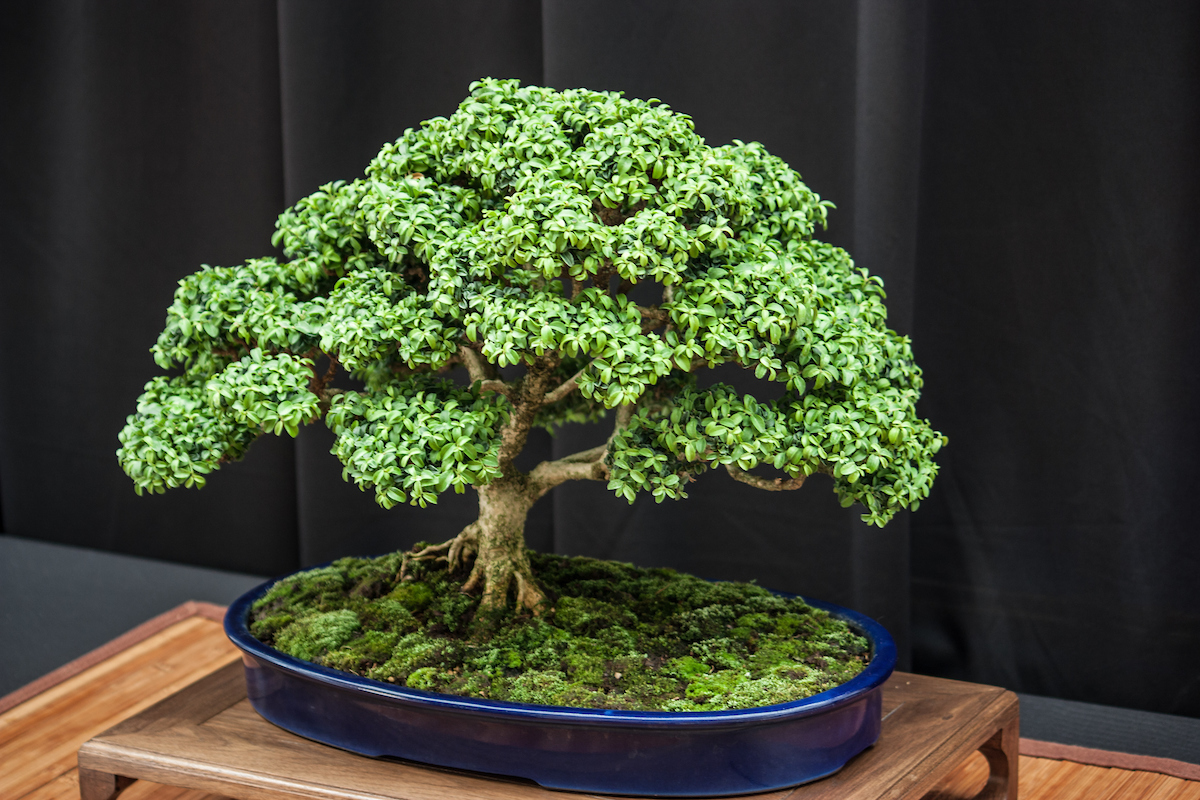
Better soil alternatives
The biggest change most of us can make toward sustainable bonsai is rethinking our soil. Peat moss, a common ingredient in bonsai soil mixes, is a major environmental problem. Its extraction destroys bog ecosystems, releasing stored carbon and damaging vital habitats. Thankfully, there are several excellent alternatives that perform just as well, if not better.
Coco coir, derived from coconut husks, is a fantastic substitute for peat. It’s renewable, holds moisture well, and has a similar texture. I’ve found it works particularly well with ficus and other tropical species. Leaf mold, created from decomposed leaves, is another excellent option. It’s a readily available resource for many of us and provides valuable nutrients. Composted bark, particularly pine bark fines, improves drainage and aeration.
Locally sourced materials can also be incredibly beneficial. In my area, I’ve successfully used well-rotted wood chips and decomposed granite. The key is to ensure the materials are free of chemicals and contaminants. Experimenting with different mixes is crucial to find what works best for your climate, species, and watering habits. A good starting point is a mix of coco coir, composted bark, and a small amount of horticultural grit for drainage.
Organic fertilizers like worm castings and seaweed extract provide nutrients without the runoff issues of synthetics. A healthy tree starts with the soil ecosystem, and using local or organic ingredients keeps that system stable.
- Coco coir is a renewable peat substitute that holds moisture well.
- Leaf Mold: Readily available, nutrient-rich.
- Composted Bark: Improves drainage and aeration.
- Locally Sourced Materials: Reduces transportation impact.
Comparison of Soil Components for Sustainable Bonsai
| Sustainability | Drainage | Water Retention | Nutrient Content | Cost |
|---|---|---|---|---|
| Peat Moss | Medium | High | Low | Medium |
| Explanation: While effective, peat harvesting damages fragile bog ecosystems. It holds a significant amount of water but is naturally low in nutrients and requires supplementation. Cost is moderate, varying by region and quantity. | ||||
| Coco Coir | High | Medium | Low | Medium |
| Explanation: A byproduct of coconut processing, making it a renewable resource. Offers good drainage and water retention, though generally nutrient-poor and needs amending. Cost is comparable to peat moss. | ||||
| Pine Bark | Medium | High | Medium | Medium |
| Explanation: Often a byproduct of the timber industry, utilizing a waste product. Provides excellent drainage and aeration, with moderate water retention. Contains some nutrients as it breaks down. Cost is moderate and can be reduced by sourcing locally. | ||||
| Leaf Mold | High | Medium | Medium | Low |
| Explanation: Decomposed leaves, a readily available and sustainable resource, especially for those with deciduous trees. Offers good water retention and moderate drainage, with a decent nutrient content. Very cost-effective as it can be created at home. | ||||
| Compost | Medium | Medium | High | Low |
| Explanation: Decomposed organic matter, excellent for adding nutrients. Drainage and water retention are moderate, depending on the compost composition. Very cost-effective, especially if home-composted. |
Illustrative comparison based on the article research brief. Verify current pricing, limits, and product details in the official docs before relying on it.
Repotting with a Conscience
Repotting is a necessary part of bonsai care, but it doesn’t have to be wasteful. The traditional plastic bonsai pots can be reused for years, which is a good start, but let’s consider more eco-friendly alternatives. Biodegradable pots made from rice hulls or coconut shells are gaining popularity. They break down over time, enriching the soil and reducing plastic waste. While they might not last as long as plastic, they offer a significant environmental benefit.
When repotting, carefully remove the old soil and inspect the roots. Don’t simply discard the old soil – compost it! It’s a valuable resource for your garden or other plants. Root trimmings can also be composted, returning nutrients to the soil. This closes the loop and minimizes waste. I've been composting my bonsai root trimmings for years, and it's made a noticeable difference in my garden’s health.
Making your own soil mixes is another excellent way to reduce packaging waste. Buying pre-mixed soil often comes with a lot of plastic packaging. By sourcing ingredients in bulk and blending them yourself, you can minimize waste and tailor the mix to your specific needs. It takes a little more effort, but the environmental benefits are worth it. Plus, you gain a deeper understanding of what your bonsai needs.
Consider the lifespan of your pots. Instead of constantly replacing them, choose durable materials that will last. Repairing cracked pots is also a good option. A little bit of maintenance can extend the life of your containers and reduce the need for new purchases. It’s about valuing resources and minimizing our consumption.
Recycled & Reclaimed Containers
This is where the fun really begins! Why buy a new pot when you can give a new life to something old? Reclaimed materials can add unique character and charm to your bonsai display. Old teacups, ceramic dishes, even interesting pieces of wood can be transformed into beautiful bonsai containers. It’s about seeing potential where others see trash.
Aesthetic considerations are important, of course. Choose containers that complement the style and species of your bonsai. The shape, color, and texture should all work together harmoniously. However, don’t be afraid to experiment and break the rules. Sometimes, the most unexpected combinations are the most striking. I once used an old, chipped gravy boat as a bonsai pot, and it became one of my favorite displays.
Proper drainage is crucial when using reclaimed containers. Drill drainage holes if necessary, and add a layer of gravel or broken pottery shards to the bottom to improve drainage. Ensure the container is stable and won’t easily tip over. A little bit of preparation can go a long way in ensuring the health of your bonsai.
Inspiration can be found everywhere – flea markets, antique stores, even your own kitchen cupboards. Look for interesting shapes, textures, and materials. Don’t be afraid to get creative and think outside the box. Using reclaimed containers is not only environmentally friendly but also a way to express your individuality and artistic flair.
- Old teacups and ceramic dishes make great small containers if you drill drainage holes.
- Interesting pieces of wood (with proper sealing)
- Vintage containers from flea markets
- Repurposed metal tins (ensure they don't rust)
Unusual Bonsai Containers
- Weathered Terracotta Pots - Salvaged terracotta pots, often found at flea markets or garden centers, offer excellent drainage and a rustic aesthetic. The porous nature of terracotta aids in airflow to the roots.
- Old Stone Troughs - Traditionally used for animal watering, stone troughs provide a durable and naturally beautiful container. Ensure adequate drainage holes are present or can be drilled.
- Repurposed Metal Containers - Old metal buckets, cans (coffee, paint - thoroughly cleaned!), or even vintage lunchboxes can be transformed into bonsai pots. Crucially, drill multiple drainage holes in the bottom.
- Bamboo Sections - Large diameter bamboo culms, cut and hollowed, create a unique and organic container. Bamboo is fast-growing and sustainable, though it requires regular re-potting as it degrades over time.
- Driftwood Pieces - Hollowed-out driftwood offers a striking, natural container, particularly suited for cascade-style bonsai. Ensure the wood is stable and won't decompose quickly; sealing it can help.
- Ceramic Dishes & Bowls - Broken or unwanted ceramic dishes and bowls can be repurposed. Choose pieces with interesting shapes or glazes. Drilling drainage holes is essential.
- Old Wooden Boxes - Small wooden crates or boxes, often used for shipping fruit or vegetables, can be lined with plastic and used as temporary or rustic bonsai containers. They won't last as long as other options.
Saving water in the garden
Bonsai require regular watering, but we can minimize water waste with a few simple strategies. Rainwater harvesting is an excellent option. Collecting rainwater reduces your reliance on municipal water and provides a naturally soft and slightly acidic water source that bonsai generally prefer. A simple rain barrel can make a significant difference.
Implementing efficient irrigation methods is also crucial. Drip irrigation delivers water directly to the roots, minimizing evaporation and runoff. Self-watering pots can help maintain consistent moisture levels and reduce the frequency of watering. Understanding the water needs of different species is also key. Some species prefer to dry out slightly between waterings, while others require consistently moist soil.
Proper drainage is essential to prevent root rot and waterlogging, which can waste water and harm your bonsai. Ensure your soil mix is well-draining and your pots have adequate drainage holes. Avoid overwatering, and check the soil moisture level before watering again. A moisture meter can be a helpful tool.
Mulching the soil surface with organic materials like wood chips or bark can help retain moisture and reduce evaporation. Grouping bonsai together can also create a more humid microclimate, reducing water loss. Every drop counts, and by implementing these strategies, we can conserve water and create a more sustainable bonsai practice.
Natural Pest & Disease Control
Harsh chemical pesticides and fungicides can harm the environment and disrupt the delicate balance of your bonsai ecosystem. Fortunately, there are many effective organic pest control methods available. Introducing beneficial insects, like ladybugs and lacewings, can help control common pests like aphids and spider mites. They’re natural predators and won’t harm your bonsai.
Neem oil works as both a pesticide and fungicide by disrupting pest life cycles. Apply it in the evening to avoid hitting beneficial insects like ladybugs. Stronger trees grown in balanced soil usually fight off these issues on their own anyway.
I have a go-to recipe for a natural pest spray: a mixture of water, a few drops of mild dish soap, and a teaspoon of neem oil. This can be sprayed directly onto the affected areas. Regularly inspecting your bonsai for signs of pests or diseases is crucial for early detection and treatment. Prevention is always better than cure.
Avoid using broad-spectrum pesticides, which can kill both beneficial and harmful insects. Focus on targeted treatments that address the specific pest or disease. A holistic approach to pest and disease control is the most sustainable and effective way to protect your bonsai.
Where to find ethical trees
Where does your bonsai come from? This is a crucial question for the environmentally conscious enthusiast. Supporting nurseries that practice sustainable forestry is paramount. Look for nurseries that grow their own trees or source them from responsibly managed forests. Avoid purchasing trees that have been collected from the wild, as this can damage fragile ecosystems.
Collecting trees from the wild is often illegal and can have devastating consequences for the environment. It disrupts natural habitats and can lead to the decline of vulnerable species. Growing bonsai from seed or cuttings is a more ethical and sustainable option. It takes longer, but it allows you to nurture a tree from its earliest stages and develop a deeper connection with the art form.
When purchasing bonsai tools and materials, choose brands that prioritize sustainability. Look for tools made from recycled materials or those that are built to last. Avoid disposable products and opt for durable, reusable alternatives. Consider the entire lifecycle of the products you purchase.
Educate yourself about the origin of your bonsai materials and make informed choices. Ask your nursery about their sourcing practices and support those that are committed to sustainability. By demanding ethical and sustainable practices, we can encourage the industry to move in a more responsible direction.
Where did you acquire your first bonsai tree?
As we explore sustainable and eco-friendly approaches to bonsai, we are curious about how your bonsai journey began. Understanding where our trees come from is the first step toward more mindful and sustainable growing practices. Vote below!

No comments yet. Be the first to share your thoughts!