

AI in bonsai care
Bonsai is a beautiful, rewarding art form. It’s also undeniably demanding. Maintaining a healthy bonsai requires consistent attention to watering, sunlight, pruning, and pest control—a commitment that can feel overwhelming, especially for beginners. For decades, successful bonsai cultivation relied on accumulated knowledge, passed down through generations or learned through years of dedicated practice. But things are changing.
Artificial intelligence is beginning to offer a helping hand. We’re seeing the emergence of apps and tools designed to assist with various aspects of bonsai care, moving beyond the realm of experienced hobbyists and making the art more accessible. This isn’t about replacing the artistry or the deep connection with nature, but about augmenting the process, providing support and insight where it's needed most.
The history of bonsai stretches back over a thousand years, originating in China and evolving into a refined art form in Japan. Central to this art is the understanding that a bonsai isn’t simply a miniature tree, but a living sculpture shaped by careful, consistent care. That consistent care is where many struggle, and where AI offers a potential solution. It’s still early days, and these tools aren’t perfect, but the potential is definitely there to help more people experience the joy of bonsai.
Diagnosing plant health
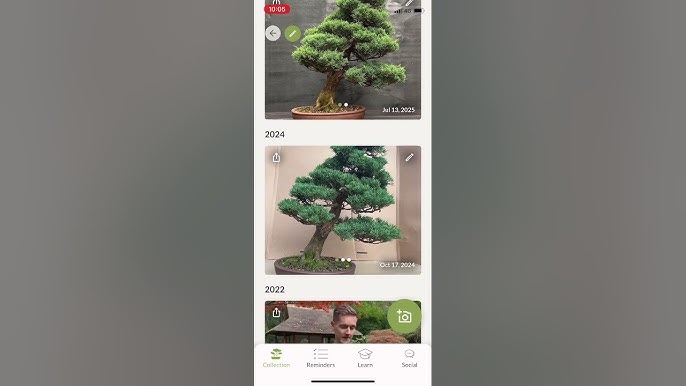
One of the most promising applications of AI in bonsai care is plant health diagnosis. Several apps now utilize image recognition technology, allowing you to simply take a photo of your tree and receive a potential diagnosis of any diseases, pest infestations, or nutrient deficiencies. The technology works by comparing the image to a vast database of healthy and unhealthy plant specimens.
However, it’s important to approach these diagnoses with a degree of caution. While the accuracy of these apps is improving, they’re not foolproof. A misidentified problem could lead to incorrect treatment, potentially harming your tree. The best approach is to use the app as a starting point for investigation, and always verify the diagnosis with other resources—like experienced bonsai practitioners or reputable online guides. I’ve found that cross-referencing the app’s suggestions with information from Bonsai Empire is particularly helpful.
The accuracy of these apps is also heavily reliant on user-submitted data. As more people use the apps and contribute images, the AI algorithms become more refined and accurate. This creates a positive feedback loop – more data leads to better diagnoses, which encourages more people to use the app. This collective knowledge base is a powerful asset for the bonsai community, especially for identifying localized pest outbreaks or emerging diseases.
For beginners, these apps can be invaluable in preventing common mistakes that lead to tree decline. Early detection of a problem can significantly increase the chances of successful treatment, saving a tree that might otherwise be lost. It’s a preventative measure that’s far easier than trying to rehabilitate a severely damaged bonsai.
Personalized watering schedules
Watering is arguably the most critical aspect of bonsai care, and also one of the most challenging to get right. Overwatering can lead to root rot, while underwatering can cause dehydration and stress. AI-powered apps are addressing this challenge by creating personalized watering schedules based on a variety of factors.
These apps don’t just ask for your tree species; they take into account pot size, soil type (from akadama to pumice blends), your local climate, and even current weather forecasts. Some apps will integrate with local weather data to adjust the schedule based on predicted rainfall or temperature fluctuations. This is a significant improvement over generic watering guidelines.
However, it’s crucial to remember that these schedules are suggestions, not absolute rules. The app should encourage you to observe your tree closely and adjust the watering schedule based on its actual needs. Check the soil moisture level with your finger before watering, and learn to recognize the visual cues that indicate thirst or saturation. Don’t blindly follow the app’s recommendations—use them as a starting point and adapt as needed.
The danger of both overwatering and underwatering is real. Overwatering deprives the roots of oxygen, leading to rot, while underwatering stresses the tree and hinders its growth. AI can help you avoid these extremes, but ultimately, responsible bonsai care requires attentive observation and a willingness to learn.
Pruning guidance
Pruning is central to the art of bonsai, shaping the tree and maintaining its miniature size. AI is starting to assist with pruning decisions, though this area is still developing. Some apps offer guidance on branch selection, suggesting which branches to remove to improve the tree’s overall form and health.
These apps might also provide instructions on wiring techniques, demonstrating how to bend and position branches to achieve a desired aesthetic. The goal is to help beginners understand the underlying principles of bonsai design—balance, proportion, and movement—and apply them to their own trees.
It’s important to acknowledge that pruning is a skill that requires practice and a keen eye. A However, it can be a valuable learning tool, helping beginners avoid common mistakes and develop a better understanding of pruning principles. There's even talk of augmented reality features that would overlay pruning suggestions directly onto a live view of your tree, but those are still largely in the experimental phase.
Tailored fertilizer recommendations
Just like watering, fertilization requires a nuanced approach. Different bonsai species have different nutritional needs, and the optimal fertilizer schedule will vary depending on the tree’s age, growth stage, and overall health. AI-powered apps can help you tailor your fertilization regimen to your tree’s specific requirements.
These apps typically recommend fertilizer types and schedules based on the tree’s species, age, and current growth stage. They’ll also consider factors like the soil composition and the climate. The emphasis is on balanced fertilization, providing the tree with the nutrients it needs without overdoing it.
Over-fertilizing can be just as harmful as under-fertilizing, leading to salt buildup in the soil and potentially damaging the roots. Some apps are even beginning to integrate with soil sensors, providing even more precise fertilizer recommendations based on real-time nutrient levels. This is a promising development, but it’s still relatively expensive and not widely available.
Remember that fertilizer isn’t a magic bullet. Proper care—including adequate watering, sunlight, and pruning—is still essential for a healthy bonsai. Fertilizer is simply a supplement, helping to support healthy growth.
Fertilizer Comparison for Bonsai Trees
| Fertilizer Type | Ease of Use | Cost | Environmental Impact | Species Suitability |
|---|---|---|---|---|
| Organic (e.g., fish emulsion, compost tea) | Generally easy; requires brewing or mixing in some cases. | Can vary, but often moderate to high. | Typically low; promotes soil health and beneficial microbes. | Well-suited for most species, especially those preferring natural conditions. |
| Liquid (e.g., balanced NPK solutions) | Very easy; readily diluted and applied with watering. | Generally moderate. | Moderate; potential for nutrient runoff if overapplied. | Good for rapid growth or addressing deficiencies; suitable for many species, but requires careful monitoring. |
| Slow-Release (e.g., coated granules) | Easy; applied directly to the soil, releasing nutrients over time. | Moderate to high initial cost, but potentially cost-effective long-term. | Moderate; potential for nutrient leaching, although formulations are improving. | Beneficial for species requiring consistent feeding; useful for beginners due to reduced application frequency. |
| Organic (e.g., bone meal, blood meal) | Moderate; requires incorporation into the soil and takes time to break down. | Moderate. | Low; natural source of nutrients. | Best for specific nutrient needs (phosphorus from bone meal, nitrogen from blood meal), suited for species with similar requirements. |
| Liquid (specialty formulations) | Very easy; designed for specific needs like flowering or root development. | Generally higher than balanced liquid fertilizers. | Moderate; similar runoff concerns as standard liquid fertilizers. | Ideal for targeted nutrient boosts during specific growth stages; requires knowledge of species-specific needs. |
| Slow-Release (organic-based) | Easy; combines the convenience of slow-release with organic benefits. | Moderate to high. | Lower than synthetic slow-release; supports soil health. | Good for a wide range of species, offering a balance of convenience and environmental consideration. |
Illustrative comparison based on the article research brief. Verify current pricing, limits, and product details in the official docs before relying on it.
Available bonsai apps
Several AI-powered bonsai care apps are currently available, each with its own strengths and weaknesses. PlantSnap (available on iOS and Android) is a general plant identification app that can also diagnose problems with bonsai, but its bonsai-specific knowledge is limited. It's a good starting point, but don’t rely on it for complex issues. It’s free to download with in-app purchases for premium features.
PictureThis (iOS and Android) is another popular plant identification app with a similar feature set to PlantSnap. It offers a more polished user interface and generally more accurate diagnoses, but it's also more expensive, with a subscription costing around $30 per year. User reviews are mixed, with some praising its accuracy and others complaining about aggressive subscription prompts.
There are also a few apps specifically designed for bonsai, such as Bonsai Buddy (Android only). This app focuses on tracking watering schedules and providing reminders, and it allows you to create a profile for each of your trees. It's a relatively simple app, but it can be helpful for beginners who struggle to stay organized. It’s free, supported by ads.
It’s important to read user reviews and compare features before choosing an app. Don’t expect any of these apps to be perfect—they’re still under development and have limitations. The best approach is to use them as a supplemental tool, alongside your own knowledge and experience.
The future of smart bonsai care
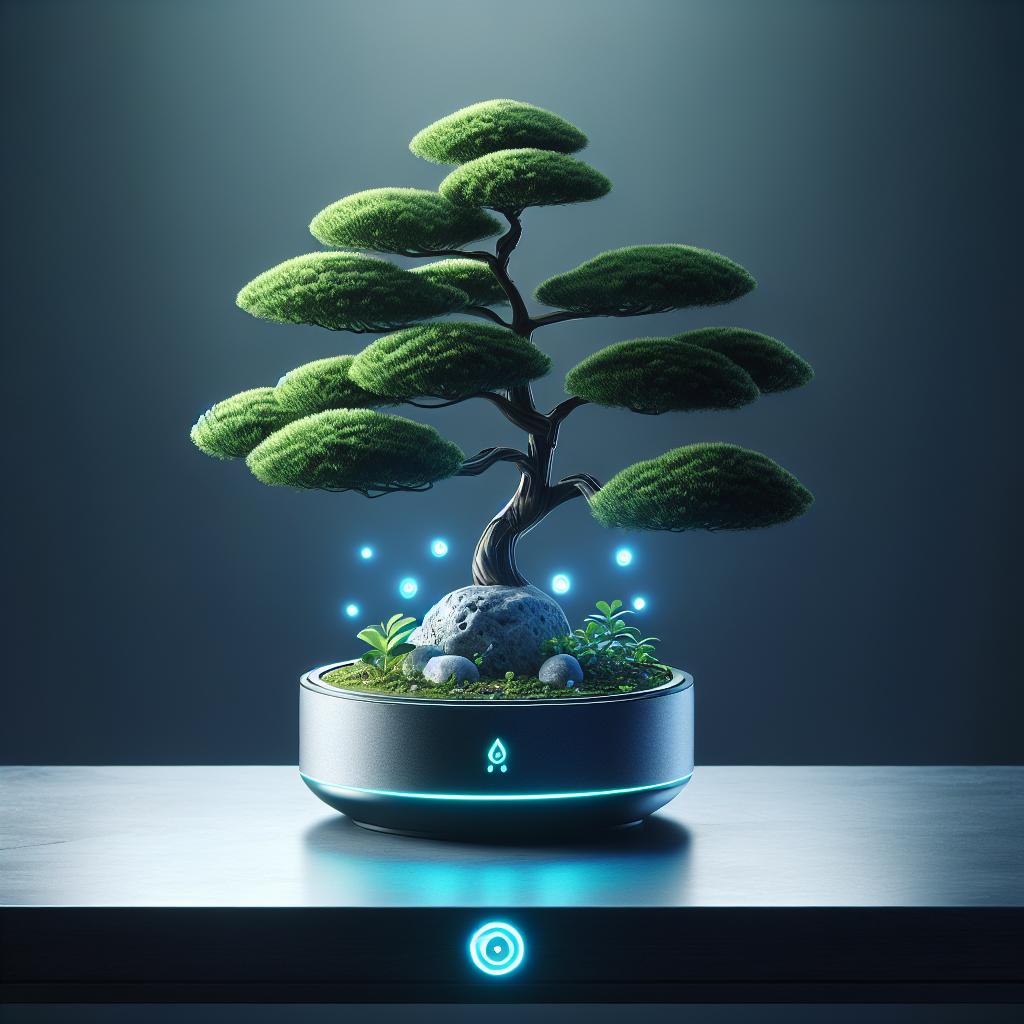
The future of AI-powered bonsai care looks promising. We can expect to see more sophisticated sensors that monitor soil moisture, nutrient levels, and even the tree’s internal hydration. Improved image recognition technology will lead to more accurate diagnoses of diseases and pests.
Integration with smart home devices is also likely. Imagine a system that automatically adjusts watering schedules based on weather forecasts and soil moisture readings, or that alerts you to potential problems before they become serious. This level of automation could make bonsai care even more accessible to beginners.
However, it’s important to consider the ethical implications of using AI in a traditional art form. Some purists may argue that relying too heavily on technology diminishes the human connection to nature and the artistry of bonsai. It's a valid concern.
Ultimately, AI should be seen as a tool to enhance, not replace, the art of bonsai. It can help us better understand our trees, provide them with the care they need, and appreciate their beauty. The goal isn’t to automate the art form, but to empower bonsai enthusiasts of all levels to create and nurture these living sculptures.
No comments yet. Be the first to share your thoughts!