

Bonsai's Aesthetic Shift: 2026 and Beyond
Bonsai art is evolving. While rooted in Japanese tradition, styling is shifting. Historically, bonsai aimed to replicate nature, showing age and resilience. Now, contemporary interpretations are pushing boundaries.
This evolution doesn't reject tradition. Many still revere classic styles, but there's a desire for more expressive, individual designs. Minimalism in interior design and architecture is influencing bonsai. Artists will likely continue creating beautiful, thought-provoking bonsai.
More information online, especially on YouTube, has made bonsai more accessible to beginners, increasing demand. This interest drives innovation as artists experiment with new techniques and styles. Bonsai aesthetics in 2026 will blend tradition and modernity.
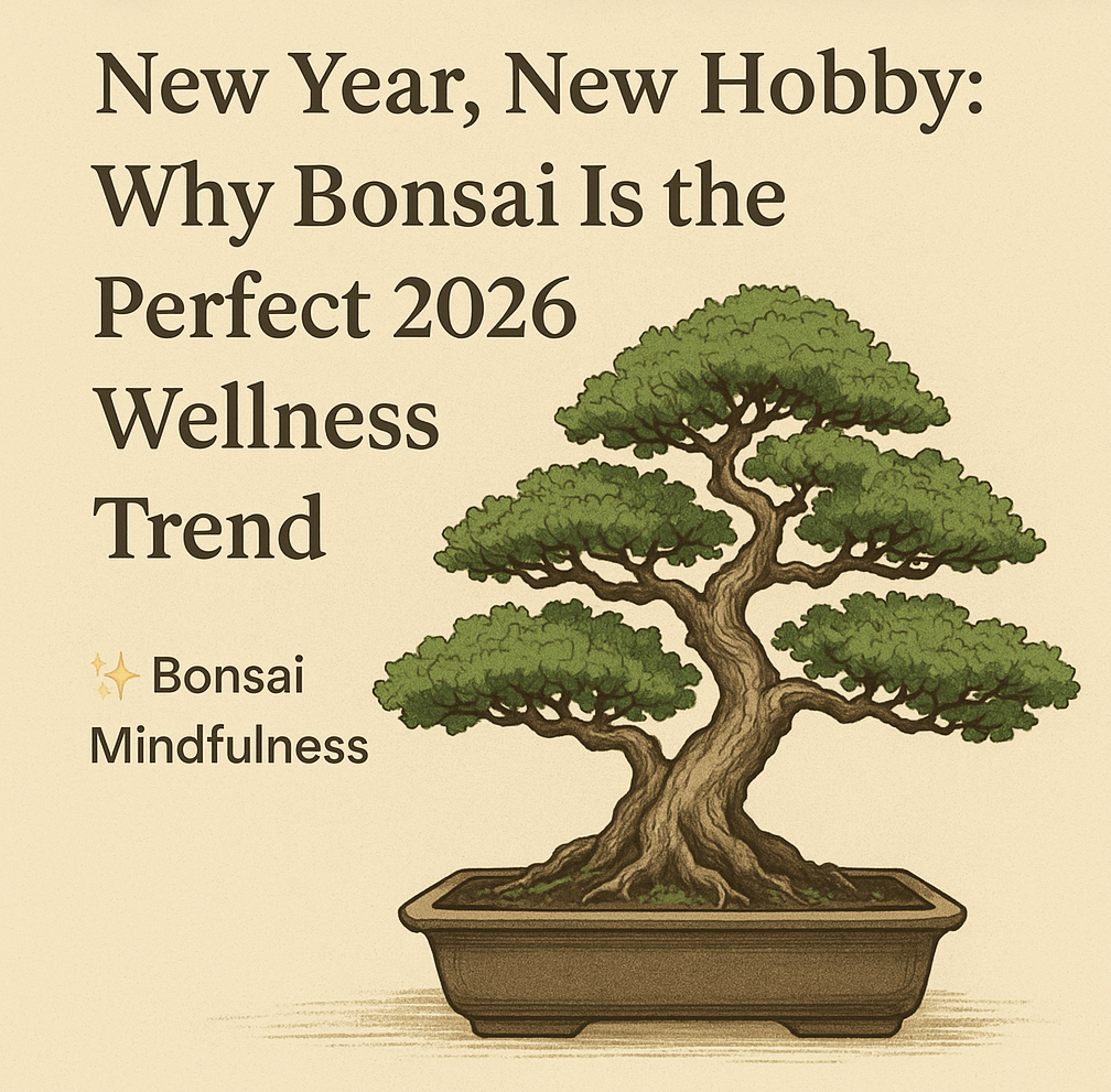
Minimalist Zen: Refined Simplicity
Minimalist bonsai remain popular. Achieving this look requires careful consideration of every element—branch placement, foliage density, and pot choice—not less effort.
Single-trunk styles focus attention on the tree's essential form. Restrained branch pruning emphasizes natural movement and character, not perfect symmetry. Negative space is as important as the tree itself.
This trend reflects a design sensibility prioritizing simplicity and tranquility. Simple, elegant pots in neutral colors like unglazed stoneware or subtly textured ceramics are common. The pot should complement the tree, acting as a supporting element, not a focal point. These designs often favor a naturalistic feel.
Jason from Eastern Leaf on YouTube demonstrates this in his styling videos, showing how subtle adjustments impact a minimalist juniper's feel (Eastern Leaf, 2022).
The Rise of Dramatic Deadwood
Deadwood techniques—jin (dead branches) and shari (exposed roots)—have always suggested age and weathering. Contemporary designs use these techniques more dramatically and expressively, focusing on striking visual contrast over realistic replication.
Artists use aggressive carving and bleaching for sculptural deadwood effects, aiming for drama and intrigue with stark white or dark tones. This creates an artistic statement focused on form and texture, not just age.
Improper deadwood techniques risk damaging or killing the tree, requiring deep understanding of wood structure and reactions. Well-executed results can be striking. This technique is best for experienced individuals or with instructor guidance. Bonsai Empire details styling techniques, including deadwood (Bonsai Empire, n.d.).
Contemporary Pots: Beyond the Unglazed
Traditional bonsai pots were understated, often unglazed stoneware in earthy tones. While classic pots remain, a wider range of materials, colors, and shapes are now appearing, reflecting a willingness to experiment and challenge norms.
Textured concrete pots offer a modern, industrial aesthetic. Metallic glazes in copper, bronze, and gold create eye-catching contrasts. Some artists use unconventional materials like reclaimed wood or repurposed metal. These choices are integral to the overall aesthetic.
Balance is key. The pot should complement, not compete with, the tree. A bold pot can work with a subdued tree, but avoid overwhelming the design. Consider the tree’s species, style, and character when selecting a pot; size is crucial for composition.
Contemporary Potters
- Heron's Bonsai - Known for their unglazed, stoneware pots with a rustic, natural aesthetic. They often feature subtle texturing and organic shapes, complementing traditional bonsai styles.
- Masakuni Yaki - A long-established Japanese pottery specializing in bonsai pots. Their work includes a wide range of styles, from classic Tokoname ware to more modern, angular designs, often in rich, earthy tones.
- Willow Creek Pottery - Offers a diverse collection of handmade bonsai pots, with a focus on vibrant glazes and unique forms. They produce both traditional and contemporary designs, appealing to a broad range of tastes.
- Nguyet Studios - Specializes in minimalist, modern bonsai pots with clean lines and a focus on negative space. Often utilizes neutral colors and textured surfaces, ideal for showcasing minimalist bonsai styles.
- Bonsai Art Pots - Offers a curated selection of pots from various Japanese artists, including both established and emerging potters. Their collection features a wide variety of styles, glazes, and sizes, catering to diverse preferences.
- Iwabuchi Pottery - Renowned for their high-quality, hand-thrown bonsai pots with a focus on traditional Japanese aesthetics. Their pots often feature subtle imperfections and a refined, understated elegance.
Forest Plantings: Dynamic Groupings
Forest plantings (yorimono) are increasingly popular, with evolving creation approaches. Traditionally replicating natural forest scenes, artists now create more dynamic, asymmetrical groupings beyond strict realism.
Emphasis is on movement and interaction between trees. Using different species, varying heights, and foliage textures adds visual interest, depth, and complexity. Careful planning is needed to maintain balance and harmony, avoiding a chaotic look.
Choosing trees with similar growth rates is crucial to prevent one from outgrowing others and disrupting the composition. Consider root systems to avoid aggressive resource competition. A well-executed forest planting showcases artistic skill and horticultural knowledge.
Movement and Flow: The 'Literati' Influence
The 'literati' style (bunjingi), with elegant, flowing lines and sparse foliage, strongly influences contemporary bonsai. Inspired by Chinese scholar paintings, this style emphasizes movement and energy, like a tree reaching for the sky.
Artists incorporate this aesthetic into more species and styles beyond traditional pine and juniper. The focus is on fluidity and grace, with naturally curving branches. Pruning removes unnecessary growth to reveal the underlying structure.
undefined selection is also key. Branches with interesting curves and angles are favored, and attention is paid to the overall balance and proportion of the tree. The goal is to create a sense of harmony and movement, as if the tree is a living sculpture. This style often feels more open and airy than other bonsai designs.
Species Spotlight: Beyond Pines and Junipers
While pines and junipers have long been the workhorses of the bonsai world, there’s a growing interest in using less traditional species. This is partly driven by a desire for greater creativity and a willingness to experiment with new forms and textures. It also acknowledges that not everyone has the climate or conditions suitable for growing pines and junipers.
Flowering trees, such as crabapple and cherry, are gaining popularity, offering the added beauty of blossoms in the spring. Deciduous species, like maples and elms, are also becoming more common, providing vibrant fall color and interesting leaf shapes. However, these species present unique challenges.
Understanding each species’ natural growth habits is essential. Maples, for example, require careful pruning to maintain their shape and prevent excessive growth. Crabapples need regular fertilization to support their flowering. The key is to choose a species that suits your climate, skill level, and aesthetic preferences. The YouTube channel, Bonsai for Beginners, offers introductory guidance, though it appears to currently have access issues (Bonsai for Beginners, n.d.).
Styling Resources and Communities
The world of bonsai is a supportive community, and there are numerous resources available to help you learn and grow. Online forums, such as those found on Reddit (search for r/bonsai), provide a platform for sharing knowledge, asking questions, and connecting with other enthusiasts.
Social media groups – on platforms like Facebook and Instagram – are also a great way to find inspiration and get feedback on your work. Several reputable bonsai nurseries offer online courses and workshops, providing hands-on instruction from experienced artists. Eastern Leaf is one such nursery (Eastern Leaf, n.d.).
For more in-depth study, consider investing in some key books on bonsai styling and technique. Bonsai Empire's website provides a wealth of information, including detailed care guides and styling tutorials (Bonsai Empire, n.d.). By tapping into these resources, you can continue to develop your skills and deepen your appreciation for this ancient art form.
Content is being updated. Check back soon.
No comments yet. Be the first to share your thoughts!