
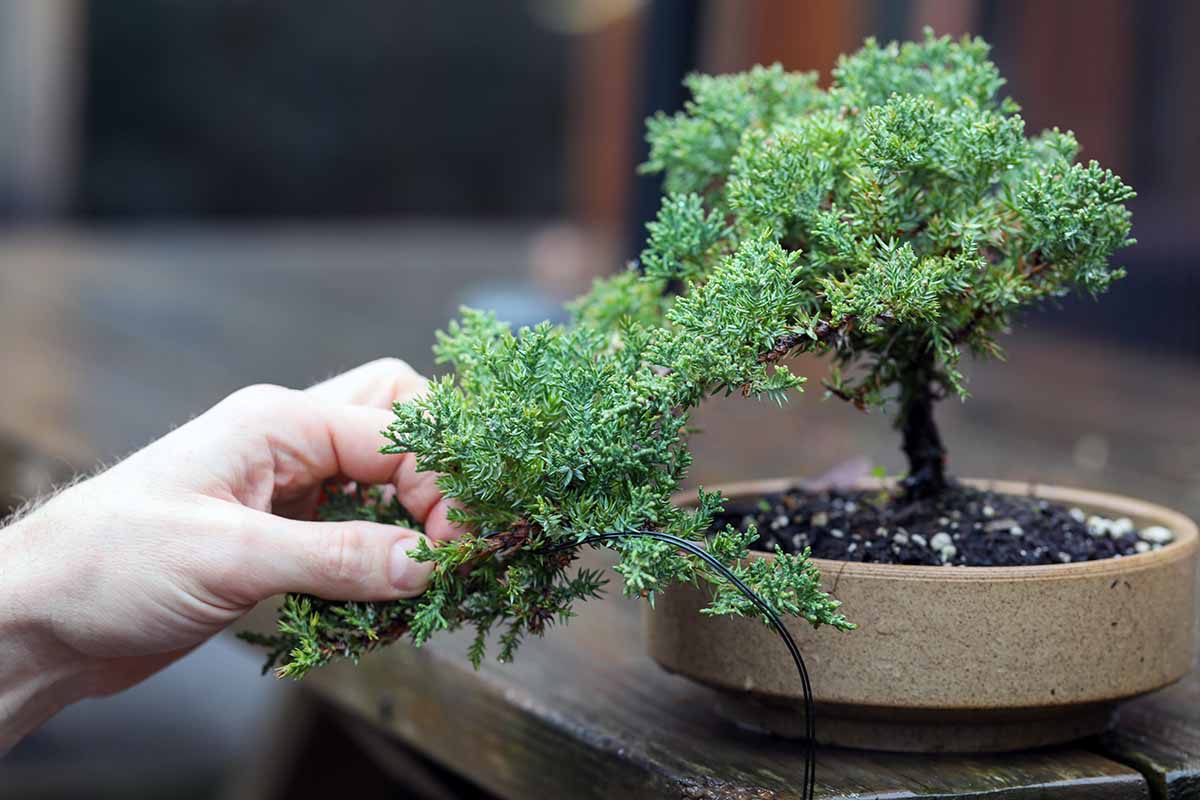
Get bonsai beginners right
Bonsai is not very hard at all, but it does demand a shift in mindset. You are not maintaining a houseplant; you are managing a living tree that changes with the seasons. If you treat it like a static decoration, it will die. If you understand its basic needs, it will thrive.
Before you buy your first tree, check three things in your home. First, find a spot with bright, indirect light. Most indoor bonsai need at least four to six hours of direct sun. A dark corner is a death sentence. Second, ensure there is no draft from air conditioning or heating vents. Third, make sure you have a sink or outdoor hose nearby. You will water your tree daily in summer.
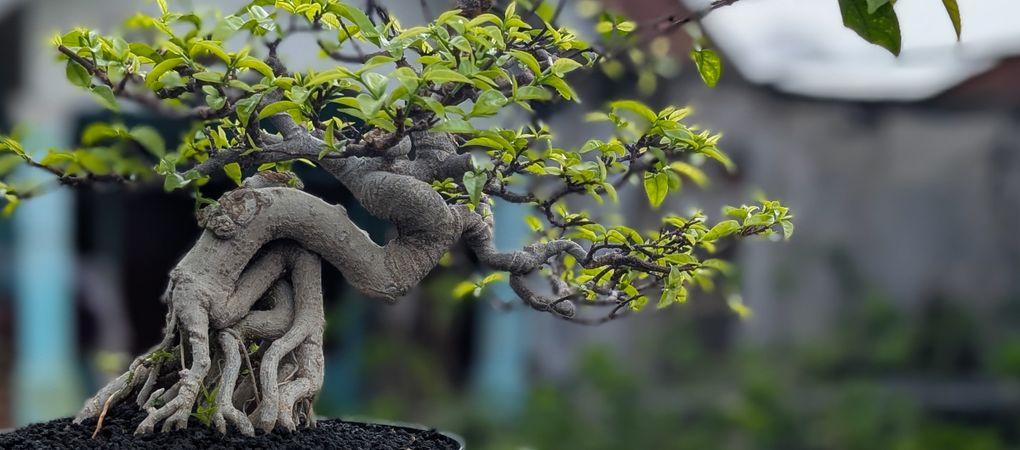
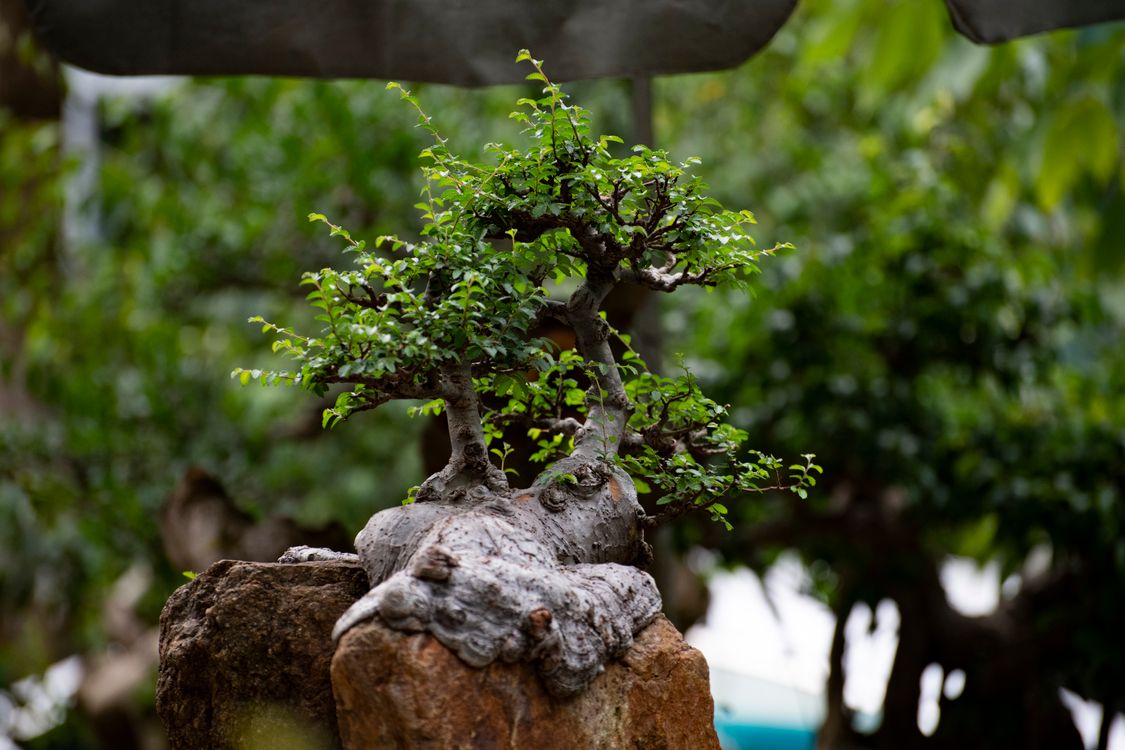
The biggest mistake beginners make is overwatering. Bonsai soil drains quickly. If the pot sits in a saucer of standing water, the roots will rot. Lift the pot. If it feels light, water it. If it feels heavy, wait. This simple check prevents 90% of early failures.
Fix common mistakes
Bonsai troubleshooting should start with a clear boundary: what is actually broken, and what still works normally. Check the soil moisture, light exposure, and drainage before assuming the tree needs a drastic intervention. A small environmental mismatch can make the whole plant look unhealthy even when the root system is fine.
Work from low-risk checks to deeper resets. Confirm the pot has drainage holes, the soil is appropriate for bonsai (not standard potting mix), and the location meets light requirements. Then adjust watering habits, wait for the tree to respond, and test the original symptom. Avoid repotting or heavy pruning immediately because that adds stress when the issue might just be light or water.
If the leaves are dropping rapidly, the trunk is shriveling, or there are signs of pests, treat the issue as urgent rather than a temporary adjustment. Document the symptoms and consult a local nursery or expert instead of guessing with online advice.
The simplest way to use this section is to keep the care routine small, verify each change, and record the stable configuration before adding optional accessories like fertilizer or wiring.
Bonsai for beginners: what to check next
Starting a bonsai hobby often feels daunting because people confuse it with keeping a houseplant. The difference is intention. You are not just keeping a tree alive; you are actively shaping its growth through pruning, wiring, and repotting. This active engagement is what makes bonsai addictive, but it also means you need to understand the basics before buying your first tree.
Here are the most common questions beginners ask before committing to the craft.
No comments yet. Be the first to share your thoughts!