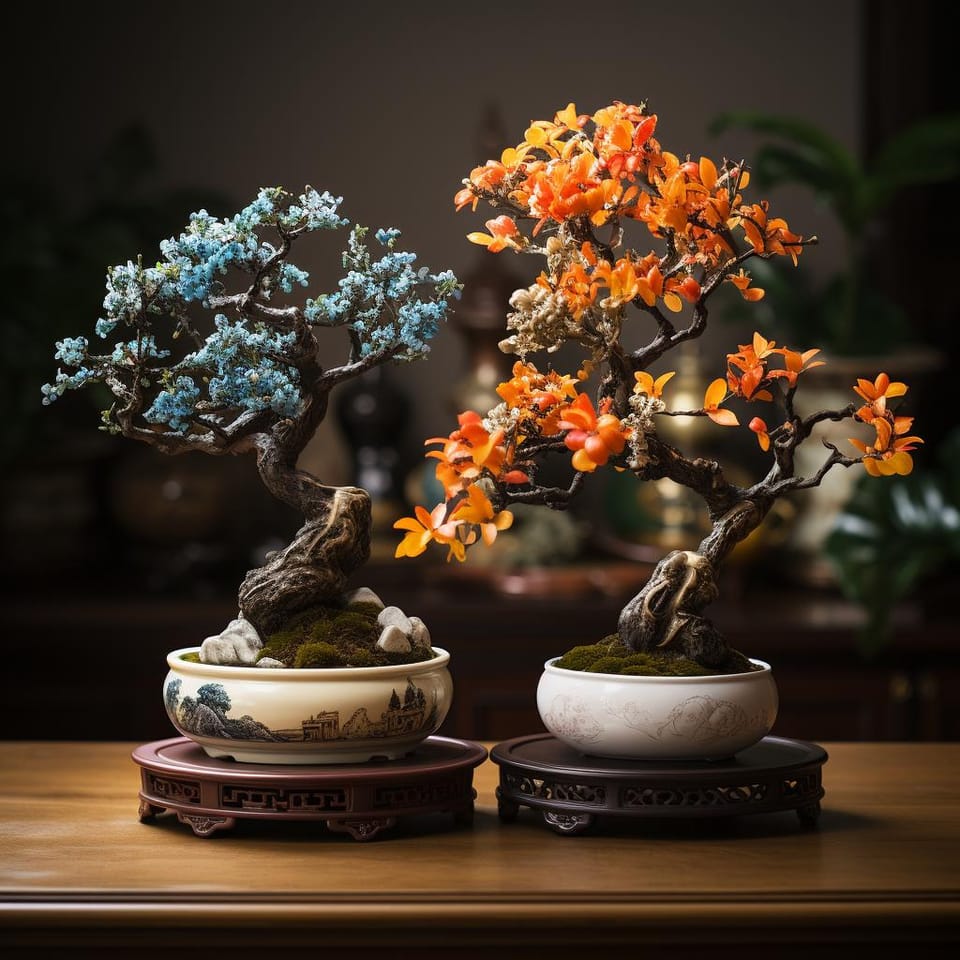

Embarking on a Bonsai Journey: Apple vs Orange Trees 🍏🍊
Ever stood in the middle of a nursery, a bonsai tree in each hand, and thought: "Apple or Orange? Which one's for me?" Well, you're not alone! Choosing a bonsai tree can be a daunting task, especially for beginners. But fear not, this comprehensive Bonsai tree comparison guide is here to illuminate your path.
Today, we're diving into the captivating world of Bonsai Apple and Orange trees. Ever wondered about the origins of these miniature marvels, their unique characteristics, and the secrets to their care? We'll explore all this and more. Whether you're a newbie dipping your toes into the art of growing bonsai trees or a seasoned enthusiast looking to add a new member to your collection, this Bonsai tree guide is your treasure map.
From Bonsai apple tree care to the nuances of nurturing a Bonsai orange, we've got you covered. So, are you ready to embark on this journey of discovery? Bonsai apple vs orange – let the battle of the bonsais begin!
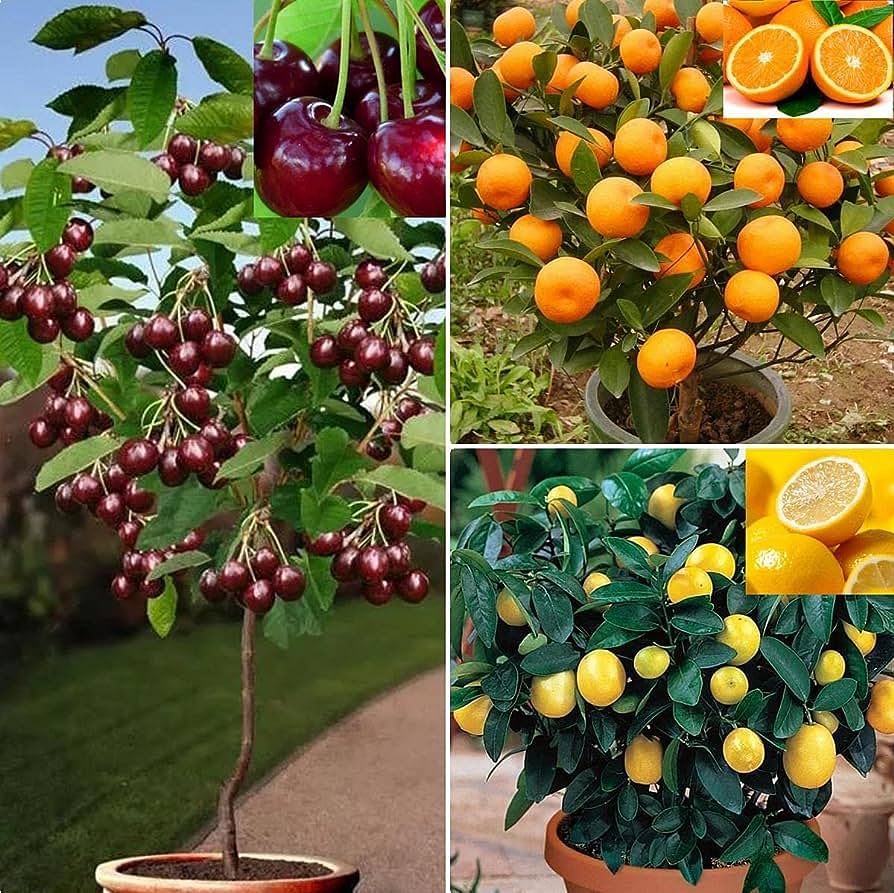
Bonsai Apple Trees: Your Miniature Orchard Awaits 🍎
Let's embark on a journey to the heart of Asia, where the tradition of bonsai originated. In the realm of bonsai, the apple tree holds a special place, its roots deeply entwined with the history of this art form. Originating from Central Asia, these miniature beauties have been cultivated for their fragrant blossoms and sweet, petite apples for centuries.
What makes the bonsai apple tree so unique, you ask? Well, for starters, it's like having a miniaturized version of an apple orchard right in your living room. Imagine the joy of witnessing the cycle of life unfold before your eyes – from the first blush of spring blossoms to the ripening of tiny, succulent apples in autumn. Incredible, isn’t it?
There's a variety to suit every bonsai enthusiast's taste. From the vibrant 'Golden Delicious', with its sun-kissed fruit, to the 'Granny Smith' with its tart, green apples. Each variety has its own charm, offering a different take on the classic bonsai apple tree.
So, in this bonsai tree guide, we'll dive deep into bonsai apple tree care. Whether you're a seasoned gardener or just dipping your toes into the world of bonsai, we've got you covered. Are you ready to grow your own miniature apple orchard?
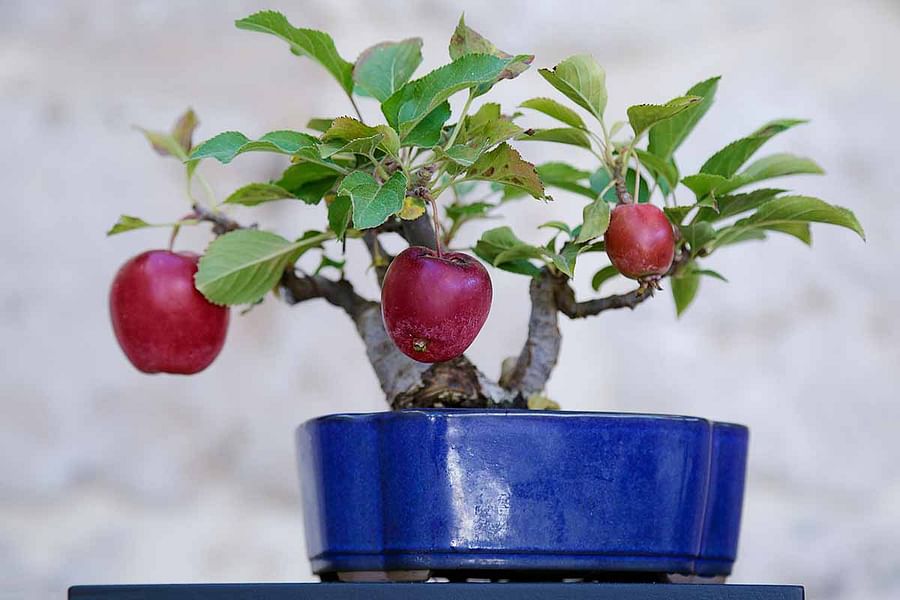
Nurturing Your Bonsai Apple Tree: A Comprehensive Care Guide 🌳
Now that we've understood the origins and characteristics of Bonsai Apple Trees, let's delve into the specifics of how to care for one.
Nurturing Your Bonsai Apple Tree: A Step-by-Step Guide
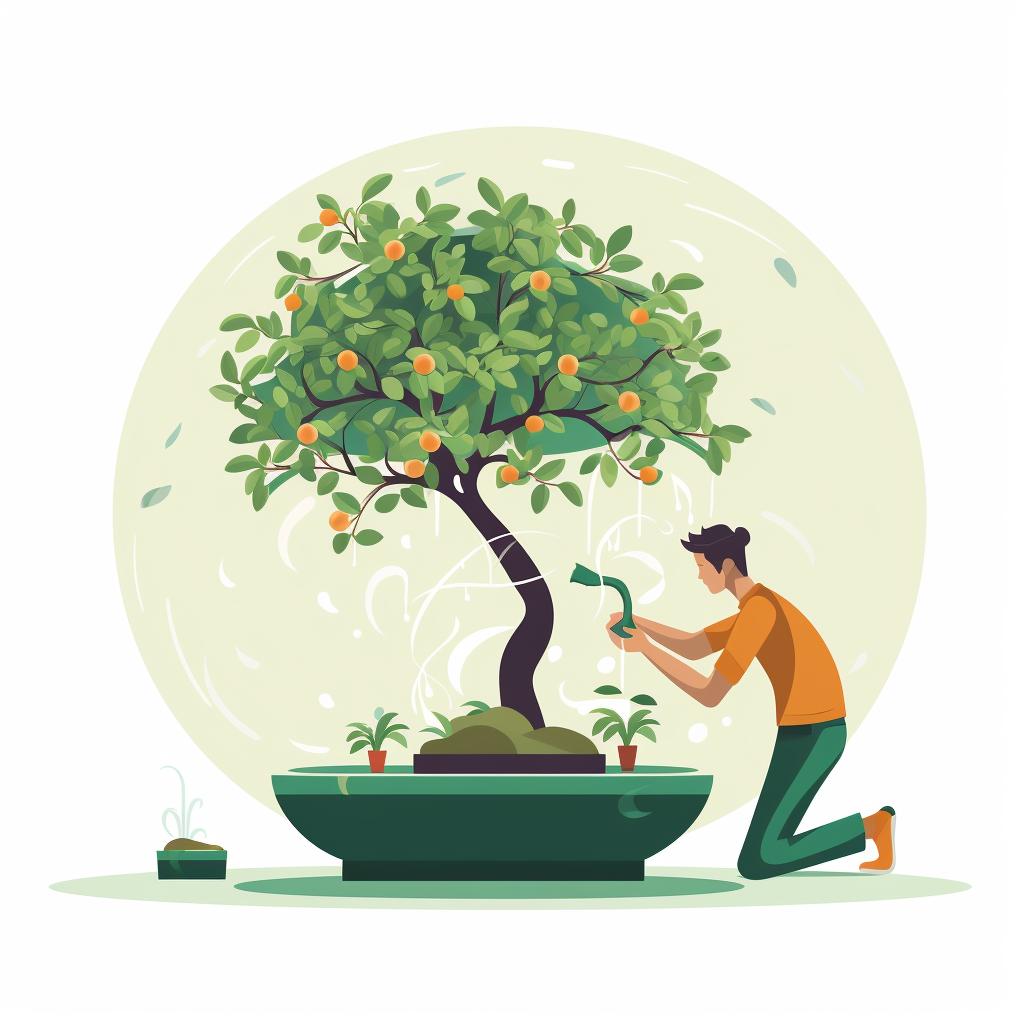

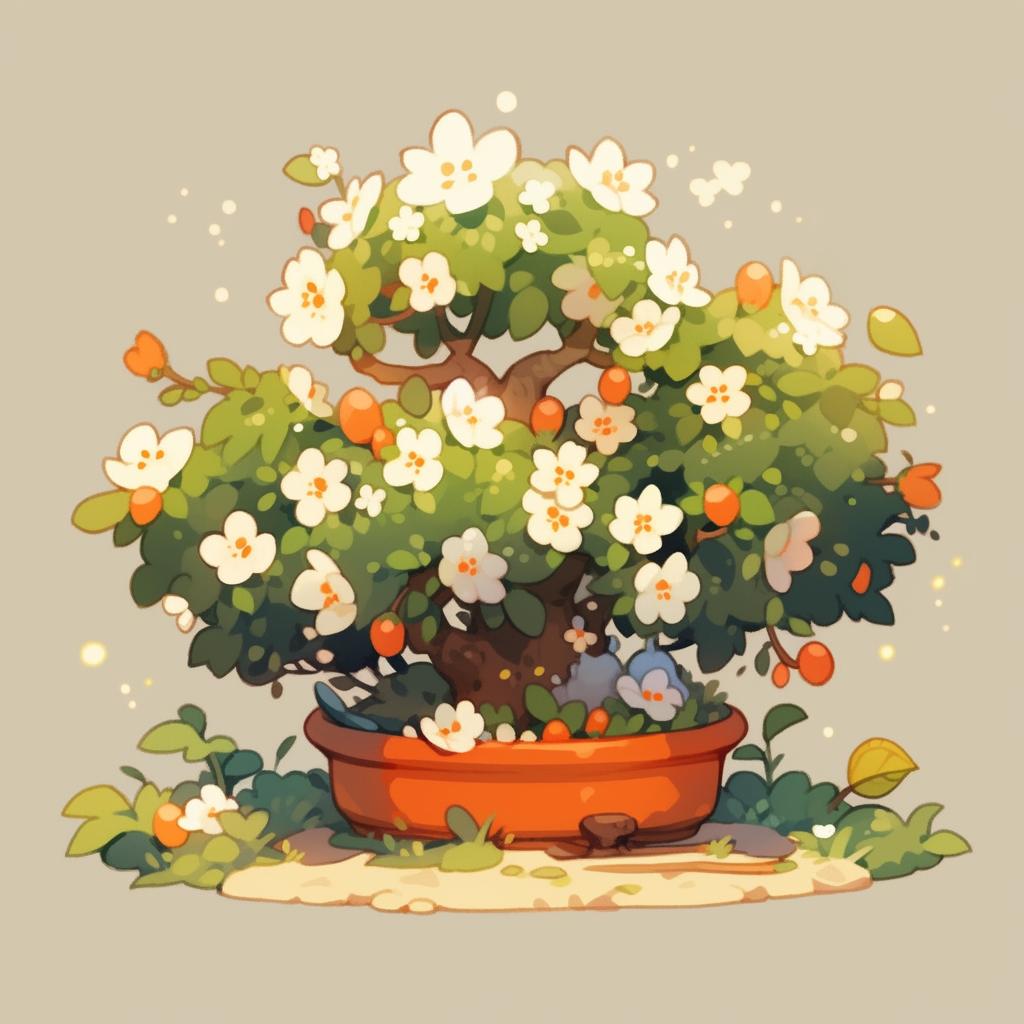
Learn more about 🌳 Nurturing Your Bonsai Apple Tree: A Step-by-Step Guide 🌳 or discover other Bonsai for Beginners guides.
With these steps, your Bonsai Apple Tree should grow healthy and strong. Now, let's move on to some common questions and problems you might encounter while caring for your tree.
Now that we've covered the step-by-step guide to caring for your Bonsai Apple Tree, let's address some common questions and problems you might encounter along the way.
With these FAQs in mind, you're now better equipped to care for your Bonsai Apple Tree. Next, let's move on to understanding Bonsai Orange Trees and their unique characteristics.
Bonsai Orange Trees: A Zesty Addition to Your Collection 🍊
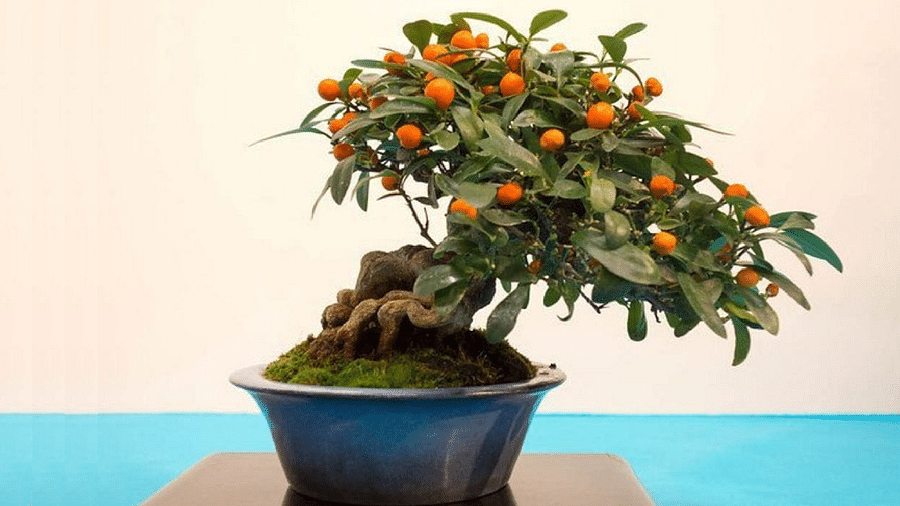
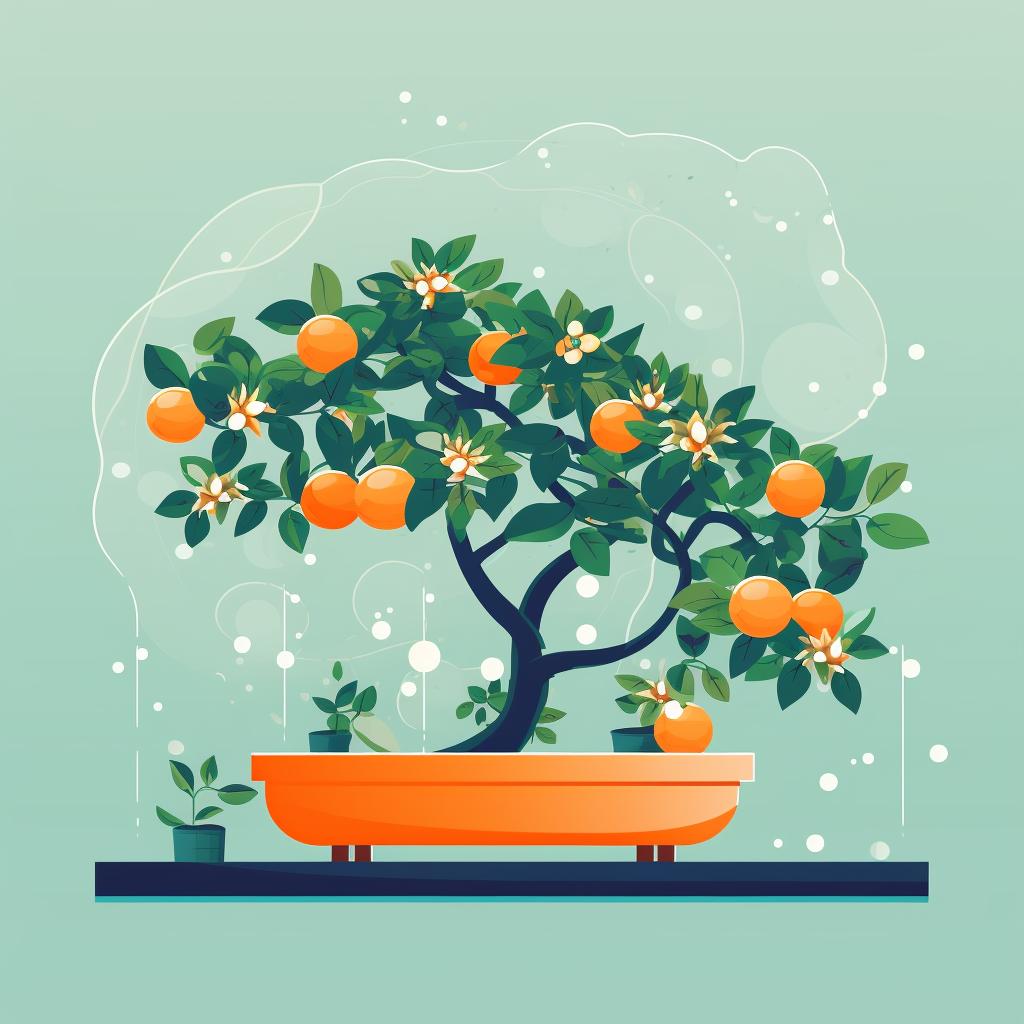
Let's peel back the layers on the Bonsai Orange Tree, a vibrant addition to any bonsai collection. Originating from the lush landscapes of Southeast Asia, these miniature citrus wonders have been a symbol of wealth and prosperity for centuries. Isn't it fascinating how such a grand history can be encapsulated in such a tiny tree?
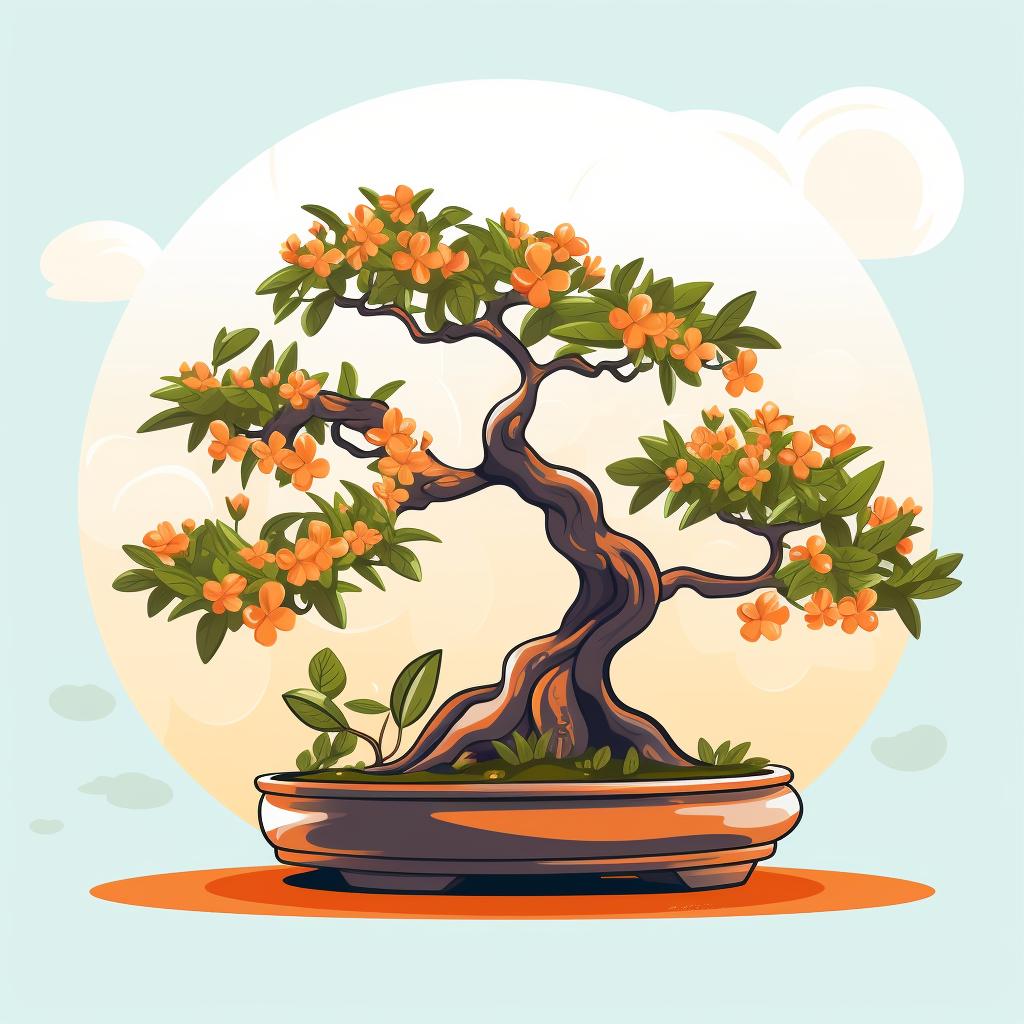
Now, what makes a bonsai orange tree truly unique? Well, unlike their apple counterparts, bonsai orange trees bear fruit all year round, offering a continuous burst of color and a refreshing citrus scent. These trees are also known for their glossy, evergreen leaves, making them a feast for the senses.
When it comes to varieties, you're spoilt for choice. From the popular 'Calamondin Orange' to the rare 'Kumquat', each variety offers a unique combination of size, shape, and fruit characteristics. So, whether you're a seasoned bonsai enthusiast or a beginner dipping your toes into the art of growing bonsai trees, there's a bonsai orange tree just waiting to add a zesty touch to your collection.
So, are you ready to embark on your bonsai orange tree care journey? Or are you still weighing up the bonsai apple vs orange conundrum? Either way, our bonsai tree guide is here to help you make an informed choice.
Cultivating Your Bonsai Orange Tree: A Step-by-Step Care Guide 🌳
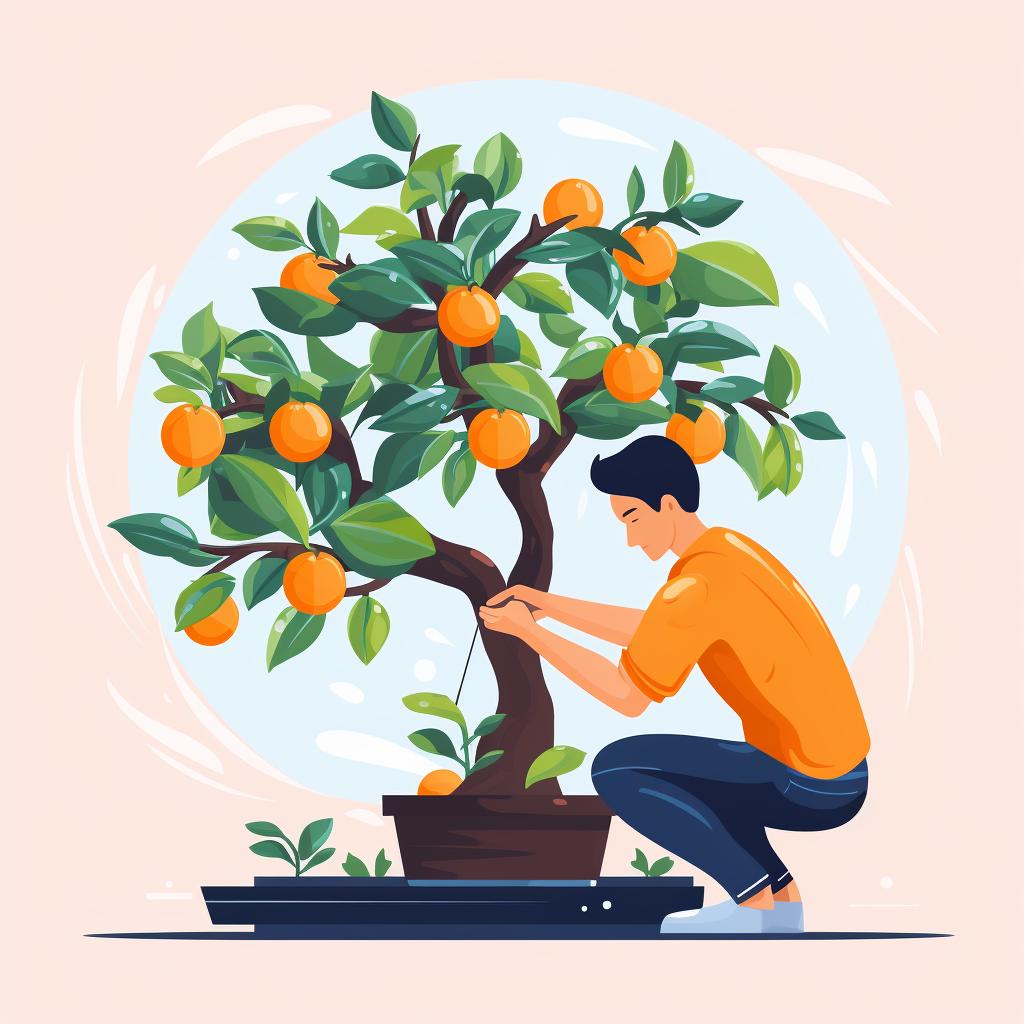
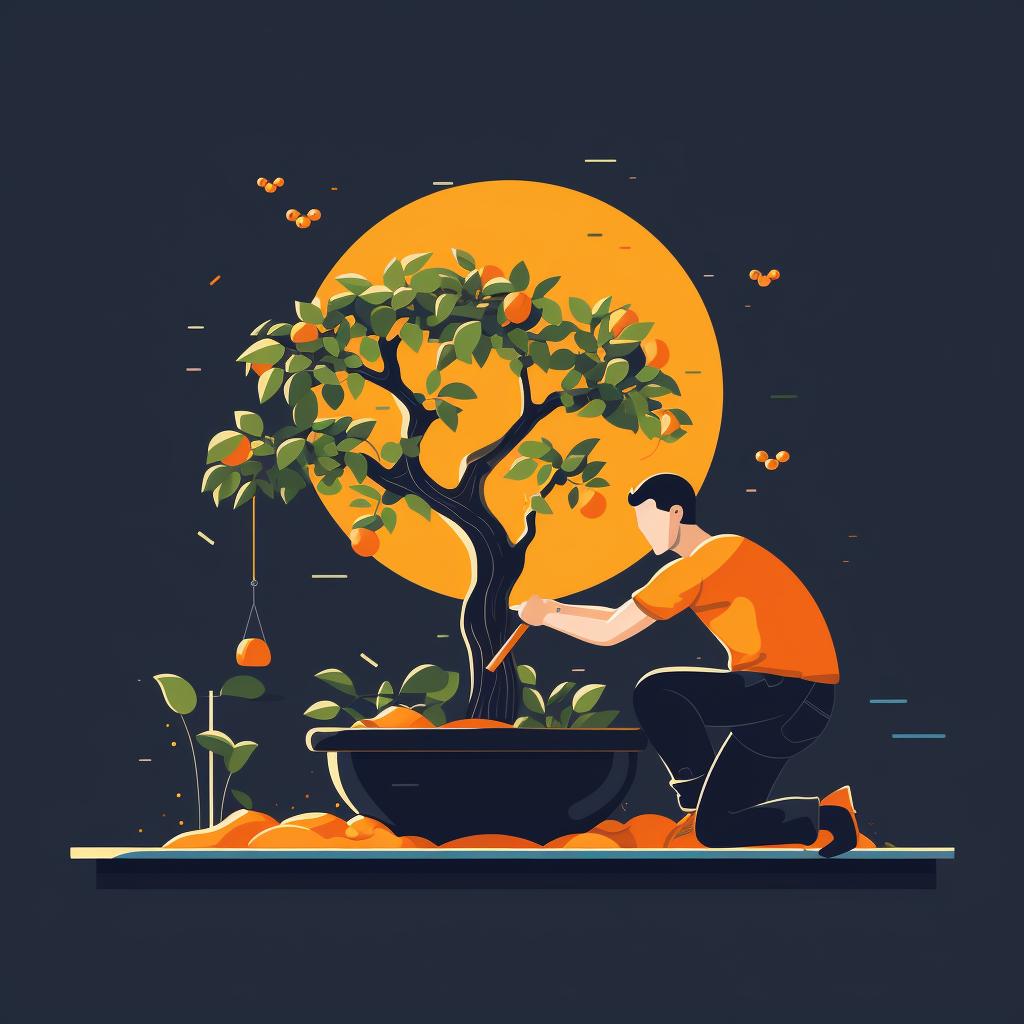
Now that we've gained an understanding of Bonsai Orange Trees, let's delve into how to properly care for them. Follow these steps to ensure your Bonsai Orange Tree thrives.
Nurturing Your Bonsai Orange Tree: A Detailed Care Guide
Learn more about 🌳 Nurturing Your Bonsai Orange Tree: A Detailed Care Guide 🍊 or discover other Bonsai for Beginners guides.
By following these steps, you can ensure your Bonsai Orange Tree remains healthy and vibrant. In the next section, we'll address some common questions and problems you might encounter while caring for your Bonsai Orange Tree.
Now that we've discussed how to care for a Bonsai Orange Tree, let's address some common questions and problems you might encounter while growing one.
With these answers, you should be well-equipped to handle most issues with your Bonsai Orange Tree. Next, let's compare Bonsai Apple Trees and Bonsai Orange Trees to help you decide which one might be the best fit for your home or garden.
Bonsai Showdown: Apple vs Orange – Which Tree Reigns Supreme? 🍏🆚🍊
Let's dive into the heart of this botanical battle: Bonsai Apple Tree vs Bonsai Orange Tree. Which one will rise as the champion in your indoor garden? Will it be the Bonsai Apple Tree, with its charming mini apples and the promise of a delightful spring bloom? Or will the Bonsai Orange Tree, with its vibrant citrus fruit and intoxicating fragrance, win your heart?
Both contenders are exquisite in their own right, but they have different care requirements, growth characteristics, and ideal conditions. So, how do you decide? Do you have a penchant for the crisp, tart apples or the sweet, juicy oranges? Are you prepared for the meticulous pruning of an apple tree, or do you prefer the sun-loving nature of an orange tree?
Our Bonsai tree guide is here to help you make an informed choice. Whether you're a beginner dipping your toes in the world of growing bonsai trees or a seasoned enthusiast looking for a new challenge, this in-depth Bonsai tree comparison will guide you through the journey of choosing a bonsai tree. Let's get started!
Comparative Analysis of Bonsai Apple Tree vs Bonsai Orange Tree
Now that we've compared the Bonsai Apple and Orange Trees in terms of care difficulty, growth rate, sunlight needs, and more, let's address some frequently asked questions to help you make an informed decision.
We hope these answers have provided further clarity on the differences between Bonsai Apple and Orange Trees. As we move towards the conclusion, remember that the choice between these two beautiful trees depends largely on your personal circumstances and preferences.
Final Thoughts: Choosing Your Bonsai Tree Companion 🍏🍊
And so, as the sun sets on our Bonsai battlefield, who emerges victorious? The humble Bonsai apple tree, with its delicate pink blossoms and crisp, miniature fruits? Or the Bonsai orange tree, exuding a radiant aura with its brilliant citrus gems? The answer, my dear reader, is entirely up to you.
Your choice hinges not on some grand proclamation of superiority, but on the subtle nuances of your daily routine, your growing environment, and perhaps, on a more whimsical note, which fruit you prefer to snack on during a lazy afternoon.
With this bonsai tree guide in your arsenal, you're no longer a novice in the realm of bonsai tree care. Whether you choose the path of the bonsai apple or embark on the bonsai orange journey, remember that growing bonsai trees is not just about the destination - each pruning, each watering, is a testament to your patience and care.
So, ask yourself: are you ready to embrace the rewarding challenge of bonsai? Bonsai apple vs orange, which will be your miniature marvel? So, let's step into the world of bonsai, where even the smallest trees stand with grandeur.
Choose wisely, grow passionately, and let your bonsai tree be a reflection of your unique journey.
Which Bonsai Tree Would You Prefer to Grow?
After learning about the unique characteristics and care requirements of both Bonsai Apple and Bonsai Orange trees, which one would you choose for your personal bonsai journey? Share your preference with us!
No comments yet. Be the first to share your thoughts!