

Bonsai for a hotter world
Hotter summers and erratic rain are killing off trees that used to be reliable. If you've lost a Japanese Maple to a week of 100-degree heat, you know the frustration. We have to stop fighting the local weather and start picking trees that actually want to be outside in 2026.
For generations, certain tree types have dominated the bonsai world. Japanese Maples, for instance, are beloved for their vibrant fall color, but they can struggle with prolonged drought or intense heat. The goal isn't to abandon these favorites, but to become more adaptable, incorporating species naturally equipped to handle the climate of 2026 and beyond.
This means looking at trees that demonstrate inherent resilience. Drought tolerance, pest resistance, and the ability to thrive in a wider range of temperatures are becoming increasingly valuable traits. It also means reassessing our care techniques, focusing on strategies that enhance a tree’s ability to cope with environmental pressures. We need to think proactively, not reactively.
This article will explore some of the best bonsai tree types suited for our changing climate. We'll look at both well-known and lesser-known species, providing you with the information you need to choose trees that will not only survive but flourish in the years to come. This isn’t just about finding trees that can live; it’s about finding trees that can thrive.
Junipers are tougher than they look
Junipers are the backbone of a collection that doesn't die when you forget to water for a day. They are tough. Because they naturally grow in rocky, dry spots, they handle the intense sun that scorched my more delicate deciduous trees last year. Plus, they have that twisted, ancient look without much effort.
One of the biggest advantages of Junipers is their drought tolerance. They’ve evolved to thrive in relatively dry environments, and their scale-like leaves minimize water loss. They’re also adaptable to a wide range of soil types, though well-draining soil is always preferred. This flexibility is incredibly beneficial, especially as rainfall patterns become less predictable.
Certain cultivars stand out for their resilience. Juniperus procumbens 'Nana' is a classic groundcover Juniper known for its dense, spreading habit and ability to tolerate full sun. Juniperus squamata 'Prostrata' is another excellent option, offering a similar low-growing form and exceptional hardiness. Both are relatively pest-resistant, further reducing maintenance requirements.
I’ve found that Junipers often require less intervention than other bonsai species. They can handle pruning well, but they don’t demand constant shaping. This is a boon for beginners or anyone looking for a lower-maintenance option. Their ability to back-bud—to produce new growth from older wood—means they can recover readily from mistakes. This makes them incredibly forgiving.
Go native to save time
Often, the most climate-resilient trees are those that are native to your region. These species have already adapted to the local conditions, meaning they are naturally equipped to handle the challenges of the local climate. This reduces the need for intensive care and minimizes the risk of pest or disease problems.
For warmer, wetter climates, Bald Cypress (Taxodium distichum) is a fantastic choice. This deciduous conifer is known for its feathery foliage and its ability to thrive in swampy conditions. It develops a beautiful, textured bark as it ages, and its knees—woody projections from the roots—add a unique character. It's surprisingly adaptable to bonsai culture.
In drier, mountainous regions, Ponderosa Pine (Pinus ponderosa) is an excellent option. This majestic pine is incredibly drought-tolerant and can withstand cold temperatures. Its long needles and reddish-brown bark create a striking visual effect. It's a slower-growing species, but the patience is well rewarded.
I believe people sometimes overlook native trees when considering bonsai. They may assume they aren’t "elegant’ enough, but that"s simply not true. A well-styled native bonsai can be just as captivating as any imported species, and it carries the added benefit of being perfectly adapted to its environment.
- Bald Cypress (Taxodium distichum) - Warm, wet climates
- Ponderosa Pine (Pinus ponderosa) - Dry, mountainous regions
- Eastern White Pine (Pinus strobus) - Moderate climates with cold winters
- American Hornbeam (Carpinus caroliniana) - Tolerates a wide range of conditions
Regional Bonsai Choices
- Zone 3-4 (Hardiness: -40°F to -20°F) - These zones face harsh winters and shorter growing seasons. Consider: Larch (Larix spp.), known for its deciduous nature and cold hardiness; Amur Maple (Acer ginnala), a small maple tolerant of cold climates; Bristlecone Pine (Pinus aristata), exceptionally long-lived and adaptable to poor conditions; Paper Birch (Betula papyrifera), offering beautiful bark.
- Zone 5-6 (Hardiness: -20°F to 0°F) - Moderate cold winters and warmer summers. Options include: American Hornbeam (Carpinus caroliniana), displaying attractive muscle-like bark; Red Maple (Acer rubrum), valued for its vibrant fall color; Eastern White Pine (Pinus strobus), a classic bonsai subject with soft needles; River Birch (Betula nigra), more heat tolerant than Paper Birch.
- Zone 7-8 (Hardiness: 0°F to 20°F) - Mild winters and humid summers. Good choices are: Bald Cypress (Taxodium distichum), a deciduous conifer tolerant of wet conditions; Southern Magnolia (Magnolia grandiflora), offering large, fragrant flowers (requires protection from late frosts); American Beech (Fagus grandifolia), known for its smooth gray bark; Winged Elm (Ulmus alata), a fast-growing elm suitable for bonsai.
- Zone 9-10 (Hardiness: 20°F to 40°F) - Warm winters and hot summers. Consider: Live Oak (Quercus virginiana), a symbol of the South, very resilient; Red Cedar (Juniperus virginiana), adaptable and fragrant; Yaupon Holly (Ilex vomitoria), tolerant of salt spray and drought; Crape Myrtle (Lagerstroemia indica), known for its showy blooms.
- Zone 11-12 (Hardiness: 40°F+) - Tropical and subtropical climates. Suitable species: Buttonwood (Conocarpus erectus), salt-tolerant and fast-growing; Bougainvillea (Bougainvillea spp.), known for its vibrant bracts; Ficus (Ficus spp.), a diverse genus with many bonsai-suitable species; Brazilian Cherry (Eugenia uniflora), offering edible fruit and attractive foliage.
- Zone 4-5 (Hardiness: -30°F to -10°F) - Similar to 3-4, but potentially with slightly warmer summers. Rocky Mountain Juniper (Juniperus scopulorum) is exceptionally hardy; Siberian Larch (Larix sibirica) offers excellent cold resistance; Quaking Aspen (Populus tremuloides) provides beautiful fall color; Serviceberry (Amelanchier alnifolia) is a good choice for smaller bonsai.
- Zone 6-7 (Hardiness: -10°F to 10°F) - Transitional zone with variable conditions. Flowering Dogwood (Cornus florida), though requiring some protection, can thrive; Black Gum (Nyssa sylvatica) offers stunning fall color; Shumard Oak (Quercus shumardii), a strong oak species; Kentucky Coffee Tree (Gymnocladus dioicus), with its unique branching pattern.
- Important Disclaimer: This list is a starting point. Microclimates within zones, soil conditions, and individual tree care significantly impact success. Always research the specific needs of a species and consider your local environment before choosing a bonsai tree.
Ficus: Tropical Resilience
If you live in a warmer climate or are looking for a species that can thrive indoors, Ficus species are an excellent choice. Ficus retusa and Ficus benjamina are particularly popular for bonsai, known for their aerial roots and their ability to adapt to various styling techniques.
Ficus trees are remarkably tolerant of humidity, which is a major advantage in many climates. They also grow relatively quickly, allowing you to develop a styled bonsai in a shorter amount of time. This rapid growth can be a double-edged sword, though, as it requires more frequent pruning.
Potential issues with Ficus include leaf drop, which can be caused by sudden changes in temperature or light. They are also prone to becoming rootbound, so regular repotting is essential. However, these problems are easily mitigated with proper care. I recommend using a well-draining soil mix and providing consistent moisture.
During the warmer months, Ficus trees can be moved outdoors to enjoy the sunlight and fresh air. Just be sure to acclimate them gradually to avoid shocking them. Bringing them back indoors before the first frost will ensure their continued health and vigor.
Olive Trees: Mediterranean Masters
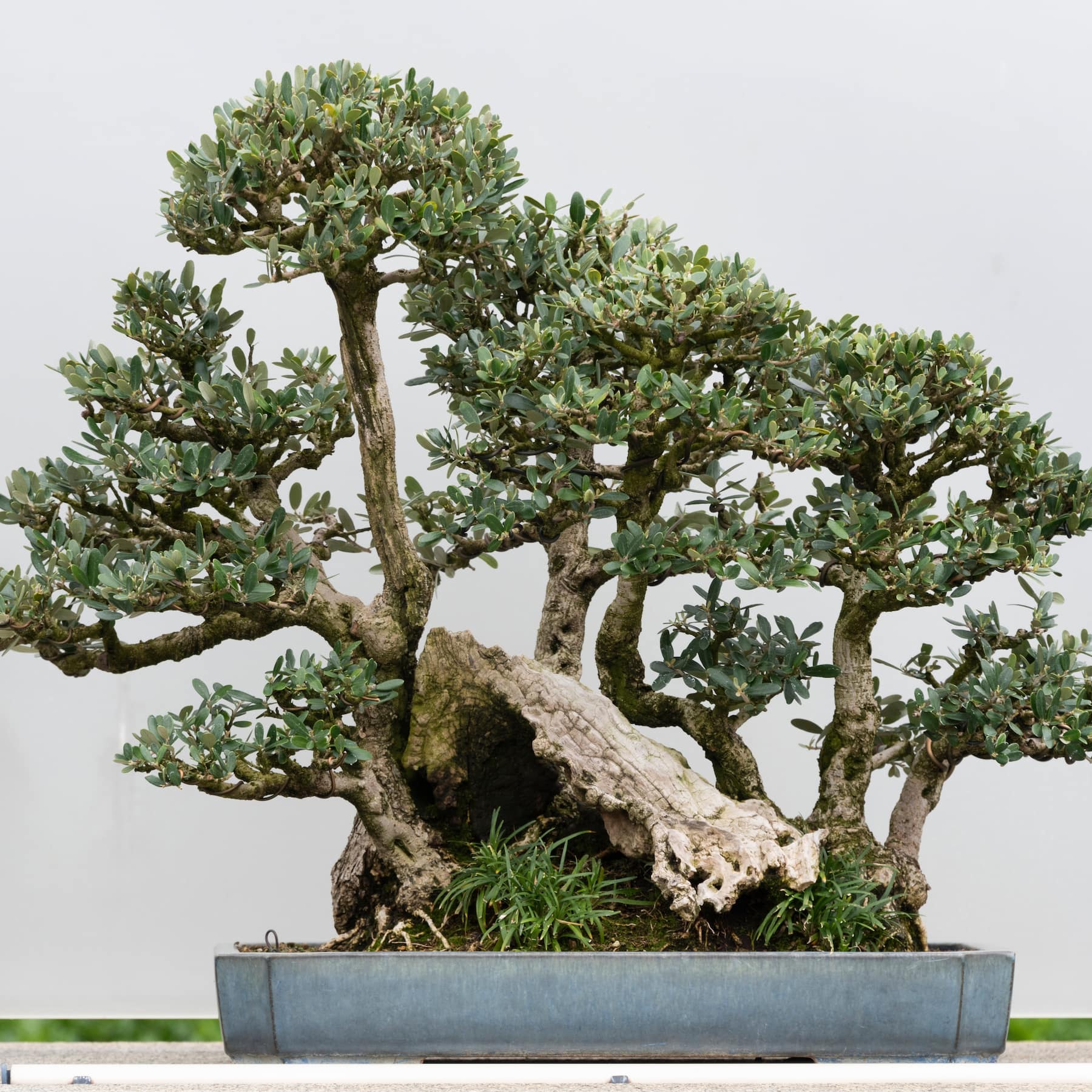
Olive trees (Olea europaea) are a testament to resilience, having thrived in the Mediterranean climate for centuries. Their ability to withstand drought and heat is legendary, making them an ideal choice for areas with similar conditions. The gnarled trunks and silvery foliage of mature olive trees are incredibly appealing for bonsai.
Olive trees are slow-growing, which means they require patience. However, this slow growth also results in dense wood that holds its shape well. Their unique aesthetic—the combination of rugged bark and delicate leaves—is something you won’t find in many other bonsai species.
Proper pruning is crucial for maintaining the shape of an olive tree bonsai. Regular pinching and trimming will encourage branching and prevent the tree from becoming too leggy. Olive trees also benefit from occasional flowering, which adds another layer of beauty to the composition.
Keeping olive trees alive in colder climates requires winter protection. They are not particularly cold-hardy and can be damaged by freezing temperatures. Bringing them indoors or providing a sheltered location is essential. It’s a bit more work, but the rewards are well worth it.
Elm: Adaptable and Forgiving
Chinese Elm (Ulmus parvifolia) is a remarkably adaptable and forgiving species, making it an excellent choice for both beginners and experienced bonsai enthusiasts. It can tolerate a wide range of conditions, from full sun to partial shade, and is relatively pest-resistant.
One of the things I appreciate most about Chinese Elms is their ability to recover from heavy pruning. You can reshape them dramatically without causing lasting damage. This makes them perfect for experimenting with different bonsai styles.
They also have a beautiful bark texture that develops with age, adding to their aesthetic appeal. Chinese Elms can be trained into a variety of styles, including upright, cascade, and windswept. They’re truly versatile.
I’ve found Chinese Elms to be very forgiving for beginners. They’re not as demanding as some other species, and they can tolerate occasional neglect. This makes them a great way to gain experience and confidence in the art of bonsai.
Keeping trees alive in the heat
Beyond choosing resilient species, adapting our care practices is vital. The right soil composition is foundational. Prioritize well-draining mixes that incorporate materials like akadama, pumice, and lava rock. This prevents root rot, a common problem exacerbated by erratic rainfall.
Watering techniques need re-evaluation. Instead of frequent, shallow watering, opt for deep watering less frequently. This encourages deep root growth, making the tree more drought-tolerant. Check the soil moisture before watering—don’t rely on a fixed schedule.
Fertilization also requires adjustment. Slow-release fertilizers are preferable to liquid feeds, as they provide a more consistent supply of nutrients. Avoid over-fertilizing, which can weaken the tree and make it more susceptible to pests and diseases.
Pest and disease management should focus on preventative measures. Regularly inspect your trees for signs of infestation or infection. Encourage beneficial insects that prey on pests. A healthy tree is less likely to be attacked.
- Use well-draining soil mixes
- Water deeply but infrequently
- Apply slow-release fertilizers
- Inspect trees regularly for pests and diseases
Tools and Resources for the Modern Bonsai Enthusiast
Staying informed and equipped is crucial for success. A moisture meter is an invaluable tool for determining when your trees need water. A soil pH tester can help you ensure your soil is providing the right nutrients. Shade cloth can protect your trees from intense sunlight during heat waves.
A watering can with a long spout allows you to deliver water directly to the roots without wetting the foliage. This helps prevent fungal diseases. Invest in high-quality bonsai tools—sharp shears, concave cutters, and wire cutters—to make pruning and styling easier.
There are numerous online bonsai communities where you can connect with other enthusiasts, share tips, and ask questions. Bonsai Empire () and Bonsai Outlet () are excellent resources for information and supplies.
For deeper learning, consider investing in some recommended books. Bonsai Life Lessons by Peter Chan is a great introduction to the art. The Complete Practical Encyclopedia of Bonsai by Ken Norman provides a comprehensive overview of techniques and species. These resources will empower you to create and maintain a thriving bonsai collection, even in a changing climate.
- A moisture meter to check the root ball
- Soil pH tester
- Shade cloth
- Watering can with long spout
- High-quality bonsai tools
Essential Gear for Your Climate-Resilient Bonsai

Monitors temperature and humidity · Remote app control with 164ft range · Stores and exports up to 2 years of data
This hygrometer helps you precisely monitor your bonsai's microclimate, ensuring optimal conditions even with fluctuating external weather.

Durable resin construction · Smart Trak hose guide for organized storage · Water-tight connection prevents leaks
Maintain consistent watering with this reliable hose reel, essential for providing your bonsai the right amount of hydration during unpredictable weather.
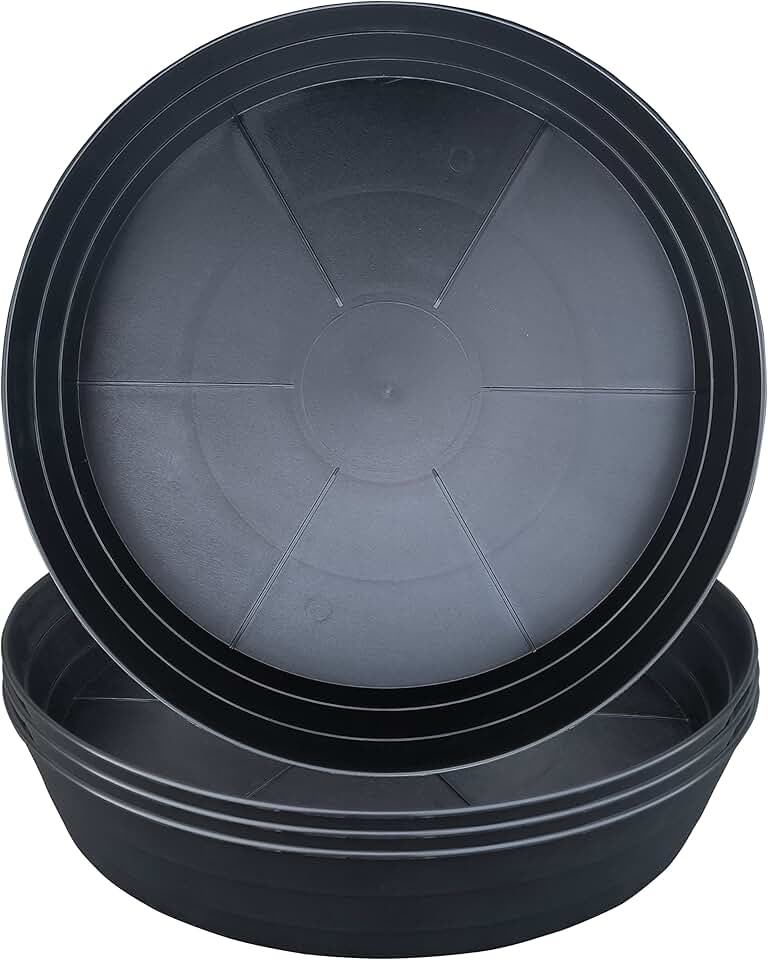
Extra-deep design to hold excess water · Durable plastic construction · Available in multiple sizes
These saucers catch excess water, protecting your bonsai's roots from overwatering during heavy rainfall and preventing water damage to surfaces.

24-inch probe length for deep soil analysis · Measures soil moisture levels accurately · Durable construction for long-term use
This long-reach soil moisture meter allows for accurate assessment of water levels deep within the pot, crucial for adjusting watering during drought or excessive wet periods.
Durable resin construction · Smart Trak hose guide for organized storage · Water-tight connection prevents leaks
Maintain consistent watering with this reliable hose reel, essential for providing your bonsai the right amount of hydration during unpredictable weather.
As an Amazon Associate I earn from qualifying purchases. Prices may vary.
No comments yet. Be the first to share your thoughts!