
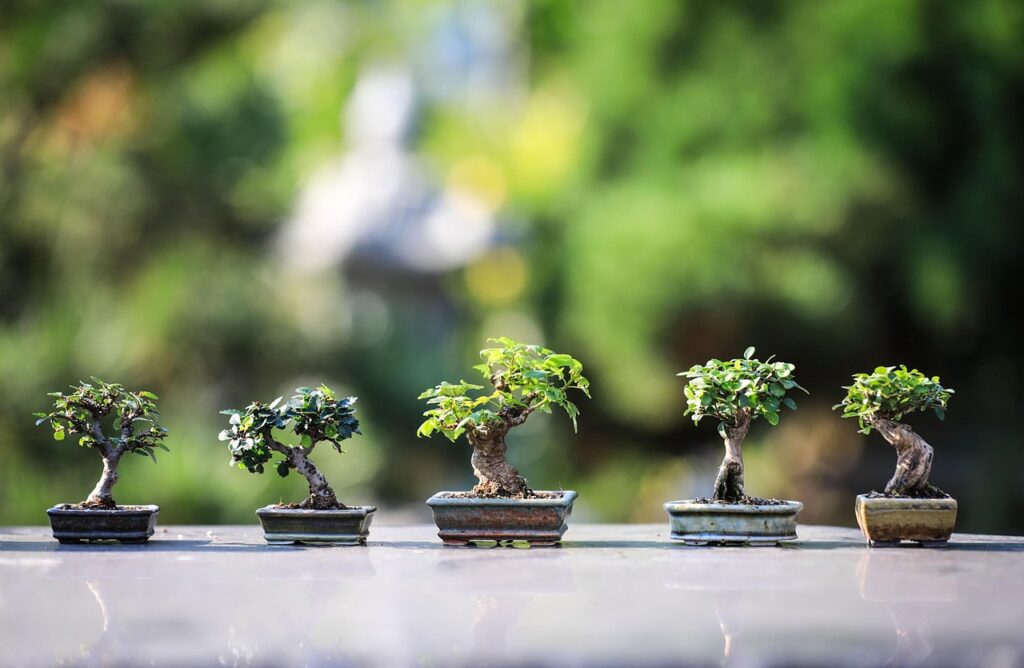

Start with forgiving tree varieties
Bonsai often gets a reputation as a high-stakes hobby, but that reputation applies mostly to temperamental conifers like Junipers. For beginners, the goal is to build confidence, not anxiety. Starting with hardy, deciduous, or tropical species that tolerate inconsistent watering and varying light conditions allows you to learn the basics of pruning and wiring without the constant fear of killing the plant.
Think of these beginner-friendly trees as training wheels. They forgive the occasional forgotten watering session or a spot that isn’t quite perfect. This resilience lets you focus on the art of shaping rather than just survival. The species listed below are widely recommended by experienced bonsai artists for their ability to bounce back from common mistakes.
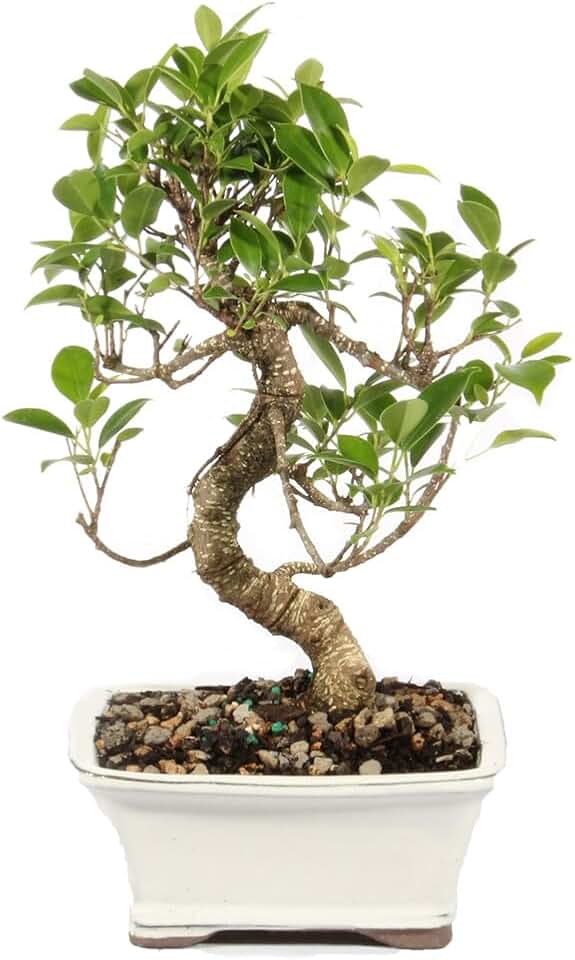
Ficus retusa
The Ficus retusa is the quintessential beginner tree. Native to tropical regions, it thrives indoors and can handle lower humidity levels that would stress outdoor species. Its thick, gnarled trunk develops quickly, giving even young trees an aged, mature look. It tolerates irregular watering better than almost any other bonsai variety, making it ideal for those still figuring out their watering schedule.
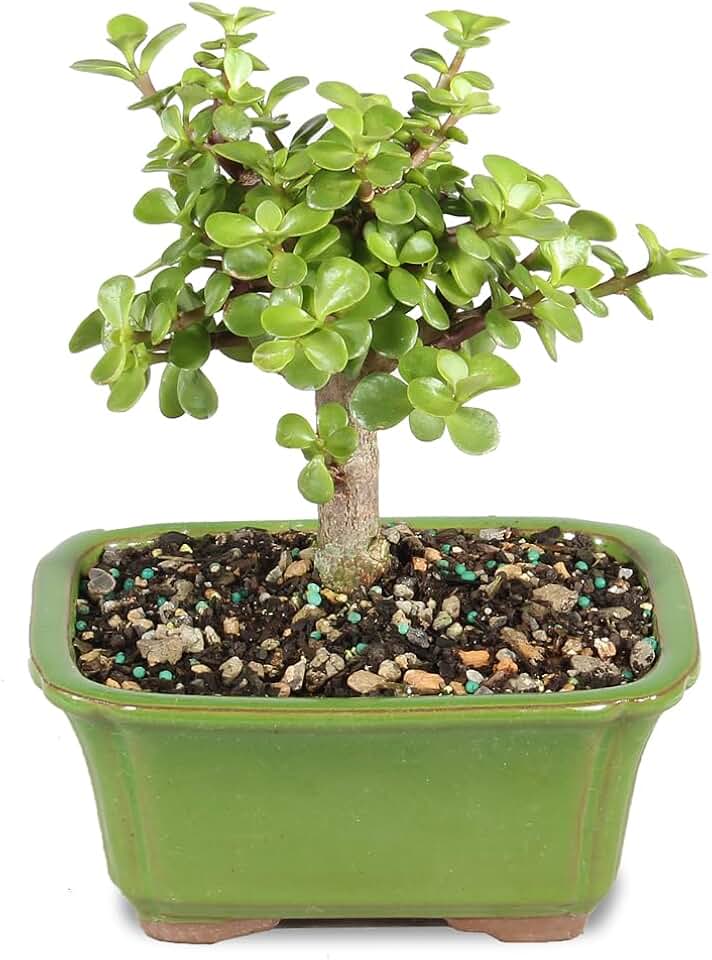
Jade (Crassula ovata)
Jade plants are succulents that make excellent bonsai subjects. They store water in their thick, fleshy leaves, meaning they are far more forgiving of drought than typical bonsai. They prefer bright light but can adapt to indoor conditions. Their compact growth habit and small, glossy leaves require less frequent pruning, allowing beginners to focus on basic styling.
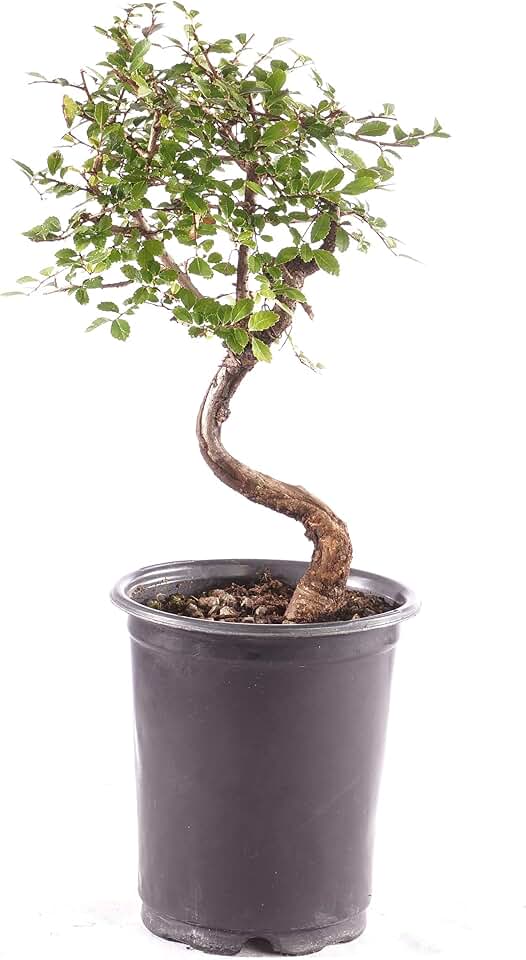
Chinese Elm (Ulmus parvifolia)
If you want the traditional look of a deciduous bonsai, the Chinese Elm is the best choice. It is hardy, adaptable, and can be grown both indoors (with enough light) and outdoors. It drops its leaves in winter, providing a seasonal rhythm to your care routine. Its fine branching structure responds well to beginner-level wiring techniques, helping you practice shaping without permanent damage.
As an Amazon Associate, we may earn from qualifying purchases.
Top 5 beginner-friendly bonsai trees
Choosing your first bonsai tree can feel like selecting a new pet, but it doesn't have to be overwhelming. The right species for a beginner are those that forgive mistakes, recover quickly from neglect, and adapt well to indoor environments. These resilient trees allow you to learn the fundamentals of pruning, wiring, and watering without the stress of a high-maintenance plant dying on you.
Below are five species that consistently rank as the best entry points for new hobbyists. Each option offers a distinct aesthetic, from the delicate foliage of the Juniper to the vibrant red tips of the Chinese Elm. We have curated these picks to ensure you start with plants that thrive in typical home conditions.

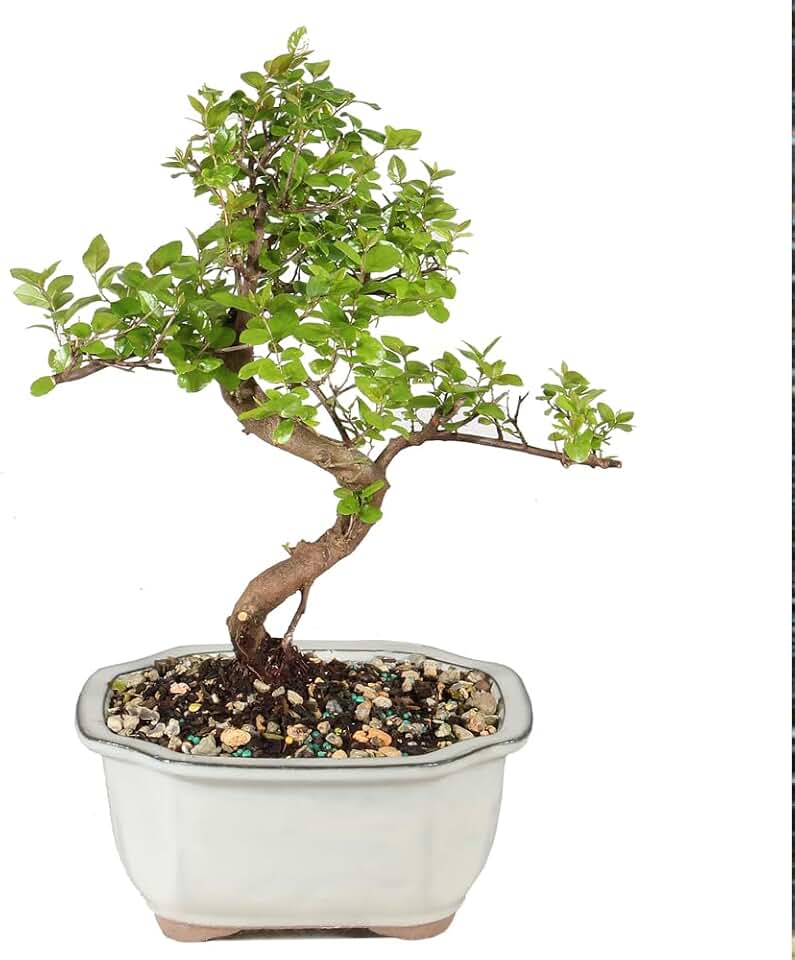
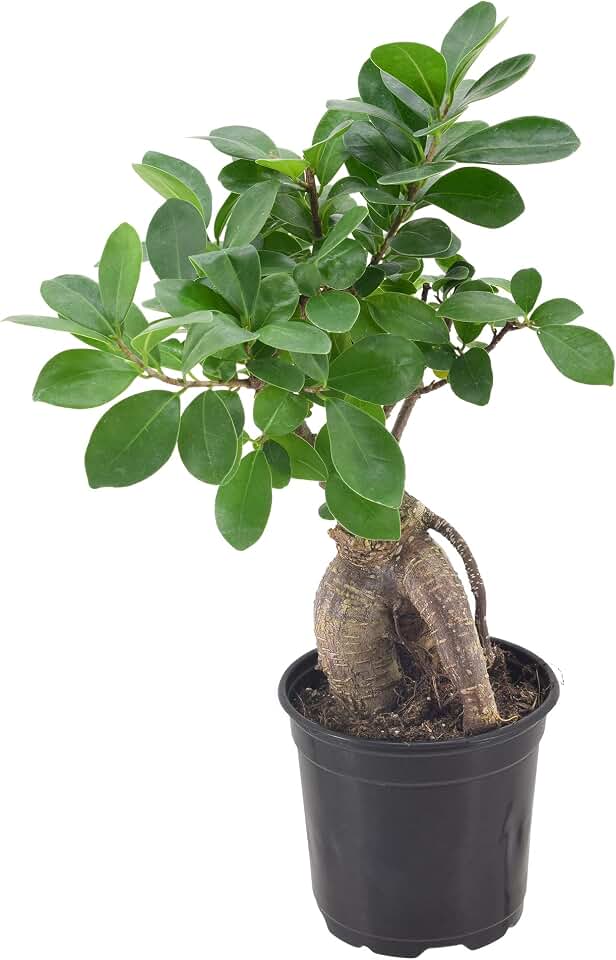


As an Amazon Associate, we may earn from qualifying purchases.
These trees are widely available and come in a variety of sizes, making it easy to find one that fits your space. Whether you prefer the rugged, windswept look of a Juniper or the refined elegance of a Japanese Maple, there is a beginner-friendly option that matches your style. Starting with one of these resilient species will build your confidence and help you develop the essential skills needed for bonsai care.
| Species | Light Needs | Watering Frequency | Difficulty Level |
|---|---|---|---|
| Juniper | Full sun to partial shade | Keep soil moist, not soggy | Easy |
| Chinese Elm | Bright indirect light | Water when top inch is dry | Very Easy |
| Ficus Ginseng | Low to bright indirect light | Water when soil is dry | Very Easy |
| Jade Plant | Bright direct light | Water sparingly | Very Easy |
| Japanese Maple | Partial shade, avoid hot sun | Keep consistently moist | Moderate |
Watering and light basics
Use this section to make the Best Bonsai Trees for decision easier to compare in real life, not just on paper. Start with the reader's actual constraint, then separate must-have requirements from details that are merely nice to have. A practical choice should survive normal use, maintenance, timing, and budget. If a recommendation only works in an ideal situation, call that out plainly and give the reader a fallback path.
-
Verify the basicsConfirm the core specs, condition, and fit before comparing extras.
-
Price the downsideLook for the repair, maintenance, or replacement cost that would change the decision.
-
Compare alternativesCheck at least two comparable options before treating one listing as the benchmark.
Common beginner mistakes to avoid
Even with hardy species like the Ficus retusa or the resilient Schefflera arboricola, a new bonsai can struggle if basic care routines aren't established. The most frequent error is overwatering. Because bonsai pots are small and the soil volume is limited, it is easy to drown the roots by watering on a fixed schedule rather than checking moisture levels.
Tip: Check soil moisture with your finger before watering.
Insert your finger about an inch into the soil. If it feels damp, wait another day. If it feels dry, water thoroughly until water flows freely from the drainage holes. This simple habit prevents root rot, which is the primary cause of death for beginner bonsai trees.
Placement is the second common pitfall. Many beginners place their tree in a corner or on a high shelf where it looks nice but receives insufficient light. Species like the Juniperus procumbens 'Nana' need bright, direct sunlight to maintain their foliage color and density. A dark corner will cause the needles to yellow and drop, leaving the tree looking bare and unhealthy.
Finally, resist the urge to fertilize immediately after bringing a new tree home. Trees often need time to adjust to their new environment. Fertilizing a stressed tree can burn the roots. Wait until you see new growth emerging before starting a regular feeding schedule with a balanced fertilizer.
Frequently asked: what to check next
Bonsai is a rewarding hobby that blends patience with horticultural science. These answers address common concerns for novices starting their journey with low-maintenance species like Schefflera arboricola or Ficus retusa.
What is the rule of 3 in bonsai?
The rule of three is a design principle used to create visual balance. It suggests using three branches, three colors, or three distinct sections in your tree’s composition. This asymmetrical balance feels more natural to the eye than perfect symmetry, which can appear rigid and artificial.
What is the easiest bonsai to start with?
The Schefflera arboricola (Dwarf Umbrella Tree) is widely considered the most forgiving for beginners. It tolerates lower light levels and irregular watering better than many other species. Its small, glossy leaves and sturdy trunk make it an excellent candidate for learning basic pruning and wiring techniques.
What is the one mistake all bonsai beginners make?
Overwatering is the most common error. Bonsai trees are planted in shallow pots with high-drainage soil. When kept too wet, the roots suffocate and rot. Always check the soil surface; water only when the top layer feels slightly dry to the touch, rather than on a fixed schedule.
Is bonsai a difficult hobby?
Bonsai is accessible to anyone willing to learn basic plant care. While mastering advanced styling takes years, keeping a beginner-friendly tree alive is straightforward. Focus on consistent light and proper watering first. As you gain confidence, you can explore more complex species and techniques.
No comments yet. Be the first to share your thoughts!