
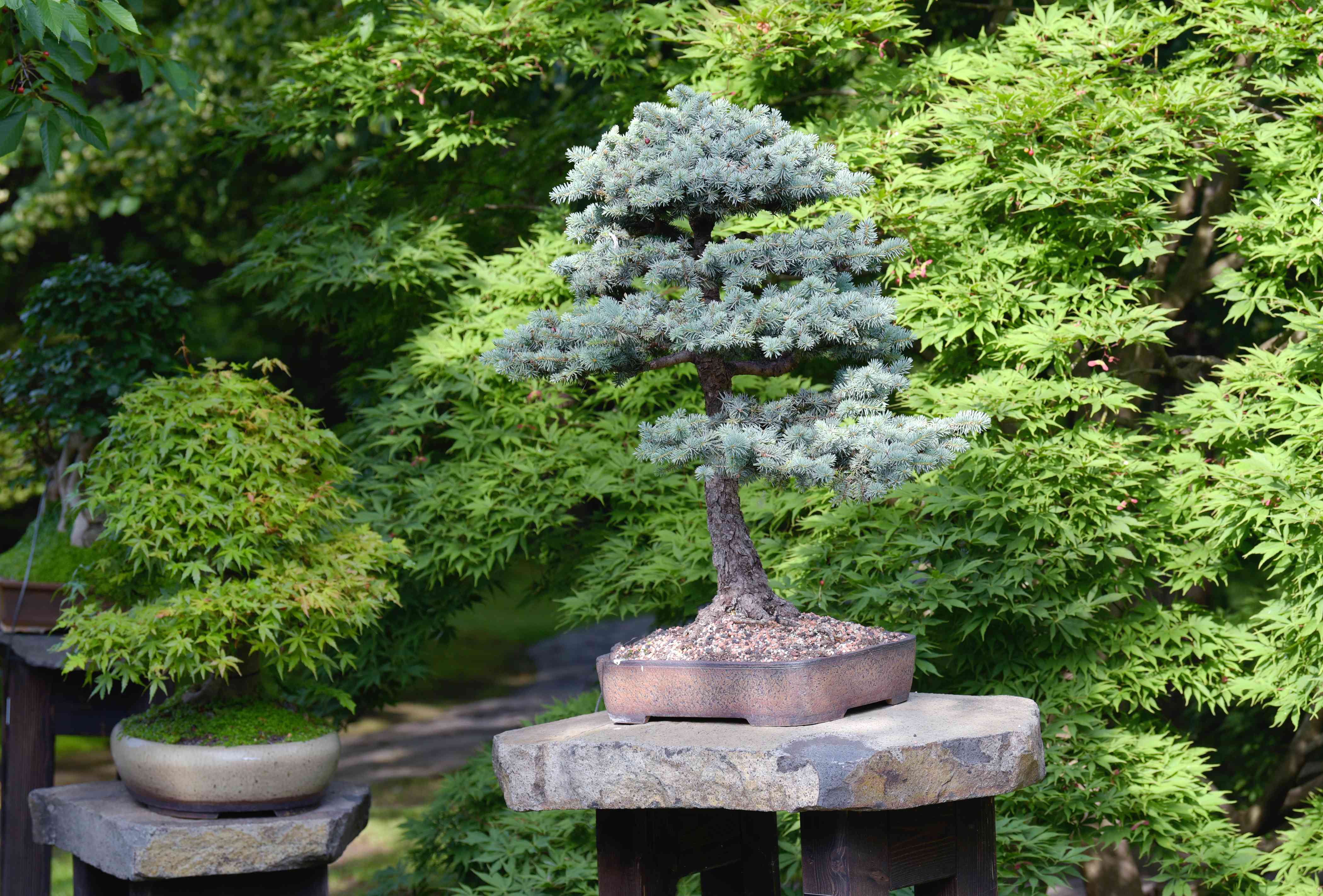

5 Low-Maintenance Bonsai Tree Types for Beginners
Starting your journey with Bonsai for beginners doesn't require a green thumb or hours of daily maintenance. These five resilient species thrive on neglect, making them the perfect low-stress entry point for new collectors.
-

Jade bonsai for indoor resilience
The Jade plant (Crassula ovata) thrives in dry, low-light apartments, making it the ultimate starter tree. Its thick, succulent leaves store water, forgiving irregular watering schedules. This resilience makes Jade bonsai for beginners exceptionally reliable. Place it near a bright window and let the soil dry completely between waterings. The glossy green foliage offers a classic, polished look that requires minimal pruning to maintain its compact, tree-like shape. -

Ficus retusa for humidity tolerance
Ficus retusa handles the dry air of heated homes better than most deciduous trees. Its small, glossy leaves and adaptable root system make it forgiving for novices. This species tolerates occasional neglect, providing a lush canopy even in less-than-ideal conditions. It is an excellent choice for indoor bonsai for beginners who want a traditional look without the stress of precise humidity control. Regular misting helps, but it is not strictly necessary for survival. -
:max_bytes(150000):strip_icc()/types-bonsai-trees-for-beginners-chinese-elm-getty-0723-b2c843ab52ce492da01c883b0059e066.jpg)
Chinese elm for outdoor styling
The Chinese elm (Ulmus parvifolia) is a hardy deciduous option that withstands temperature fluctuations. Its tiny leaves and intricate branching structure create a mature appearance quickly. This tree prefers direct sunlight and consistent moisture, making it ideal for outdoor bonsai for beginners in temperate climates. It drops leaves in winter, offering a seasonal change that teaches patience. Pruning in late winter encourages dense ramification, keeping the tree compact and visually striking year-round. -
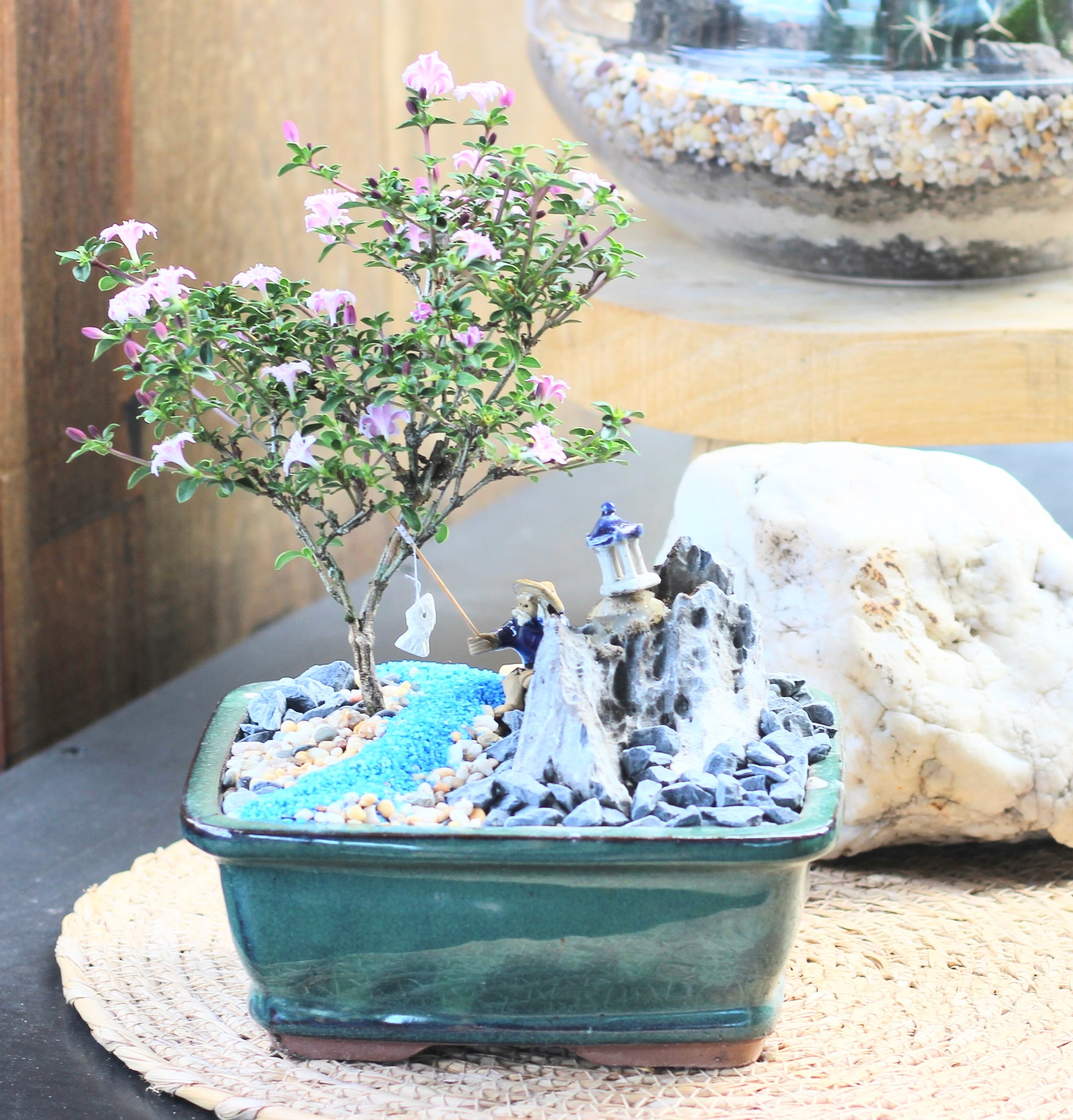
Serissa for delicate flowering
Serissa foetida, or the Snow Rose, produces tiny white or pink flowers that add delicate beauty. It requires bright, indirect light and consistent moisture to thrive. While slightly more demanding than Jade, it remains manageable for dedicated beginners. The small leaves create a fine texture that contrasts well with the trunk. Watch for leaf drop if conditions change abruptly. This tree rewards careful attention with blooms, making it a rewarding project for those ready to advance their skills. -

Juniper for rugged outdoor hardiness
Juniperus species are tough, evergreen choices that endure harsh winters and strong winds. Their rugged bark and needle-like foliage evoke ancient forest trees. These outdoor bonsai for beginners require full sun and well-draining soil to prevent root rot. Pruning and wiring are essential to maintain their distinctive, windswept shape. Junipers are resilient against pests and diseases, making them a sturdy foundation for your collection. Their enduring green color provides year-round interest in any garden setting.
Choosing your first bonsai tree
Selecting a bonsai for beginners is less about finding a magical plant that requires zero attention and more about matching a forgiving species to your lifestyle. The term "low-maintenance" often leads new growers astray; it does not mean the tree thrives on neglect. It means the species is resilient enough to survive occasional missed waterings or slight variations in light, giving you a buffer while you learn the rhythm of the hobby.
Think of your first bonsai as a training wheels bicycle. You are not buying it to win a race; you are buying it to learn how to balance. Trees like the Ficus or the Jade are excellent because they tolerate the inconsistent care habits common in new owners. They forgive the occasional dry soil or the temporary move to a darker corner of the room. This resilience allows you to focus on the basics—watering, light, and patience—without the constant anxiety of killing a delicate specimen.
When evaluating options, prioritize hardiness over rarity. Avoid exotic imports that require specific humidity chambers or precise temperature controls. Instead, look for widely available nursery stock that has already been adapted to indoor conditions. A healthy, well-established tree from a reputable source will bounce back from mistakes far better than a fragile, newly imported specimen. Your goal is to build confidence through small successes, and that starts with choosing a partner that is willing to grow with you.
Once you understand that resilience is your primary criterion, you can confidently explore the specific species that thrive in typical home environments. The following sections highlight five tree types that offer the best balance of forgiveness and aesthetic reward for those just starting their journey.
Essential bonsai care basics
Starting with bonsai for beginners is less about complex horticulture and more about understanding the unique container environment your tree lives in. Because the roots are restricted, these miniature trees dry out faster and require more attention than full-sized plants. The good news is that the core requirements for light, water, and soil are consistent across the most beginner-friendly species like Jade, Ficus, Elm, and Serissa.
Think of the bonsai pot as a small aquarium for roots. It holds a limited amount of water and nutrients, meaning you cannot rely on the soil to buffer you against mistakes. If you let it dry out completely, the fine feeder roots will die quickly. If you keep it soggy, those same roots will rot. Finding that balance is the primary skill you will develop.
To help you visualize the slight differences in needs between these four popular starter trees, here is a quick comparison of their daily requirements.
| Tree Type | Light Needs | Watering Frequency | Humidity Preference |
|---|---|---|---|
| Jade | Bright direct sun | Every 1-2 weeks | Low to moderate |
| Ficus | Bright indirect or direct | When top inch is dry | Moderate |
| Elm | Bright indirect | Keep consistently moist | High |
| Serissa | Bright indirect | Keep consistently moist | High |
The soil you choose acts as the foundation for this balance. A standard houseplant mix holds too much water and will suffocate bonsai roots. You need a gritty, well-draining mix that allows water to flow through quickly while still retaining enough moisture for the roots to drink. This is why specialized bonsai soil is not just a marketing gimmick; it is a functional necessity for keeping bonsai for beginners alive and healthy.
Once you have the right soil and a pot with drainage holes, the rest is routine. Check your tree daily by touching the soil. If it feels dry an inch down, it is time to water. With these basics in place, your bonsai will have the foundation it needs to thrive.
Common beginner mistakes to avoid
Starting with Bonsai for beginners is exciting, but early setbacks often come from simple care errors rather than bad plants. The two most frequent pitfalls are overwatering and placing the tree in the wrong environment.
Overwatering is the number one killer of young bonsai. It suffocates the roots, leading to rot that is often irreversible. Instead of watering on a fixed schedule, check the soil moisture daily. Insert your finger an inch into the soil; if it feels damp, wait. If it feels dry, water thoroughly until it drains from the bottom. This habit ensures the roots get the oxygen they need while staying hydrated.
Location matters just as much as water. Many beginners keep bonsai indoors for convenience, but most varieties need bright, direct outdoor light and seasonal temperature changes to thrive. If you must keep a tree indoors, place it in the sunniest window possible and rotate it weekly for even growth. Avoid placing trees near heating vents or air conditioners, which create dry, unstable microclimates.
Frequently asked: what to check next
Helpful gear
Use these product recommendations as a starting point, then choose the size, material, and price point that fit how you actually use the gear.



As an Amazon Associate, we may earn from qualifying purchases.
No comments yet. Be the first to share your thoughts!