

Why starting with easy bonsai matters
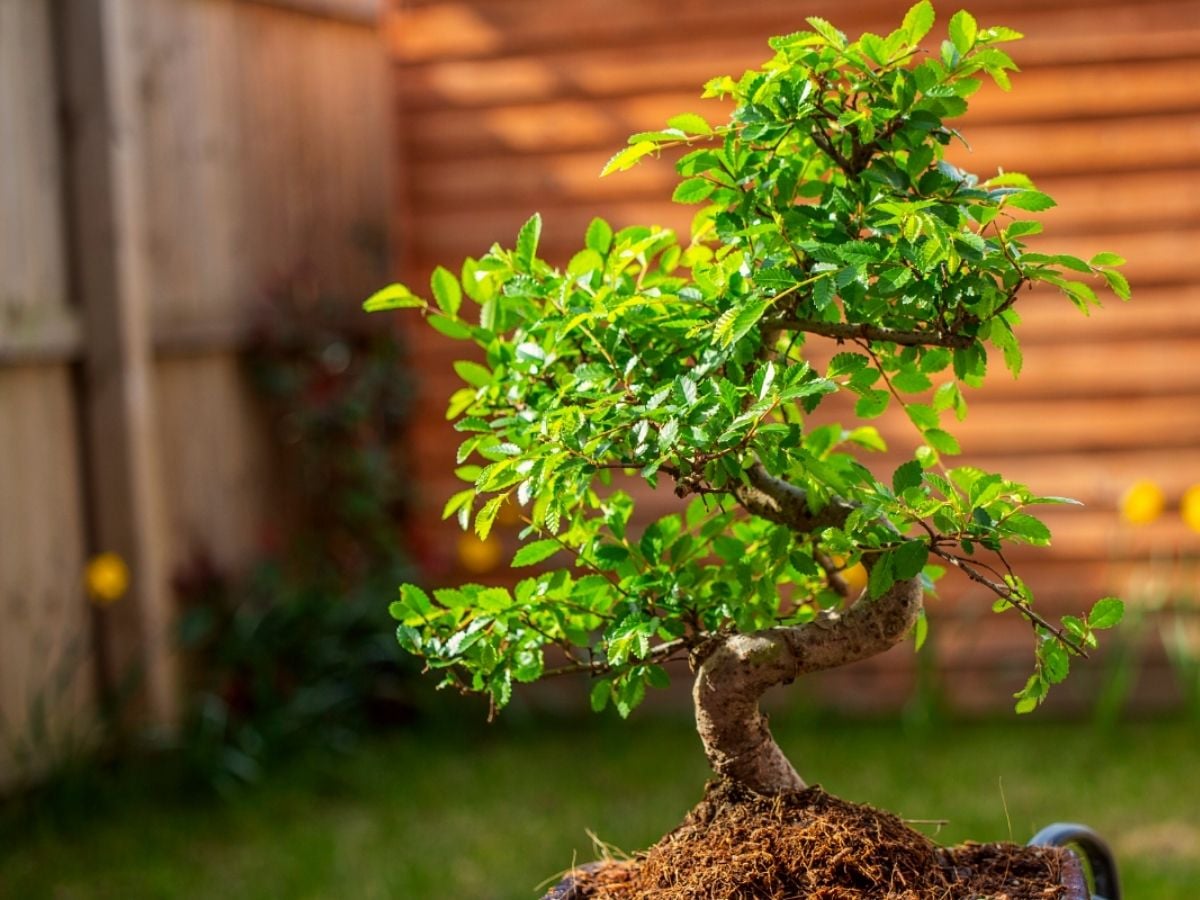
Bonsai is often misunderstood as an elitist art form reserved for patient masters and decades of practice. In reality, it is simply a way to enjoy miniature trees indoors or on a patio. The hobby is accessible to anyone willing to learn a few basic care habits. The single biggest factor in beginner success is not talent or expensive tools, but choosing the right tree species.
Starting with resilient, forgiving varieties changes the experience from frustrating to rewarding. These "easy" bonsai trees tolerate occasional neglect, adapt to indoor lighting, and recover well from beginner mistakes. They allow you to focus on the joy of shaping and observing growth rather than constantly fighting for survival.
Selecting low-maintenance bonsai for beginners ensures you build confidence quickly. When your first tree thrives, you’ll naturally want to learn more about wiring, pruning, and repotting. Starting simple prevents burnout and keeps the hobby fun.


As an Amazon Associate, we may earn from qualifying purchases.
5 Easy Bonsai Trees for Beginners: Low-Maintenance Picks for 2026
Mastering the art of bonsai doesn't require years of experience or a green thumb; it starts with choosing the right species. We've curated five resilient, low-maintenance trees that thrive in beginner hands, ensuring your 2026 collection is both beautiful and effortless to care for.
1. Ficus Retusa Ginseng
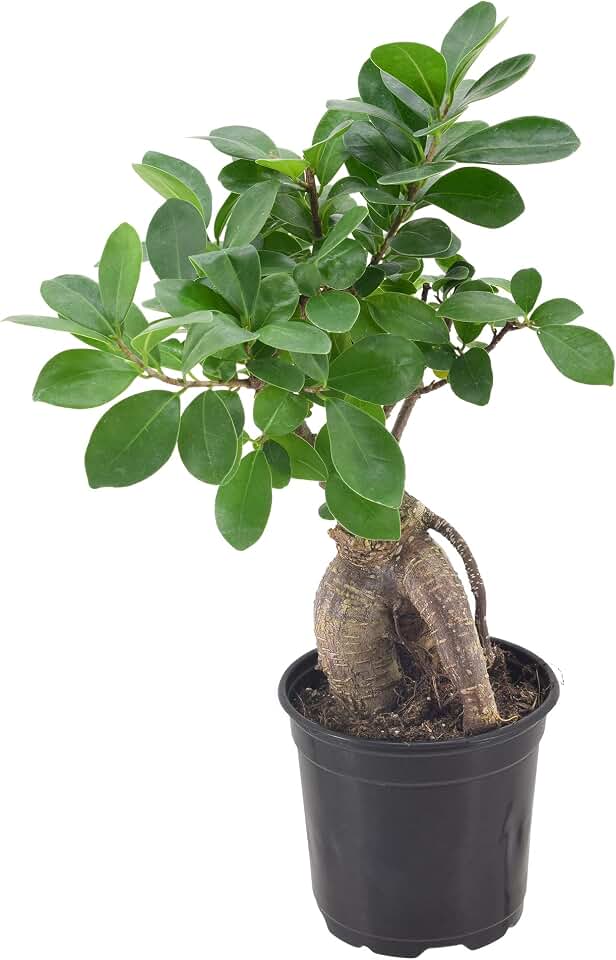
This bonsai features a thick, exposed root base resembling a ginseng root, making it visually striking and forgiving for novices. It thrives in bright indoor light and tolerates irregular watering better than most species. The glossy green leaves provide a lush, tropical appearance that remains manageable with minimal pruning, ensuring a healthy start for new growers.
2. Jade Plant Crassula
Often called the money plant, this succulent bonsai stores water in its thick, oval leaves, reducing watering frequency significantly. It prefers bright, indirect light and well-draining soil, making it ideal for busy beginners. Its woody stems develop a tree-like structure quickly, offering a classic bonsai aesthetic with minimal effort and high resilience against neglect.

3. Chinese Elm Ulmus
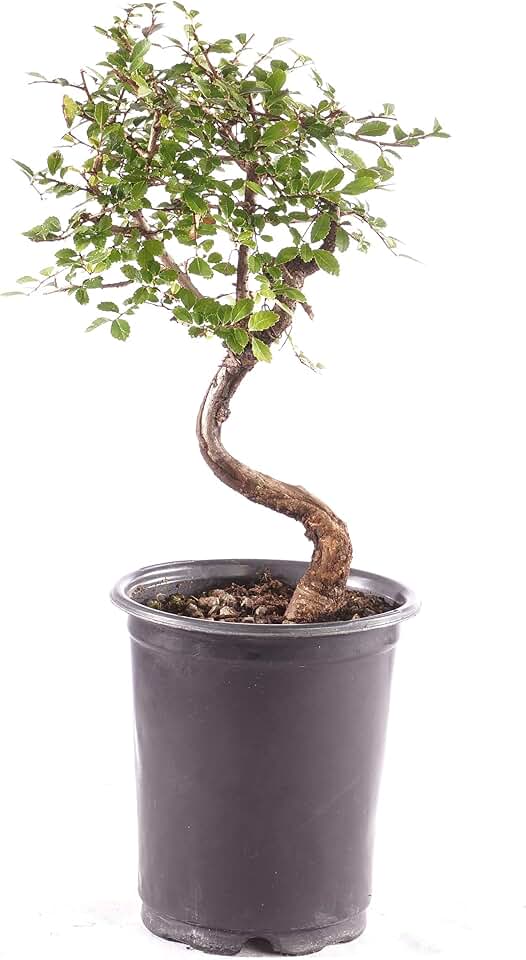
The Chinese Elm is a versatile deciduous option that adapts well to both indoor and outdoor settings depending on your climate. It features small, serrated leaves and a rugged bark texture that ages beautifully over time. This species responds well to wiring and pruning, allowing beginners to experiment with classic bonsai styling techniques without the tree becoming overly stressed.

4. Serissa Foetida
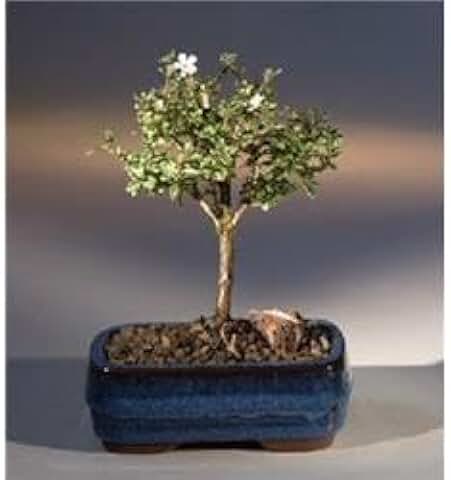
Known as the Snow Rose, this delicate shrub produces tiny white flowers and fine foliage that creates a dense, cloud-like canopy. It requires consistent moisture and bright light but rewards care with seasonal blooms. Its small leaves make it an excellent choice for beginners wanting to practice detailed pruning and wiring techniques on a miniature scale.
5. Chinese Privet Ligustrum
This hardy shrub offers rapid growth and small, oval leaves that are perfect for beginners practicing clip-and-grow techniques. It tolerates a wide range of conditions and can be kept outdoors in mild climates or indoors in cooler regions. Its flexibility allows for creative shaping, making it a robust and forgiving choice for those new to bonsai cultivation.

Indoor versus outdoor bonsai choices
The single most common reason beginner bonsai fail is a mismatch between the tree’s natural habitat and the home environment. Treating an outdoor species like a houseplant is a fast track to losing the tree. Conversely, forcing a true indoor species outside in winter will freeze it. To succeed with bonsai for beginners, you must first identify whether your tree is designed for the outdoors or the indoors.
Outdoor bonsai are hardy trees that require a full seasonal cycle. They need to experience winter dormancy to rest and reset for spring growth. Most outdoor varieties, including pines, maples, and junipers, must go outside year-round, even in cold climates where they may need insulation or protection from harsh winds. They thrive in bright, direct sunlight and tolerate temperature drops that would kill an indoor plant.
Indoor bonsai are tropical or subtropical species that cannot survive freezing temperatures. Ficus and Jade bonsai are popular choices because they tolerate the stable, dry conditions of a heated home. These trees need bright, indirect light and consistent warmth. They do not need a dormancy period, but they do require higher humidity than most homes provide, often necessitating a pebble tray or regular misting.
This comparison clarifies the core differences to help you select the right tree for your space.
| Feature | Outdoor Bonsai | Indoor Bonsai |
|---|---|---|
| Light Needs | Full sun (6+ hours direct) | Bright, indirect light |
| Winter Care | Must go outside; needs dormancy | Keep indoors; no dormancy |
| Temperature | Tolerates freezing cold | Requires warmth (above 50°F) |
| Humidity | Natural outdoor humidity | Needs increased humidity |
| Common Species | Juniper, Pine, Maple | Ficus, Jade, Elm |
Whether you choose a hardy outdoor pine or a resilient indoor ficus, matching the tree to your environment is the foundation of long-term care. Once you have selected a species that fits your light and temperature conditions, you can focus on the specific watering and pruning routines that keep your bonsai healthy.


As an Amazon Associate, we may earn from qualifying purchases.
Essential care basics for new owners
Bonsai is not a difficult hobby, but it does require a shift in mindset. You are not caring for a houseplant; you are managing a living tree that is confined to a small pot. The most important thing to remember is that your bonsai is a living organism that changes and grows, requiring consistent interaction. If you treat it like a static decoration, it will decline. If you give it the right balance of light, water, and soil, it will thrive.
Light: The Energy Source
Light is the engine of your bonsai’s health. Most beginner-friendly species, such as the Jade or Ficus, need bright, indirect light. A south-facing window is ideal, but if the light is too harsh, use a sheer curtain to diffuse it. Avoid placing your tree in dark corners; without sufficient sunlight, the leaves will drop, and the tree will weaken. Rotate the pot every few weeks to ensure even growth.
Watering: The Golden Rule
Watering is where most beginners struggle, but the rule is simple: water when the soil feels dry to the touch. Do not water on a strict schedule (e.g., "every Monday"); instead, check the moisture level daily. Insert your finger about an inch into the soil. If it’s dry, water thoroughly until water runs out of the drainage holes. If it’s damp, wait. Overwatering is the fastest way to kill a bonsai by causing root rot.
Soil: Drainage is Key
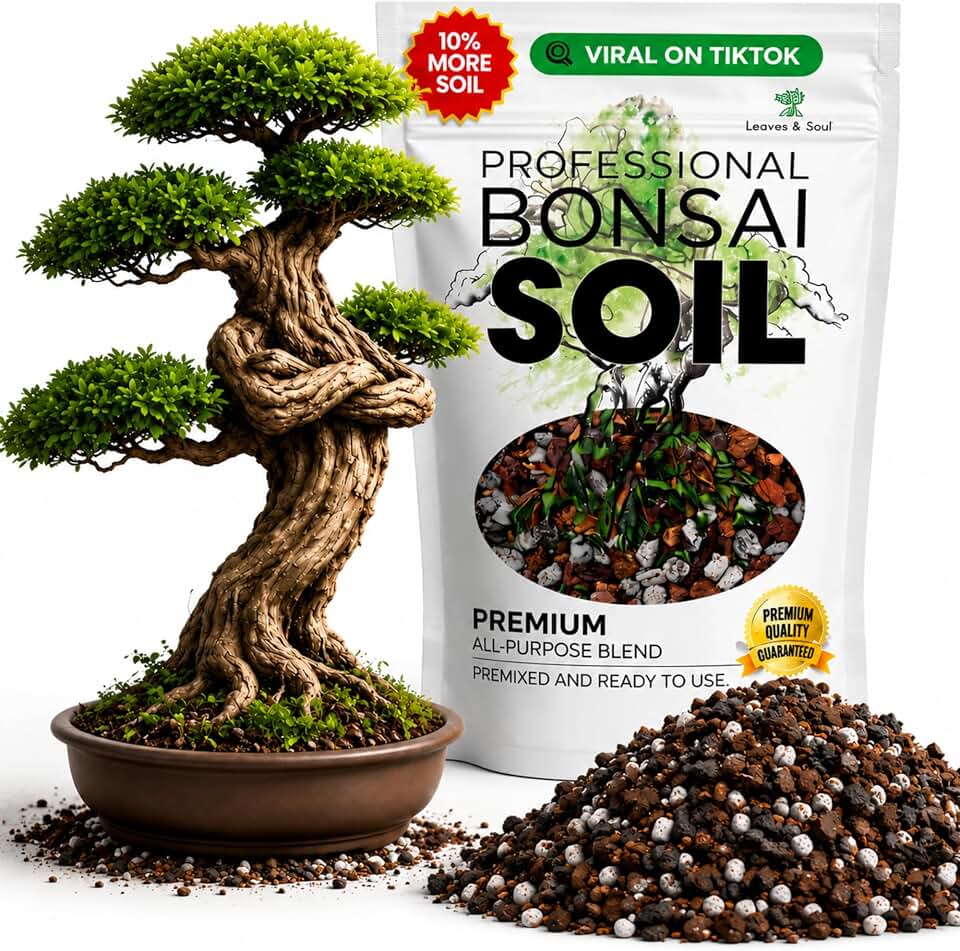
Standard garden soil is too dense for bonsai. It holds too much water and suffocates the roots. You need a well-draining bonsai soil mix, typically containing akadama, pumice, and lava rock. This mix allows water to flow through quickly while retaining enough moisture for the roots. When repotting, ensure the pot has adequate drainage holes to prevent water from sitting at the bottom.
Quick Care Checklist
Use this simple checklist to keep your bonsai on track:
- Daily: Check soil moisture before watering.
- Weekly: Rotate the pot for even light exposure.
- Monthly: Inspect for pests and prune as needed.
- Seasonally: Repot if roots are circling the bottom.
Recommended Soil and Tools
Having the right supplies makes care easier. Here are some essential items for beginners:


As an Amazon Associate, we may earn from qualifying purchases.
Common beginner mistakes to avoid
Even low-maintenance bonsai for beginners need consistent care. The most common reason new trees die is overwatering. Beginners often treat bonsai like houseplants, filling the pot with water because the soil looks dry on top. Bonsai soil drains fast; you should water only when the surface feels slightly dry to the touch. Check the weight of the pot—it should feel light when it needs water.
Light is the second trap. Many people place their bonsai in dim corners, thinking it’s safer. Most beginner-friendly species, like Ficus or Jade, need bright, indirect light. Without enough sun, the leaves turn yellow and drop. Keep the tree near a window where it gets plenty of light but not scorching midday sun.
Avoid styling your tree too soon. Beginners often rush to wire and prune new acquisitions. Let the tree settle in its new pot for at least a year before heavy styling. This gives the roots time to recover from transplant shock. Focus on health first, aesthetics second.
As an Amazon Associate, we may earn from qualifying purchases.
Frequently asked questions about bonsai
Is bonsai a difficult hobby? It is not very hard at all, provided you understand the basics. The most important thing to remember is that you are dealing with a living tree that changes and grows. It requires regular interaction, such as watering and pruning, rather than complex technical skills.
How often should I water my bonsai? There is no fixed schedule, as water needs depend on the tree species, pot size, and weather conditions. Check the soil daily by inserting your finger about an inch deep. Water thoroughly when the top layer feels dry, ensuring the water drains completely from the bottom.
Do bonsai trees need full sun? Most outdoor bonsai species require at least four to six hours of direct sunlight daily to stay healthy. Indoor varieties like the Ficus or Jade prefer bright, indirect light. Always place your tree in a spot that matches its specific light requirements to prevent leaf burn or leggy growth.
No comments yet. Be the first to share your thoughts!