

What beginner bonsai trees actually cost
Setting a budget changes how you shop. A $10 nursery stock tree looks like a bargain, but it requires years of basic training. A $50 pre-bonsai tree has already undergone initial wiring and root reduction, giving you a head start on the timeline. The price you pay buys you time, not just a plant.
Price vs. age choices that change the plan
Nursery stock is young and vigorous. It grows fast and forgives mistakes, but it lacks the aesthetic structure of a trained tree. You are paying for potential. Pre-bonsai material sits in the middle. These trees have been shaped once or twice, so you can see the trunk movement and branch placement immediately. The cost is higher, but the learning curve is flatter.
Condition matters more than species
A healthy $30 juniper is a better investment than a stressed $10 pine. Check the roots and foliage before buying. Brown tips or mushy soil indicate neglect that no amount of wiring can fix. Stick to reputable sellers who specialize in bonsai. General garden centers often stock trees meant for outdoor landscaping, not indoor or container care.


As an Amazon Associate, we may earn from qualifying purchases.
Start with a pre-bonsai tree if you want to see results in months. Choose nursery stock if you have years to spend on basic shaping. Both paths lead to the same hobby, but the entry price sets your expectations.
Shortlist real options
Finding the right beginner bonsai tree means balancing resilience with visual appeal. The goal is to select a species that forgives occasional lapses in watering or light while still offering the classic miniature tree structure. We compared four of the most reliable options available for new growers, focusing on hardiness, growth rate, and styling potential.
The following comparison table breaks down the core traits of each candidate. Use these metrics to decide which tree fits your home environment and how much time you can dedicate to maintenance.
Ficus Benjamina
The Ficus is widely considered the most forgiving indoor bonsai for beginners. Its small, glossy leaves and thick trunk base mimic the look of a mature tree quickly. It tolerates lower light conditions better than most outdoor species, making it ideal for apartments with north-facing windows. However, it is sensitive to movement; avoid rotating the pot frequently to prevent leaf drop.
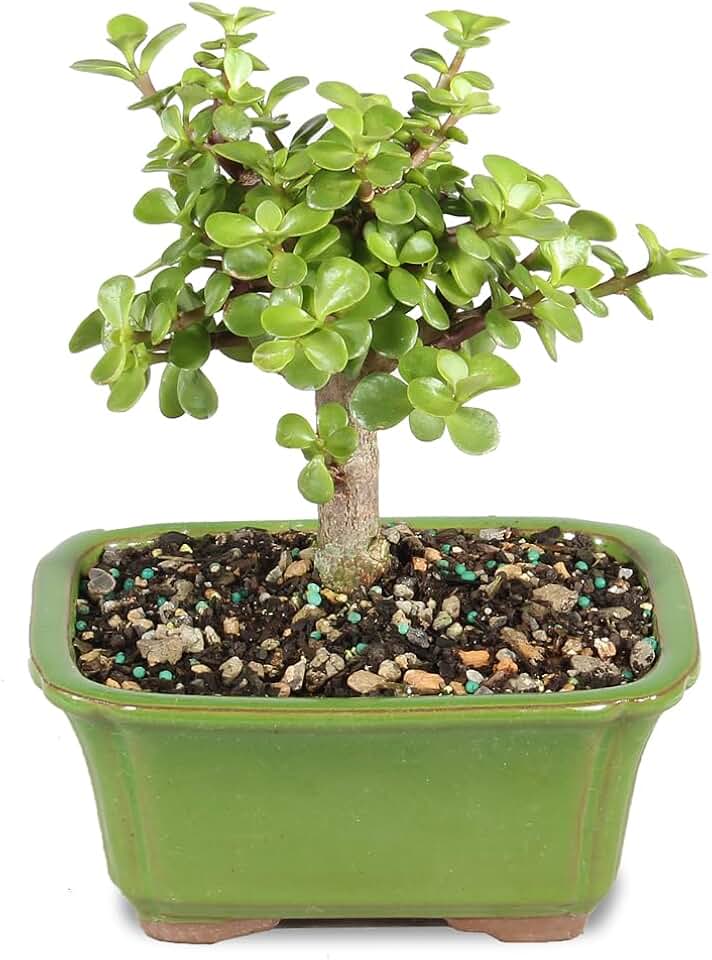
Jade Plant (Crassula ovata)
Jade trees are succulents, which changes the watering dynamic entirely. They store water in their thick stems and leaves, meaning you must let the soil dry out completely between waterings. This makes them excellent for travelers or those who tend to overwater. They thrive in bright light and develop a thick, woody caudex over time, giving them an aged appearance quickly.
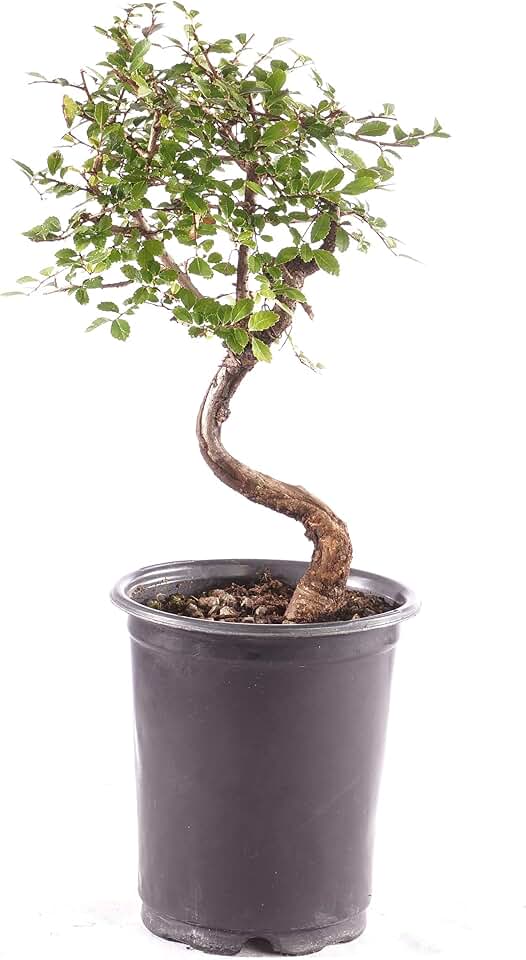
Chinese Elm
For those who want a traditional deciduous bonsai experience, the Chinese Elm is the top choice. It drops its leaves in winter, offering a seasonal rhythm to your care routine. It requires more light than the Ficus and prefers to stay slightly moist, so it’s less forgiving of dry spells. Pruning is straightforward, and it responds well to wiring for shaping branches.
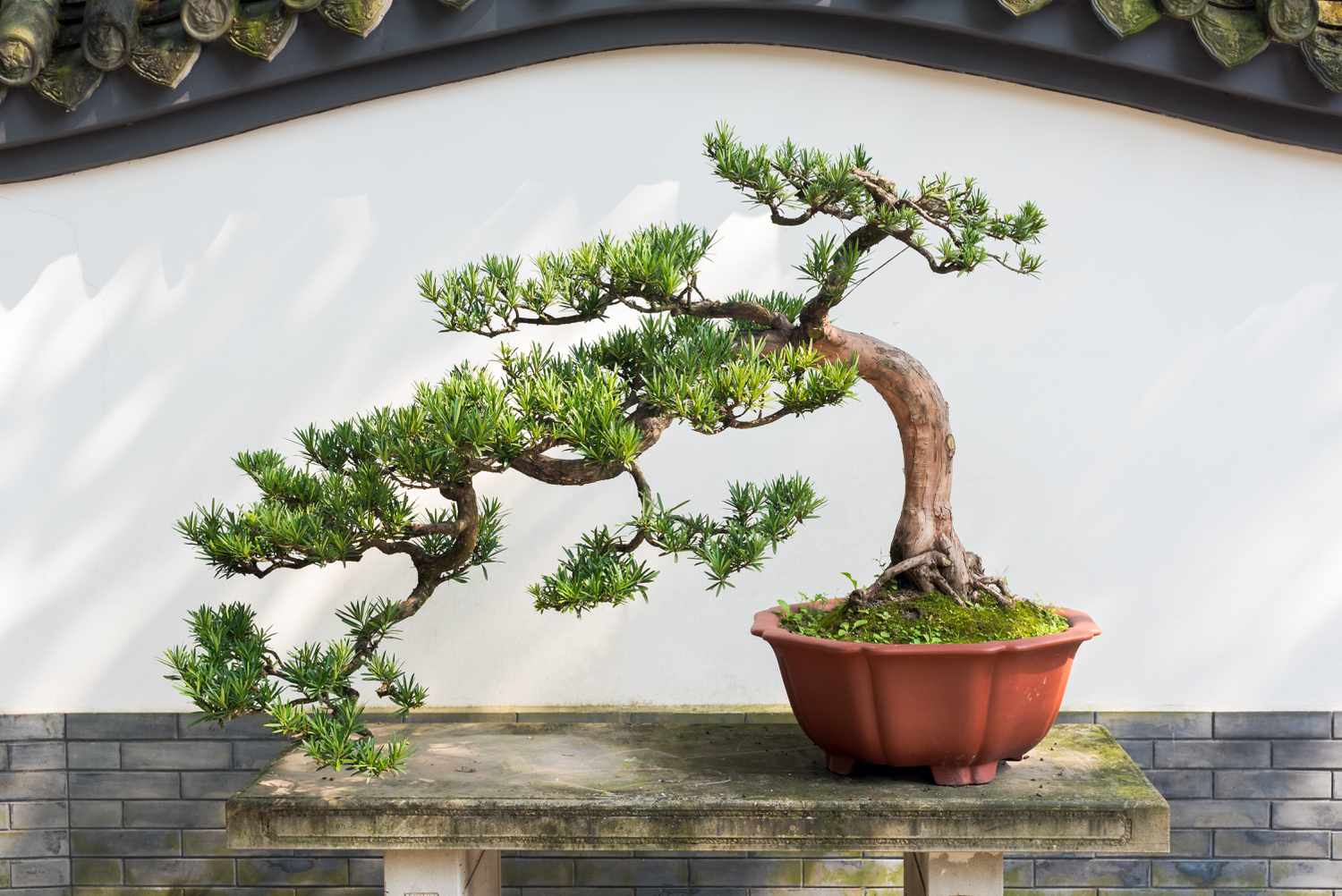
Juniper
Junipers are the classic outdoor bonsai. They require full sun and good airflow to prevent fungal issues. While they are hardy, they are not suitable for indoor environments. Beginners should start with a pre-bonsai Juniper rather than digging one from the wild. Pruning is essential to maintain its characteristic cloud-like foliage pads.

As an Amazon Associate, we may earn from qualifying purchases.
Inspect the expensive parts
2026 guide: Best Beginner Bonsai Trees & 5-Minute Care Routine for Success works best as a clear sequence: define the constraint, compare the realistic options, test the tradeoff, and choose the path with the fewest hidden costs. That order keeps the advice usable instead of decorative. After each step, pause long enough to check whether the recommendation still fits the reader's actual situation. If it depends on perfect timing, unusual access, or a best-case budget, include a simpler fallback.
Plan for ownership costs
A bonsai tree is a living plant, not a permanent decoration. The initial purchase price is only the entry fee; the real cost comes from the ongoing maintenance supplies and the risk of replacement. When buying a cheap starter tree, you are often trading upfront savings for higher maintenance effort or shorter tree longevity.
The hidden supply bill
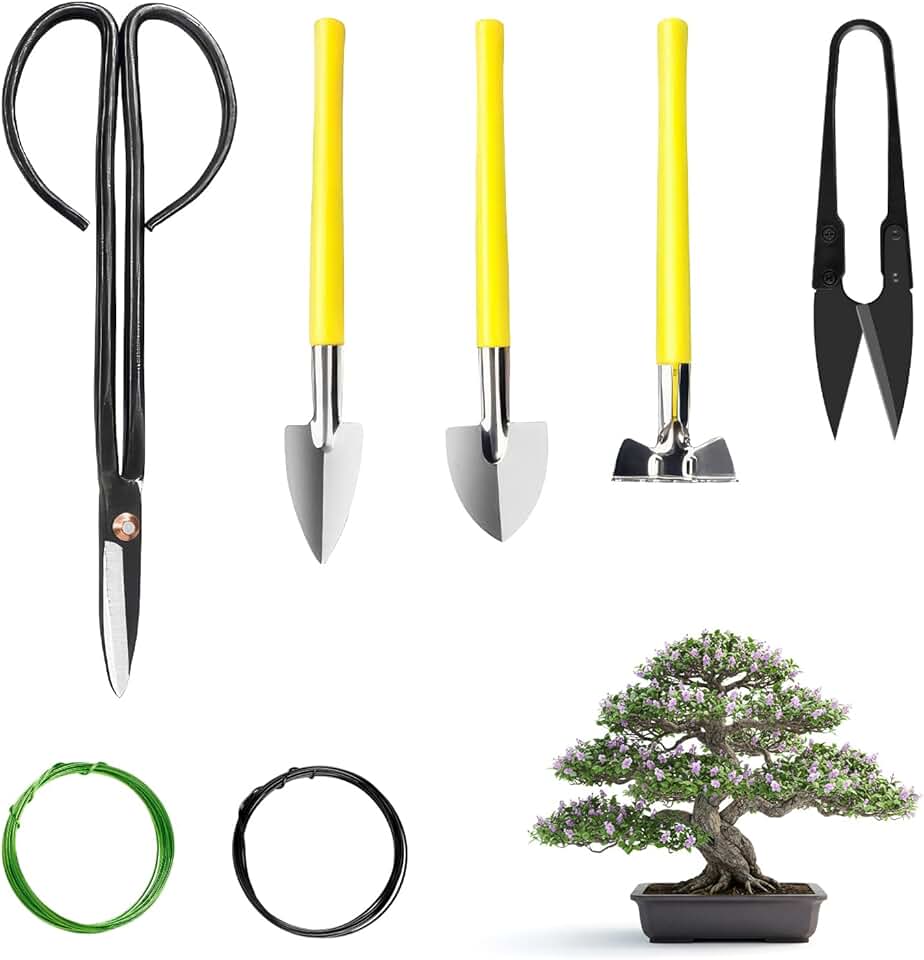
To keep a beginner bonsai alive, you need more than just tap water. You will need a specific potting mix that drains quickly, as standard garden soil will suffocate the roots. You also need a small watering can with a rose head to avoid dislodging the soil, and a humidity tray for indoor species like the Ficus or Jade.
| Supply | Why you need it | Estimated initial cost |
|---|---|---|
| Bonsai soil mix | Prevents root rot; standard dirt is too dense | $10–$15 |
| Watering can | Gentle flow prevents soil erosion | $8–$12 |
| Humidity tray | Keeps air moist for indoor trees | $5–$10 |
| Basic tools | Wire cutters, tweezers for debris | $15–$20 |
When "cheap" becomes expensive
The cheapest bonsai trees often arrive in temporary nursery pots with poor soil. If you buy a $15 tree, you may need to repot it within six months. Repotting involves buying fresh soil and a slightly larger bonsai-specific pot. If the tree is weak or diseased, you might lose it entirely, forcing you to buy another. A slightly more expensive, well-established tree from a reputable nursery usually survives its first year with less intervention.
Maintenance surprises
Beginners often underestimate the time cost. A bonsai in a small pot dries out much faster than a garden plant. In summer, you might need to water it twice a day. If you forget, the leaves brown and drop within hours. This isn't just about water; it's about the commitment to check your tree daily. Treat it like a pet, not a vase.


As an Amazon Associate, we may earn from qualifying purchases.
No comments yet. Be the first to share your thoughts!