
Starting with the right tree for low light
Choosing your first indoor bonsai can feel like picking a roommate for a windowless apartment. You need a species that tolerates inconsistent watering and lower light levels without dropping leaves or losing its shape. We selected these five varieties based on three concrete checks: proven tolerance for indoor conditions, resilience against common beginner mistakes, and the ability to hold a refined shape with minimal maintenance.
The goal here isn't to find the rarest specimen, but the most forgiving. Most beginners kill bonsai by overwatering or placing them in direct, harsh sunlight that scorches the leaves. These selections thrive in the bright, indirect light typical of north or east-facing windows. They also forgive the occasional missed watering session, which happens to everyone.


As an Amazon Associate, we may earn from qualifying purchases.
5 2026 Indoor Bonsai Revolution: Top 5 Low-Light Varieties for Beginners & Complete Care guide
Low-light indoor bonsai care has shifted from trial-and-error to targeted selection in 2026. This roundup isolates five specific varieties that thrive in dim conditions, pairing each with concrete care protocols to help beginners avoid common pitfalls.
1. Fukien Tea Bonsai for Humidity Tolerance
The Fukien Tea thrives where indoor humidity naturally fluctuates, making it a resilient choice for living rooms. Its glossy, dark green leaves and exposed root structure create a striking visual contrast against simple ceramic pots. This variety demands consistent moisture without waterlogging the soil, rewarding attentive care with delicate white flowers and orange berries. It adapts well to indirect light but benefits from occasional misting to maintain leaf turgor and prevent tip burn during dry winter months.

2. Chinese Elm Resilience in Low Light
Chinese Elm stands out as the most forgiving beginner tree, tolerating lower light levels better than most deciduous varieties. Its small, serrated leaves and flexible branches allow for easy wiring and shaping, encouraging creativity without high stress on the plant. This resilient specimen handles occasional neglect well, recovering quickly from minor watering mistakes. It prefers bright, indirect light but adapts to north-facing windows, making it an ideal starter for apartments with limited sunlight exposure.
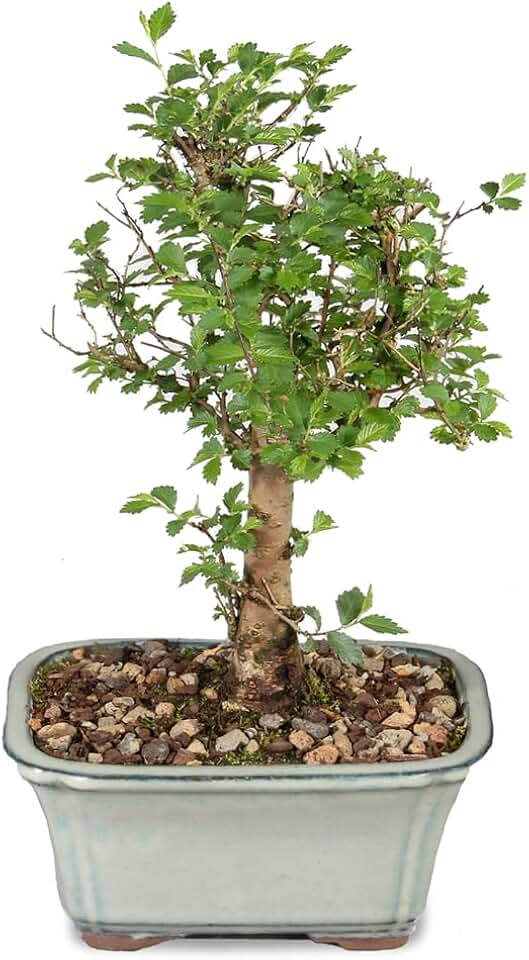
3. Jade Plant Succulent Structure for Beginners
Jade Plant offers a sculptural, succulent form that requires minimal watering, appealing to those who prefer a hands-off approach. Its thick, woody stems and oval leaves store water efficiently, reducing the risk of root rot from overwatering. This hardy variety grows slowly, allowing beginners to practice pruning and wiring without rushing the development. It thrives in bright, indirect light and tolerates dry air, making it a durable addition to sunlit desks or shelves where other bonsai might struggle.
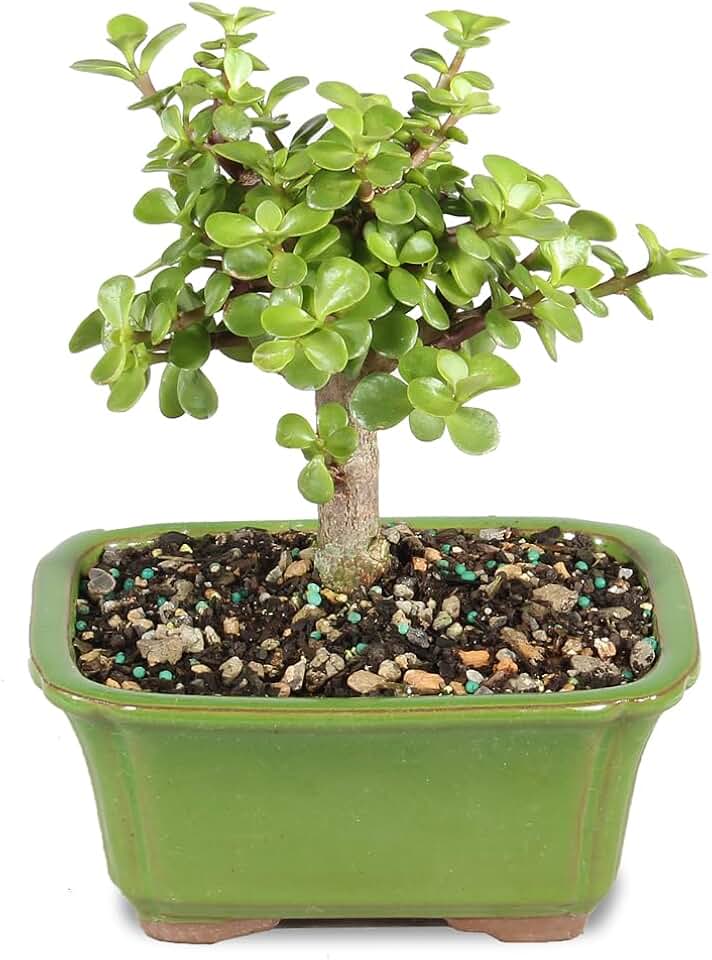
4. Serissa Foetida Miniature Foliage Details
Serissa Foetida, or Snow Rose, features incredibly fine, miniature foliage that creates a dense, cloud-like canopy. Its tiny white flowers and small leaves demand precise watering and consistent humidity to prevent leaf drop, offering a rewarding challenge for dedicated hobbyists. This variety responds well to frequent pruning, allowing for intricate styling and detailed branch definition. While sensitive to environmental changes, its delicate appearance and rapid recovery with stable care make it a standout for those seeking refined aesthetic complexity.
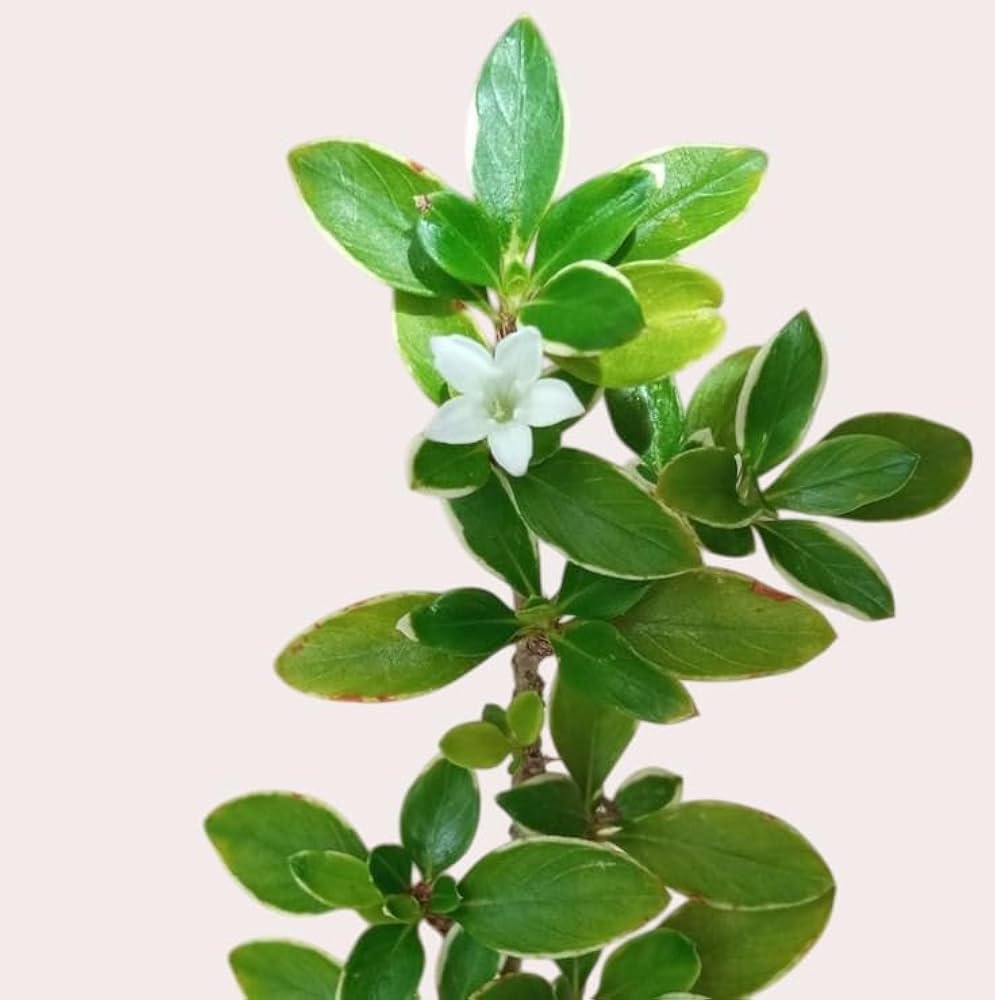
5. Chinese Privet Hardy Trunk Development
Chinese Privet is prized for its thick, rugged trunk and rapid growth, allowing beginners to see tangible results quickly. Its small, oval leaves and flexible branches make it excellent for developing thick trunks and strong taper through aggressive pruning and wiring. This hardy variety tolerates a range of indoor conditions, recovering well from minor stress. It is particularly suitable for those interested in learning advanced styling techniques, as its vigorous growth provides ample material for experimentation and refinement over time.

Pick the right fit
Choosing a bonsai is less about finding the perfect tree and more about finding the right match for your home’s light and your daily habits. Indoor bonsai varieties have specific tolerances, and a mismatch here is the fastest way to lose a tree. Since your goal is to grow low-light bonsai, you need a species that thrives in the dim corners of a living room or office.
Start by checking your light source. A north-facing window with indirect light suits a Fukien Tea, while a spot with occasional bright, filtered light is better for a Jade plant. If you are unsure, a Ficus Ginseng is the safest bet; it tolerates fluctuations in humidity and light that would stress more sensitive species. Read the plant tag carefully before buying—it often lists the ideal conditions. If the tag says "full sun," it will struggle indoors regardless of how much you water it.
Next, consider the size and shape. Beginners often buy trees that are too large for their space, leading to neglect. A small, pre-bonsai Ficus or Jade in a 4-inch pot is easier to manage and allows you to learn the basics of watering and pruning without the stress of handling a heavy, mature tree. You can always upgrade later.
Finally, look at the tree’s health at the nursery. Avoid trees with yellowing leaves, brown crispy edges, or visible pests like white cottony fluff on the stems. The trunk should be sturdy, and the soil should be moist but not waterlogged. A healthy starter tree gives you a fighting chance to succeed.
Check the direction of your nearest window. North or east-facing windows with indirect light are ideal for most indoor bonsai. If you only have south-facing windows, you will need a grow light or a very sun-tolerant species like a Jade.
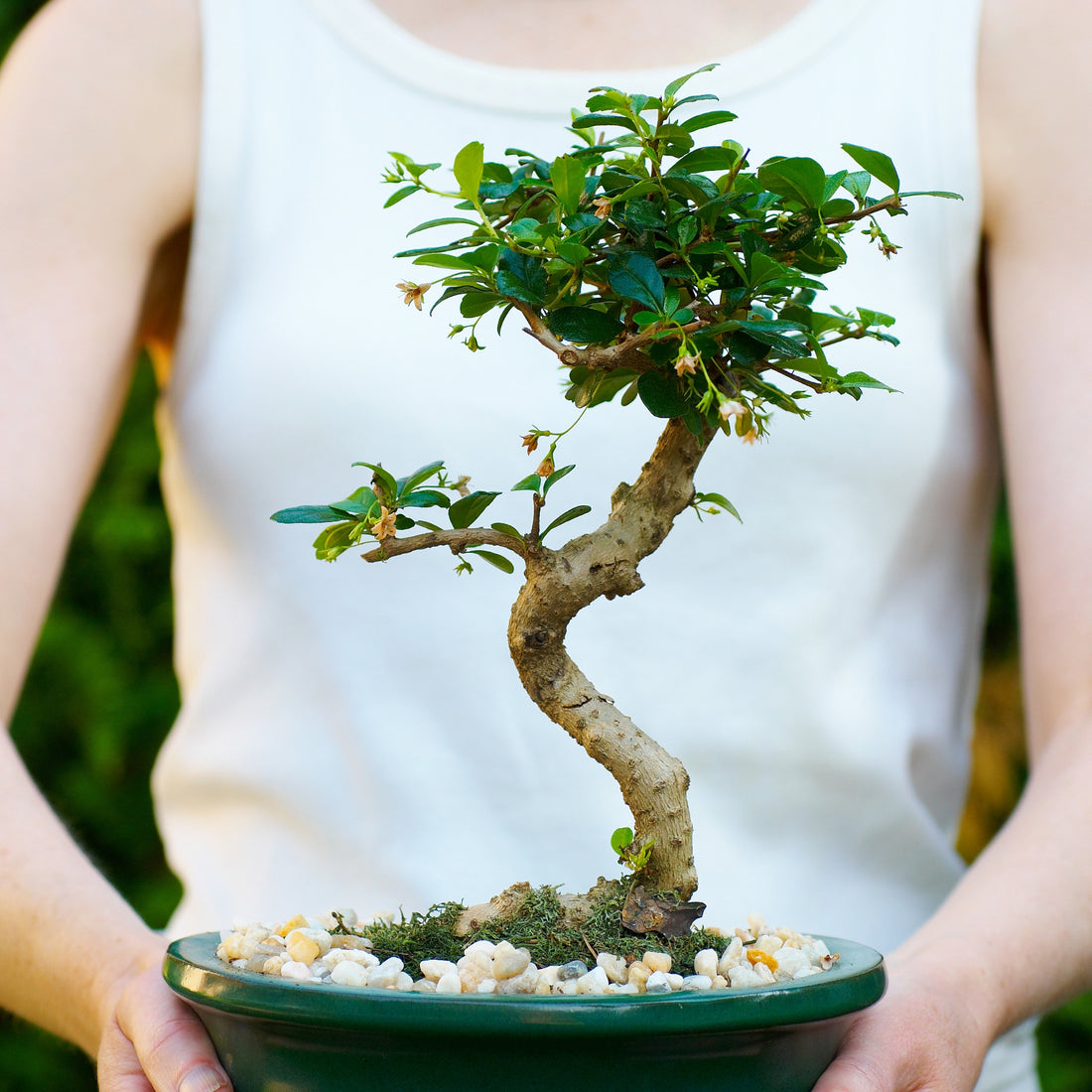
Select a variety known for low-light tolerance. Fukien Tea, Jade, and Ficus Ginseng are reliable choices. Avoid tropical species like the Serissa or Azalea unless you can provide a humid, brightly lit environment.
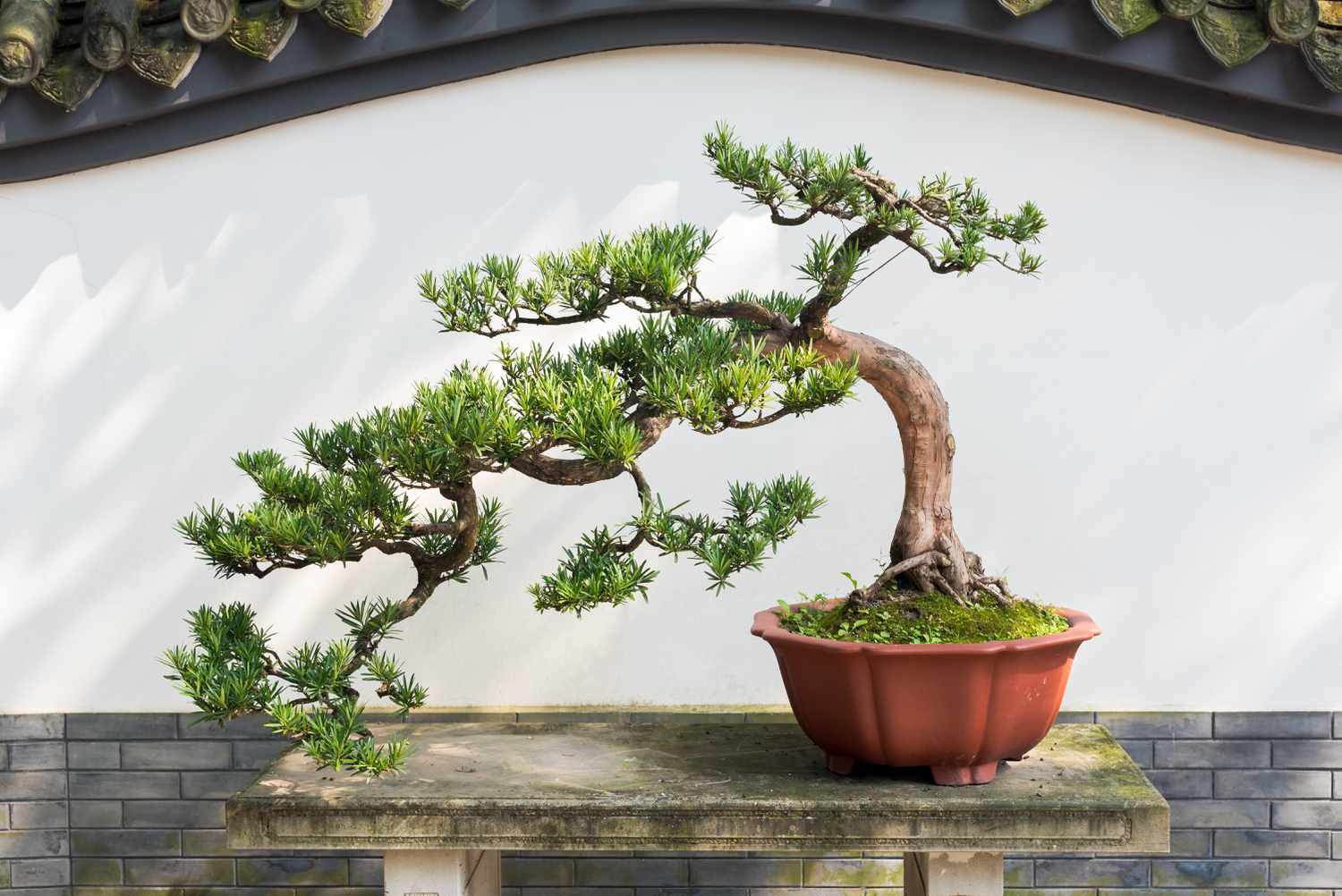
Look for vibrant green leaves and a sturdy trunk. Check the soil moisture; it should be damp, not soggy. Avoid trees with drooping leaves or signs of pests, as these indicate stress that is hard to reverse.
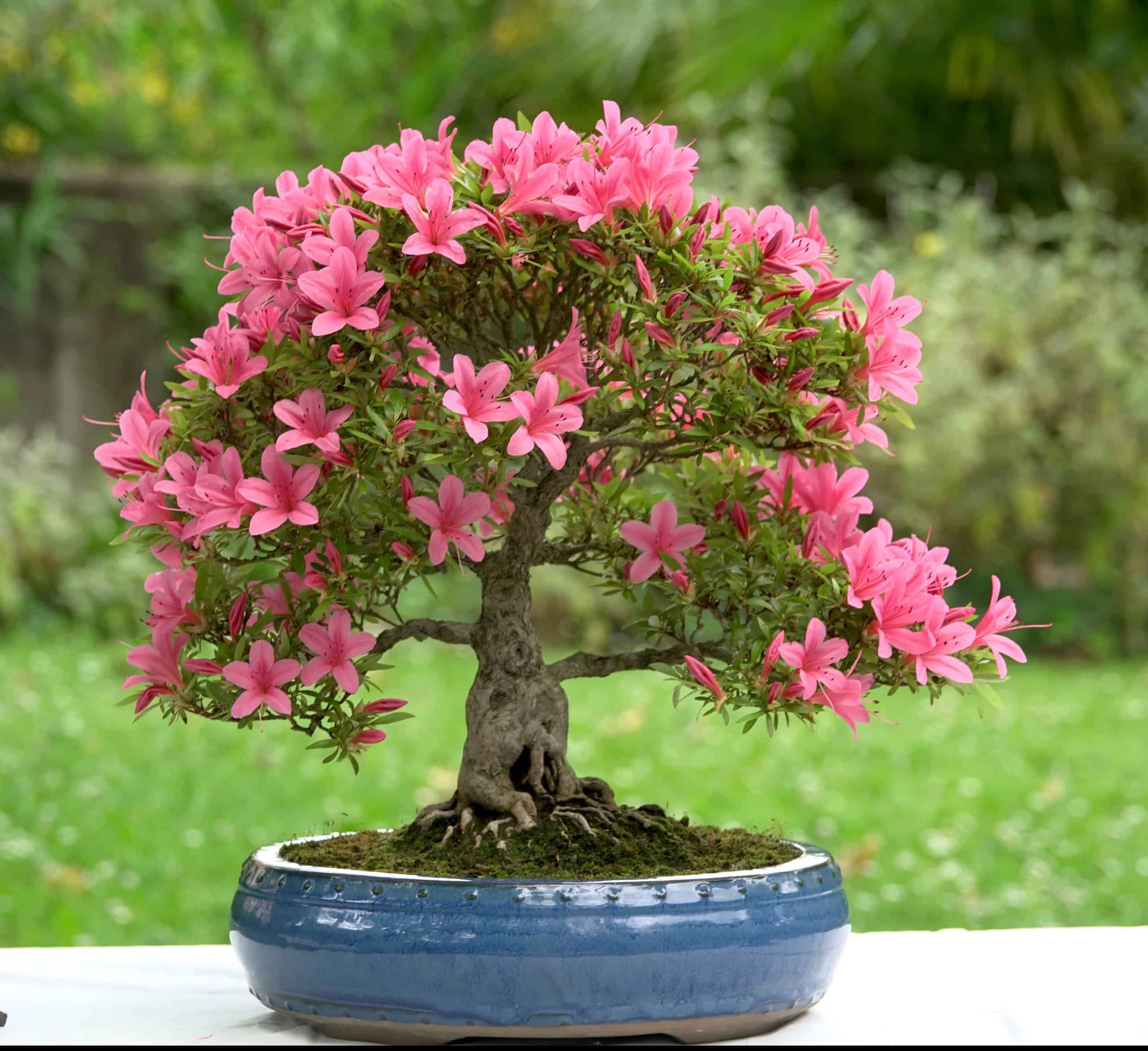
Choose a smaller, younger tree. It is easier to control the size and shape of a small plant, and it requires less water and fertilizer. This reduces the risk of overwatering, which is the most common mistake for beginners.


As an Amazon Associate, we may earn from qualifying purchases.
| Variety | Light Needs | Difficulty |
|---|---|---|
| Ficus Ginseng | Low to Medium | Easy |
| Jade Plant | Bright Indirect | Very Easy |
| Fukien Tea | Medium to Bright | Moderate |
No comments yet. Be the first to share your thoughts!