
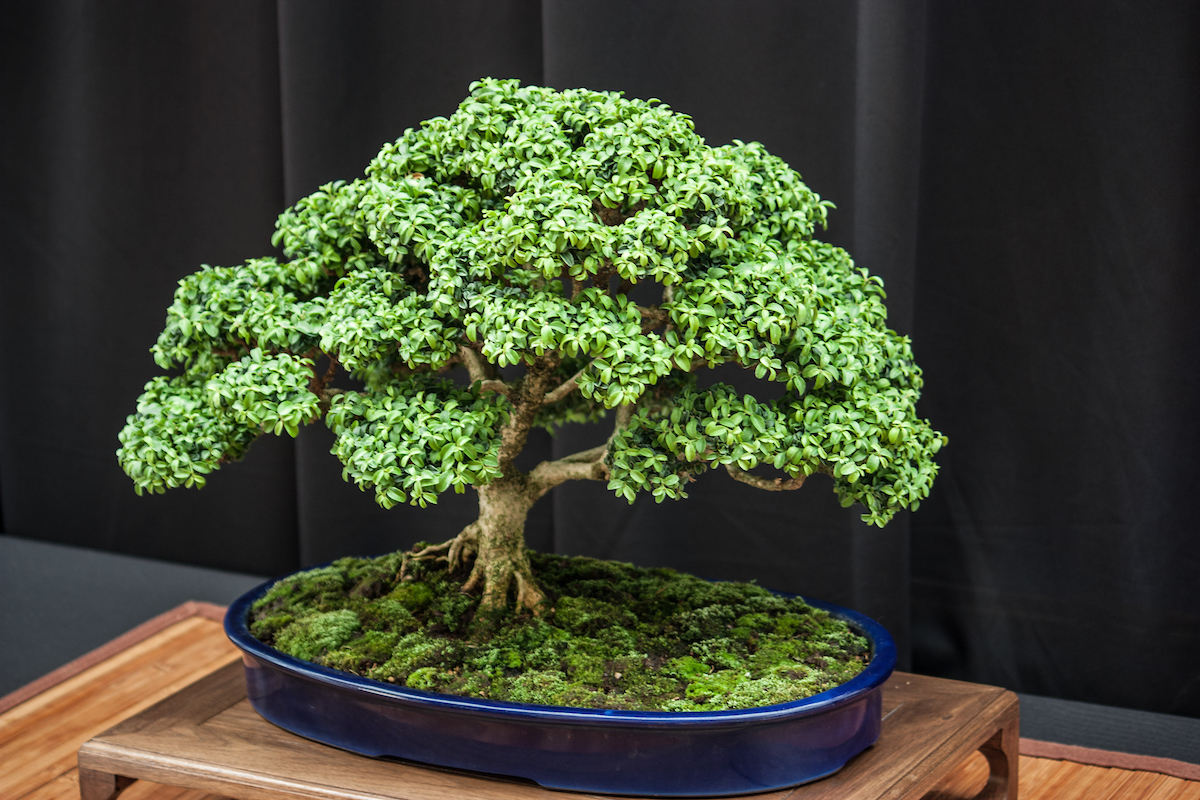

Best Indoor Bonsai Trees for Beginners in 2024: Complete Care Guide - Part 1
Welcome to the fascinating world of indoor bonsai cultivation. As someone who has dedicated decades to the art of bonsai, I can confidently say that 2024 presents an excellent opportunity for beginners to start their bonsai journey. The combination of improved growing techniques, better understanding of indoor environments, and accessible resources makes this the perfect time to begin.
Indoor bonsai trees offer a unique blend of artistic expression and horticultural challenge that can transform any living space into a serene sanctuary. Unlike their outdoor counterparts, indoor bonsai trees require specific considerations regarding light, humidity, and temperature control, but with the right knowledge, they can thrive in your home environment.
Why Choose Indoor Bonsai for Beginners?
Indoor bonsai cultivation provides several advantages for newcomers to this ancient art. First, you have complete control over the growing environment, allowing you to maintain consistent conditions year-round. This stability is particularly beneficial when learning the fundamentals of bonsai care, as it eliminates many variables that can complicate outdoor cultivation.
Additionally, indoor bonsai trees are typically more forgiving of beginner mistakes. The controlled environment means less exposure to extreme weather conditions, pests, and diseases that can quickly damage or kill outdoor specimens. This forgiveness provides valuable learning opportunities without the heartbreak of losing your first bonsai tree.

Essential Characteristics of Beginner-Friendly Indoor Bonsai
When selecting your first indoor bonsai tree, certain characteristics make some species more suitable for beginners than others. Understanding these traits will help you make an informed decision and increase your chances of success.
Resilience stands as the most important factor. Beginner-friendly bonsai trees should tolerate occasional watering mistakes, temperature fluctuations, and less-than-perfect lighting conditions. These hardy species give you room to learn and adjust your care routine without immediately showing signs of distress.
Fast growth and quick recovery are equally valuable traits. Trees that respond quickly to care adjustments allow beginners to see the results of their efforts more rapidly, providing motivation and learning opportunities. When you make a mistake, these resilient species often bounce back quickly, teaching you valuable lessons about plant recovery.
Top Indoor Bonsai Tree Types for 2024
Based on current horticultural knowledge and beginner success rates, several species stand out as exceptional choices for indoor bonsai cultivation in 2024.
Ficus Bonsai (Ficus retusa, Ficus microcarpa)
Ficus varieties remain the gold standard for indoor bonsai beginners. These remarkable trees demonstrate exceptional adaptability to indoor conditions and show impressive tolerance for care variations. Ficus bonsai trees thrive in bright, indirect light and prefer to dry out slightly between waterings, making them forgiving of occasional neglect.
The thick, glossy leaves and aerial root development of Ficus trees create stunning visual appeal while remaining relatively easy to maintain. Their vigorous growth allows for frequent pruning practice, helping beginners develop essential trimming skills without fear of over-pruning.
Content is being updated. Check back soon.
Jade Bonsai (Crassula ovata)
Jade bonsai represents an excellent entry point for those who prefer low-maintenance plants. As a succulent, the Jade tree stores water in its thick, fleshy leaves and trunk, making it extremely drought-tolerant. This characteristic makes it nearly impossible to kill through underwatering, a common beginner mistake.
The naturally thick trunk and compact growth pattern of Jade trees create an authentic bonsai appearance with minimal intervention. They prefer bright, direct sunlight and require watering only when the soil becomes completely dry, typically every 7-10 days during growing season.
Chinese Elm (Ulmus parvifolia)
Chinese Elm bonsai trees offer traditional bonsai aesthetics with beginner-friendly care requirements. These deciduous trees adapt well to indoor conditions while maintaining their natural seasonal cycles, providing year-round interest through leaf changes and branch structure visibility.
Chinese Elms respond excellently to pruning and shaping, making them ideal for learning fundamental bonsai techniques. They prefer consistent moisture levels and bright, indirect light, developing fine ramification and elegant silhouettes with proper care.
Setting Realistic Expectations
Beginning your bonsai journey requires realistic expectations about the time and effort involved. Indoor bonsai trees are living art pieces that require daily attention and long-term commitment. While they are more forgiving than many people assume, they still need consistent care to thrive and develop their characteristic beauty.
Success in bonsai cultivation comes through patience, observation, and gradual skill development. Your first tree may not look like the masterpieces you see in exhibitions, but it will teach you invaluable lessons about plant care, artistic vision, and the meditative aspects of bonsai cultivation.
Essential Care Requirements for Indoor Bonsai Trees
Understanding the fundamental care requirements for your indoor bonsai is crucial for long-term success. Each species has specific needs, but there are universal principles that apply to most indoor bonsai varieties. Let me guide you through the essential elements that will keep your miniature trees healthy and thriving.
Light Requirements and Positioning
Light is perhaps the most critical factor in indoor bonsai care. Most indoor bonsai species require bright, indirect sunlight for 6-8 hours daily. Position your trees near south-facing windows where they can receive maximum natural light without being subjected to harsh direct rays that can scorch delicate leaves.
During winter months or in homes with limited natural light, consider supplementing with LED grow lights. Full-spectrum LED lights placed 12-18 inches above your bonsai can provide the necessary photosynthetic energy. Remember that insufficient light leads to weak growth, elongated branches, and eventual decline of your tree's health.
Watering Techniques and Frequency
Proper watering technique separates successful bonsai enthusiasts from those who struggle. The key principle is to water thoroughly when the top inch of soil feels dry to the touch. This typically occurs every 2-3 days for most indoor species, though frequency varies based on humidity, temperature, and pot size.
When watering, use room temperature water and apply it slowly until it drains from the bottom holes. This ensures the entire root system receives moisture. Avoid the common mistake of frequent light watering, which only moistens the surface while leaving roots dry.
Humidity and Air Circulation
Indoor environments often lack the humidity levels that bonsai trees prefer. Most species thrive in 40-60% humidity, while typical homes maintain 20-30%. Create a humidity tray by placing your bonsai pot on a shallow dish filled with gravel and water. As water evaporates, it increases local humidity around your tree.
Good air circulation prevents fungal issues and strengthens your tree's structure. Ensure adequate space around your bonsai and consider using a small fan on low speed to maintain gentle air movement, especially in enclosed spaces.
Soil and Repotting Guidelines
Bonsai soil differs significantly from regular potting soil. A proper bonsai mix should drain quickly while retaining some moisture. Commercial bonsai soil blends typically contain akadama, pumice, and lava rock in varying proportions. For beginners, pre-mixed bonsai soil provides convenience and reliability.
Young bonsai trees require repotting every 1-2 years, while mature specimens can go 3-5 years between repottings. Signs that repotting is needed include water draining slowly, roots circling the pot's bottom, or soil that has broken down into fine particles.
Fertilization Schedule
Indoor bonsai trees have modest nutritional needs compared to their outdoor counterparts. During the growing season (spring through early fall), apply a balanced liquid fertilizer diluted to half strength every two weeks. Reduce feeding to monthly during winter when growth slows.
Organic fertilizers like fish emulsion provide gentle, slow-release nutrition that's difficult to overdo. Chemical fertilizers work faster but require more careful application to avoid root burn.
Daily Care Checklist
Common Care Mistakes to Avoid
New bonsai enthusiasts often make predictable mistakes that can harm their trees. Overwatering ranks as the number one killer of indoor bonsai, causing root rot and fungal infections. Conversely, allowing soil to completely dry out can stress trees and cause leaf drop.
Another frequent error involves placing bonsai too far from light sources or in areas with poor air circulation. Remember that these are living trees with specific environmental needs, not decorative objects that can be placed anywhere for aesthetic purposes.
Temperature fluctuations also stress indoor bonsai. Avoid placing trees near heating vents, air conditioning units, or drafty windows where temperature swings are common. Most indoor species prefer consistent temperatures between 60-75°F.
Common Mistakes to Avoid and Troubleshooting
Even with the best intentions, beginners often encounter challenges when caring for their indoor bonsai trees. Understanding these common pitfalls and their solutions will help ensure your bonsai thrives for years to come.
Overwatering: The Silent Killer
The most frequent mistake among bonsai for beginners is overwatering. Unlike regular houseplants, bonsai trees require precise moisture control. Signs of overwatering include yellowing leaves, soft or mushy roots, and a musty smell from the soil. Always check soil moisture by inserting your finger about an inch deep into the soil before watering.
Inadequate Light Conditions
Indoor bonsai trees often struggle with insufficient light, leading to elongated growth, pale leaves, and weak branch development. Most bonsai tree types require at least 6 hours of bright, indirect sunlight daily. Consider investing in full-spectrum LED grow lights if your home lacks adequate natural light.
Improper Pruning Techniques
Learning how to care for bonsai includes mastering proper pruning methods. Beginners often prune too aggressively or at the wrong time of year. Always use clean, sharp tools and make cuts at a 45-degree angle just above a leaf node or bud. Structural pruning should be done during the dormant season, while maintenance pruning can occur year-round.
Essential Tools and Supplies for Success
Having the right tools makes caring for indoor bonsai trees significantly easier and more enjoyable. While you don't need every specialized tool immediately, certain items are essential for proper bonsai maintenance.
Quality tools not only make the work easier but also help prevent damage to your tree. Invest in good basic tools rather than purchasing many cheap alternatives that may harm your bonsai.
Recommended Starter Kit
For those just beginning their bonsai journey, a comprehensive starter kit can provide excellent value and ensure you have everything needed for proper care.
Seasonal Care Adjustments
Understanding how to adapt your care routine throughout the year is crucial for maintaining healthy indoor bonsai trees. While indoor environments provide more stable conditions than outdoor settings, seasonal changes still affect your bonsai's needs.
Spring and Summer Care
During the growing season, your bonsai will require more frequent watering and feeding. This is also the ideal time for repotting most bonsai tree types. Increase watering frequency as temperatures rise and growth accelerates, but always maintain proper drainage to prevent root problems.
Fall and Winter Adjustments
As growth slows during cooler months, reduce watering frequency and stop fertilizing most species. Many indoor bonsai trees benefit from a slight temperature reduction during winter to encourage natural dormancy patterns. Monitor humidity levels carefully, as indoor heating can create overly dry conditions.
Building Your Bonsai Collection
Once you've successfully maintained your first indoor bonsai for several months, you may want to expand your collection. Start with species that have similar care requirements to your first tree, gradually introducing more challenging varieties as your skills develop.
Consider keeping a care journal to track watering schedules, fertilizing dates, and any observations about your tree's health. This practice helps you learn your specific tree's needs and serves as a valuable reference for future bonsai acquisitions.
Joining the Bonsai Community
Connecting with other bonsai enthusiasts can accelerate your learning and provide ongoing support. Local bonsai clubs, online forums, and social media groups offer opportunities to share experiences, ask questions, and learn advanced techniques from experienced practitioners.
Remember that mastering bonsai is a lifelong journey. Each tree teaches unique lessons, and even experienced practitioners continue learning. Embrace the process, be patient with yourself and your trees, and enjoy the meditative aspects of this ancient art form.
No comments yet. Be the first to share your thoughts!