
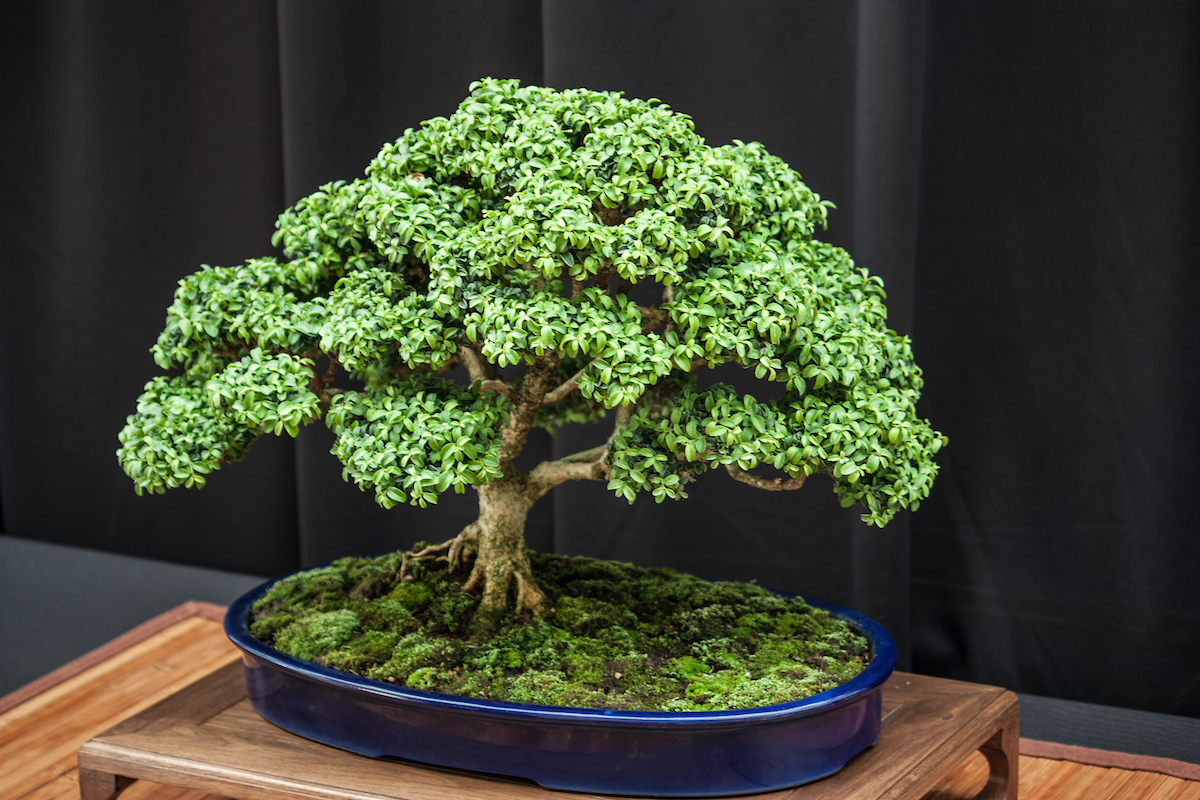

5 Best Indoor Bonsai Trees for Beginners in 2024: Complete Care Guide
Embarking on your bonsai journey can feel overwhelming with countless species to choose from, but selecting the right indoor bonsai trees for beginners makes all the difference between success and frustration. Unlike their outdoor counterparts, indoor bonsai trees must adapt to lower light conditions, controlled temperatures, and limited humidity – factors that can challenge even experienced enthusiasts.
The art of bonsai cultivation has evolved significantly, and modern indoor varieties offer beginners an accessible entry point into this ancient practice. These carefully selected species combine resilience with aesthetic appeal, allowing newcomers to develop essential skills while enjoying the meditative process of bonsai care.

Why Choose Indoor Bonsai Trees as a Beginner
Indoor bonsai trees offer several advantages for those new to the art. They provide year-round accessibility, allowing you to tend to your trees regardless of weather conditions. The controlled environment of your home also means fewer variables to manage, making it easier to understand how your care decisions affect plant health.
When selecting bonsai for beginners, certain characteristics make species more suitable for novice cultivators. Look for trees that demonstrate tolerance to irregular watering schedules, forgiveness with pruning mistakes, and adaptability to varying light conditions. These traits allow beginners to learn proper techniques without the immediate risk of losing their investment.
Essential Factors for Indoor Bonsai Success
Before diving into specific bonsai tree types, understanding the fundamental requirements for indoor cultivation sets the foundation for success. Light exposure remains the most critical factor, as most indoor environments provide significantly less illumination than outdoor settings. Positioning your bonsai near south-facing windows or supplementing with grow lights ensures adequate photosynthesis.
Humidity presents another challenge in indoor environments, particularly during winter months when heating systems dry the air. Creating microclimates using humidity trays, grouping plants together, or employing room humidifiers helps maintain the moisture levels your bonsai requires.
Indoor Bonsai Care Requirements Comparison for Beginners
| Species | Light Requirements | Watering Frequency | Humidity Level | Temperature Range |
|---|---|---|---|---|
| Ficus Benjamina (Weeping Fig) | Bright indirect light, 6-8 hours daily | Water when top inch of soil is dry (every 2-3 days) | 40-60% humidity preferred | 65-75°F (18-24°C) |
| Jade Plant (Crassula ovata) | Bright direct light, 4-6 hours daily | Water deeply but infrequently (every 7-10 days) | 30-50% humidity, drought tolerant | 65-75°F (18-24°C) |
| Chinese Elm (Ulmus parvifolia) | Bright indirect to partial direct light | Keep soil consistently moist (every 1-2 days) | 50-70% humidity required | 60-70°F (15-21°C) |
| Schefflera (Umbrella Tree) | Bright indirect light, tolerates low light | Water when top 2 inches of soil dry (every 3-4 days) | 40-60% humidity preferred | 65-75°F (18-24°C) |
| Fukien Tea Tree (Carmona retusa) | Bright indirect light, 6+ hours daily | Keep soil evenly moist (daily watering often needed) | 60-80% humidity essential | 68-78°F (20-26°C) |
Temperature consistency also plays a vital role in indoor bonsai health. While these trees adapt to home temperatures, avoiding placement near heat sources, air conditioning vents, or drafty areas prevents stress that can weaken your bonsai over time.
The Top 5 Indoor Bonsai Trees for Beginners
After extensive research and consultation with bonsai experts, we have identified five species that consistently perform well for beginners while offering distinct aesthetic qualities and growth patterns.
1. Ficus Benjamina (Weeping Fig)
The Ficus Benjamina stands as perhaps the most forgiving indoor bonsai for beginners. This resilient species tolerates a wide range of light conditions, from bright indirect sunlight to moderate indoor lighting. Its glossy, small leaves and naturally drooping branches create an elegant silhouette that embodies the classic bonsai aesthetic.
What makes the Weeping Fig particularly beginner-friendly is its rapid recovery from pruning mistakes and its clear communication of care needs. When stressed, the leaves may yellow or drop, providing obvious signals that adjustments are needed. The species responds well to both pruning and wiring techniques, allowing beginners to practice shaping methods safely.
2. Jade Plant (Crassula ovata)
The Jade Plant offers a unique entry point into bonsai cultivation with its succulent nature providing built-in drought tolerance. This characteristic makes it exceptionally forgiving for beginners who may struggle with consistent watering schedules. The thick, fleshy leaves and sturdy trunk develop character quickly, providing satisfying visual progress.
As a succulent bonsai, the Jade Plant requires different care approaches than traditional species, teaching beginners about plant diversity within the bonsai world. Its slow growth rate allows ample time to observe changes and make gradual adjustments to care routines.
Understanding how to care for bonsai begins with recognizing that each species has unique needs, yet fundamental principles apply across all varieties. Proper soil selection, appropriate container sizing, and establishing consistent care routines form the cornerstone of successful bonsai cultivation.
Detailed Care Requirements for Each Bonsai Species
Understanding the specific needs of each bonsai tree type is essential for successful indoor cultivation. Each species on our list has unique characteristics that make them suitable for beginners, yet they require tailored care approaches to thrive in indoor environments.
Indoor Bonsai Care Requirements Comparison for Beginners
| Species | Light Requirements | Watering Frequency | Humidity Level | Temperature Range | Difficulty Level |
|---|---|---|---|---|---|
| Ficus Benjamina (Weeping Fig) | Bright indirect light, 6-8 hours daily | Every 2-3 days when top inch dry | 40-60% | 65-75°F (18-24°C) | Very Easy |
| Jade Plant (Crassula ovata) | Bright direct light, 4-6 hours daily | Every 7-10 days, deep watering | 30-50% | 65-75°F (18-24°C) | Easy |
| Chinese Elm (Ulmus parvifolia) | Bright indirect light, 6-8 hours daily | Every 2-4 days when surface dry | 50-70% | 60-70°F (15-21°C) | Easy |
| Schefflera (Umbrella Tree) | Bright indirect light, 4-6 hours daily | Every 3-5 days when top dry | 40-60% | 65-80°F (18-27°C) | Easy |
| Fukien Tea Tree (Carmona retusa) | Bright indirect light, 6-8 hours daily | Every 2-3 days, consistent moisture | 60-80% | 70-80°F (21-27°C) | Moderate |
Ficus Benjamina (Weeping Fig): The Ultimate Beginner's Choice
The Ficus Benjamina stands out as the most forgiving indoor bonsai tree for newcomers to the art. This resilient species adapts remarkably well to indoor conditions and tolerates occasional care mistakes that might prove fatal to more sensitive varieties. Native to tropical regions, the Weeping Fig features small, glossy leaves that create an elegant canopy when properly maintained.
This species responds exceptionally well to pruning, making it ideal for learning basic bonsai techniques. The trunk develops character quickly, often showing interesting aerial root formations that add to its visual appeal. Ficus Benjamina can tolerate lower light conditions better than most bonsai tree types, though it performs best near a bright window with filtered sunlight.

Jade Plant (Crassula ovata): The Low-Maintenance Succulent
For beginners seeking an extremely low-maintenance option, the Jade Plant offers an excellent introduction to bonsai cultivation. This succulent stores water in its thick, fleshy leaves, making it incredibly drought-tolerant and forgiving of irregular watering schedules. The Jade Plant's natural tendency to develop a thick trunk and compact growth pattern makes it naturally suited for bonsai styling.
Unlike traditional bonsai tree types, the Jade Plant requires minimal watering and thrives in bright, direct sunlight when grown indoors. Its slow growth rate means less frequent pruning, allowing beginners to observe and learn without the pressure of constant maintenance.
Chinese Elm (Ulmus parvifolia): The Classic Choice
The Chinese Elm represents traditional bonsai aesthetics with its small leaves and fine branching structure. This species develops an attractive bark texture over time and responds well to both pruning and wiring techniques. Chinese Elm bonsai can adapt to indoor conditions, though they benefit from occasional outdoor exposure during favorable weather.
This variety teaches beginners essential bonsai skills including proper watering techniques, as Chinese Elms prefer consistently moist but well-draining soil. The species' vigorous growth provides ample opportunities to practice pruning and shaping techniques.
Schefflera (Umbrella Tree): The Tropical Beauty
Schefflera bonsai trees bring a tropical aesthetic to indoor spaces with their distinctive palmate leaves. This species tolerates indoor conditions well and develops an attractive trunk structure relatively quickly. The Umbrella Tree's natural branching pattern creates interesting negative spaces that enhance the overall composition.
Schefflera responds well to aggressive pruning, making it suitable for beginners who want to experiment with different styling approaches. The species prefers bright, indirect light and consistent moisture levels, teaching new enthusiasts proper watering techniques.
Fukien Tea Tree (Carmona retusa): The Flowering Bonsai
The Fukien Tea Tree offers beginners the unique opportunity to cultivate a flowering bonsai. This species produces small white flowers throughout the year under proper care, followed by tiny red berries that add seasonal interest. The small, dark green leaves create dense foliage that responds well to pruning and shaping.
While slightly more demanding than other beginner options, the Fukien Tea Tree rewards proper care with exceptional beauty. This species prefers warm, humid conditions and bright, indirect light, making it suitable for indoor cultivation with attention to environmental factors.
Each of these indoor bonsai trees offers unique learning opportunities while remaining forgiving enough for beginners. Success with any of these species depends on understanding their individual requirements and maintaining consistent care routines. The key to mastering how to care for bonsai lies in observation, patience, and gradual skill development through hands-on experience.
Essential Tools and Setup for Your Indoor Bonsai Garden
Creating the perfect environment for your indoor bonsai trees requires specific tools and setup considerations. Having the right equipment from the start will ensure your bonsai for beginners journey is both successful and enjoyable. The proper tools not only make maintenance easier but also help prevent common mistakes that can damage your delicate trees.
When setting up your indoor bonsai space, location is paramount. Choose an area that receives adequate natural light throughout the day, ideally near a south or east-facing window. If natural light is insufficient, LED grow lights specifically designed for plants can supplement your lighting needs effectively.
Step-by-Step Initial Setup Guide
Proper setup is crucial for long-term success with indoor bonsai trees. Follow this comprehensive guide to establish the ideal environment for your chosen bonsai tree types.
Common Mistakes to Avoid
Understanding what not to do is just as important as knowing proper care techniques. Many beginners struggle with overwatering, which remains the leading cause of bonsai failure. Each of our recommended species - Ficus Benjamina, Jade Plant, Chinese Elm, Schefflera, and Fukien Tea Tree - has different water requirements that must be respected.
Another frequent mistake involves improper pruning timing and technique. While these species are forgiving, incorrect pruning can stress the tree and affect its development. Always use clean, sharp tools and research the specific pruning requirements for your chosen species.
Seasonal Care Adjustments
Indoor bonsai trees still respond to seasonal changes, even when protected from outdoor weather variations. During winter months, most indoor bonsai trees enter a slower growth phase, requiring adjusted watering schedules and reduced fertilization. Understanding these natural cycles helps you provide appropriate care year-round.
Summer months typically bring increased growth, requiring more frequent watering and regular pruning to maintain shape. The Schefflera and Chinese Elm are particularly responsive to seasonal light changes and may need repositioning as the sun's angle shifts throughout the year.
Recommended Starter Kit
Investing in quality tools from the beginning saves money and frustration later. A comprehensive starter kit should include basic pruning shears, wire for training, appropriate soil mix, and a humidity tray.
Troubleshooting Common Issues
Even with proper care, issues may arise with your indoor bonsai trees. Yellow leaves often indicate watering problems, while brown leaf tips suggest low humidity or over-fertilization. The Jade Plant is particularly sensitive to overwatering, while the Fukien Tea Tree requires consistent moisture levels.
Pest management is another consideration for indoor cultivation. Spider mites and scale insects occasionally affect indoor bonsai, but regular inspection and proper air circulation help prevent infestations. The Ficus Benjamina's thick leaves make it relatively resistant to most common pests.
Frequently Asked Questions
Test Your Knowledge
Before you begin your bonsai journey, test your understanding of the key concepts covered in this guide. Proper knowledge foundation ensures better success with how to care for bonsai trees.
Remember that bonsai cultivation is a long-term commitment that rewards patience and consistency. Start with one of our recommended beginner-friendly species, focus on mastering basic care techniques, and gradually expand your knowledge as you gain experience. With proper care and attention, your indoor bonsai trees will provide years of satisfaction and natural beauty in your home environment.
No comments yet. Be the first to share your thoughts!