
Start with Bonsai Beginners
Bonsai is often mistaken for a hobby that demands a green thumb and years of experience. In reality, it is a practice of observation and routine. The barrier to entry is low if you choose the right species. We have selected five varieties that tolerate irregular watering and fluctuating indoor temperatures, making them ideal for the modern beginner.
These selections prioritize resilience over rarity. The goal is not to find the most exotic specimen, but the one that survives your learning curve. Each tree listed below has been chosen for its ability to thrive in typical home environments, from bright windowsills to moderately lit living rooms.
We focused on species that forgive the common mistakes of new growers: overwatering, low light, and dry air. By starting with these hardy options, you build confidence before attempting more demanding varieties. The result is a sustainable hobby that fits into a busy schedule without constant attention.
5 2026 Shift: Top 5 Low-Maintenance Bonsai Tree Types for Beginners in a Changing Climate
Climate volatility demands bonsai that thrive without constant intervention. These five resilient varieties offer forgiving care routines and adaptability, making them ideal for beginners navigating unpredictable weather patterns in 2026.
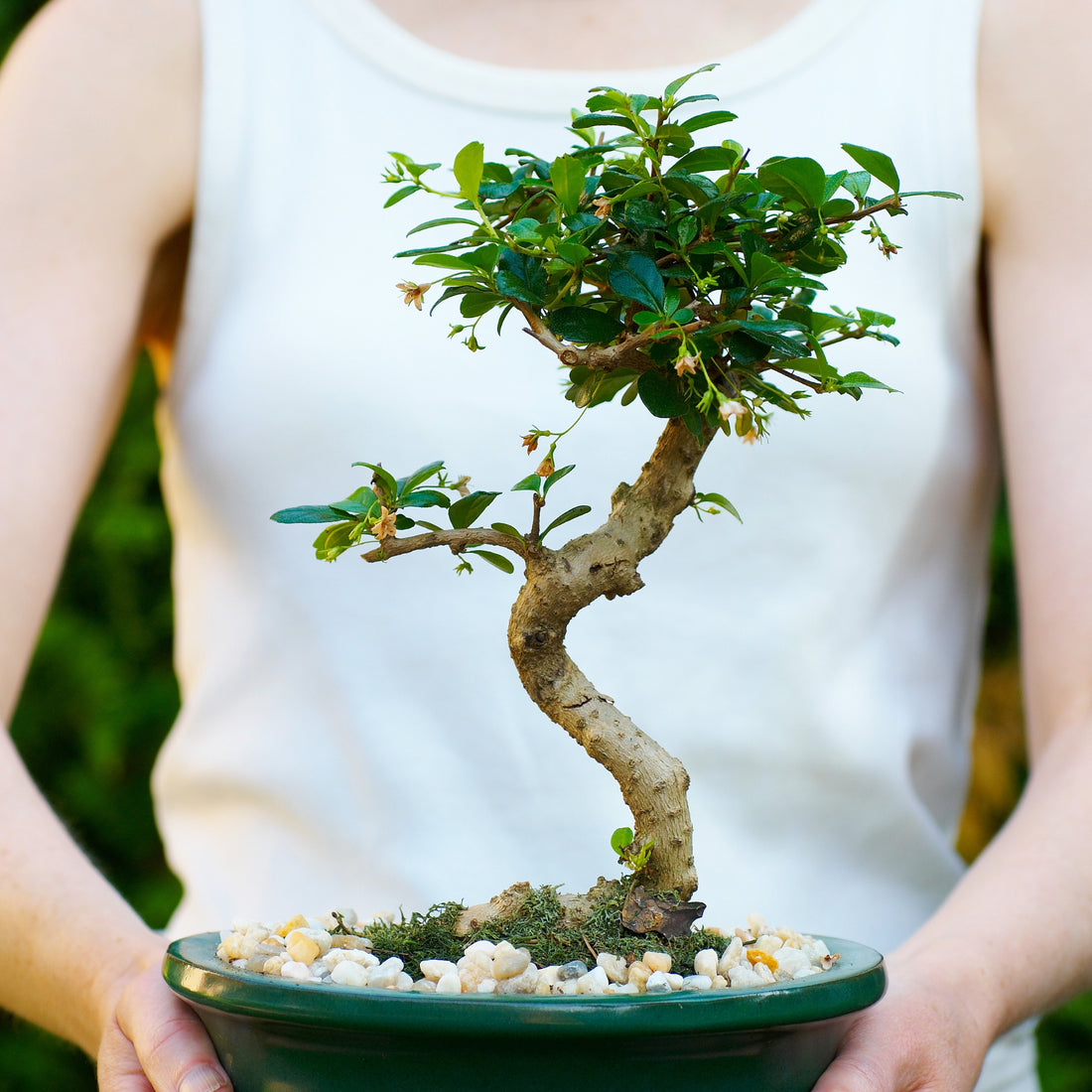
1. Fukien Tea bonsai for drought tolerance
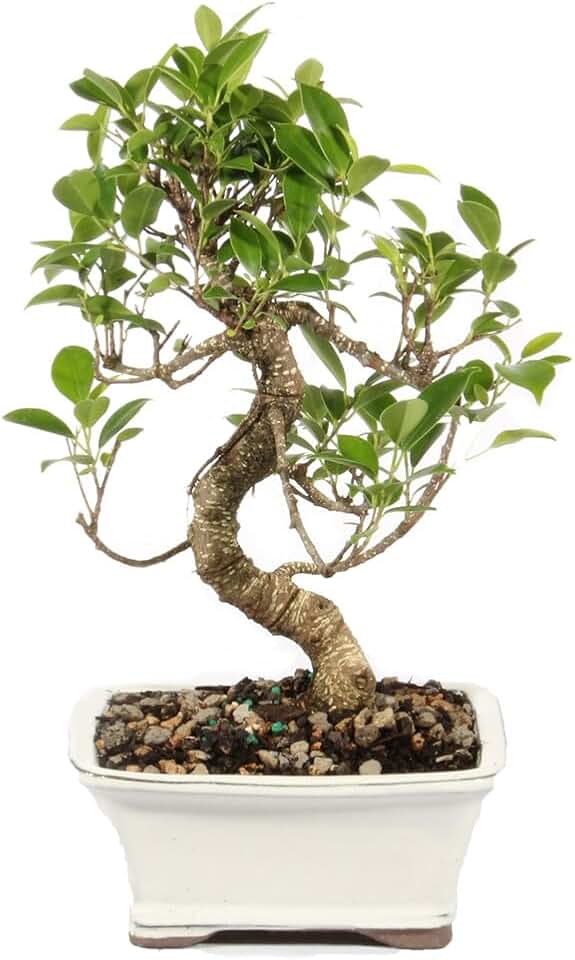
The Fukien Tea (Carmona retusa) acts like a natural moisture gauge, signaling thirst by drooping leaves before permanent damage occurs. This drought tolerance makes it ideal for busy beginners who might miss watering schedules. Its small, glossy leaves and distinctive exposed roots create an elegant, aged appearance without demanding constant humidity checks. Place it in bright, indirect light to maintain its vibrant green foliage.

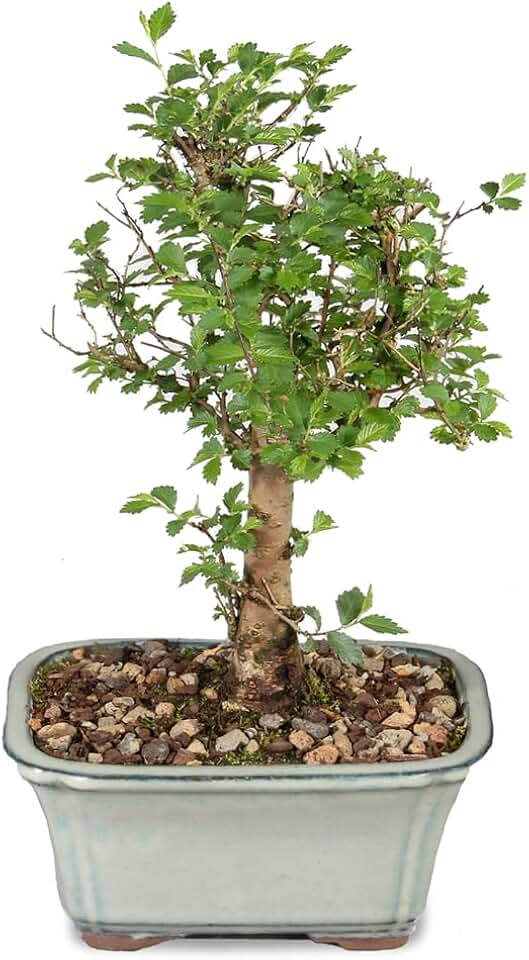
2. Chinese Elm bonsai for humidity resilience
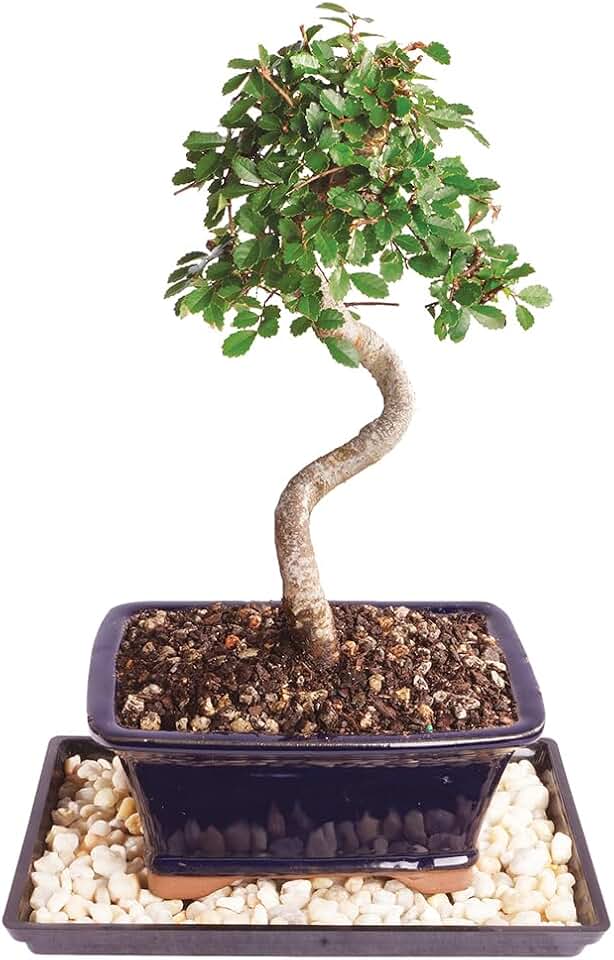
Chinese Elm trees thrive in the variable humidity levels typical of modern indoor environments, making them exceptionally forgiving for new growers. Their flexible branches allow for easy wiring and styling, encouraging creative experimentation without fear of snapping. This species adapts well to both direct sun and partial shade, offering versatility in placement. Regular pruning maintains its compact, intricate canopy structure effectively.
3. Serissa bonsai for indoor climate stability
Serissa, often called the "Fairy Bush," maintains its delicate white flowers and tiny leaves even in stable indoor climates. It prefers consistent temperatures and moderate watering, thriving in spots away from drafts or heating vents. While it can be finicky during seasonal transitions, its compact size makes it perfect for desks or windowsills. Monitor soil moisture closely to prevent leaf drop during dry spells.

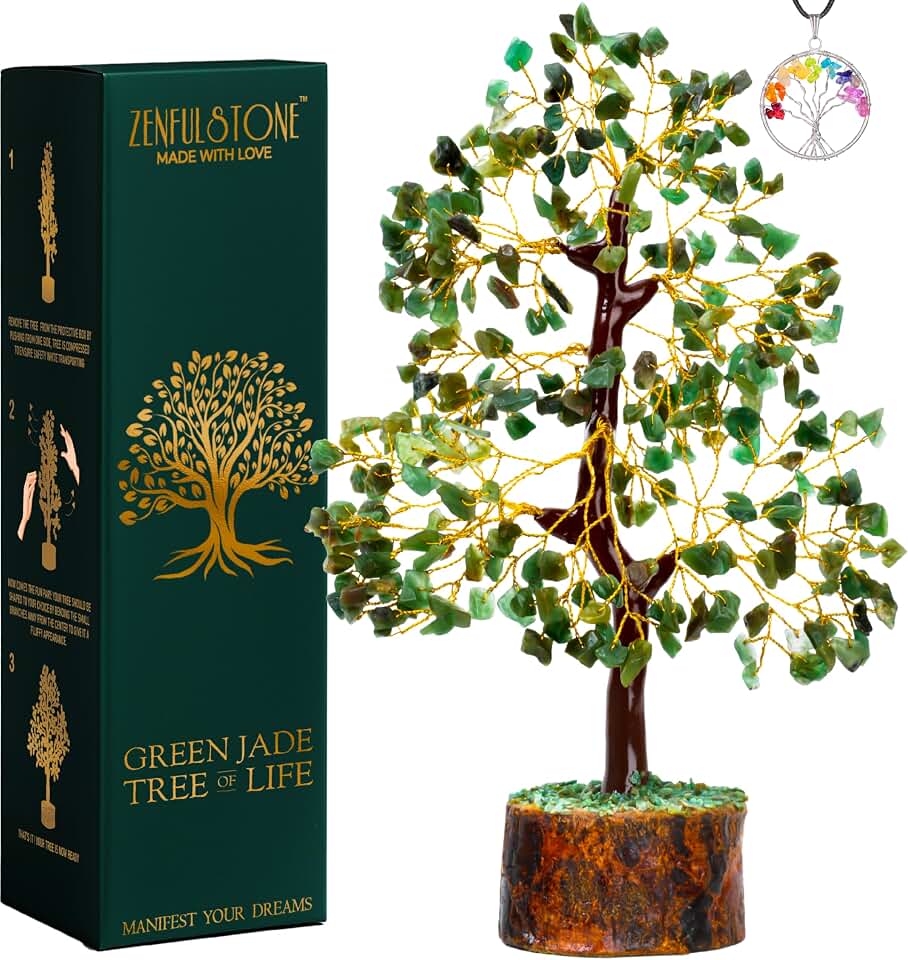
4. Jade bonsai for temperature fluctuation resistance
Jade bonsai trees possess succulent-like leaves that store water, granting them remarkable resilience against temperature swings. This hardiness allows them to survive in rooms with inconsistent heating or cooling, reducing stress on the plant. Their thick, tree-like trunks develop character quickly, mimicking ancient specimens with minimal effort. Water sparingly, allowing the soil to dry completely between sessions to prevent root rot.
5. Chinese Elm hybrid for pest durability
This specialized Chinese Elm hybrid offers enhanced resistance to common pests like aphids and spider mites, reducing the need for frequent chemical treatments. Its robust growth habit and dense foliage create a lush, mature look faster than traditional varieties. Ideal for beginners wanting a resilient plant that tolerates occasional neglect, this hybrid maintains health even in less-than-ideal conditions. Regular inspection ensures early detection of any minor issues.

How to Pick the Right Low-Maintenance Bonsai
Choosing a bonsai is less about finding the perfect specimen and more about matching the tree to your actual daily routine. A low-maintenance bonsai is not a plant that survives on neglect; it is a resilient species that forgives occasional lapses in care. When the climate shifts or your schedule tightens, these trees adapt without demanding constant attention.
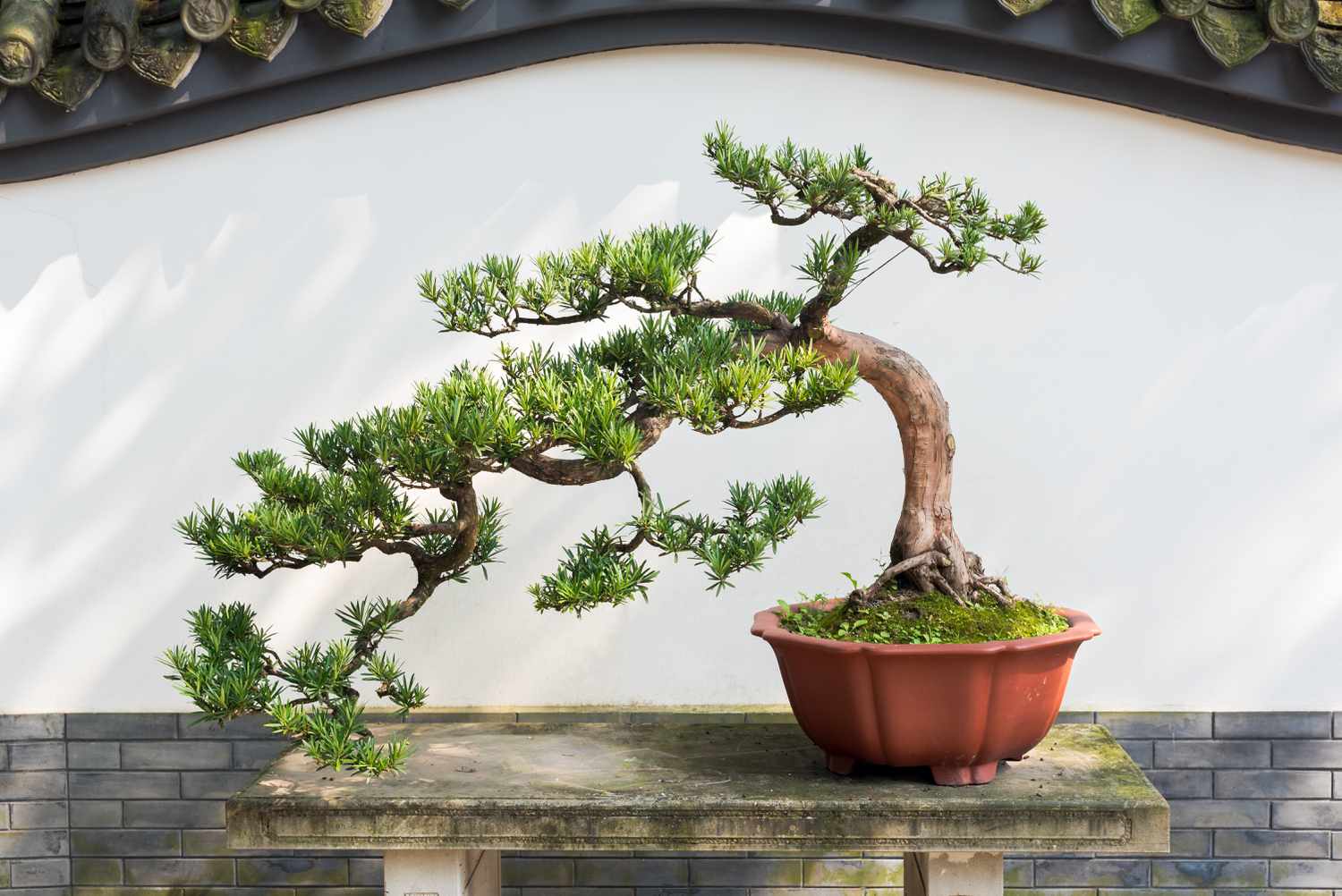
Start by assessing your light. Most beginners place trees in dim corners where they eventually decline. Junipers and Ficus thrive in bright, direct light, while Chinese Elms tolerate lower indoor light levels. If you have a sunny windowsill, you have more options. If your space is shaded, stick to shade-tolerant varieties like the Elm.
Watering habits matter just as much as light. Trees like the Jade (Crassula ovata) store water in their leaves, allowing them to go longer between drinks. This makes them ideal for travelers or forgetful waterers. In contrast, Junipers have shallow root systems that dry out quickly in hot weather, requiring more frequent checks. Choose based on how often you actually notice a dry pot.
Finally, consider the climate in your home. Many "indoor" bonsai are actually tropicals that struggle in air-conditioned or heated rooms with dry air. If your home is dry, prioritize humidity-loving species like the Ficus or Elm. These trees handle indoor air better than their outdoor counterparts, which often need seasonal transitions that are hard to replicate inside.
Assess the light in your chosen spot. South or west-facing windows get the most sun. If you only have north-facing windows or no windows nearby, limit your choices to shade-tolerant trees like the Chinese Elm or Jade.
Think about how often you water other plants. If you water weekly, a Juniper might dry out too fast. If you water monthly, a Ficus might rot. Pick a tree whose water needs align with your natural rhythm, not an idealized schedule.
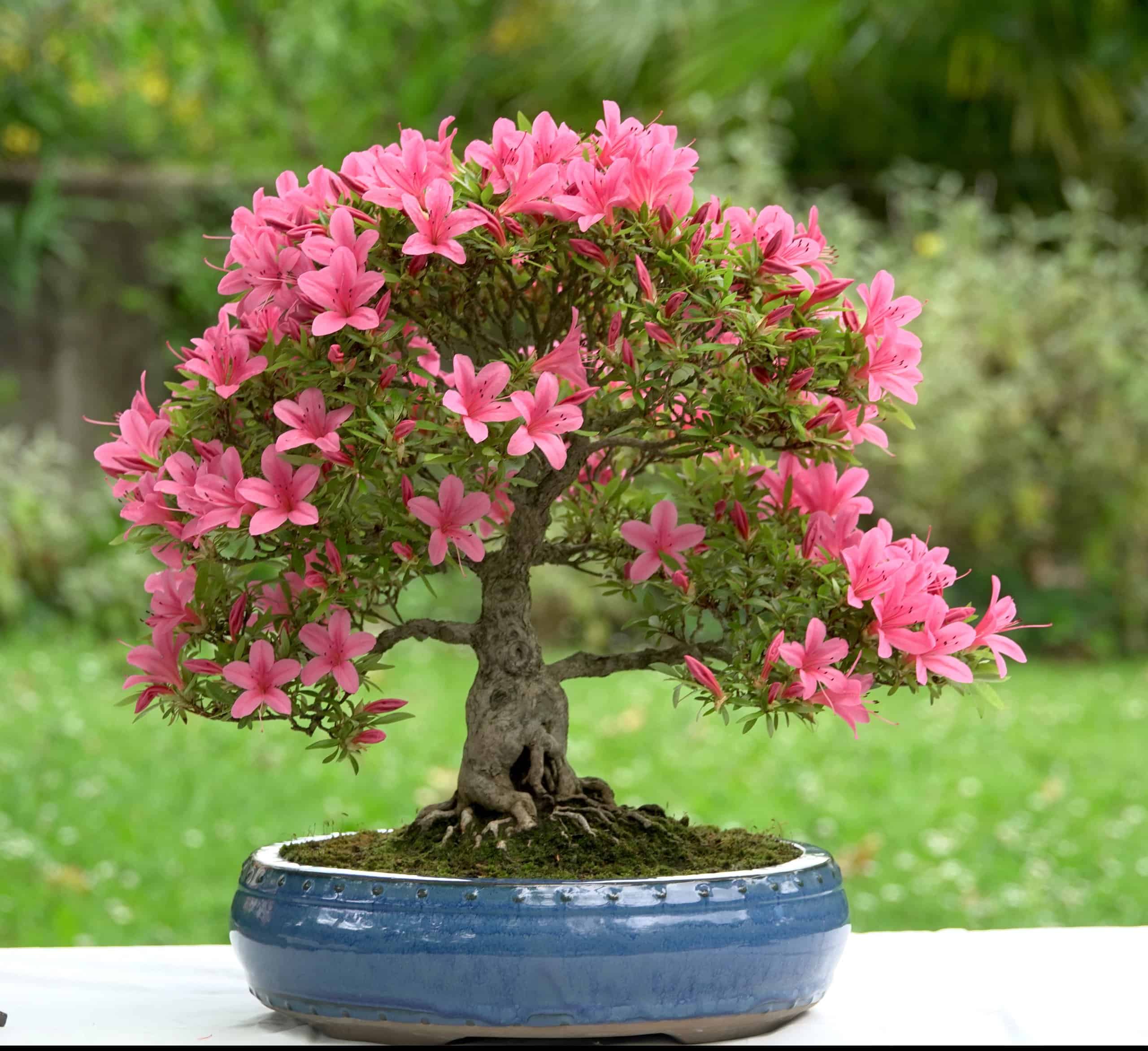
Dry air from heating or AC can stress bonsai. If your home is very dry, avoid outdoor species like Junipers unless you have a humidifier. Tropical species like the Ficus and Chinese Elm are generally more forgiving of dry indoor air.

As an Amazon Associate, we may earn from qualifying purchases.
Frequently asked: what to check next
What is the rule of 3 in bonsai? The rule of three is a foundational aesthetic principle in bonsai design, suggesting that odd numbers create more natural and visually appealing compositions. This often applies to the number of main branches or the placement of rocks, as asymmetrical arrangements feel more organic to the eye than perfect symmetry. For beginners, keeping this in mind helps avoid a stiff, manufactured look when pruning or styling your tree.
What is the easiest bonsai to start with? Ficus trees, particularly the Ficus retusa, are widely considered the easiest bonsai to start with for beginners. They are highly tolerant of neglect, recover quickly from mistakes, and thrive indoors, making them ideal for learning the basics of watering and light without the stress of outdoor climate fluctuations. Their thick trunks and small leaves also forgive minor styling errors while you build your skills.
What are the basic rules for beginners in bonsai? Beginners should focus on three core pillars: proper watering, adequate light, and patience. Water only when the soil surface feels slightly dry, ensuring the pot has drainage to prevent root rot. Place your tree in bright, indirect light to mimic natural conditions. Finally, resist the urge to over-prune or over-fertilize; bonsai is a long-term practice where steady, gentle care yields better results than aggressive intervention.
Is bonsai easy to learn? Bonsai is accessible to beginners, but it requires consistency rather than innate talent. While the initial styling and potting can be mastered in a few weeks, understanding the long-term health needs of your tree takes time. The learning curve is gentle if you start with resilient species like Juniper or Ficus, allowing you to focus on the craft’s meditative aspects rather than constant crisis management.
No comments yet. Be the first to share your thoughts!