
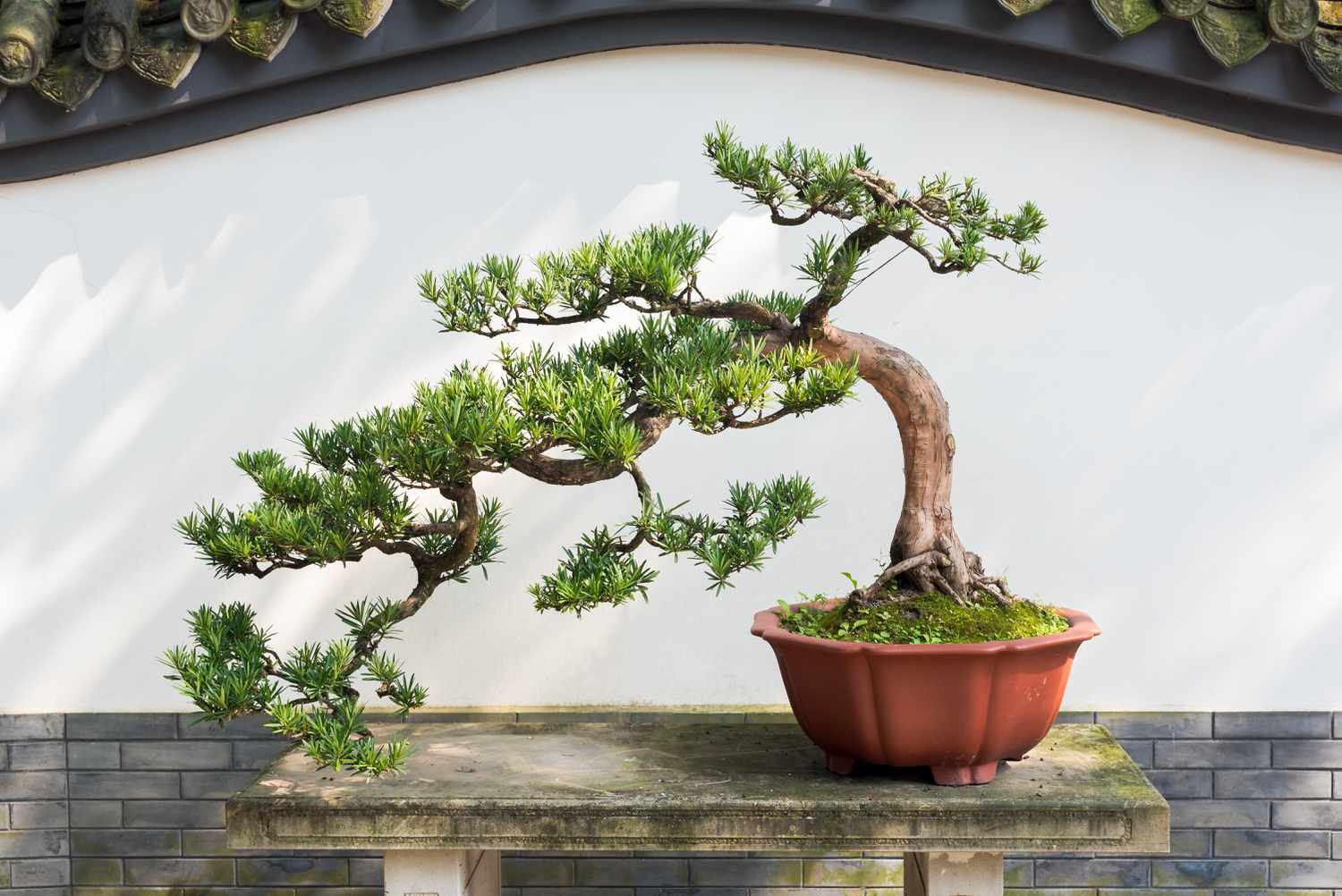

Start with Bonsai Beginners
Choosing your first indoor bonsai tree shouldn't feel like signing a lease for a high-maintenance pet. The goal is to find a living sculpture that rewards patience, not one that demands daily attention. We selected these five trees based on two practical filters: resilience and indoor adaptability. You want species that tolerate the dry air of heated apartments and forgive the occasional missed watering session.
The selection process focused on forgiving species like the Fukien Tea and Jade, which are known for their thick, water-retaining leaves and sturdy branches. These plants are less prone to sudden leaf drop if you make a mistake with humidity or light levels. We also prioritized trees that respond well to basic pruning, allowing you to shape them without specialized tools.
Think of these trees as training wheels for your bonsai journey. They are sturdy enough to handle the learning curve while you master the basics of wiring, soil, and repotting. By starting with a resilient variety, you build confidence and skill before moving on to more delicate species like the Juniper or Pine.
5 2026 Indoor Bonsai Revolution: Top 5 Low-Maintenance Trees for Urban Beginners
Urban living demands plants that survive neglect and tight spaces, making low-maintenance bonsai the ideal entry point for beginners. We evaluated five resilient species that thrive indoors, focusing on practical care requirements and visual impact rather than traditional, high-effort styling. Here are the top picks for 2026 that balance aesthetic appeal with genuine ease of care.
Pick the right fit
Choosing an indoor bonsai is less about finding the "perfect" tree and more about matching a plant to your actual living conditions. A tree that thrives in a humid bathroom will struggle in a dry, south-facing bedroom. Before you buy, look at your space with a critical eye. Note where the sun hits hardest and where the air feels stale. Your goal is to find a low-maintenance bonsai that fits into your routine, not one that demands you rearrange your life to care for it.
Start by assessing your light. Most indoor bonsai trees, like the Ficus or Jade, need bright, indirect light. If your apartment only has north-facing windows, you might need a grow light or a different species entirely. Next, consider your water habits. Do you forget to water houseplants? If so, choose a drought-tolerant option like a Juniper or Jade. Being honest about your care style prevents you from buying a high-maintenance tree that will quickly become a sad, dry stick on your shelf.
Once you understand your environment, you can narrow down the species. Think of this process like hiring a roommate: you want someone whose habits align with yours. A high-maintenance bonsai is like a roommate who needs constant attention and specific conditions. A forgiving beginner tree is like one who pays rent on time and doesn't mind if you're away for a weekend. Match the tree's needs to your reality, and you'll set yourself up for success from day one.
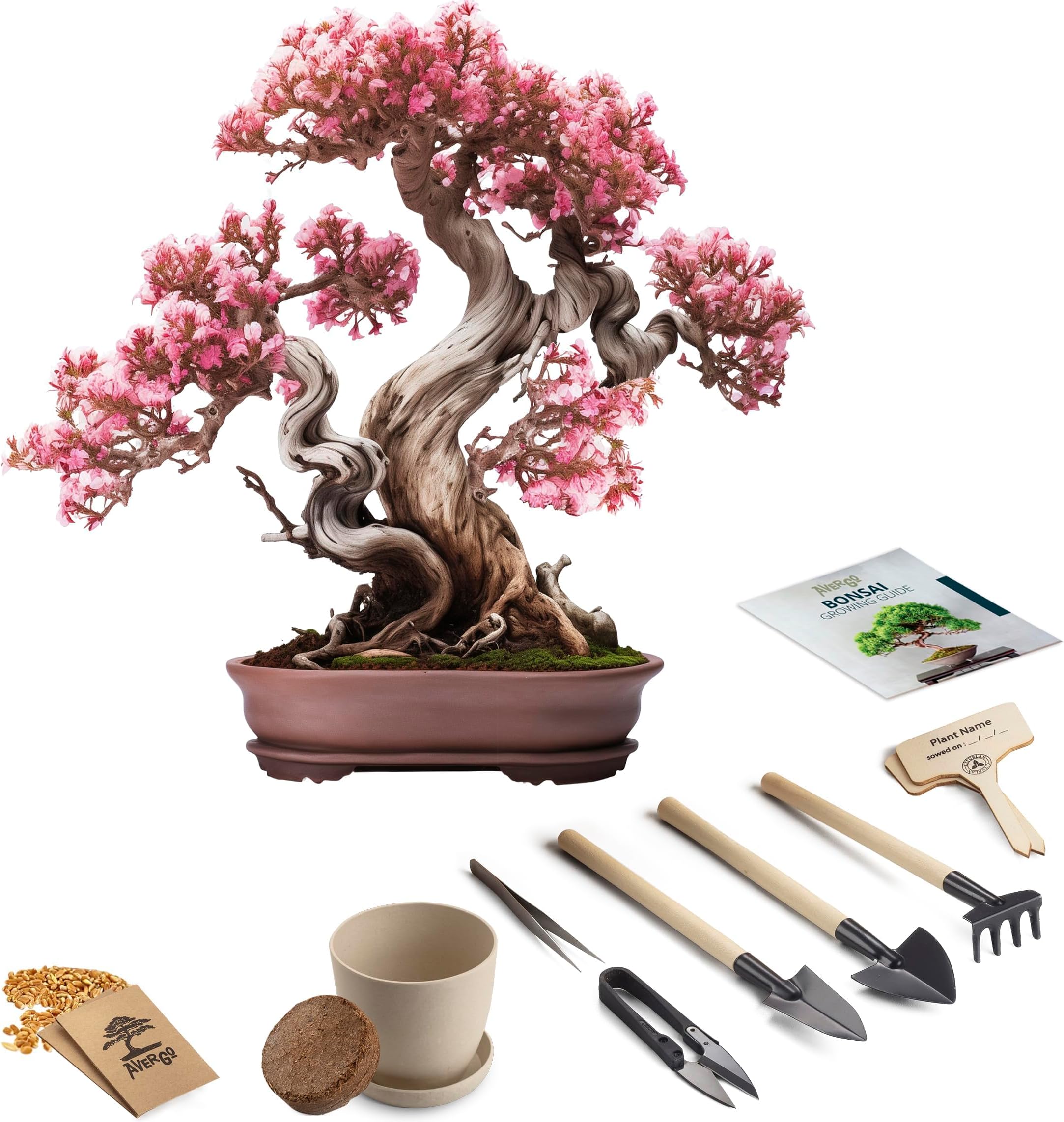
Identify where your brightest window is. Most beginner bonsai need 4-6 hours of indirect sunlight. South or west-facing windows are ideal. If your light is dim, look for shade-tolerant species or plan to buy a simple LED grow light.
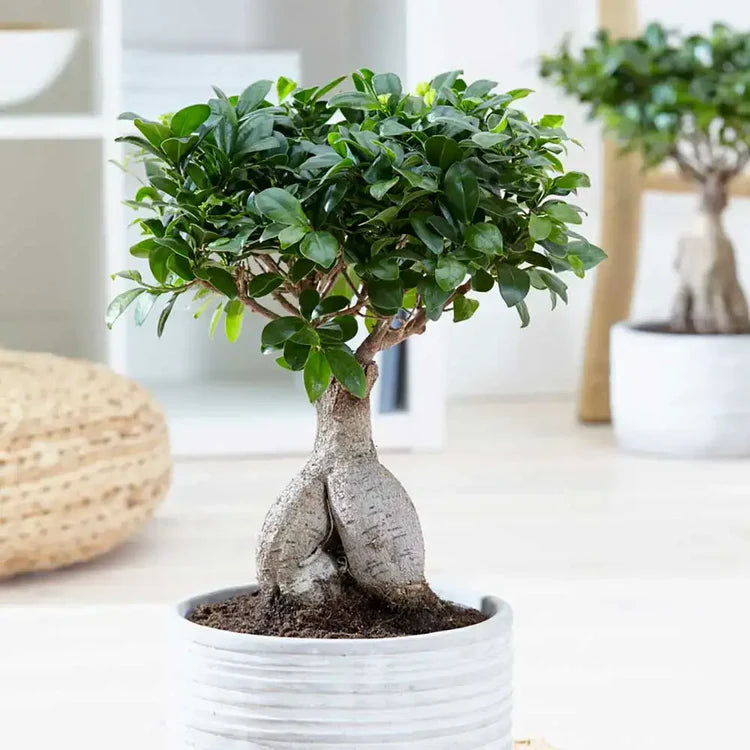
Be honest about how often you water other plants. If you tend to overwater, choose a Jade or Juniper. If you tend to underwater, a Ficus or Serissa might be more forgiving, though they still need consistent moisture.
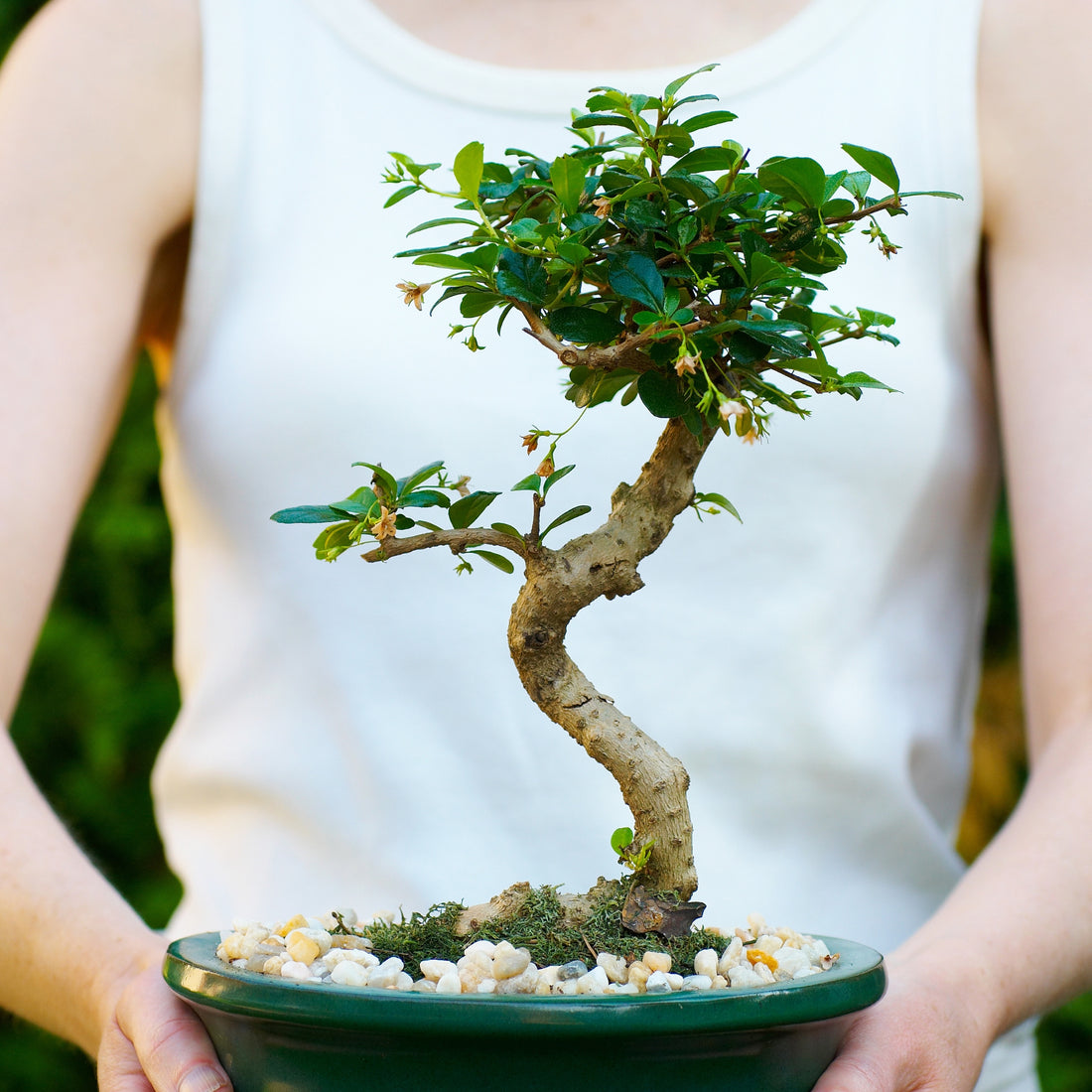
Select a tree that fits your humidity and temperature. Avoid placing heat-sensitive trees near radiators or air conditioners. A tree that matches your home's natural climate will require less intervention and stay healthier longer.
| Species | Light Needs | Watering | Best For |
|---|---|---|---|
| Jade | Bright, indirect | Low (let dry) | Forgiving & drought-tolerant |
| Ficus | Bright, direct | Moderate | Fast-growing & resilient |
| Juniper | Bright, cool | Moderate-High | Classic look & hardy |


As an Amazon Associate, we may earn from qualifying purchases.
5 Best Indoor Bonsai Trees for Beginners
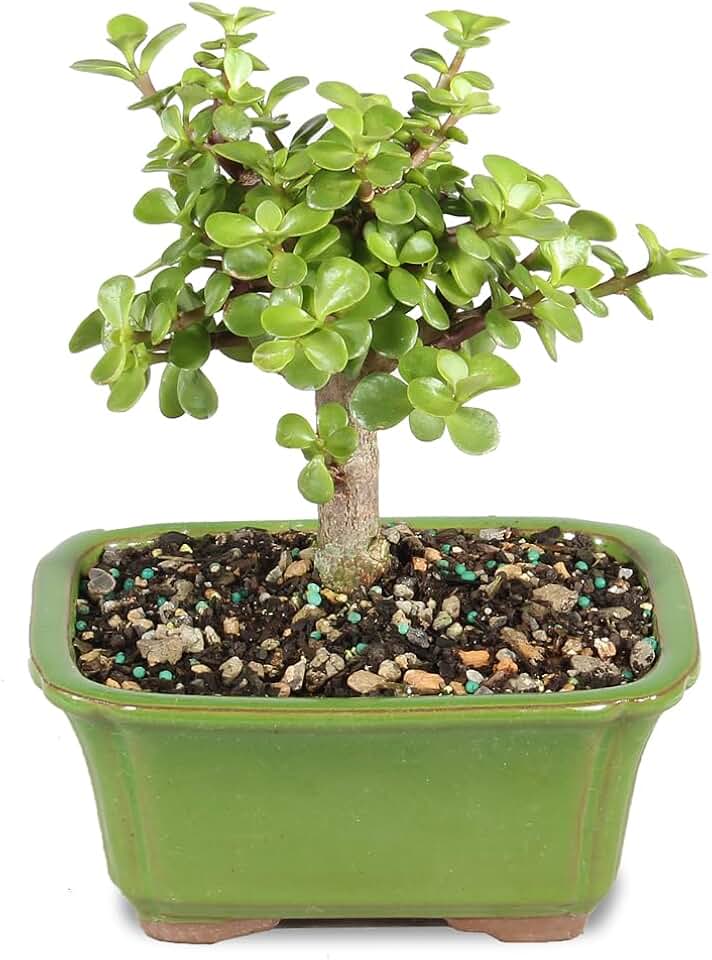
1. Jade Plant (Crassula ovata)
The Jade plant is arguably the most forgiving beginner bonsai. As a succulent, it stores water in its thick, fleshy leaves, making it highly resistant to drought. This trait is perfect for beginners who might forget to water their plants for a few days. Jade trees develop a thick, woody trunk quickly, giving them an aged appearance even when young. They prefer bright, indirect light and should be allowed to dry out completely between waterings. Overwatering is the primary killer of Jade bonsai, so err on the side of too little water.
2. Ficus Ginseng
Ficus Ginseng is a favorite among indoor bonsai enthusiasts because of its dramatic, bulbous trunk and glossy green leaves. It is incredibly resilient and can tolerate a wider range of light conditions than most other bonsai species. While it prefers bright light, it can adapt to lower light levels, making it suitable for apartments that don't get direct sunlight. Ficus trees grow relatively fast, allowing beginners to see results from pruning and wiring quickly. They require consistent moisture but should never sit in water.
3. Chinese Elm (Ulmus parvifolia)
The Chinese Elm is a deciduous tree that offers a classic bonsai silhouette with small, serrated leaves. It is hardy and adaptable, tolerating both indoor and outdoor conditions, though it thrives indoors with bright light and good air circulation. This species is excellent for learning basic bonsai techniques like wiring and pruning because it responds well to shaping. Keep the soil slightly moist and ensure it receives plenty of light to prevent leaf drop. In winter, it may lose its leaves, which is a natural part of its cycle.
4. Fukien Tea (Carmona retusa)
The Fukien Tea is prized for its small, glossy leaves and attractive white flowers that turn into small black berries. It is a tropical evergreen that thrives in warm, humid environments, making it ideal for bathrooms or kitchens with indirect light. However, it can be sensitive to sudden changes in temperature and humidity. To keep a Fukien Tea healthy, maintain consistent humidity by misting regularly or using a pebble tray. It requires bright, indirect light and well-draining soil that stays slightly moist.
5. Serissa (Serissa foetida)
Also known as the "Tree of a Thousand Stars," the Serissa is a delicate-looking but surprisingly tough beginner tree. It features tiny white flowers and small leaves that create a dense, intricate canopy. Serissa prefers bright, indirect light and cool temperatures, making it a good choice for windows that don't get direct sun. It requires consistent moisture and high humidity, so regular misting is essential. While it can be finicky during transitions, a well-established Serissa is a stunning addition to any indoor bonsai collection.
FAQ: Common Questions About Indoor Bonsai for Beginners
What is the rule of 3 in bonsai?
The rule of three is a fundamental aesthetic principle used when arranging plants or selecting trees for display. It suggests that odd numbers, particularly three, are more visually appealing and natural to the human eye than even numbers. When styling a bonsai or setting up a bonsai display, this rule helps create balance without symmetry, making the composition feel dynamic yet stable.
What is the easiest bonsai to start with?
The Jade plant (Crassula ovata) is widely considered the easiest bonsai for beginners. These succulents are forgiving of irregular watering and can thrive in indoor environments with moderate light. Their thick, woody trunks develop quickly, giving the illusion of age and maturity even on young trees. Ficus varieties are also a strong alternative, as they tolerate lower light levels common in apartments.
How can I start a bonsai tree as a beginner?
Start by selecting a pre-trained starter tree rather than trying to shape a wild specimen. Focus on mastering three basics: watering when the soil surface feels dry, providing bright indirect light, and avoiding over-fertilizing. Joining a local bonsai club or online community provides immediate feedback on your tree’s health and helps you avoid common mistakes like root rot or underwatering.
Can you teach yourself bonsai?
Yes, bonsai is a highly self-teachable art form. With the abundance of online guides, video tutorials, and dedicated forums, most enthusiasts learn through trial and error. The key is patience; bonsai development happens slowly over years, not days. Start with low-maintenance species, document your care routine, and adjust based on how your specific tree responds to its environment.
No comments yet. Be the first to share your thoughts!